Are you thinking about adding a fresh, natural touch to your outdoor space? Bamboo furniture might catch your eye with its beautiful look and eco-friendly appeal.
But you’re probably wondering: is bamboo really good for outdoor furniture? Before you invest, it’s important to know how bamboo holds up against weather, wear, and pests. This article will help you understand the true benefits and hidden drawbacks of bamboo outdoor furniture so you can make a smart choice that keeps your space stylish and durable for years to come.
Keep reading to discover if bamboo is the right fit for your outdoor oasis!
Credit: foter.com
Bamboo Strength And Longevity
Bamboo stands out as a strong and long-lasting option for outdoor furniture. Its natural fibers provide excellent support, making it sturdy under different weather conditions. The material’s strength helps it hold up well over time, even with daily use. Bamboo’s ability to endure outdoor environments makes it a popular choice for many homeowners.
Understanding how bamboo handles moisture, wear, and pests is key to knowing its true durability. These factors affect how long bamboo furniture lasts outside. Exploring bamboo’s resistance and vulnerabilities gives a clear picture of its overall longevity.
Resistance To Moisture And Mold
Bamboo resists moisture better than many woods but is not waterproof. Prolonged exposure to rain or humidity can cause it to absorb water. This may lead to swelling, warping, or mold growth. Proper sealing and regular maintenance reduce these risks. Using protective finishes helps bamboo stay dry and mold-free outdoors.
Durability Against Wear And Tear
Bamboo handles everyday use with good toughness. It resists cracks and breaks under pressure. The surface can scratch or dent if hit hard, but it often recovers well. Its flexibility allows it to bend slightly without damage. This quality makes bamboo furniture ideal for active outdoor spaces.
Pest Resistance And Vulnerabilities
Bamboo has natural oils that repel some insects. It is less likely to suffer from pest damage compared to untreated wood. Termites and beetles may still attack if bamboo is untreated or stored improperly. Applying insect-resistant coatings helps protect bamboo furniture. Regular inspections catch pest problems early before serious damage occurs.
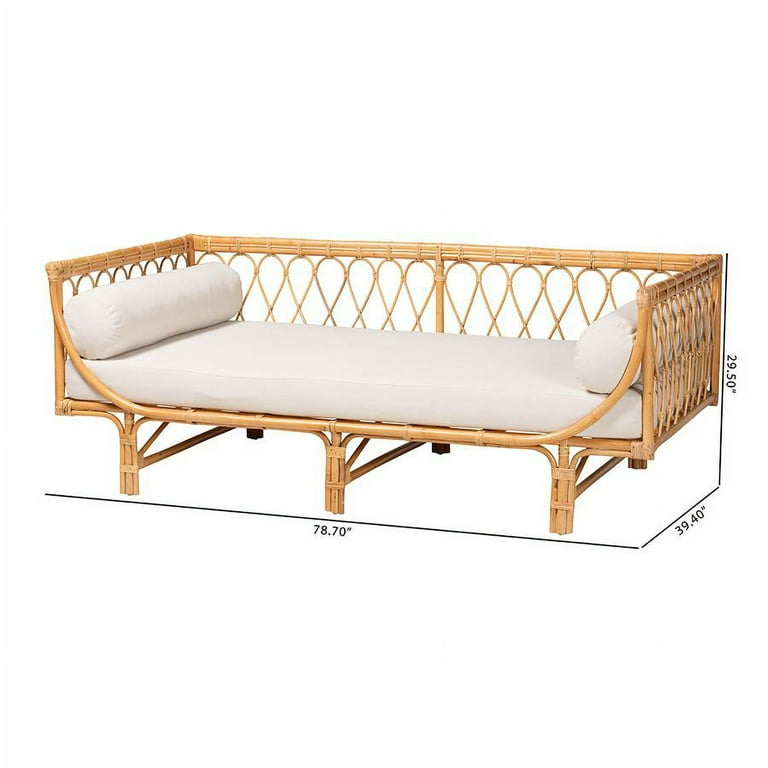
Credit: www.walmart.com
Maintenance And Care Needs
Bamboo outdoor furniture needs regular care to stay strong and look good. Its natural fibers react to weather and use. Proper maintenance helps prevent damage and extends furniture life. Simple steps keep bamboo fresh and resilient.
Cleaning Tips For Outdoor Use
Use a soft brush or cloth to remove dirt. Wash with mild soap and warm water. Avoid harsh chemicals that can damage bamboo. Rinse well and dry with a towel. Clean spills quickly to avoid stains. Regular cleaning stops mold and mildew growth.
Oiling And Protective Treatments
Apply natural oil to nourish bamboo fibers. Use teak oil or linseed oil for best results. Oil keeps bamboo from drying and cracking. Reapply oil every few months for protection. Consider a clear outdoor sealant for extra defense. This treatment reduces water absorption and sun damage.
Seasonal Storage Recommendations
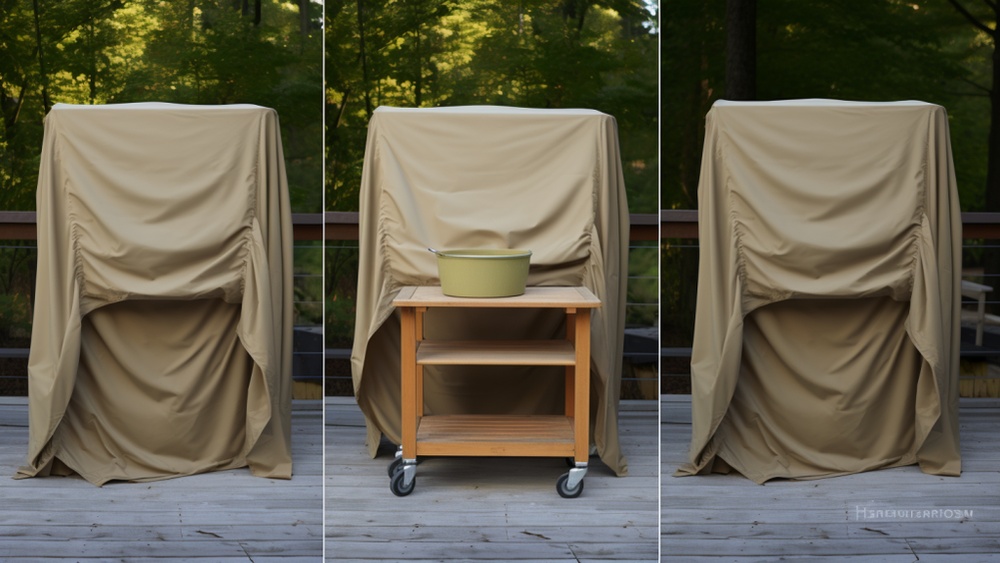
Store bamboo furniture indoors during harsh weather. Avoid leaving it in direct rain or snow. Use furniture covers if kept outside. Keep items dry and well-ventilated in storage. Proper storage prevents warping and mold. Bring furniture out only when weather is mild.
Environmental Impact
The environmental impact of bamboo furniture plays a key role in choosing outdoor materials. Bamboo is often praised for its green qualities. Understanding its effects on nature helps make better choices for your outdoor space.
Sustainability Of Bamboo Growth
Bamboo grows fast, much faster than traditional hardwood trees. It can reach maturity in just 3 to 5 years. This rapid growth means less deforestation pressure. Bamboo also regenerates without needing to be replanted. Its root system helps prevent soil erosion. These traits make bamboo a sustainable resource for furniture.
Eco-friendly Manufacturing Practices
Manufacturing bamboo furniture uses less energy compared to hardwood. Many factories now use renewable energy sources. Waste from bamboo processing can be reused or composted. Some producers avoid harmful chemicals and use water-based finishes. These eco-friendly practices reduce pollution and carbon footprint during production.
Chemical Use And Safety Concerns
Some bamboo furniture contains glues with formaldehyde or VOCs. These chemicals can harm indoor air quality and health. Choose products labeled as low-VOC or formaldehyde-free. Natural oils and water-based finishes improve safety. Being aware of chemical use helps protect both environment and users.
Cost Considerations
Cost plays a key role in choosing bamboo for outdoor furniture. It impacts your budget and buying decision. Understanding the expenses helps you find the best option for your needs.
Initial Investment And Price Range
Bamboo furniture often costs less than solid hardwood options. Prices vary from low-end sets to premium pieces. Basic bamboo chairs may be affordable. High-quality bamboo furniture can be more costly due to craftsmanship. Expect to pay between $100 and $1000 depending on style and size.
Long-term Value Compared To Other Woods
Bamboo offers good value over time. It grows fast, making it more sustainable than slow-growing hardwoods. Bamboo resists cracking and warping when treated properly. This lowers replacement and repair costs. However, it needs regular care to keep its look and strength. Compared to teak or oak, bamboo can be a budget-friendly choice with decent durability.
Factors Influencing Cost Variability
Several factors affect bamboo furniture prices. The source of bamboo matters; imported bamboo may cost more. The manufacturing process impacts quality and price. Handcrafted pieces usually cost more than mass-produced ones. Finishing and coatings add to the price but improve lifespan. Design complexity and size also change the cost. Location and shipping fees can raise expenses further.
Style And Design Options
Bamboo offers a wide range of style and design options for outdoor furniture. Its unique look blends well with many outdoor themes. Choosing bamboo can elevate any garden, patio, or balcony space. The material’s design flexibility allows creativity in outdoor decor.
Natural Aesthetic Appeal
Bamboo has a warm, earthy tone that adds natural beauty. Its texture shows unique patterns and grains. This gives furniture a handcrafted and organic feel. Bamboo’s colors range from light tan to rich golden hues. These colors match well with plants and natural landscapes. The natural look suits rustic, tropical, or modern outdoor styles.
Versatility In Outdoor Settings
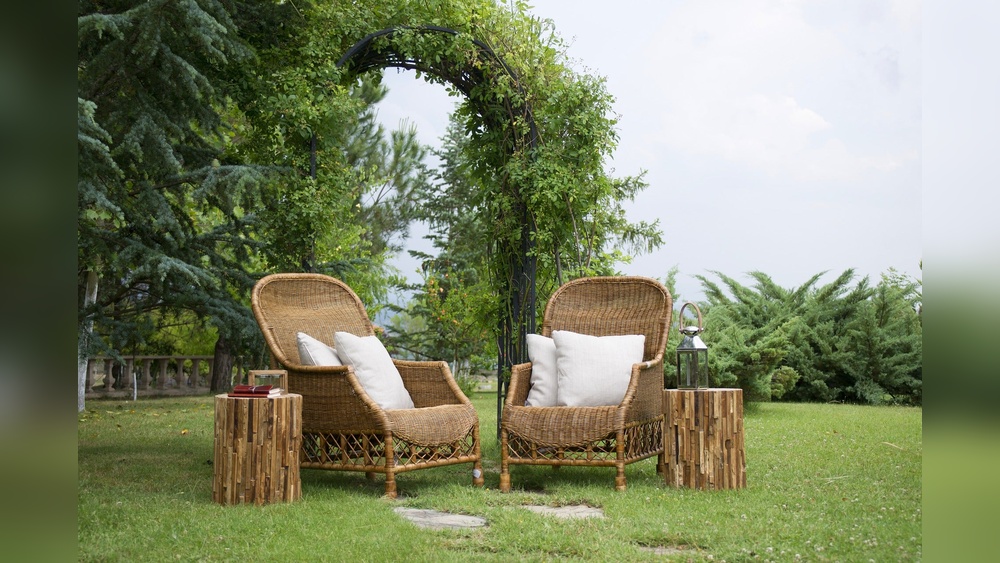
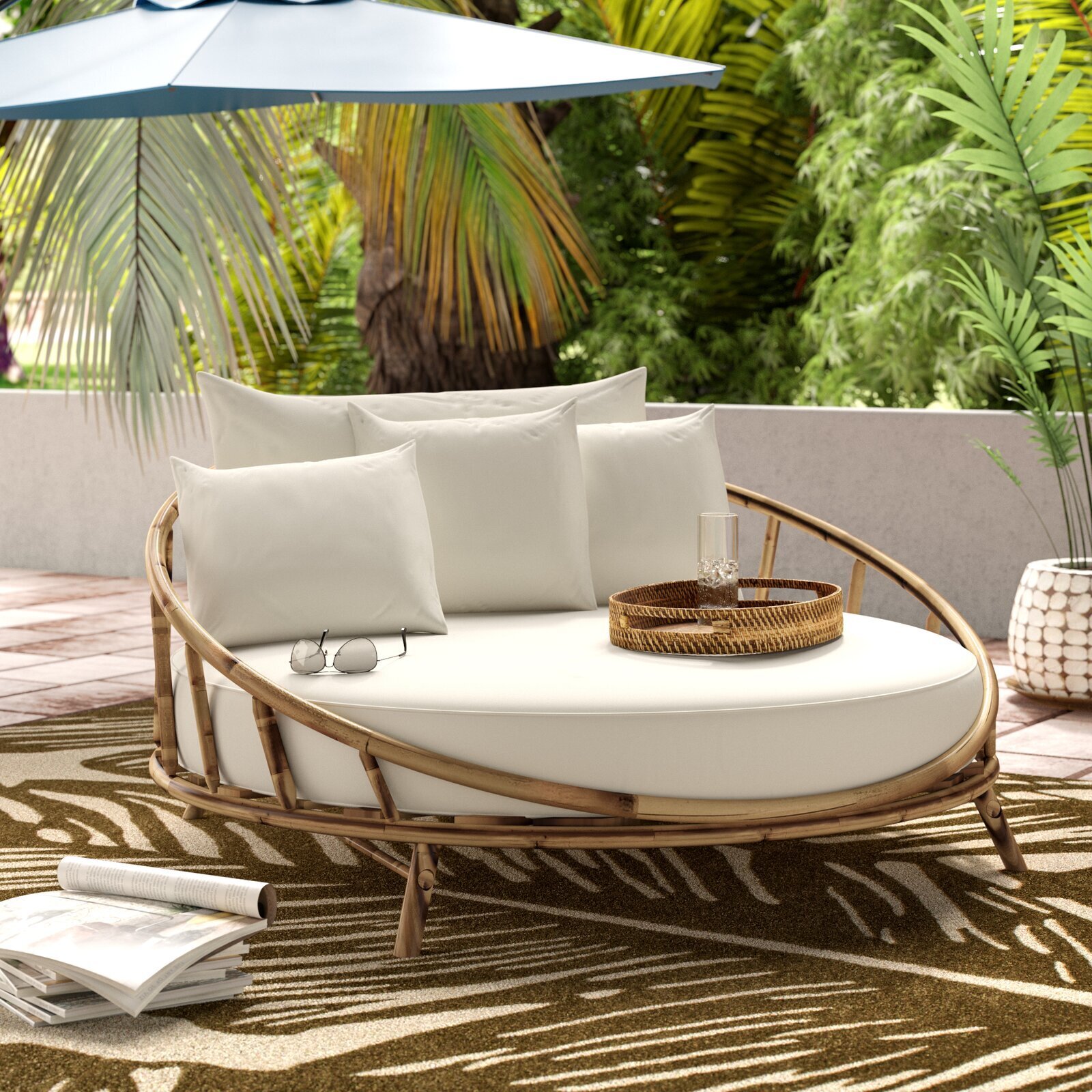
Bamboo furniture fits various outdoor spaces easily. It works well in small balconies and large garden areas. Bamboo shapes include chairs, tables, loungers, and benches. Its lightweight nature makes it easy to move and rearrange. This versatility supports both casual and formal outdoor gatherings. Bamboo also pairs nicely with other materials like metal and glass.
Customization And Finishing Choices
Bamboo furniture can be customized to match personal taste. Different finishes can enhance its durability and look. Clear varnishes keep the natural color bright and fresh. Stains add deeper tones for a richer appearance. Paint options allow bold or subtle color choices. Custom cushions and pillows increase comfort and style. These finishing options let each piece stand out.
Comparing Bamboo To Other Materials
Choosing the right material for outdoor furniture is essential for long-lasting use and style. Bamboo is popular but competes with classic woods like teak. Comparing bamboo to other materials helps reveal its strengths and weaknesses. This guide looks closely at bamboo and teak in terms of durability, moisture resistance, cost, and maintenance.
Bamboo Vs. Teak Durability
Bamboo is strong but can be less durable than teak. Teak wood naturally resists cracking and warping over time. Bamboo tends to dent and scratch more easily under heavy use. Teak ages well and can last decades outdoors. Bamboo furniture might need replacement sooner if exposed to harsh weather. Both materials offer good strength, but teak has a clear edge in long-term durability.
Moisture Resistance Comparison
Teak contains natural oils that repel water and prevent decay. Bamboo absorbs moisture quickly, causing swelling and mold risks. Bamboo requires treatment to improve moisture resistance. Untreated bamboo may warp or rot in damp environments. Teak remains stable and dry even in rainy or humid conditions. For wet climates, teak holds up better without extra care.
Cost And Maintenance Differences
Bamboo furniture usually costs less upfront than teak. Maintenance of bamboo demands regular cleaning and protective coatings. Teak needs less frequent upkeep but can be pricey. Bamboo’s finish may fade faster and require sanding or oiling. Teak furniture retains its look longer with minimal effort. Budget and willingness to maintain influence which material suits outdoor use best.
Common Challenges With Bamboo Furniture
Bamboo furniture offers a natural, stylish option for outdoor spaces. It looks great and feels warm. Still, bamboo has some challenges that affect its use outside. Understanding these issues helps you care for bamboo furniture better and know what to expect.
Susceptibility To Scratches And Dents
Bamboo is strong but can be soft on the surface. It scratches and dents easier than hardwood. Small impacts from moving or using the furniture leave marks. Over time, these marks can make bamboo look worn. Extra care is needed to keep the furniture looking new. Using cushions or pads helps protect the surface.
Quality Inconsistencies Across Products
Not all bamboo furniture is made the same. Different makers use different methods and bamboo types. This causes big quality differences between products. Some furniture may be weak or poorly finished. Buyers must check for solid construction and smooth finishes. Reading reviews and buying from trusted brands reduces risks.
Pest Infestation Risks
Bamboo can attract pests like termites and beetles. These insects damage the wood and shorten furniture life. Outdoor bamboo furniture faces higher pest risks. Treatment with pest-repellent finishes helps protect it. Regular inspections and quick action keep pests away. Ignoring pests can lead to costly repairs or replacement.

Credit: aurorahomeluxury.co.uk
Frequently Asked Questions
What Are The Disadvantages Of Bamboo Furniture?
Bamboo furniture can warp or mold in moisture, scratch or dent easily, and attract pests like termites. Quality varies widely, may contain harmful chemicals, and often requires frequent maintenance. It can also be costly and may not suit all decor styles.
Does Bamboo Furniture Last Outdoors?
Bamboo furniture can last outdoors with proper care. It resists wear but is vulnerable to moisture, pests, and scratches. Regular maintenance and weather protection extend its durability.
What’s Better, Teak Or Bamboo?
Teak offers superior durability and natural resistance to weather. Bamboo is eco-friendly but less moisture-resistant and requires more maintenance. Choose teak for longevity and bamboo for sustainability.
What Is The Downside Of Bamboo?
Bamboo is prone to moisture damage, warping, and mold. It scratches and dents easily. Quality varies and pests may infest it. Some products contain harmful chemicals. It requires regular maintenance and can be costly. Its appearance may not suit all styles.
Conclusion
Bamboo offers a natural, stylish option for outdoor furniture. It is lightweight and eco-friendly, making it popular. Yet, bamboo needs regular care to stay strong and beautiful. Moisture can cause damage like warping or mold if ignored. Some pieces may attract pests or show scratches over time.
Quality varies, so choose carefully and check for safe finishes. Bamboo’s look fits many outdoor spaces but may not suit all tastes. Overall, bamboo can work well outdoors with proper maintenance and attention. Consider your climate and care routine before deciding.