Are you wondering when your little one will be ready to move on from their toddler bed? It’s a big step for both you and your child.
Knowing the right age to make this change can help keep your child safe and comfortable. Plus, it can make bedtime smoother for everyone. You’ll discover the signs to watch for and the best time to say goodbye to the toddler bed.
Keep reading to find out how to make this transition easy and stress-free for your family.
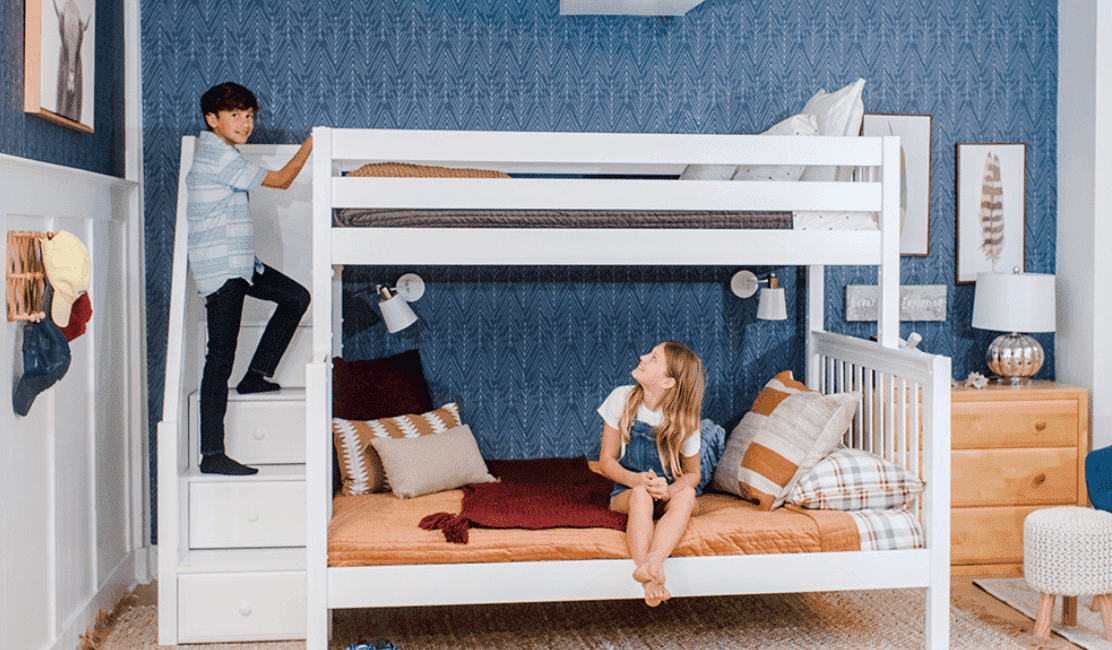
Credit: www.maxtrixkids.com
Typical Toddler Bed Age Range
The typical toddler bed age range helps parents decide when to switch beds. Most children move to a toddler bed between 18 months and 3 years old. This change gives them more space than a crib but still offers safety. Toddler beds have low frames and guardrails to prevent falls.
Many kids outgrow toddler beds by age 5 or 6. At this point, they often need a bigger bed to match their size. Every child grows at a different pace, so these ages can vary. Watching your child’s comfort and safety helps find the right time to upgrade.
Signs Your Child Is Ready To Leave The Toddler Bed
Climbing out of the toddler bed is a clear sign. If your child moves around a lot or feels cramped, it may be time. Growing taller or heavier than the bed’s limit also means change is needed.
Benefits Of Staying In A Toddler Bed Longer
Toddler beds offer security and comfort for younger children. Staying longer can help with a smooth sleep routine. It reduces fear of falling and keeps familiar surroundings.
When To Transition To A Twin Or Full-size Bed
Choose a bigger bed when your child needs more space. This often happens around kindergarten age or 5 to 6 years. A larger bed supports their growing body and helps better sleep.
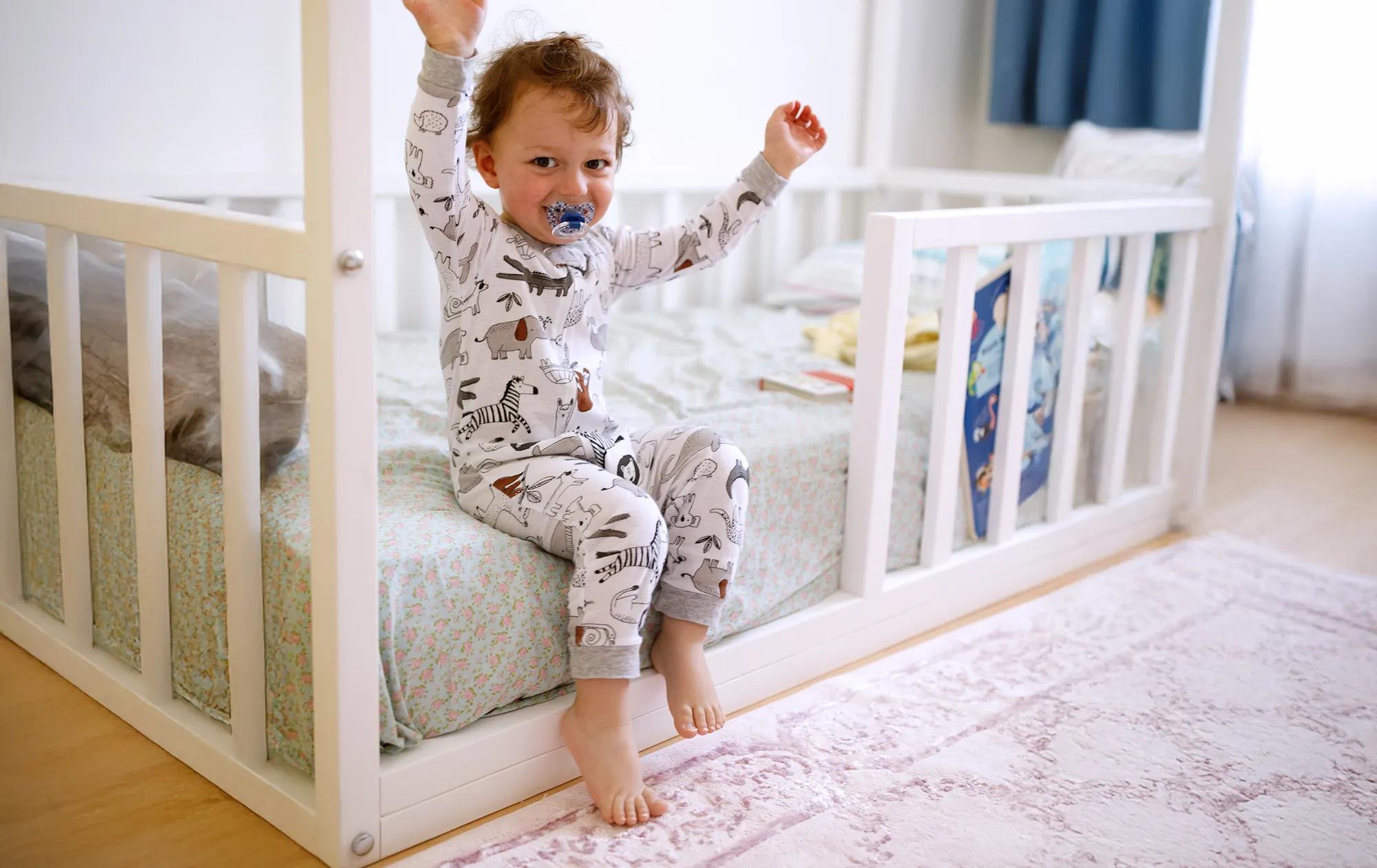
Credit: health.clevelandclinic.org
Physical Growth Indicators
Physical growth is a key factor in deciding when a child should move from a toddler bed. Watching your child’s body change helps you know the right time for a bigger bed. Growth affects comfort, safety, and sleep quality. Parents should check specific signs before making the switch.
Height And Size Limits
Toddler beds have size limits. Most fit kids up to about 40-50 inches tall. If your child’s feet hang over the edge, it’s time to think about a new bed. A bed that is too small can cause discomfort. It may also make the child feel cramped and restless at night. Measuring your child often helps to track their growth. This way, you can plan ahead for a bed upgrade.
Comfort And Space Needs
As kids grow, they need more room to move while sleeping. A toddler bed might feel tight and restrict movement. Kids start to toss and turn more as they grow. A larger bed gives them space to stretch out fully. Comfort is important for good sleep and healthy growth. Notice if your child wakes up tired or complains about the bed. These signs show they might need a bigger and more comfortable bed soon.
Behavioral Signs
Behavioral signs often show when a child is ready to move from a toddler bed. Watching these signs helps parents decide the right time for the change. Kids express their readiness through actions and feelings about their bed.
Climbing Out
Many toddlers start climbing out of their bed. This can be risky and shows the bed is too small. Climbing out means the child needs more space or a different bed. It also shows they want more independence in their sleep area.
Resistance To Bedtime
Some children resist bedtime more than before. They may cry or refuse to lie down. This behavior can mean the toddler bed feels too small or uncomfortable. Resistance also suggests the child is ready for a bigger, more grown-up bed.
Sleep Quality Changes
Sleep quality changes as toddlers grow and develop. These changes often signal when it is time to move from a toddler bed to a bigger bed. Understanding these signs helps parents support better sleep routines and comfort for their child. Two key signs are restlessness and nighttime wake-ups.
Restlessness
Restlessness during sleep can mean the toddler bed is too small. Kids may toss and turn more often. They might feel cramped or uncomfortable. This can disturb their sleep cycles. A bigger bed provides more space to stretch and move freely. Less restlessness often leads to better sleep.
Nighttime Wake-ups
More frequent nighttime wake-ups can show that a toddler needs a bigger bed. Small beds may cause kids to wake up feeling cramped. They might get up to find more space or feel uneasy. Moving to a larger bed can reduce these wake-ups. Better sleep helps kids grow and feel rested.
Safety Considerations
Safety is the top priority when children move from a toddler bed. Parents must think about many factors. These factors keep kids safe and comfortable as they grow. Checking safety features helps prevent injuries and accidents. A safe sleep space helps kids rest better and parents feel at ease.
Bed Rail Effectiveness
Bed rails stop children from falling out of bed. Not all rails work well. Choose rails that fit the bed tightly and have no gaps. Rails should be high enough to stop rolling off. Check the rails for sharp edges or loose parts. Replace rails that show wear or damage. Proper rails protect kids and let them move safely in sleep.
Room Setup
Arrange the bedroom to reduce risks. Keep the floor clear of toys and objects. Use soft rugs to cushion any falls. Place the bed away from windows and cords. Secure furniture to walls to avoid tipping. Make sure lighting is soft but enough to see. A safe room helps kids explore without danger.
Transitioning Tips
Transitioning your child from a toddler bed to a bigger bed is a big step. It needs care and planning to make it easy. A smooth change helps your child feel safe and happy with their new bed. Here are some tips to make the move gentle and fun.
Choosing The Next Bed
Pick a bed that fits your child’s size and needs. A twin bed is a common choice. It offers more space and grows with them.
Consider safety features. Look for low beds with guardrails to prevent falls. A bed that feels cozy will help your child sleep well.
Let your child join in the choice. This gives them a sense of control and excitement. A bed with their favorite colors or characters can make bedtime inviting.
Making The Move Smooth
Start by talking about the new bed days before the change. Read books about moving to a big bed. This prepares your child mentally.
Keep bedtime routines the same. Familiar habits bring comfort during change. Use the same bedtime stories, songs, and cuddles.
Place favorite toys or blankets on the new bed. This makes the space familiar and less scary. Praise your child for sleeping in the new bed to build confidence.

Credit: busytoddler.com
Frequently Asked Questions
At What Age Do Kids Typically Leave Toddler Beds?
Most children outgrow toddler beds between ages 3 and 5. This varies based on their size and readiness for a bigger bed. Parents should watch for signs like climbing out or needing more space.
How To Know If My Child Is Ready For A Big Bed?
Look for signs like frequent climbing out, growing too tall, or showing interest in a bigger bed. Safety and comfort are key factors in deciding the right time to upgrade.
Can Toddlers Stay In Toddler Beds Longer Than 5 Years?
Yes, some toddlers remain in toddler beds beyond age 5 if the bed fits comfortably and remains safe. Transition timing depends on child size and individual needs.
What Are The Safety Concerns With Toddler Beds?
Toddler beds have guardrails to prevent falls but might not suit larger kids. Ensuring the bed’s stability and checking for hazards is important before continuing use.
Conclusion
Most kids leave toddler beds between ages three and five. Each child grows at their own pace. Watch for signs like climbing out or needing more space. Safety and comfort matter most during this change. Choose a bed that fits your child’s size and needs.
This helps them sleep well and feel secure. Transitioning can be smooth with patience and care. Remember, every child’s timing is different. Trust your instincts and enjoy this new stage.