Are you thinking about letting your child sleep on the top bunk bed but aren’t sure if they’re old enough? You’re not alone.
Many parents wonder when it’s safe for their kids to climb up and rest comfortably without risking injury. Choosing the right age can give you peace of mind and ensure your child’s safety every night. Keep reading, and you’ll discover the key factors to consider before making this important decision for your family.
Age Recommendations For Top Bunk Beds
Choosing the right age for children to sleep on the top bunk bed is important for safety. Parents and caregivers need clear guidelines to help decide when kids are ready. Age recommendations help reduce risks like falls and injuries. Understanding these guidelines ensures a safer sleeping environment for children.
Minimum Age Guidelines
Most experts suggest children should be at least six years old to use the top bunk. By this age, kids usually have better balance and coordination. Younger children might not understand the dangers of climbing up and down. Many bunk bed manufacturers also recommend a minimum age of six. Always check the specific bed’s instructions for age limits.
Factors Influencing Age Limits
Several factors affect the right age for top bunk use. Children’s physical ability plays a big role. Some kids develop balance and strength faster than others. The height of the bed and guardrails also matter. Strong and high guardrails can make the top bunk safer. Children’s behavior is important too. Calm and careful kids may use the top bunk earlier. Parents should watch how their child climbs and moves around the bed. Safety gear like ladders and non-slip steps help reduce risks. Every child is different, so consider all these factors before deciding.
Credit: casakids.com
Risks Of Sleeping On Top Bunk Too Early
Choosing the right age for kids to sleep on the top bunk is important. Moving too soon can bring serious risks. Young children may face dangers that affect their safety and health. Parents must understand these risks before making a decision.
Below are the key risks of sleeping on the top bunk too early. These risks focus on falls and physical development problems.
Fall Hazards
Falls from the top bunk are a major concern for young kids. Their balance and coordination are still developing. This makes climbing up and down risky. A small slip can lead to injuries like bruises or broken bones. Guardrails help but do not prevent all falls. Nighttime movements increase the chance of falling. Kids under six years old are especially vulnerable. Falling from the top bunk may cause serious head injuries. Parents should avoid top bunks until children can climb safely.
Physical Development Concerns
Young children’s bodies grow fast and need support. Climbing and sleeping on a top bunk can strain muscles and joints. Their bones are softer and more flexible than adults’. This increases the risk of strains or sprains. Poor sleeping positions on a top bunk may also affect spine health. Kids who are still developing may feel uncomfortable or restless. The height can cause anxiety, leading to poor sleep quality. Waiting until physical strength and coordination improve is safer.
Safety Features To Look For
Choosing a top bunk bed for kids requires careful attention to safety features. These features help prevent accidents and keep children secure during sleep. Understanding what to check ensures peace of mind for parents and comfort for kids.
Guardrails And Bed Design
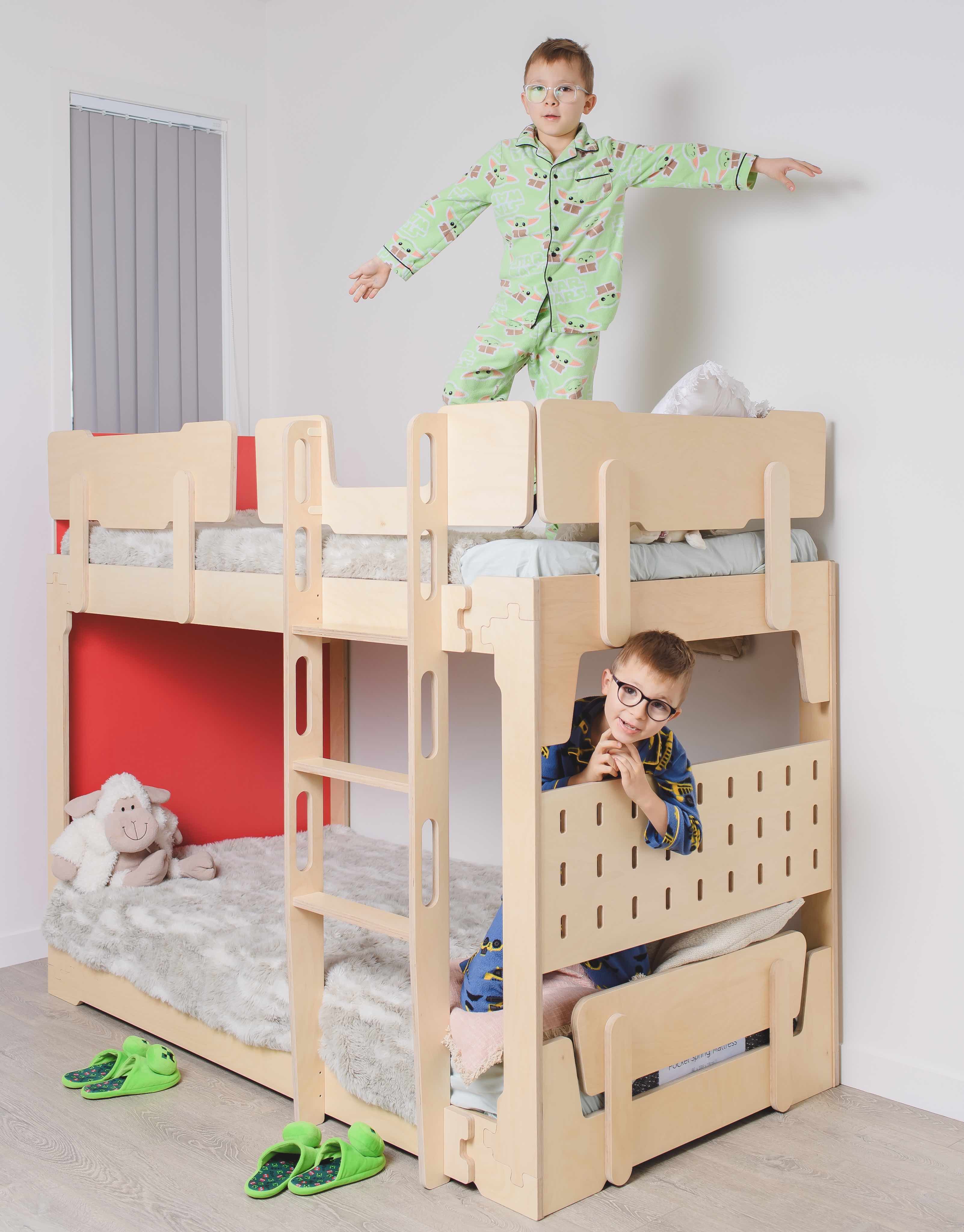
Guardrails are a must for any top bunk bed. They stop children from rolling out of bed while sleeping. The rails should cover both sides of the bed fully. Rails that are too low or have gaps can be dangerous.
The bed design should also avoid sharp edges or corners. Smooth, rounded edges reduce the risk of injury. The space between guardrails should be small enough to prevent children from slipping through or getting stuck.
Sturdy Ladder Requirements
A strong, stable ladder is key for safe access to the top bunk. The ladder must be firmly attached to the bed frame. Loose or wobbly ladders increase fall risks.
Steps should be wide and have non-slip surfaces. This helps children climb up and down safely, even in the dark. The ladder angle should be comfortable to use and not too steep.

Credit: maxandlily.com
Creating A Safe Sleep Environment
Creating a safe sleep environment is key for kids using a top bunk bed. Safety helps kids feel calm and sleep well. Parents must check many details before letting kids sleep on the top bunk. This keeps risks low and comfort high.
Parents should think about mattress size, bed setup, and lighting. These parts work together to protect kids and help them rest well. Careful planning makes the top bunk a safe place for sleep.
Proper Mattress Size And Thickness
Choose the right mattress size to fit the top bunk frame well. A mattress that is too big can cause gaps. Gaps between mattress and bed frame can trap kids or cause falls. A mattress that is too small may move too much during sleep.
Mattress thickness matters too. Too thick a mattress lowers guardrails, raising fall risk. Too thin a mattress may be uncomfortable and cause pressure points. Pick a mattress that fits snugly and stays below guardrails.
Room Setup And Lighting
Place the bunk bed away from windows and heaters. This avoids drafts, bright lights, or heat near the bed. Clear the floor around the bed to stop trips and falls.
Use soft night lights near the bunk bed. Kids may need to see steps or rails in the dark. Night lights prevent accidents and help kids feel secure. Avoid bright overhead lights that can disturb sleep.
Training Kids For Top Bunk Use
Training kids to use the top bunk safely is very important. It helps them feel confident and prevents accidents. Teaching the right skills and rules makes the experience fun and safe. Start training only when kids are ready and mature enough for the challenge.
Practice and patience are key. Show children how to climb and get down safely. Set clear rules and always watch them closely. This way, kids learn good habits early and stay safe on the top bunk.
Climbing And Descending Techniques
Teach kids to use both hands when climbing the ladder. One hand on each rung keeps balance steady. Climb slowly, step by step. Teach them to face the ladder, not sideways. Show how to hold the side rails firmly.
For descending, remind kids to look down and move carefully. One foot, then the other, always using the rails. No jumping or rushing. Practicing these steps builds good habits and reduces risks.
Rules And Supervision
Set clear rules for top bunk use. No rough play or jumping on the bed. Only one child on the top bunk at a time. Explain why rules matter for their safety. Remind kids to keep the ladder clear of toys and clutter.
Always supervise young children when they use the top bunk. Check that the guardrails are secure. Make sure they follow the climbing and descending rules. Supervision helps prevent falls and keeps children safe.
Alternatives To Top Bunk For Younger Kids
Young children may not be ready for the top bunk bed. Safety is the main concern. Alternatives help keep them safe and comfortable. Many parents choose other options that fit small rooms well. These choices give kids their own space without risk.
Bottom Bunk Options
The bottom bunk is the safest choice for younger kids. It is easy to climb in and out of. No need to worry about falls from height. Some bunk beds come with guardrails on the bottom bunk too. This keeps toddlers secure while they sleep. The bottom bunk also feels cozy and private. It helps children feel safe and calm at night.
Other Space-saving Beds
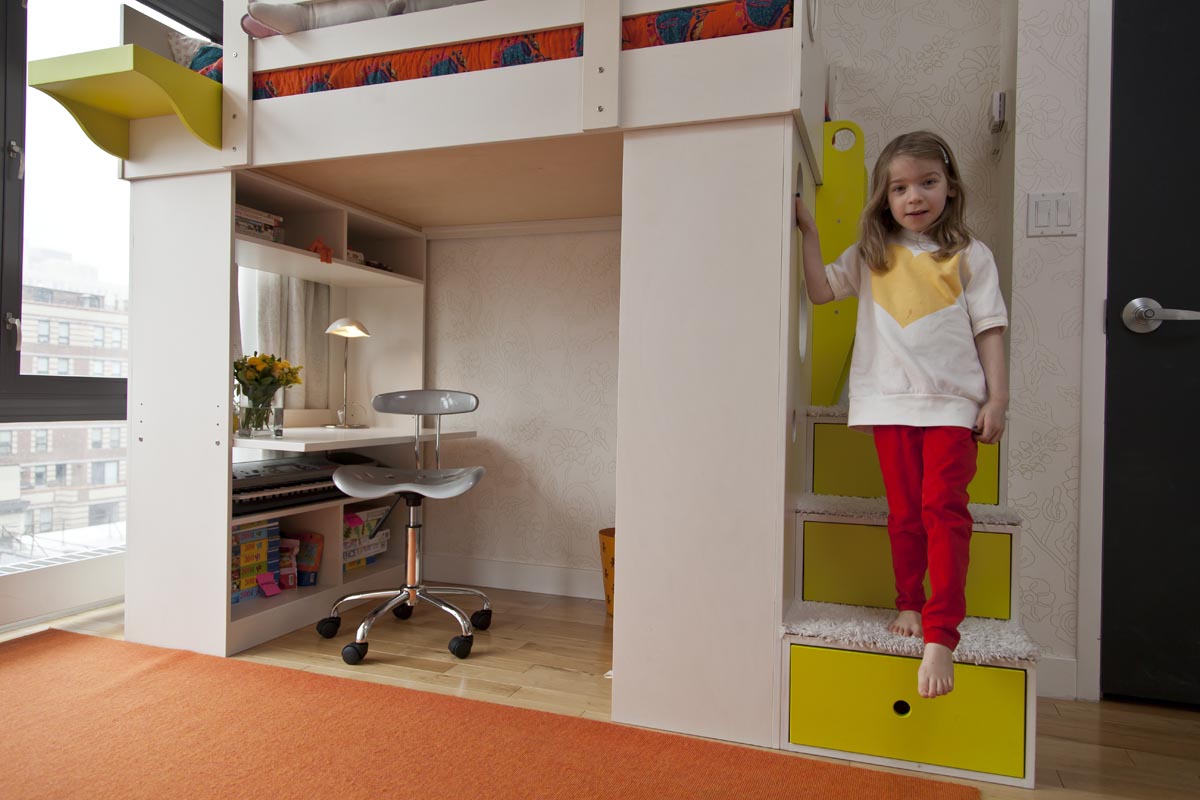
Space-saving beds work well for small bedrooms. Loft beds with play areas underneath offer fun and rest. Trundle beds slide out for sleep and tuck away by day. Bunk beds with desks or storage add extra function. These beds use room space smartly without needing a top bunk. Kids get their own spot to sleep and play safely.
Credit: kitsmart.co.nz
Frequently Asked Questions
What Is The Recommended Age For Kids To Use Top Bunk Beds?
Experts recommend kids be at least 6 years old before sleeping on top bunks. This age reduces injury risks. Younger children may struggle with climbing and balancing safely.
Are Top Bunk Beds Safe For Children Under 6?
No, top bunk beds are not safe for children under 6 years. Younger kids have higher fall risks and lack coordination needed for climbing ladders safely.
How Can Parents Ensure Safety On Top Bunk Beds?
Parents should install guardrails and sturdy ladders, and teach safe climbing habits. Also, place the bed away from ceiling fans or windows to avoid accidents.
What Are The Main Risks Of Kids Sleeping On Top Bunks?
Falls are the primary risk, especially during climbing or rolling over in sleep. Head injuries and fractures can occur if safety precautions aren’t followed properly.
Conclusion
Choosing the right age for kids to sleep on a top bunk bed is important. Safety should always be the first concern. Most experts suggest children be at least six years old. At this age, kids better understand rules and can climb safely.
Always use guardrails and teach your child how to use the ladder properly. Keep the room free of clutter to avoid accidents. Watching your child’s comfort and confidence helps decide when they are ready. A safe, fun bunk bed experience depends on these simple steps.