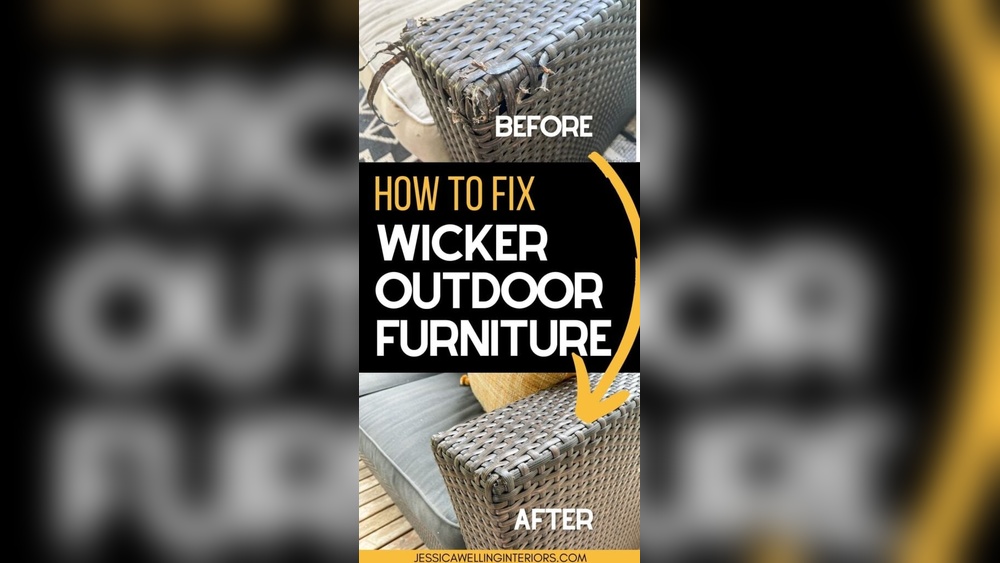
Your wicker outdoor furniture holds a special place in your garden or patio. Over time, exposure to sun, rain, and dust can make it look worn and tired.
But before you think about replacing it, what if you could bring it back to life? Imagine your wicker looking fresh, strong, and inviting again—ready for your next outdoor gathering. You’ll discover simple, effective steps to restore your wicker furniture.
By the end, you’ll know exactly how to make your outdoor space feel cozy and beautiful once more. Let’s get started!
Assessing The Damage
Before restoring wicker outdoor furniture, start by assessing the damage. This step helps you understand what repairs are needed. A clear assessment saves time and effort later. It ensures you focus on the right areas to bring your furniture back to life.
Identifying Common Issues
Check for broken or loose wicker strands. Look for areas where the weave is coming apart. Faded or worn spots show sun damage. Dirt and grime often settle in crevices. Mold or mildew may appear in shaded, damp areas. These are typical problems for outdoor wicker furniture.
Checking Structural Integrity
Test the frame by gently pressing and shaking it. Listen for creaks or feel for wobbling. Check joints and corners for looseness or cracks. Examine legs and supports for rust or rot. A strong frame is key to safe, lasting furniture. Weak frames need fixing before any cosmetic work.
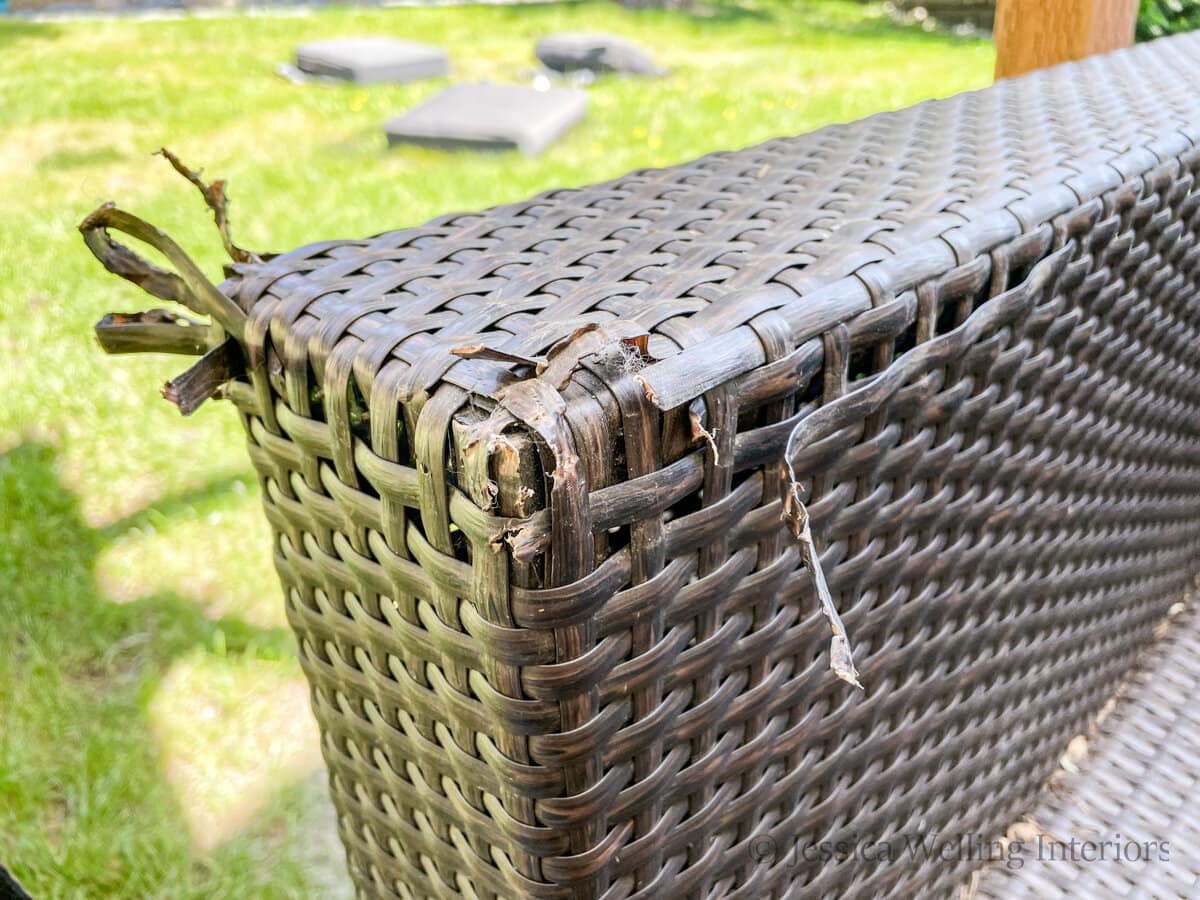
Credit: jessicawellinginteriors.com
Cleaning Your Wicker Furniture
Cleaning your wicker furniture is the first step to bring it back to life. Dirt and dust can hide in the crevices and wear down the fibers. Regular cleaning helps keep your furniture strong and beautiful. It also prepares the surface for any repairs or treatments.
Removing Dirt And Debris
Start by brushing off loose dirt with a soft brush. A vacuum with a brush attachment works well too. Pay attention to corners and tight spots where dust gathers. Use a dry cloth to wipe down the surface gently. Avoid using too much force to prevent breaking the wicker.
Using The Right Cleaning Solutions
Mix mild soap with warm water for an effective cleaning solution. Avoid harsh chemicals that can damage the wicker. Dip a soft cloth or sponge into the soapy water and wring it out well. Clean the furniture by wiping it gently. Rinse with a damp cloth to remove soap residue. Let the furniture dry completely in fresh air, not direct sun.
Repairing Broken Or Loose Weaves
Repairing broken or loose weaves in wicker outdoor furniture is important. It keeps your furniture strong and looking good. Fixing weaves prevents further damage. It also saves money on replacements. This section shows how to repair weaves carefully and easily.
Tools And Materials Needed
- Replacement wicker or rattan strips
- Scissors or small snips
- Wood glue or waterproof adhesive
- Small paintbrush for glue
- Clamps or clothespins
- Sandpaper (fine grit)
- Soft cloth for cleaning
- Spray water bottle (optional)
Step-by-step Repair Techniques
- Clean the damaged area with a soft cloth.
- Trim loose ends carefully with scissors.
- Soak new wicker strips in water to make them flexible.
- Weave the new strip into the furniture, following the original pattern.
- Apply wood glue to secure the ends of the new weave.
- Press the glued parts with clamps or clothespins.
- Let the glue dry for several hours or overnight.
- Lightly sand any rough edges once dry.
- Wipe the area clean and check the repair.

Credit: rattanyard.com
Sanding And Smoothing Surfaces
Sanding and smoothing surfaces is a key step in restoring wicker outdoor furniture. It removes old paint, dirt, and rough patches. This process prepares the wicker for a fresh coat of paint or sealant. Smooth surfaces help the finish stick better and last longer. Take your time to get an even, clean surface.
Choosing The Right Sandpaper
Pick sandpaper with the right grit for wicker. Start with medium grit, around 120, to remove rough spots. Use fine grit, about 220, to smooth the surface after. Avoid very coarse sandpaper; it can damage delicate wicker strands. Sand gently to keep the wicker from breaking. Sanding blocks or sponges work well on curved shapes.
Preparing For Finishing
After sanding, clean dust and debris from the wicker. Use a soft brush or cloth to reach small gaps. Let the furniture dry completely before finishing. Check for splinters or rough edges, and sand again if needed. A smooth, clean surface helps paint or sealant spread evenly. Proper preparation ensures a fresh, lasting look for your wicker.
Applying Protective Finishes
Applying protective finishes is an important step in restoring wicker outdoor furniture. It helps keep the furniture safe from sun, rain, and dirt. Finishes also bring out the natural beauty of the wicker. The right finish can make your furniture last longer and look fresh.
Selecting Suitable Paints Or Stains
Choose paints or stains made for outdoor use. These products resist fading and peeling. Pick a color that suits your style and the furniture’s look. Use water-based paints or stains for easy cleaning and less odor. Test a small area first to see how the wicker reacts. Apply thin, even coats for the best finish. Let each coat dry fully before adding another.
Sealing For Weather Resistance
Sealing your wicker furniture protects it from water and sun damage. Use a clear outdoor sealer made for wicker or wood. Spray or brush the sealer evenly over all surfaces. Focus on corners and crevices where water can gather. Allow the sealer to dry in a dust-free area. Reapply the sealer every year for ongoing protection. This step helps prevent cracks, mold, and fading.

Credit: www.lazysusanfurniture.co.uk
Maintaining Restored Furniture
Restoring wicker outdoor furniture brings it back to life. Maintaining it keeps the beauty and strength for years. Regular care helps avoid damage and costly repairs. Simple habits protect your furniture from weather and wear.
Regular Cleaning Tips
Dust and dirt build up quickly on wicker. Clean your furniture often to keep it fresh. Use a soft brush or vacuum with a brush attachment. Wipe with a damp cloth and mild soap. Avoid soaking the wicker to prevent damage. Rinse gently with water and dry in shade. Clean cushions separately to avoid mildew and stains.
Storage And Seasonal Care
Store wicker furniture indoors during harsh weather. Cover with breathable furniture covers if left outside. Avoid plastic covers that trap moisture and cause mold. Place furniture on a raised surface to stop water damage. In winter, keep pieces in a dry, cool place. Bring cushions inside and store them in sealed bags. Check furniture regularly for signs of wear or damage. Early fixes stop small problems from growing.
Frequently Asked Questions
How Do I Clean Wicker Outdoor Furniture Before Restoration?
Use a soft brush to remove dust and debris. Mix mild soap with water. Gently scrub wicker with a sponge. Rinse with clean water. Let it dry completely before restoring.
What Materials Are Needed To Restore Wicker Furniture?
You need mild soap, water, soft brush, sandpaper, paint or varnish, and a clear sealant. Optional: wood glue for repairs. These materials help clean, repair, and protect the furniture.
Can I Restore Damaged Wicker Strands?
Yes, you can repair small breaks with wood glue. For larger damage, replace broken strands with new wicker. Ensure the new pieces match the original color and texture.
How Often Should I Restore Wicker Outdoor Furniture?
Restore your wicker furniture every 1-2 years, depending on exposure. Regular cleaning and sealing extend its life. Timely restoration prevents costly repairs and maintains appearance.
Conclusion
Restoring wicker outdoor furniture brings new life to old pieces. Clean the furniture gently and fix any broken strands. Use proper paint or sealant to protect it from weather. Regular care keeps your wicker looking fresh and strong. Enjoy your outdoor space with furniture that feels like new.
Small steps make a big difference in maintenance. Your wicker will last longer and stay beautiful. Simple restoration can save money and add charm to your patio. Try these tips and see the improvement yourself.