Have you ever wondered what the right age is to put your toddler in bed on their own? You’re not alone.
Deciding when to make this change can feel confusing and even overwhelming. You want what’s best for your child’s sleep and your peace of mind, but there’s no one-size-fits-all answer. You’ll discover practical tips and expert advice to help you find the perfect moment for your toddler’s bedtime transition.
Keep reading to learn how to make this important step easier for both you and your little one.
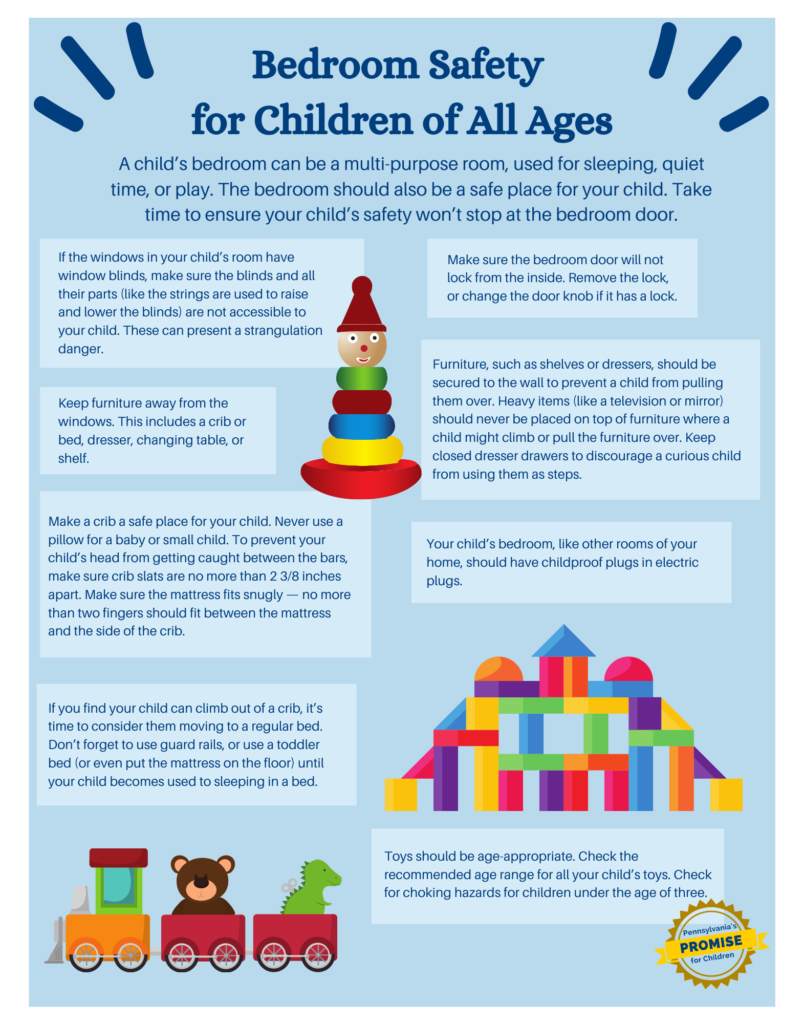
Credit: papromiseforchildren.com
Ideal Toddler Bedtime Ages
Choosing the right bedtime for toddlers matters a lot. It helps them grow, stay healthy, and feel happy. Parents often ask about the best age to set a regular bedtime. The answer depends on many things, including the child’s needs and family routines.
Typical Age Ranges
Most toddlers start having a regular bedtime between 1 and 3 years old. At this stage, they usually need about 11 to 14 hours of sleep daily. This amount includes naps and night sleep. By age 2, many toddlers follow a consistent sleep schedule. Bedtime often falls between 7 and 8:30 pm. Around age 3, children may drop naps and sleep longer at night. Bedtimes might shift slightly earlier or later based on the child’s habits.
Factors Influencing Bedtime
Every child is different. Some toddlers need more sleep than others. Their energy levels, health, and mood can change bedtimes. Family schedules also play a big role. Parents’ work hours and other routines impact when kids go to bed. The child’s daytime activities matter too. Active days can mean earlier bedtimes. Some toddlers resist sleep, needing gentle routines to help them. Watching your child’s cues is key to choosing the best bedtime.

Credit: www.poudrevalleyeyecare.com
Signs Your Toddler Is Ready
Knowing the right time to put your toddler to bed helps create good sleep habits. Toddlers show clear signs when they are ready for a regular bedtime routine. Watching for these signs makes the transition easier for both parents and children.
Physical Indicators
Toddlers often become sleepy at the same time each day. Rubbing their eyes or yawning are strong clues. They might slow down and lose interest in play. Sometimes, they get fussy or clingy as tiredness sets in. These physical signals suggest their body needs rest.
Behavioral Clues
Changes in mood often hint at readiness for bed. A toddler may become irritable or cranky without clear reason. They might resist activities or avoid toys they usually enjoy. Some toddlers seek comfort, like hugging a favorite toy. These behaviors show they need a calming routine before sleep.
Creating A Bedtime Routine
Creating a bedtime routine helps toddlers feel safe and ready to sleep. It sets clear expectations and reduces fuss at night. A good routine makes bedtime easier for both parents and children.
Start the routine early and keep it simple. Toddlers respond well to predictability. Repeating the same steps each night helps them settle down quickly.
Consistent Schedule
Put your toddler to bed at the same time every night. A consistent schedule helps their body clock adjust. It makes falling asleep easier and keeps sleep patterns regular. Avoid late nights or big changes in bedtime.
Calming Activities
Choose quiet, soothing activities before bed. Reading a short story or singing soft songs works well. Avoid loud or active play. These calming actions help your toddler relax and prepare for sleep.
Common Sleep Challenges
Toddlers often face sleep problems that worry parents. Common sleep challenges can make bedtime hard. Understanding these issues helps parents find better solutions. Toddlers’ sleep patterns change as they grow. These changes can cause trouble falling or staying asleep.
Resistance To Sleep
Toddlers may refuse to go to bed. They might ask for more stories or water. Some want to stay near parents longer. This behavior tests patience and routines. Setting clear and calm bedtime rules helps. Consistency is key to ease resistance.
Night Wakings
Many toddlers wake up during the night. They may cry or call for parents. Night wakings disrupt both child and parent sleep. Causes include hunger, fear, or discomfort. Comforting without creating bad habits is important. A gentle approach helps toddlers learn to sleep again.
Expert Tips For Smooth Transitions
Changing your toddler’s bedtime can feel challenging. Smooth transitions help your child adjust without stress. Experts suggest simple steps to make this easier. These tips keep your toddler calm and happy at bedtime.
Using gentle methods helps your toddler feel safe. Consistency and patience are key to success. Here are some expert tips for smooth bedtime changes.
Gradual Changes
Shift bedtime by 10 to 15 minutes every few days. This slow change helps your toddler get used to the new time. Sudden shifts can cause confusion and fussiness. Keep the bedtime routine the same to provide comfort. This creates a sense of security during change.
Positive Reinforcement
Praise your toddler for going to bed on time. Use kind words and gentle hugs to encourage good habits. Small rewards, like a favorite story, can motivate your child. Positive attention makes bedtime a happy moment. Avoid scolding or pressure, which can make bedtime stressful.
Parental Role In Toddler Sleep
Parents play a key role in shaping their toddler’s sleep habits. Their actions help toddlers feel safe and calm at bedtime. Toddlers learn routines and boundaries through consistent care. This guidance builds healthy sleep patterns that last.
Parents also provide comfort when toddlers feel scared or restless. This support helps toddlers relax and fall asleep more easily. Toddlers depend on their parents to create a peaceful bedtime environment. Careful attention to these needs makes bedtime smoother for both.
Setting Boundaries
Clear rules help toddlers understand when it is time to sleep. Parents decide on a regular bedtime that fits the child’s needs. Sticking to the same time every night creates a strong routine. Limits on screen time and play before bed improve sleep quality. Consistency helps toddlers know what to expect and feel secure.
Emotional Support
Toddlers often need reassurance as they adjust to bedtime. Parents comfort them with soft voices and gentle touches. Reading a favorite story or singing a lullaby calms anxious feelings. Showing patience when toddlers resist sleep builds trust. Emotional support makes bedtime a safe, loving experience.
When To Seek Professional Help
Deciding the right time to put your toddler to bed can be tricky. Some toddlers sleep well, while others face challenges. Knowing when to seek professional help is important. It ensures your child gets the support they need for healthy sleep habits.
Persistent Sleep Issues
Sleep problems that last for weeks need attention. Trouble falling asleep, frequent night waking, or restless sleep can affect your toddler’s mood and growth. If sleep troubles continue despite your efforts, talking to a doctor or sleep specialist helps. They can find underlying causes and suggest solutions.
Developmental Concerns
Sleep problems can sometimes relate to your toddler’s development. Delays in speech, movement, or social skills along with sleep issues need evaluation. Professionals can check if sleep affects your child’s growth. Early help can improve both sleep and development outcomes.

Credit: www.amazon.com
Frequently Asked Questions
At What Age Should Toddlers Start A Bedtime Routine?
Toddlers typically benefit from a bedtime routine starting around 1 to 2 years old. A consistent routine helps them feel secure and signals sleep time. This habit promotes better sleep quality and eases the transition to independent sleeping.
When Is The Best Age To Put A Toddler In Their Own Bed?
Most toddlers transition to their own bed between 18 months and 3 years. This age range supports their growing independence while ensuring comfort. It varies based on the child’s readiness and family preferences.
How Does Toddler Sleep Schedule Change With Age?
Toddlers gradually need less daytime sleep as they grow. By age 3, many drop their afternoon nap. Consistent bedtime and wake time help regulate their sleep cycle, improving mood and development.
What Signs Indicate A Toddler Is Ready For Bedtime?
Signs include resisting naps, rubbing eyes, yawning, or becoming irritable. These cues suggest your toddler is tired and ready for sleep. Responding promptly to these signs helps establish healthy sleep habits.
Conclusion
Choosing the right age to put your toddler to bed varies for each child. Watch their cues and adjust bedtime routines slowly. Consistency helps toddlers feel safe and sleep better. Keep bedtime calm and simple to ease the transition. Trust your instincts and stay patient through changes.
Every family finds its own rhythm over time. Good sleep habits now build healthy rest for the future.