Looking to create a sturdy and stylish bunk bed for your home? Building one yourself might sound tricky, but with the right tools and a simple technique, you can do it confidently.
Using carriage bolts is a smart way to make your bunk bed strong and safe. In this guide, you’ll discover easy steps to assemble your bunk bed using these bolts, even if you’re new to woodworking. Keep reading to learn how you can save money, customize your design, and build a bed that lasts for years.
Your perfect bunk bed is closer than you think!
Materials And Tools Needed
Gathering the right materials and tools is key to building a strong bunk bed. This step helps keep your project smooth and safe. Each item plays a part in making the bed sturdy and lasting.
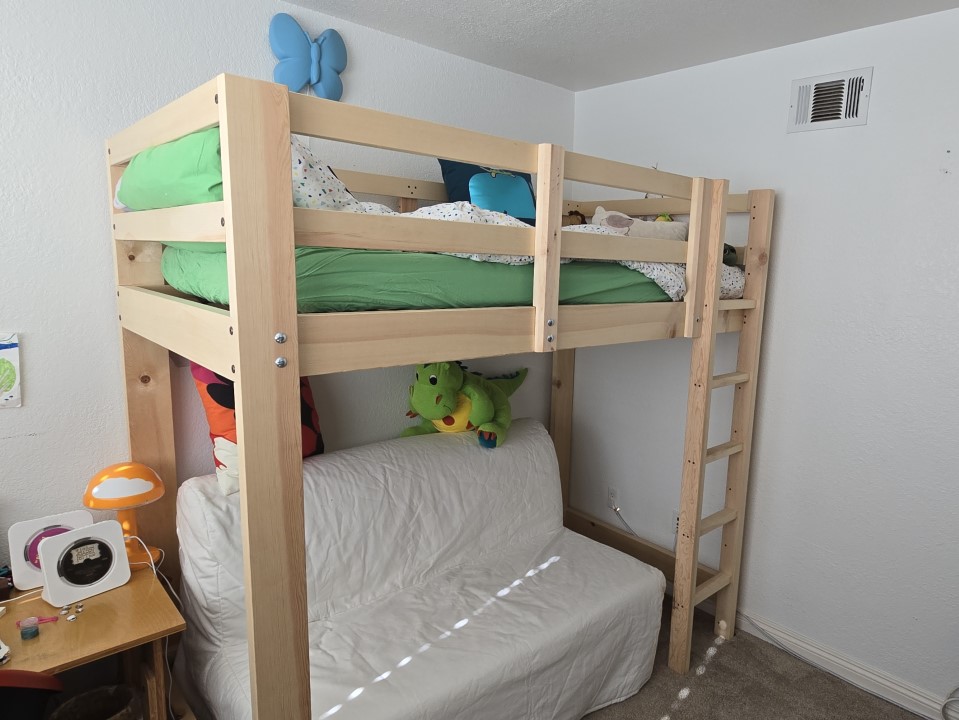
Carriage bolts are essential for holding the frame firmly. They fit well with wood and provide a clean look. Using the right tools ensures the bolts fit tight and secure.
Wood And Lumber
Choose solid wood planks for the frame and slats. Pine, oak, or fir work well. The wood should be dry and free of cracks or knots.
Carriage Bolts And Fasteners
Use carriage bolts with nuts and washers. Pick sizes that match the wood thickness. This keeps joints tight and prevents wobbling.
Power Drill And Drill Bits
A power drill helps make clean holes for bolts. Use drill bits that fit the bolt diameter. This makes assembly easier and faster.
Wrenches And Screwdrivers
Wrenches tighten the nuts on carriage bolts. Screwdrivers help with screws for extra support. Both tools ensure parts stay in place.
Measuring Tape And Pencil
Measure wood pieces accurately before cutting. Mark lines clearly with a pencil. Correct measurements avoid mistakes and save time.
Sandpaper Or Sander
Sand wood edges smooth to prevent splinters. A sander speeds up the job. Smooth surfaces improve safety and finish.
Safety Gear
Wear safety glasses and gloves during work. Protect your eyes from dust and wood chips. Gloves protect hands from rough wood and tools.
Credit: blog.mcfisch.com
Choosing The Right Wood
Choosing the right wood is key to building a strong bunk bed with carriage bolts. The wood must be safe, sturdy, and easy to work with. Picking good wood helps the bed last long and hold weight well.
Wood type affects the bed’s look and feel. Some woods are soft and easy to cut. Others are hard and very durable. The best wood balances strength and ease of use.
Hardwood Vs. Softwood
Hardwood comes from trees like oak, maple, and cherry. It is dense and strong. Hardwood holds carriage bolts tightly. It resists dents and scratches well.
Softwood comes from pine, fir, and cedar trees. It is lighter and easier to cut. Softwood is less expensive but can dent easily. Still, it works well for bunk beds.
Wood Strength And Durability
Strength matters for safety. The wood must support weight without bending. Hardwoods are usually stronger than softwoods. But thick softwood boards can also be strong enough.
Durability means the wood lasts without damage. Choose wood that resists moisture and insects. This keeps the bunk bed safe over time.
Wood Size And Grain
Choose straight boards with tight grain patterns. Straight grain is easier to drill and less likely to split. Wide boards can reduce the number of joints needed.
Avoid wood with knots or cracks. These weak spots can break under pressure. Smooth, clean wood helps bolts hold tightly.
Measuring And Cutting The Wood
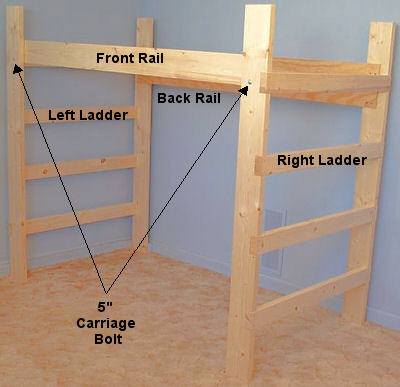
Measuring and cutting the wood is the first important step in building your bunk bed. Accurate measurements ensure all pieces fit together well. Cutting the wood to the right size helps keep the bed strong and safe. Take your time and focus on precision. This section guides you through marking and cutting wood correctly.
Marking Dimensions
Start by measuring the wood pieces with a tape measure. Use a pencil to mark the exact length on the wood. Mark both ends clearly to avoid mistakes. Double-check each measurement before making any cuts. Use a square tool to draw straight lines across the wood. This helps ensure your cuts are straight and accurate. Clear marks make cutting easier and reduce errors.
Safe Cutting Techniques
Always wear safety goggles and gloves before cutting wood. Use a saw that fits the wood thickness and type. Hold the wood steady with clamps or on a stable surface. Cut slowly along the marked line to keep control. Keep your fingers away from the saw blade at all times. Check your cut after finishing to make sure it is smooth and even. Sand any rough edges for a clean finish and safe surface.
Credit: nationalhomestore.com
Drilling Holes For Carriage Bolts
Drilling holes for carriage bolts is a key step in building a strong bunk bed. Proper holes ensure tight joints and a stable frame. Taking time to drill accurately prevents wood splitting and misaligned parts.
Use the right tools and techniques. This section guides you through selecting the drill bit size and placing holes precisely for the best results.
Selecting Drill Bit Size
Choose a drill bit slightly smaller than the bolt’s shaft. This lets the bolt fit tightly without too much force. For standard carriage bolts, match the bit to the bolt diameter, usually 3/8 or 1/2 inch.
Using a bit too large causes loose joints. Too small can crack the wood or stop the bolt from fitting. Check the bolt package for recommended drill size. Always test on scrap wood before drilling the actual parts.
Precise Hole Placement
Mark hole spots clearly on the wood surface. Measure twice to avoid mistakes. Use a pencil and a square tool for straight, even lines. Drill holes at least one inch from edges to prevent splitting.
Hold the drill steady and drill straight down. Tilting can cause uneven holes and weak joints. Use clamps to keep wood pieces still during drilling. Clean out wood chips from holes before inserting bolts.
Assembling The Bed Frame
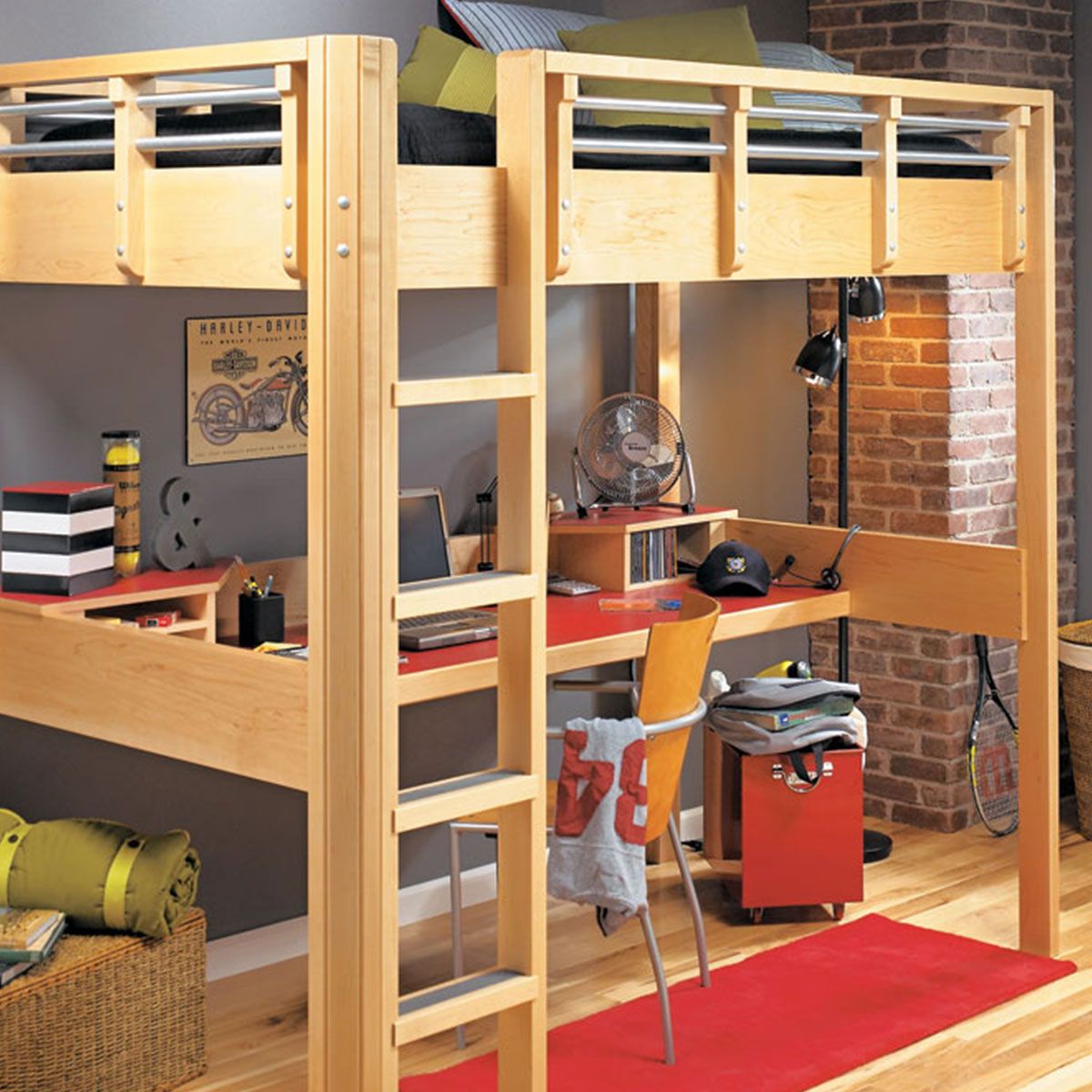
Assembling the bed frame is a key step in building a sturdy bunk bed. It requires careful attention to ensure all parts fit well. Using carriage bolts gives the frame strong joints that last long. This section guides you through aligning the wood pieces and securing the bolts properly.
Aligning Wood Pieces
Start by laying out all the wood pieces on a flat surface. Check each piece for any defects or warping. Align the side rails with the headboard and footboard carefully. Make sure the edges are flush and corners meet at right angles. Use clamps to hold the pieces together firmly. This keeps the frame stable while you work on bolting.
Inserting And Securing Bolts
Drill holes through the aligned wood at marked spots. The holes must match the diameter of your carriage bolts. Insert the carriage bolts through the holes, starting from the outside. The square neck of the bolt fits into the wood, preventing it from turning. Place washers and nuts on the inside end of each bolt. Tighten the nuts with a wrench, but avoid over-tightening. Check each bolt for a snug fit to keep the frame solid.
Credit: www.woodpeck.com
Adding Safety Features
Adding safety features to your bunk bed is very important. It helps prevent falls and injuries. A safe bunk bed gives peace of mind to parents and kids. Focus on two key safety parts: guardrails and ladder security. Both must be strong and well fixed. Use carriage bolts to keep everything tight and stable.
Installing Guardrails
Guardrails stop sleepers from rolling off the bed. Use sturdy wood pieces along the top bunk’s sides. Drill holes to fit carriage bolts through the rails and bed frame. Tighten bolts firmly to avoid any movement. Check the height of the guardrails. They should be at least five inches above the mattress top. This height keeps sleepers safe without blocking light or air.
Securing Ladder
The ladder must be steady and easy to climb. Attach it to the bed frame with carriage bolts on both top sides. This stops the ladder from wobbling or sliding away. Use washers with the bolts to spread pressure evenly. Make sure the ladder steps are not slippery. Sand them smooth or add grip tape for safety. Test the ladder by putting weight on it before use.
Finishing Touches
Finishing touches make your bunk bed safe and beautiful. They protect the wood and give it a smooth feel. A well-finished bunk bed lasts longer and looks great in any room. Focus on sanding and applying paint or stain to complete your project.
Sanding And Smoothing
Start by sanding all wood surfaces carefully. Use medium-grit sandpaper to remove rough spots. Then switch to fine-grit sandpaper for a smooth finish. Sand edges and corners well to avoid splinters. Wipe away dust with a clean cloth before moving on.
Applying Paint Or Stain
Choose paint or stain that fits your room’s style. Use a brush or cloth to apply evenly. Apply thin coats and let each dry fully before the next. Paint adds color and protection. Stain highlights the wood’s natural beauty. Finish with a clear sealant for extra durability.
Tips For Maintenance And Safety
Maintaining and ensuring safety for your bunk bed is very important. A well-maintained bed stays strong and safe for years. Following simple tips helps keep the bed stable and secure. Regular checks and care prevent accidents and damage.
Inspect Carriage Bolts Regularly
Check all carriage bolts often. Tighten any loose bolts with a wrench. Loose bolts can make the bed shaky and unsafe. Look for signs of rust or wear. Replace damaged bolts quickly to keep the bed strong.
Clean The Bed Frame
Dust and dirt can build up on the bed frame. Wipe the frame with a damp cloth every few weeks. Avoid using harsh chemicals that damage the wood or metal. Keeping the frame clean helps you spot problems early.
Check The Bed For Stability
Test the bed for any wobbling or movement. Push gently on different parts to see if it shifts. Tighten bolts and screws as needed to stop shaking. A stable bunk bed is safer for children and adults.
Use Safety Rails And Ladders Properly
Make sure safety rails are firmly attached. Check ladders for secure bolts and no cracks. Teach children how to use ladders safely. Proper use reduces the risk of falls and injuries.
Replace Worn Or Damaged Parts
Look at the wood and metal parts closely. Replace any pieces that show cracks or damage. Weak parts reduce the bed’s strength and safety. Using quality replacements keeps the bed reliable.
Frequently Asked Questions
What Tools Are Needed To Build A Bunk Bed With Carriage Bolts?
You need a drill, wrench, screwdriver, measuring tape, and a saw. Carriage bolts, washers, and nuts are essential for secure assembly. Safety gear like goggles and gloves is also recommended.
Why Use Carriage Bolts For Bunk Bed Construction?
Carriage bolts provide a strong, secure hold with a smooth, rounded head. They reduce the risk of snagging and create a clean finish. Their square neck prevents the bolt from spinning during tightening.
How To Ensure Bunk Bed Stability Using Carriage Bolts?
Tighten bolts evenly and use washers to distribute pressure. Check all connections regularly and reinforce joints if needed. Properly aligned holes and snug fittings enhance stability and safety.
Can I Build A Bunk Bed Without Professional Help?
Yes, with basic woodworking skills and proper tools, you can. Follow step-by-step instructions and safety precautions carefully. Using carriage bolts simplifies assembly and increases the bed’s durability.
Conclusion
Building a bunk bed with carriage bolts is simple and strong. Carriage bolts hold the parts tightly together. This makes the bed safe and stable. Follow the steps carefully and measure twice. Take your time while drilling and tightening bolts.
The result is a durable bunk bed for kids or guests. Enjoy the pride of building furniture yourself. This project saves money and adds a personal touch. Now, you have a sturdy bunk bed made with your own hands.