If you have a toddler and a bunk bed at home, you know how quickly curiosity can turn into a risky climb. You want your little one to explore and grow, but their safety comes first.
Preventing your toddler from climbing the bunk bed isn’t just about saying “no”—it’s about creating a safe space where they can play and rest without danger. You’ll discover simple, effective ways to keep your child safe while giving you peace of mind.
Keep reading to learn how you can protect your toddler from falls and accidents before they happen.
Risks Of Toddler Climbing Bunk Beds
Toddlers climbing bunk beds face many risks. These risks can lead to serious injuries and hazards. Parents and caregivers must understand these dangers to keep toddlers safe. Knowing why toddlers climb also helps prevent accidents. Safety starts with awareness.
Common Injuries And Hazards
Falls from bunk beds can cause broken bones and head injuries. Sharp edges on bunk beds may cause cuts and bruises. Toddlers can get stuck between bed rails or under the bed. Climbing may lead to falls on hard floors, causing serious harm. Unsafe climbing can cause furniture to tip over. These risks make bunk beds dangerous for young children.
Why Toddlers Are Drawn To Climbing
Toddlers love to explore and test their limits. Climbing gives them a sense of freedom and adventure. They see older siblings or adults climb and want to try too. Curiosity drives toddlers to reach higher places. Climbing helps develop their muscles and coordination. Understanding these reasons helps parents guide toddlers safely.
Choosing Safe Bunk Beds
Choosing a safe bunk bed is key to keeping toddlers secure. The right bed lowers the risk of falls and injuries. Parents must think about safety first when buying bunk beds. Good choices help prevent toddlers from climbing dangerously. This section explains what to check before buying.
Features To Look For
Pick bunk beds with strong guardrails on all sides. The rails should be high enough to stop falls. Ladder steps must be wide and slip-resistant. Rounded corners reduce the chance of bumps and cuts. Beds made of solid wood or metal last longer and stay stable. Check for no gaps where a toddler’s head or body can get stuck. Beds with lower top bunks are safer for young children.
Recommended Safety Standards
Choose bunk beds that meet safety rules set by trusted groups. Look for certification marks from the Consumer Product Safety Commission (CPSC). Beds should follow ASTM International standards for bunk bed safety. These rules cover guardrail height, ladder design, and mattress size. Confirm the bed has clear instructions for safe use. Following these standards means the bed is tested for toddler safety.
Installing Safety Measures
Installing safety measures on a bunk bed helps keep toddlers safe. These steps reduce risks of falls and injuries. Simple changes make a big difference in your child’s safety. Focus on strong barriers and secure ladders.
Guardrails And Barriers
Guardrails stop toddlers from falling off the top bunk. Choose rails that are tall and sturdy. Make sure they cover all open sides of the bed. Check that gaps between rails are small. This prevents a child from slipping through. Use rails made of solid wood or metal for strength. Tighten all screws and bolts regularly. Replace any broken parts immediately. Guardrails give parents peace of mind.
Securing The Ladder
Secure ladders keep toddlers from climbing unsafely. Attach the ladder firmly to the bed frame. Avoid loose or wobbly ladders that can tip. Add non-slip grips on ladder steps. This helps little feet hold tight. Place the ladder at a safe angle for easy climbing. Teach toddlers to use the ladder only with adult help. Lock or remove the ladder during naps or at night. This prevents climbing when not supervised.
Creating A Toddler-friendly Environment
Creating a toddler-friendly environment helps keep your child safe around bunk beds. Toddlers love to explore and climb. Without safe options, they might try to climb the bunk bed. Designing the room with their needs in mind reduces this risk. It also encourages healthy play and movement.
Focus on making the room fun and secure. Provide places where your toddler can climb safely. Keep the bunk bed area less tempting by offering other play spots. Use simple changes to guide your toddler’s energy in safe ways.
Alternative Play And Climbing Areas
Offer your toddler a small indoor climbing set or soft play blocks. These allow climbing without danger. A play tent or tunnel can also attract your child’s interest. Place toys and activities near these areas to encourage play there. This makes the bunk bed less exciting to climb.
Switch out climbing toys regularly to keep your toddler curious. Use colorful mats or cushions under climbing spots for safety. Praise your child for using these areas. Positive feedback helps build good habits quickly.
Safe Room Layout Tips
Arrange furniture to block easy access to the bunk bed ladder. Place a dresser or bookshelf next to the bed if possible. Keep the floor clear of chairs or boxes that help your toddler climb. Use gates or barriers if the bunk bed is in a shared room.
Remove sharp or hard objects from around the bed. Add soft rugs or foam tiles to soften falls. Ensure good lighting so your toddler sees the room well. A tidy, safe room lowers the chance of risky climbing.
Teaching Boundaries And Rules
Teaching boundaries and rules helps toddlers understand safe behavior. It guides them away from risky actions like climbing bunk beds. Clear rules create a safe space for play and sleep. Toddlers feel more secure when they know what is allowed. This section explains how to set clear limits and keep them consistent.
Clear Communication Strategies
Use simple words to explain the rules about bunk beds. Speak calmly and clearly. Show your toddler what is safe and what is not. Use short sentences like “No climbing on the bunk bed.” Repeat these rules often. Use pictures or gestures to help them understand better. Make sure your tone is firm but kind. Help your child see that the rules keep them safe.
Consistent Reinforcement Techniques
Always remind your toddler about the bunk bed rules. Praise them when they follow the rules correctly. Use gentle but firm reminders if they try to climb. Avoid yelling or harsh punishments. Consistency helps toddlers learn faster. Make sure all caregivers follow the same rules. This way, your toddler gets clear and steady messages. Consistent actions build trust and safety habits.

Credit: www.amazon.ae
Using Technology And Monitoring
Technology helps parents keep an eye on toddlers easily. It offers tools to watch and alert parents about any climbing attempts. Using technology and monitoring can reduce risks around bunk beds.
Baby Monitors And Alarms
Baby monitors let parents hear and see their child from another room. Some have video cameras that show real-time images on a phone or tablet. Audio monitors alert parents if the child makes noise near the bunk bed.
Alarms can be placed on the bunk bed ladder or frame. They sound when the toddler tries to climb. This warns parents quickly and may stop the child from climbing again.
Smart Safety Devices
Smart safety devices connect to home Wi-Fi and send alerts to phones. They detect movement or touch on the bunk bed ladder. Parents get instant notifications to check on their child.
Some devices use sensors to block access to the ladder. This keeps toddlers from climbing without adult help. These tools add an extra layer of safety and peace of mind.
When To Transition Away From Bunk Beds
Deciding when to move your toddler away from a bunk bed is important for safety. Toddlers love to climb, but bunk beds can be risky. Knowing the right time to transition can help prevent falls and injuries. Watch your child closely. Their behavior and growth will guide your decision.
Signs Your Toddler Is Ready
Your toddler might climb out of bed often. This shows they want more freedom. If they get out of bed alone at night, it may be time. Look for signs of restlessness or trouble sleeping in bunk beds. Also, if they seem afraid of the height, consider a change. Safety should always come first.
Safe Alternatives To Bunk Beds
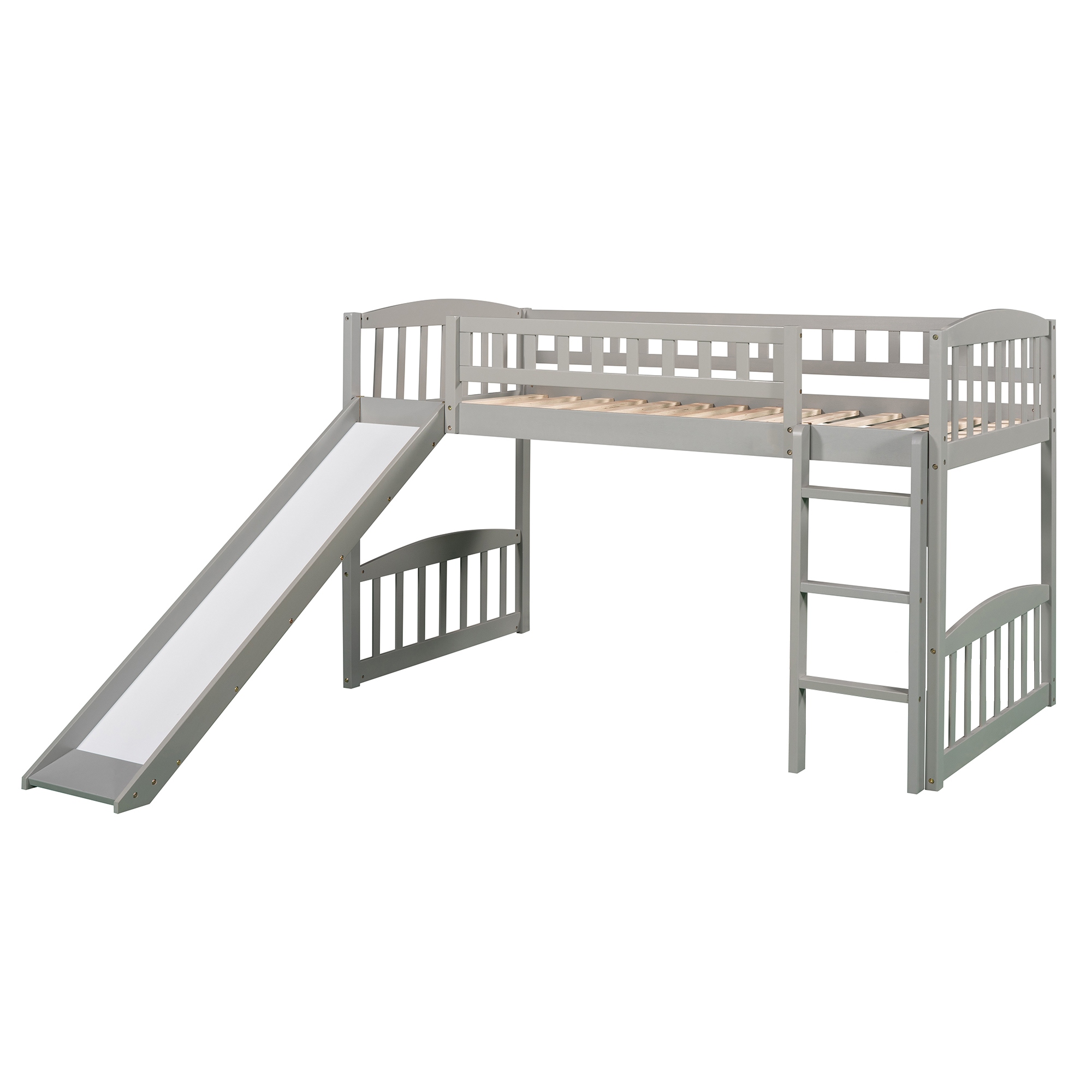
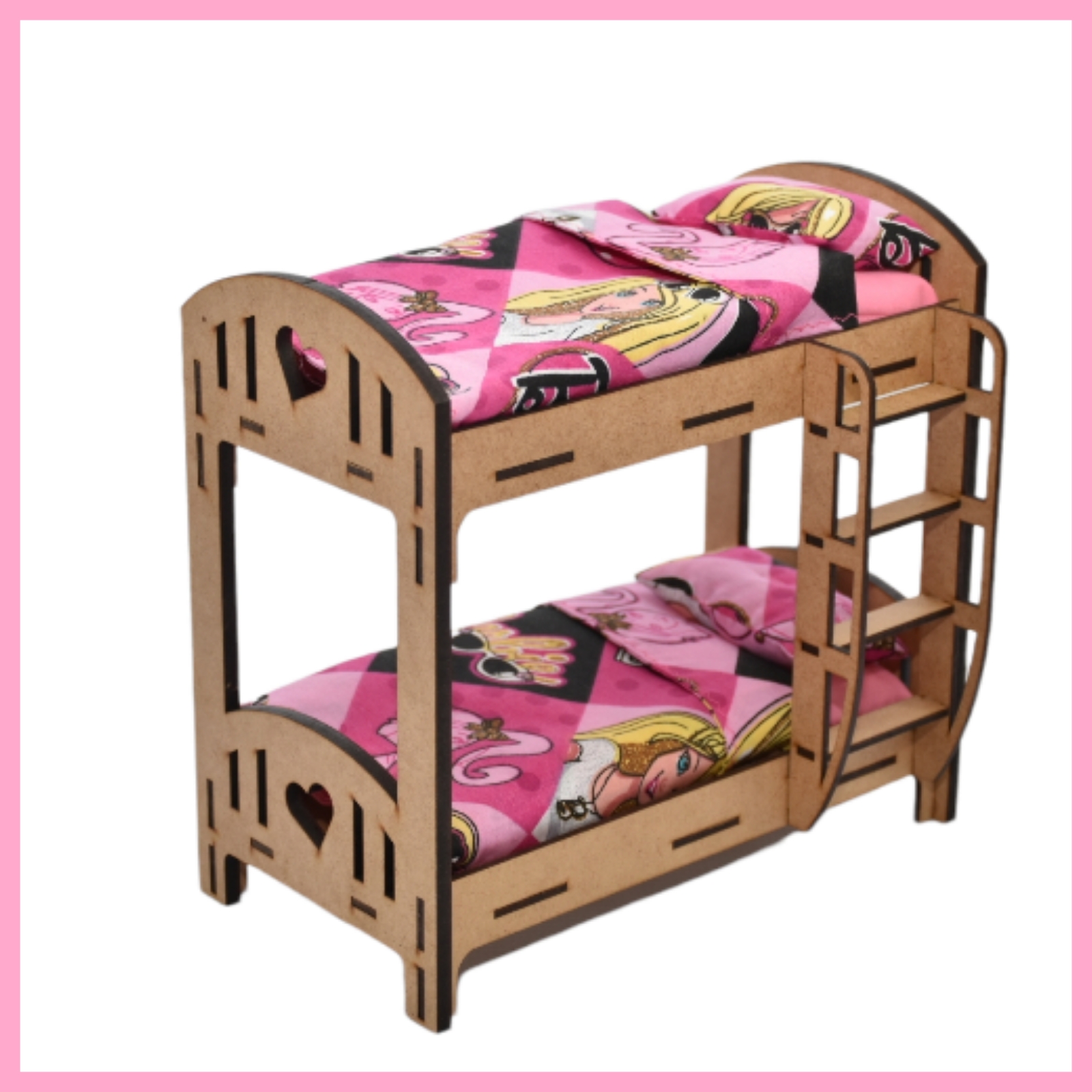
Low beds are a good option for toddlers. Floor beds or toddler beds keep them close to the ground. These beds reduce the risk of falls. You can add side rails for extra safety. Another choice is a bed with guardrails but no ladder. These options give comfort and security to your child.
Credit: www.erasolcaldaie.it
Credit: gianchand.com
Frequently Asked Questions
How Can I Stop My Toddler From Climbing Bunk Beds?
Create clear rules and explain dangers calmly. Use safety gates or barriers to block access. Supervise playtime closely. Reward good behavior to encourage safety habits.
Are Bunk Beds Safe For Toddlers?
Bunk beds can be risky for toddlers due to falls. Use only lower bunks for toddlers and add guardrails. Follow manufacturer age recommendations strictly for safety.
What Safety Measures Prevent Toddler Bunk Bed Accidents?
Install guardrails on all sides of the bunk bed. Use safety gates to restrict climbing. Keep ladders out of reach when not supervised. Remove tempting objects from the bed area.
When Is A Toddler Ready For A Bunk Bed?
Wait until your child is at least 6 years old. Ensure they understand safety rules well. Toddlers younger than 6 should avoid bunk beds to prevent injuries.
Conclusion
Preventing toddlers from climbing bunk beds keeps them safe and peaceful. Use guardrails and lock ladders when not in use. Teach your child that climbing is not allowed. Create a fun play area to reduce boredom. Always watch your toddler around bunk beds.
Small steps lead to big safety changes. Staying consistent helps your child learn rules better. Safety is a shared job between parents and kids. Keep your home safe and your toddler happy.