Are you tired of seeing your outdoor furniture fade, chip, or peel every season? Choosing the right paint can make all the difference in keeping your pieces looking fresh and vibrant year after year.
But with so many options out there, how do you know which paint will protect your furniture from sun, rain, and wear? You’ll discover the best types of paint for outdoor furniture—easy to apply, long-lasting, and designed to withstand the elements.
Keep reading, and you’ll learn exactly how to transform your outdoor space with paint that works as hard as you do.
Types Of Outdoor Paints
Choosing the right paint for outdoor furniture is important for lasting beauty and protection. Different types of paints offer various benefits. Understanding each type helps to pick the best option for your furniture. Here are the main types of outdoor paints to consider.
Latex Paint
Latex paint is water-based and easy to clean. It dries quickly and resists cracking. This paint works well on wood and metal. It is flexible, so it handles weather changes. Latex paint also has low odor, which makes it user-friendly.
Oil-based Paint
Oil-based paint is thicker and more durable. It provides a smooth, hard finish. This paint sticks well to surfaces like metal and wood. It resists moisture and stains better than latex. Oil-based paint takes longer to dry and needs solvents for cleanup.
Enamel Paint
Enamel paint creates a tough, glossy surface. It is ideal for outdoor furniture that faces rough use. This paint can be either oil-based or water-based. Enamel protects against rust, scratches, and weather damage. It offers a shiny finish that lasts long.
Chalk Paint
Chalk paint gives a matte, vintage look. It sticks well without much surface prep. This paint is popular for creative and decorative projects. Chalk paint can be sealed with wax or varnish for extra protection. It is easy to distress for a rustic style.
Factors Affecting Paint Durability
Choosing the right paint for outdoor furniture is not enough. The paint must last long under tough conditions. Several factors affect how long paint can protect and beautify your furniture. Understanding these factors helps select the best paint and keep your furniture looking new.
Weather Resistance
Outdoor furniture faces rain, wind, and temperature changes daily. Paint that resists these conditions prevents peeling and cracking. Weather-resistant paint forms a strong barrier against harsh elements. It keeps the wood or metal safe and maintains the furniture’s look.
Uv Protection
Sunlight can fade colors quickly. UV rays break down paint and cause it to lose shine. Paint with UV protection blocks harmful rays. It keeps colors bright and stops the paint from breaking down. UV protection is key for furniture in sunny spots.
Moisture Resistance
Water can damage outdoor furniture paint. Moisture causes swelling, bubbling, and mold growth. Paint with moisture resistance stops water from soaking in. It keeps the surface dry and strong. This paint is perfect for rainy or humid areas.
Surface Preparation
Paint sticks better on clean, smooth surfaces. Removing dirt, old paint, and rust improves paint durability. Sanding rough spots also helps. Proper surface preparation ensures the paint bonds well. This step is critical for long-lasting results.
Best Paint Finishes For Outdoor Furniture
Choosing the right paint finish for outdoor furniture is essential. It affects how the furniture looks and how long the paint lasts. Some finishes hide scratches better. Others shine more in the sunlight. This guide explains the best paint finishes for outdoor furniture.
Matte Finish
Matte finish has no shine. It gives a smooth, natural look to the furniture. This finish hides dirt and scratches well. It is perfect for a rustic or vintage style. Matte paint is less likely to show water spots. It works well in shady outdoor spaces.
Satin Finish
Satin finish has a soft shine. It reflects a little light, making furniture look fresh. This finish is easy to clean and resists moisture. Satin paint balances beauty and durability. It suits most outdoor furniture styles. Satin finish is a popular choice for porch chairs and tables.
Glossy Finish
Glossy finish shines brightly and looks smooth. It shows off colors in a bold way. This finish is very easy to clean. It resists dirt and stains well. Glossy paint highlights scratches more than other finishes. Use it on furniture that gets less wear and tear. It suits modern and sleek designs best.
Preparation Tips Before Painting
Preparing outdoor furniture before painting is very important. It helps the paint stick better and last longer. Proper preparation also makes the finish smooth and even. This step saves time and effort in the future.
Cleaning And Sanding
Start by cleaning the furniture. Remove dirt, dust, and old paint flakes. Use soap and water or a gentle cleaner. Let it dry completely before sanding. Sand the surface to make it smooth and rough enough for paint. Use medium-grit sandpaper for best results. Wipe away sanding dust with a damp cloth.
Priming The Surface
Apply a primer to the clean, sanded surface. Primer helps paint stick better and protects wood or metal. Use a primer made for outdoor use. Spread it evenly with a brush or roller. Allow it to dry as per the instructions. Priming prevents peeling and increases paint durability.
Repairing Damages
Check the furniture for cracks, holes, or loose parts. Fill small holes and cracks with wood filler or putty. Let the filler dry fully, then sand it smooth. Tighten or replace any loose screws or parts. Fixing damages ensures a strong and even surface for painting.
Application Techniques
Applying paint to outdoor furniture needs care and the right technique. The correct method helps the paint stick well and last longer. This section explains three common ways to apply paint. Each method suits different types of furniture and paint.
Brushing
Brushing is the most common method for painting outdoor furniture. Use a good quality brush with soft bristles. Dip the brush in paint and apply smooth, even strokes. Brush along the grain of the wood for best results. This method gives control and helps paint reach tight spots.
Rolling
Rolling works well on flat surfaces like table tops. Choose a small roller with a smooth cover to avoid bubbles. Roll paint evenly in one direction. Rollers cover large areas quickly and create a smooth finish. Avoid pressing too hard to prevent paint splashes.
Spraying
Spraying offers a fast way to cover outdoor furniture. Use a spray gun or aerosol spray paint. Hold the spray about 12 inches from the surface. Move the sprayer steadily side to side. Spraying gives a thin, even coat but needs a well-ventilated space. Mask off areas to protect from overspray.
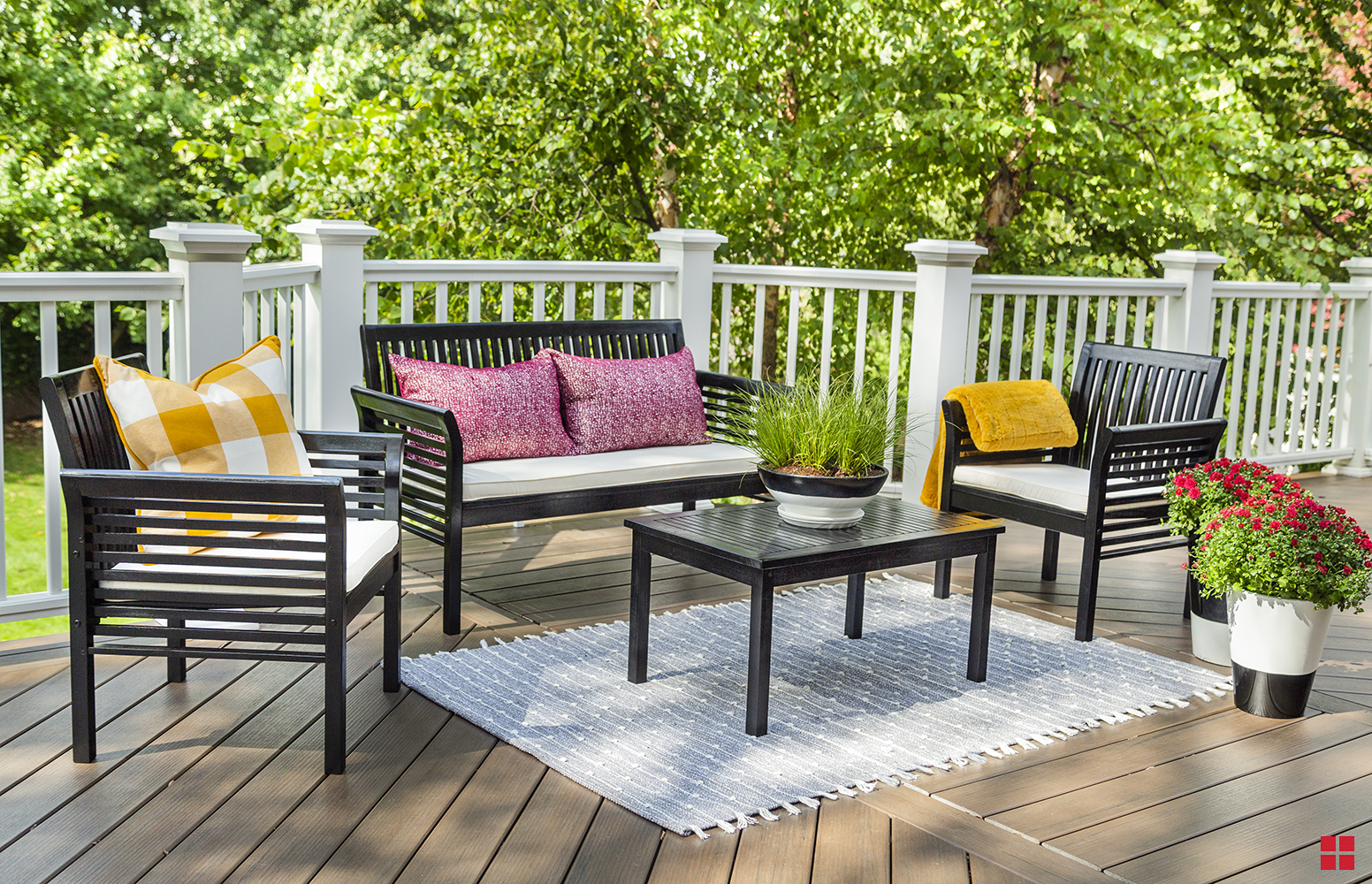
Credit: www.rustoleum.com
Maintenance For Painted Outdoor Furniture
Maintaining painted outdoor furniture helps keep it looking fresh and lasts longer. Proper care prevents paint from chipping and fading. Simple steps can protect your investment and save time.
Cleaning Tips
Use a soft brush or cloth to remove dirt and dust. Wash furniture with mild soap and water. Avoid harsh chemicals that can damage the paint. Rinse well and dry with a clean towel. Clean regularly to stop grime buildup.
Touch-ups
Check furniture for scratches or chips often. Lightly sand rough spots before painting. Use matching paint to cover small damaged areas. Allow paint to dry fully before using furniture. Touch-ups keep the furniture looking neat and protect wood or metal underneath.
Repainting Frequency
Most outdoor furniture needs repainting every 2 to 3 years. Paint wears faster in harsh weather or direct sunlight. Inspect paint yearly to spot fading or peeling. Repaint sooner if the surface feels rough or looks dull. A fresh coat keeps furniture safe and beautiful.
Eco-friendly And Safe Paint Options
Choosing the right paint for outdoor furniture is important for health and the environment. Eco-friendly and safe paints protect your family and reduce pollution. These paints do not release harmful chemicals into the air. They help your furniture last long while keeping nature safe.
Low Voc Paints
Low VOC paints contain fewer harmful chemicals called volatile organic compounds. These chemicals can cause headaches and breathing problems. Low VOC paints release less odor and pollution. They dry faster and are safer for your home and garden. Many brands offer low VOC options in different colors and finishes. These paints work well on wood, metal, and plastic furniture.
Natural Paint Alternatives
Natural paints use ingredients from plants and minerals. They have no toxic chemicals or synthetic additives. Examples include milk paint, clay paint, and plant-based oils. These paints are biodegradable and safe for children and pets. Natural paints give a beautiful, matte finish that ages nicely outdoors. They need fewer coats and can be touched up easily. Using natural paint helps support sustainable living and reduces waste.
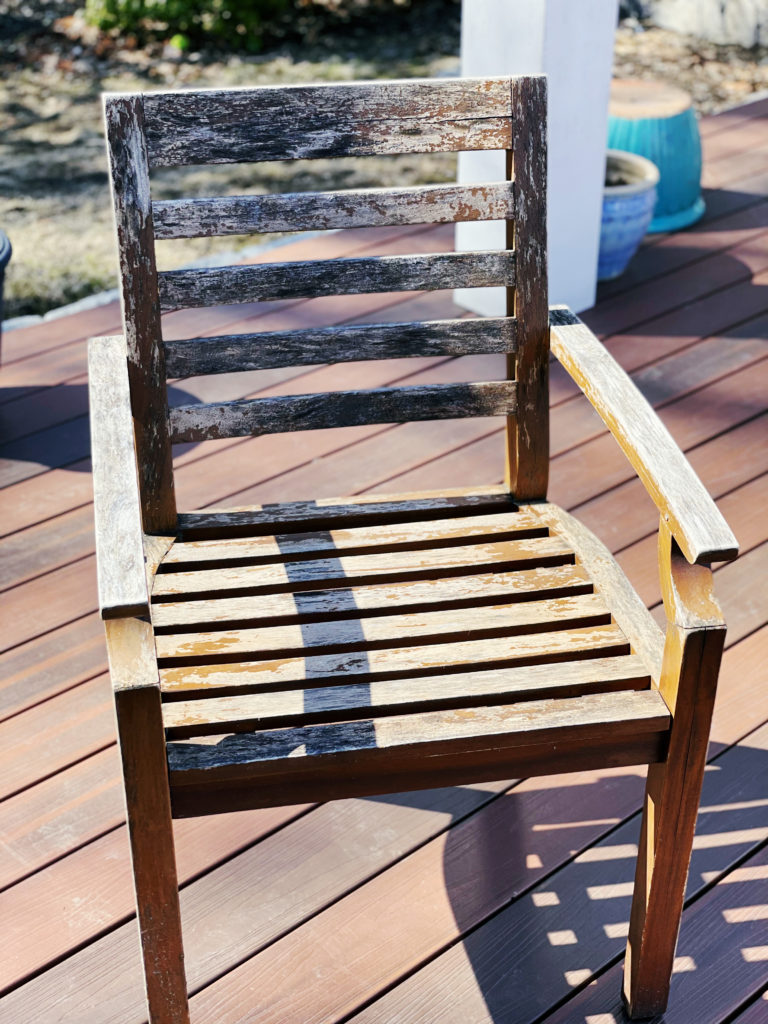
Credit: whitneysowles.com
Common Mistakes To Avoid
Choosing the right paint for outdoor furniture is important. Many people make simple mistakes that cause the paint to peel or fade quickly. Avoiding these errors helps your furniture look great longer. Here are common mistakes to watch out for.
Skipping Primer
Primer helps paint stick better to furniture surfaces. Without primer, paint may peel or chip soon after application. It also blocks stains and prevents rust on metal pieces. Always apply a primer before painting outdoor furniture.
Painting In Poor Weather
Weather affects how paint dries and cures. Painting on a rainy, humid, or very cold day can ruin the finish. Paint may drip, crack, or not dry properly. Choose a dry, mild day for the best results.
Using Indoor Paint Outdoors
Indoor paint is not made to handle outdoor conditions. It lacks protection against rain, sun, and temperature changes. Using indoor paint outside causes quick fading and peeling. Always use paint labeled for outdoor use.
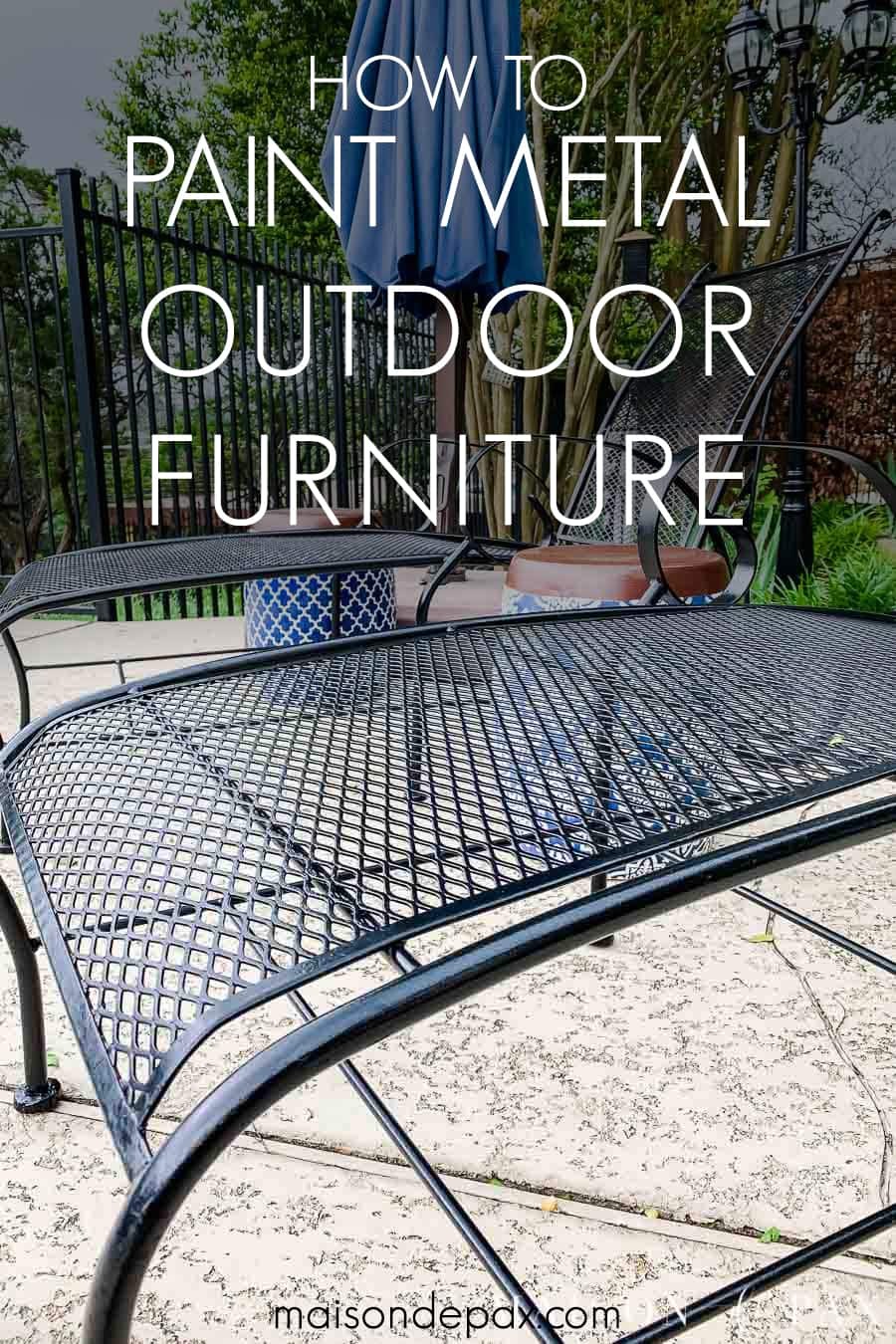
Credit: www.maisondepax.com
Frequently Asked Questions
What Type Of Paint Is Best For Outdoor Furniture?
Acrylic latex paint is best for outdoor furniture. It resists moisture, fading, and cracking. It provides a durable, flexible finish ideal for weather exposure.
Can I Use Spray Paint On Outdoor Furniture?
Yes, spray paint designed for outdoor use works well. It offers even coverage and quick drying. Choose spray paints labeled for exterior and rust protection.
How Do I Prepare Outdoor Furniture Before Painting?
Clean the surface thoroughly and remove old paint. Sand the furniture to create a smooth surface. Use a primer to ensure better paint adhesion and durability.
Is Oil-based Paint Suitable For Outdoor Furniture?
Oil-based paint offers strong adhesion and durability but takes longer to dry. It’s good for metal and wood but requires proper ventilation during application.
Conclusion
Choosing the right paint protects your outdoor furniture for years. Use paint made for outdoor use to fight weather damage. Always prepare surfaces well before applying paint for best results. A good paint job keeps furniture looking fresh and new.
Regular maintenance extends the life of your painted pieces. Paint color and finish also affect durability and style. Take your time selecting paint to enjoy beautiful outdoor furniture longer. Simple steps can save money and effort in the future.