Are you wondering if Danish oil is the right choice for your outdoor furniture? You want your pieces to look great and stay protected against the weather.
But not all finishes work well outside. Using the wrong product can lead to peeling, fading, or worse damage. You’ll discover how Danish oil performs on outdoor furniture, what benefits it offers, and what to watch out for. By the end, you’ll know exactly whether Danish oil will keep your outdoor furniture looking fresh and durable season after season.
Keep reading to find out!
What Is Danish Oil
Danish oil is a popular wood finish used for furniture and wood projects. It combines oil and varnish to protect and beautify wood surfaces. This finish is known for enhancing the natural grain of wood while adding a slight shine.
The oil penetrates deep into the wood, offering protection from inside. At the same time, the varnish layer forms a protective coating on the surface. This dual action helps Danish oil improve wood durability and appearance.
What Danish Oil Is Made Of
Danish oil is usually a mix of tung oil, linseed oil, and varnish. These ingredients work together to create a durable and water-resistant finish. The oils soak into the wood fibers, while the varnish hardens on top.
How Danish Oil Works
Danish oil seeps into the wood pores and strengthens them. It helps protect wood from moisture and dirt. The varnish in the oil also creates a smooth, shiny surface that resists scratches.
Why Use Danish Oil On Wood
This finish is easy to apply and dries quickly. It highlights the wood’s natural color and grain without hiding it. Danish oil also feels natural to the touch, not sticky or plastic-like.
Benefits For Outdoor Furniture
Danish oil protects outdoor furniture from moisture and sun damage. It enhances wood’s natural look and keeps it strong longer. Applying it is easy and helps maintain furniture’s beauty.
Durable Protection Against Weather
Danish oil creates a strong barrier on wood surfaces. It helps shield outdoor furniture from rain and sun. This protection reduces damage caused by moisture and UV rays. As a result, furniture lasts longer and looks better.
Enhances Natural Wood Beauty
This oil soaks into the wood and highlights its natural grain. It gives a warm, rich glow without a shiny finish. Outdoor furniture gains a fresh, natural look that fits any garden or patio.
Easy Maintenance And Repair
Applying Danish oil is simple and does not require special tools. Touch-ups can be done easily without sanding the whole piece. This makes upkeep quick and affordable for outdoor furniture owners.
Prevents Cracking And Drying
Danish oil keeps wood moist by sealing it gently. This stops the wood from drying out and cracking. Outdoor furniture stays strong and smooth through changing seasons.
Preparing Furniture For Application
Preparing outdoor furniture before applying Danish oil is important. Proper prep helps the oil soak in evenly. It also makes the finish last longer. Skipping this step can cause poor results and peeling.
Cleaning The Surface
Start by cleaning the furniture well. Use a soft brush or cloth to remove dirt and dust. For tougher grime, mix mild soap with water. Wipe the surface gently and rinse with clean water. Let the wood dry completely before moving on.
Sanding Tips
Sanding smooths the wood and opens pores for better oil absorption. Use fine-grit sandpaper, around 220 grit. Sand in the direction of the wood grain. Avoid rough sanding, which can damage the surface. After sanding, remove dust with a clean cloth or vacuum. This step ensures a smooth, even finish.
Applying Danish Oil Outdoors
Applying Danish oil on outdoor furniture protects wood from moisture and sun damage. It enhances the natural look and keeps furniture strong. This oil soaks into the wood and seals it. Proper application ensures long-lasting results and a smooth finish. Follow simple steps and use the right tools for best results.
Tools And Materials Needed
- Danish oil suitable for outdoor use
- Clean, lint-free cloths or rags
- Fine-grit sandpaper (220 grit recommended)
- Brush (optional, for hard-to-reach areas)
- Gloves to protect your hands
- Drop cloth or newspaper to protect surfaces
- Mineral spirits (for cleaning brushes or thinning oil)
Step-by-step Application
- Start by cleaning the furniture. Remove dust and dirt.
- Lightly sand the wood surface with fine-grit sandpaper. This opens the pores for better oil absorption.
- Wipe away sanding dust with a clean cloth.
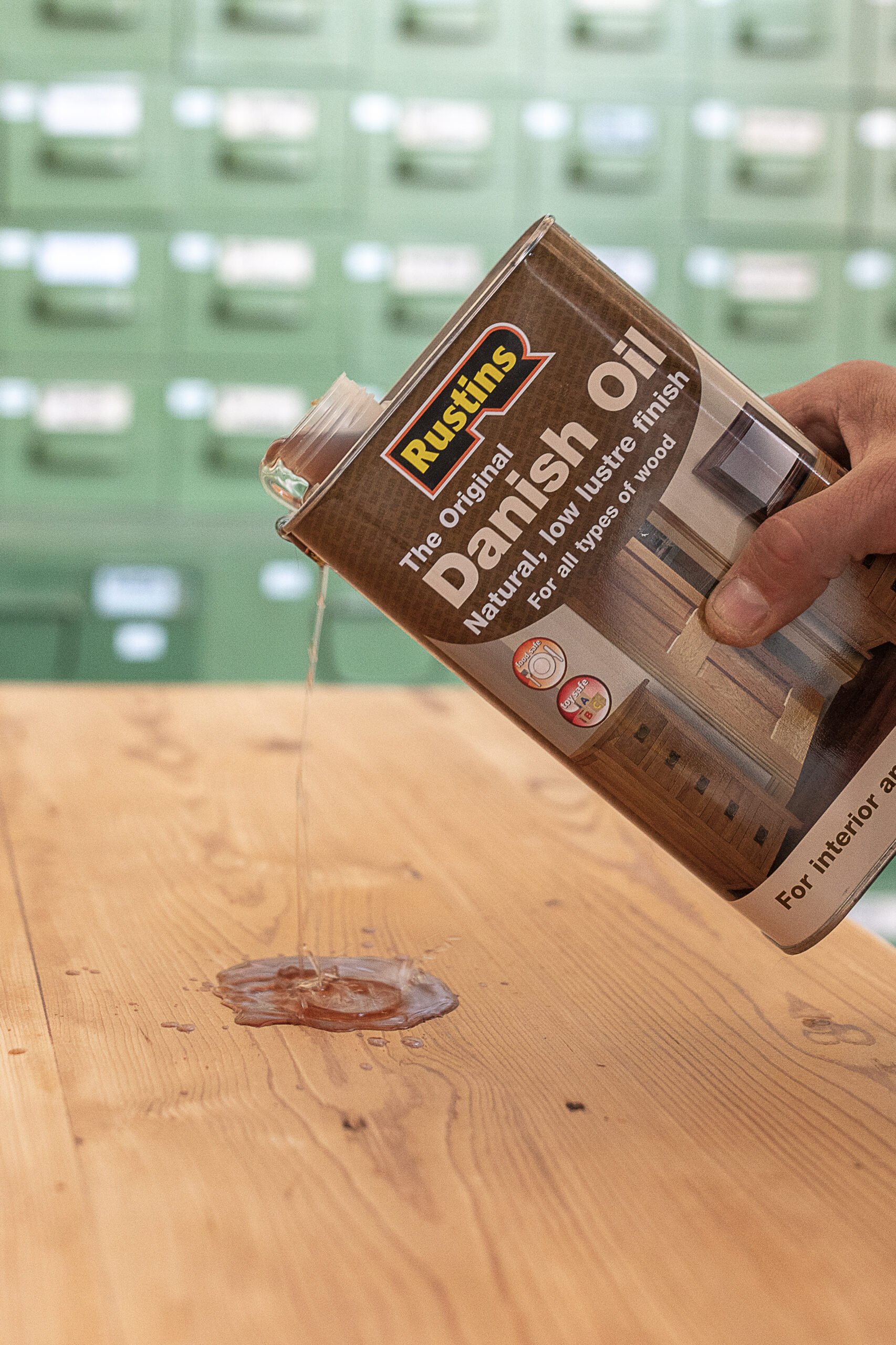
- Apply a thin coat of Danish oil using a cloth or brush. Work along the wood grain.
- Let the oil soak for 15-20 minutes. Wipe off any excess with a clean cloth.
- Allow the furniture to dry for at least 8 hours in a well-ventilated area.
- Apply 2 to 3 more coats, repeating the same steps for each coat.
- After the final coat, let the furniture cure for 24-48 hours before use.
Drying And Curing Times
Drying and curing times are important when using Danish oil on outdoor furniture. These times affect how well the finish protects wood from weather and wear. Understanding these times helps you plan your project and achieve the best results.
Danish oil dries on the surface quickly but takes longer to cure fully. Drying means the oil feels dry to touch. Curing means the oil hardens completely and forms a strong protective layer.
Typical Drying Time For Danish Oil
Danish oil usually dries in 4 to 6 hours. This time depends on temperature and humidity. Warm, dry weather speeds up drying. Cool or damp weather slows it down. You can lightly touch the surface to check dryness.
How Long Does Danish Oil Take To Cure?
Curing takes longer than drying. It can take 24 to 72 hours or more. Full curing means the oil has hardened inside the wood. This creates a durable finish that lasts outdoors. Avoid heavy use until the oil cures completely.
Factors That Affect Drying And Curing
Weather conditions impact drying and curing times. High humidity and low temperatures slow the process. Thick oil layers also take longer to dry and cure. Applying thin coats helps speed up drying. Good ventilation improves curing speed outdoors.
Maintenance And Reapplication
Maintaining outdoor furniture treated with Danish oil is vital for lasting beauty and protection. Danish oil penetrates wood and hardens, shielding it from moisture and sun damage. Over time, exposure to weather can wear down this layer. Regular care and timely reapplication keep your furniture looking fresh and strong.
Signs It Needs Reapplication
Look for dull or dry spots on the wood surface. Water no longer beads up but soaks in quickly. The wood may feel rough or faded in color. These signs show the oil layer is thinning or gone. Reapply Danish oil to restore protection and shine.
Cleaning And Upkeep
Clean furniture gently before applying Danish oil again. Use a soft brush or cloth to remove dirt and dust. Avoid harsh chemicals that can damage the wood. Let the furniture dry completely after cleaning. Proper upkeep extends the life of the oil finish and the wood beneath.
Comparing Danish Oil With Other Finishes
Danish oil is a popular choice for outdoor furniture due to its natural look and easy application. Comparing Danish oil with other finishes helps you choose the best protection and appearance for your wood. Different finishes offer unique benefits and drawbacks for outdoor use.
Each finish varies in durability, water resistance, and maintenance needs. Understanding these differences guides you to the right finish for your furniture.
Teak Oil
Teak oil is designed for dense woods like teak. It penetrates deeply to protect against moisture. This oil enhances the wood’s natural color and grain. Teak oil provides good water resistance but needs regular reapplication. It keeps wood looking fresh but does not form a hard surface. It suits outdoor furniture that requires a natural finish.
Polyurethane
Polyurethane creates a tough, protective layer on wood surfaces. It resists scratches, water, and UV damage. Polyurethane is thicker and less natural in appearance than oils. It forms a hard film that seals the wood completely. This finish lasts longer but can peel or crack over time. It requires careful surface prep and is less breathable than oils.
Spar Varnish
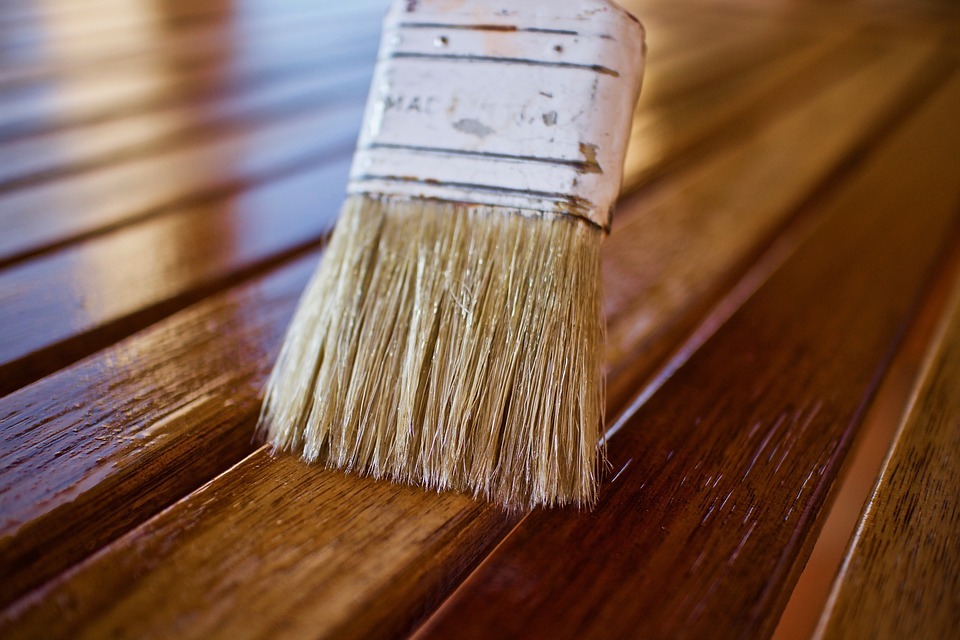
Spar varnish is made for outdoor use and harsh weather. It offers strong protection against water, sun, and temperature changes. Spar varnish remains flexible, preventing cracks as wood expands and contracts. It creates a glossy finish that highlights the wood grain. This varnish needs multiple coats and occasional sanding. It is ideal for furniture exposed to heavy outdoor elements.
Credit: www.teakmaster.com
Common Mistakes To Avoid
Using Danish oil on outdoor furniture can protect and enhance its look. Yet, many people make mistakes that reduce its effectiveness. Avoiding these errors helps keep your furniture in great shape.
Applying Danish Oil On Dirty Or Wet Wood
Never apply Danish oil on dirty or wet surfaces. Dirt blocks the oil from soaking in properly. Wet wood prevents oil absorption and causes uneven finish. Always clean and dry the furniture before oiling.
Using Too Much Danish Oil At Once
Applying thick layers slows drying and causes sticky surfaces. Thin coats let the oil soak in well. Apply multiple thin coats for better protection and smooth finish.
Ignoring Proper Drying Time Between Coats
Rushing the drying process traps moisture in the wood. This can cause peeling or mold growth. Wait at least 24 hours before applying the next coat.
Skipping Regular Maintenance After Application
Danish oil wears off over time, especially outdoors. Regular cleaning and reapplication keep the wood protected and looking fresh. Check the furniture every few months for wear.
Safety Tips And Environmental Considerations
Using Danish oil on outdoor furniture requires some care for safety and the environment. This section covers important tips to protect yourself and nature. Follow these points to enjoy your furniture safely and responsibly.
Proper Ventilation During Application
Always apply Danish oil in a well-ventilated area. Outdoors is best. If working indoors, open windows and doors. This reduces harmful fumes. It keeps the air fresh and safe to breathe.
Protective Gear Use
Wear gloves to protect your skin from chemicals. Use safety glasses to shield your eyes. A mask can prevent inhaling fumes. These simple steps keep you safe during application.
Safe Storage And Disposal
Store Danish oil in a cool, dry place. Keep it away from heat and flames. Dispose of rags and brushes properly. Used rags can catch fire if left in piles. Lay them flat to dry outside or soak in water before throwing away.
Environmental Impact Awareness
Danish oil contains solvents that may harm the environment. Avoid spills on soil or water. Clean tools with minimal water use. Dispose of oil waste at approved centers. Protecting nature helps keep outdoor spaces beautiful.

Credit: www.lazysusanfurniture.co.uk
Credit: www.littlehouseonthecorner.com
Frequently Asked Questions
Can Danish Oil Protect Outdoor Furniture From Weather?
Yes, Danish oil provides a water-resistant finish that helps shield outdoor furniture from rain and sun damage, enhancing durability.
Is Danish Oil Suitable For All Outdoor Wood Types?
Danish oil works well on most hardwoods and softwoods used outdoors, but always test on a small area first to ensure compatibility.
How Often Should You Reapply Danish Oil Outdoors?
Reapply Danish oil every 6 to 12 months to maintain protection and appearance, depending on exposure to weather and wear.
Does Danish Oil Prevent Wood Cracking Outside?
Danish oil penetrates wood to nourish it, reducing cracking and splitting caused by drying and weather changes outdoors.
Conclusion
Danish oil works well on many outdoor furniture types. It helps protect wood from water and sun damage. Applying it regularly keeps furniture looking fresh and strong. The oil soaks in and brings out natural wood beauty. Yet, it may not last as long as some other finishes.
For best results, clean furniture before oiling. Let the oil dry fully between coats. This simple care extends your furniture’s life outdoors. Trying Danish oil offers a balance of protection and shine. A smart choice for wood that faces weather daily.