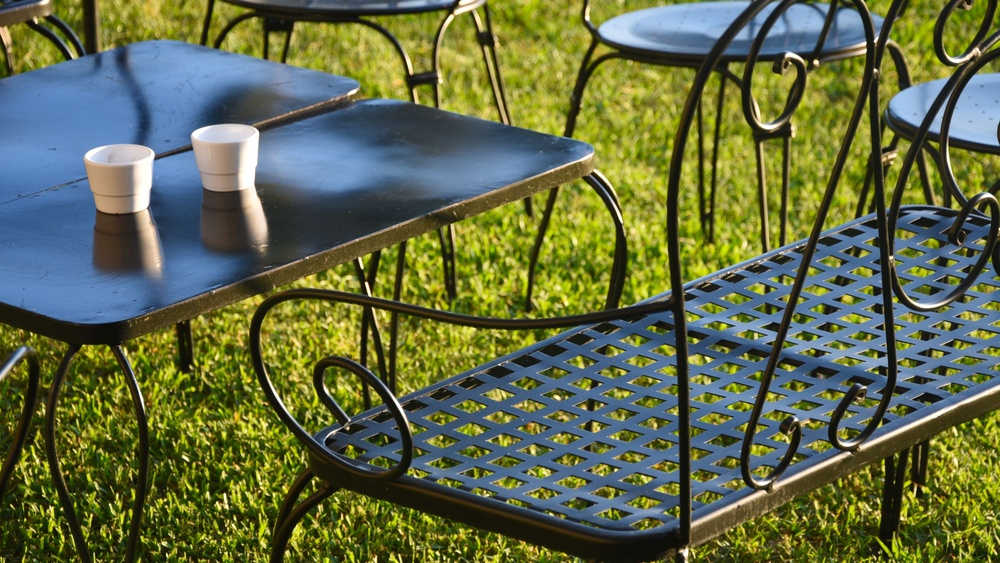
Are you wondering if wax is a good option to protect your outdoor furniture? You want your patio pieces to look great and last longer, but choosing the right care method can be confusing.
Using wax might seem like a simple fix, but does it really work on outdoor furniture? You’ll discover the truth about wax, how it affects different materials, and whether it’s the best choice for keeping your furniture safe from the elements.
Keep reading to find out what you need to know before you grab that can of wax.
Benefits Of Waxing Outdoor Furniture
Waxing outdoor furniture offers several benefits that help keep your pieces looking great. It creates a protective layer that improves durability and appearance. Regular waxing preserves the furniture, making it last longer outdoors.
Enhancing Appearance And Shine
Wax adds a smooth, glossy finish to outdoor furniture. It brings out the natural colors and textures of wood and metal. The shine makes furniture look fresh and well cared for. This improvement in appearance can brighten your outdoor space.
Water Resistance And Protection
Wax creates a barrier that repels water. This prevents moisture from seeping into the material. Water resistance helps avoid damage such as swelling, cracking, or rust. It also reduces the chance of mold and mildew forming.
Preventing Fading And Wear
Sunlight can cause colors to fade and materials to weaken. Wax protects furniture from harmful UV rays. It slows down the effects of sun exposure and weather. Waxing reduces wear and tear, keeping furniture stronger longer.
Types Of Wax Suitable For Outdoor Use
Choosing the right wax helps protect outdoor furniture better. Different wax types offer unique benefits. Some waxes work well with wood, while others suit metal or plastic surfaces. Knowing the types of wax suitable for outdoor use helps you pick the best one.
Beeswax-based Products
Beeswax is natural and safe for wood furniture. It creates a water-resistant layer that protects wood from moisture. It also adds a warm shine to wooden surfaces. Beeswax is easy to apply and lasts a long time. It keeps wood looking fresh and natural.
Carnauba Wax Options
Carnauba wax comes from palm leaves. It is harder than beeswax and offers strong protection. This wax is ideal for metal and plastic furniture. It creates a shiny, tough surface that resists dirt and water. Carnauba wax stays durable in sunlight and rain.
Synthetic Wax Alternatives
Synthetic waxes include polymers that boost protection. They often mix with natural wax for added strength. Synthetic wax works well on many materials, including wood and metal. It creates a tough, long-lasting barrier against weather damage. Synthetic wax is easy to clean and maintain.
Preparing Furniture For Wax Application
Preparing outdoor furniture for wax application is an important step. Proper preparation helps the wax stick better and last longer. It also protects the furniture from damage and dirt. Follow these steps to get your furniture ready.
Cleaning And Drying Surfaces
Start by cleaning the furniture thoroughly. Remove dirt, dust, and old stains using a mild soap and water. Use a soft brush or cloth to scrub gently. Rinse well with clean water. Let the furniture dry completely before waxing. Moisture can stop the wax from sticking properly.
Sanding And Surface Repair
Check the furniture for rough spots, cracks, or peeling paint. Lightly sand the surface with fine-grit sandpaper to smooth it out. Sanding helps the wax grip the wood better. Fill cracks or holes with wood filler and let it dry. Sand again if needed to make the surface even.
Choosing The Right Tools
Use soft cloths or foam brushes for applying wax. Avoid rough or hard brushes that can damage the surface. Choose high-quality wax designed for outdoor use. This wax will protect against weather and sun damage. Have clean rags ready for buffing the wax after application.

Credit: www.lazysusanfurniture.co.uk
Step-by-step Wax Application Process
Applying wax to outdoor furniture protects it from weather and wear. The process is simple but needs care and patience. Follow these steps to get the best results and keep your furniture looking great.
Applying Wax Evenly
Start with clean, dry furniture. Use a soft cloth or brush to scoop a small amount of wax. Spread the wax in thin, even layers. Work in small sections to cover the whole surface. Avoid thick layers that may drip or dry unevenly.
Buffing For A Smooth Finish
After applying wax, wait a few minutes for it to set. Use a clean, dry cloth to buff the wax. Rub in a circular motion to create shine and smoothness. Buffing also helps the wax bond well with the furniture surface.
Multiple Coats And Drying Time
One coat is not always enough. Apply two or three thin coats for better protection. Let each coat dry fully before adding the next. Drying time can vary but usually takes one to two hours. Patience improves the durability of the wax finish.
Maintaining Waxed Outdoor Furniture
Maintaining waxed outdoor furniture keeps it looking fresh and protects it from weather. Wax creates a barrier that repels water and dirt. Proper care helps the wax last longer and maintains the furniture’s shine. Simple steps can make a big difference in preserving your waxed pieces.
Regular Cleaning Tips
Clean waxed furniture gently to avoid removing the wax layer. Use a soft cloth or brush to remove dust and dirt. Avoid harsh chemicals that can strip the wax. Mild soap and water work best. Rinse well and dry completely to prevent water spots or damage.
Reapplying Wax Schedule
Reapply wax every six months or as needed. Check the furniture’s surface for dullness or water absorption. Clean the surface before applying new wax. Use a soft cloth to spread wax evenly. Let it dry and buff to a smooth finish. Regular waxing keeps the wood protected and shiny.
Addressing Damage And Wear
Inspect furniture for scratches or worn spots often. Light scratches can be fixed with extra wax layers. Deeper damage may need sanding before waxing. Clean the area, sand gently, then apply wax. This repair helps maintain protection and keeps the surface smooth.
Alternatives To Wax For Outdoor Protection
Wax is a common choice for protecting outdoor furniture. Still, it may not suit every situation. Other options can offer strong protection and longer durability. These alternatives often resist water, sun, and dirt better than wax.
Choosing the right product depends on the material of your furniture and the look you want. Some products create a hard shell, while others soak into the wood. Each type has its pros and cons for outdoor use.
Sealants And Varnishes
Sealants and varnishes form a tough layer on furniture surfaces. They shield wood from moisture and UV rays. This protection helps prevent cracking and fading over time.
These products dry clear and keep the natural look of the wood. They need to be reapplied every couple of years to maintain protection.
Oil Treatments
Oils soak deep into wood fibers. They nourish the wood and stop it from drying out. Oils also repel water and reduce swelling.
Common oils include teak oil and linseed oil. They keep the wood looking rich and natural. Oil treatments require regular application to stay effective.
Paints And Stains
Paints and stains add color and defense to furniture. Paint creates a solid barrier against weather damage. Stains penetrate the wood and enhance its grain.
Both protect from sun damage and moisture. Paints can hide wood flaws. Stains allow the wood’s texture to show through.
Common Mistakes To Avoid When Waxing
Waxing outdoor furniture can protect and enhance its appearance. Avoid common mistakes to get the best results. These errors can reduce the wax’s effectiveness and damage your furniture.
Applying On Dirty Surfaces
Never apply wax on dirty furniture. Dust, dirt, and grime stop wax from sticking properly. This leads to uneven coverage and poor protection. Always clean and dry your furniture well before waxing.
Using The Wrong Wax Type
Choose wax made for outdoor use only. Indoor waxes may not withstand sun, rain, or temperature changes. Outdoor wax protects better and lasts longer. Using the wrong wax causes peeling and damage.
Neglecting Maintenance
Wax needs regular care to stay effective. Skip maintenance, and the wax will wear off fast. Check your furniture often and reapply wax as needed. This keeps the finish smooth and protects the wood or metal.

Credit: www.lazysusanfurniture.co.uk

Credit: www.youtube.com
Frequently Asked Questions
Can Wax Protect Outdoor Furniture From Weather?
Yes, wax creates a water-resistant barrier that repels moisture. It helps shield wood and metal furniture from rain and sun damage. However, frequent reapplication is needed for long-lasting protection outdoors.
What Types Of Wax Work Best On Outdoor Furniture?
Beeswax and carnauba wax are ideal for outdoor furniture. They offer natural water resistance and enhance the wood’s appearance. Avoid soft or indoor-only waxes, as they lack durability against outdoor elements.
How Often Should You Wax Outdoor Furniture?
Wax outdoor furniture every 3 to 6 months for optimal protection. Frequency depends on weather exposure and furniture material. Regular waxing maintains moisture resistance and prevents surface cracking or fading.
Can Wax Be Used On All Outdoor Furniture Materials?
Wax is best suited for wood and metal outdoor furniture. It may not adhere well to plastic or fabric surfaces. Always check the furniture material before applying wax to ensure compatibility.
Conclusion
Wax can help protect outdoor furniture from weather damage. It creates a layer that repels water and dirt. Regular waxing keeps furniture looking fresh and new. Choose the right wax for your furniture material. Apply wax in thin, even coats for best results.
Avoid using wax on furniture that gets very hot. Waxing takes time but is worth the effort. Your outdoor furniture will last longer and stay beautiful. A simple step for better care and protection.