Is your outdoor wood furniture looking dull or spotted with unsightly mildew? You’re not alone.
Mildew can quickly take over wooden surfaces, making your favorite chairs and tables look old and neglected. But don’t worry—you can restore your furniture’s natural beauty with just a few simple steps. In this guide, you’ll discover easy and effective ways to clean mildew off your outdoor wood furniture, so you can enjoy a fresh, inviting space all year round.
Ready to bring your wood back to life? Let’s get started!
Identifying Mildew On Wood Furniture
Identifying mildew on outdoor wood furniture is important for proper cleaning. Mildew can damage wood and make furniture look old. Early spotting helps protect your investment and keeps your furniture safe to use. Knowing how mildew looks and how it differs from mold helps you act quickly.
Common Signs Of Mildew
Mildew appears as small, powdery spots on the wood surface. These spots are usually white, gray, or light green. Mildew often grows in damp, shady areas of the furniture. It can cause a musty smell around the affected wood. The wood may feel slightly rough or soft under the mildew. Mildew does not usually cause deep damage but can spread fast.
Difference Between Mildew And Mold
Mildew and mold are both fungi but look different. Mildew is flat and powdery, growing mostly on the surface. Mold is fuzzy or slimy and can be black, green, or blue. Mold penetrates deep into the wood, causing more damage. Mildew prefers dry, flat areas, while mold thrives in wet, shaded spots. Knowing the difference helps choose the right cleaning method.
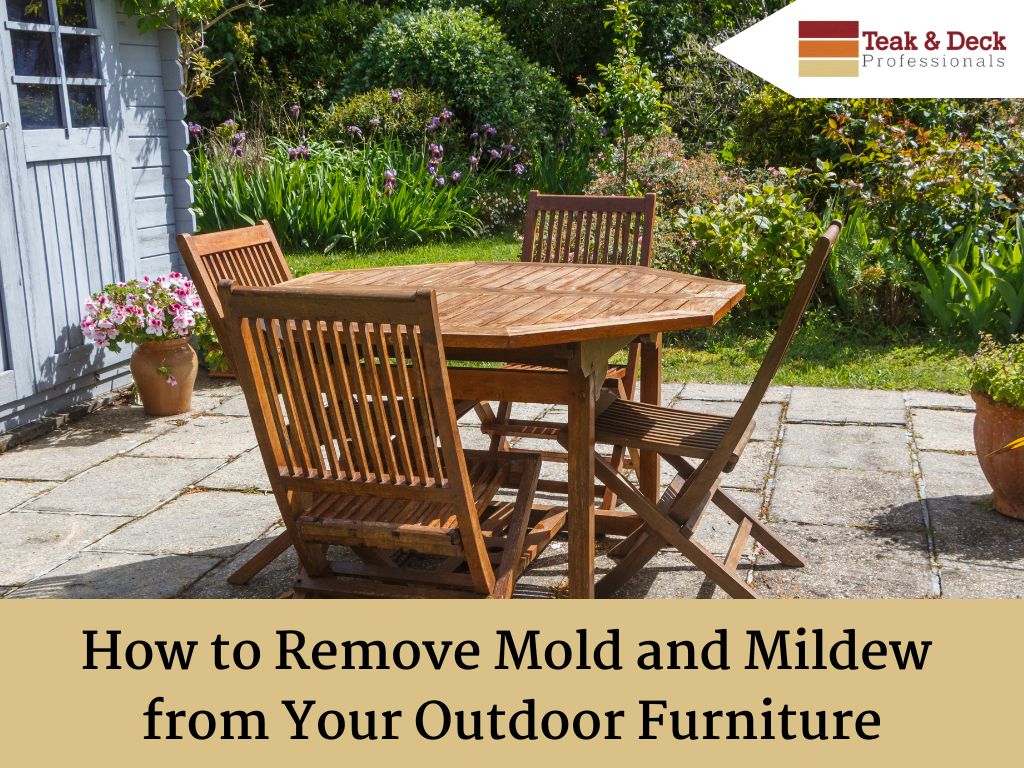
Credit: teakanddeck.com
Preparing Your Outdoor Wood Furniture
Preparing your outdoor wood furniture is the first step to remove mildew safely and effectively. Taking time to get ready helps protect your furniture and yourself. Proper preparation makes cleaning easier and prevents damage to the wood.
Gathering Cleaning Supplies
Collect all necessary items before starting. You will need a soft brush or sponge to scrub the surface gently. A bucket with warm water and mild soap works well. For tougher mildew, a mixture of white vinegar and water is helpful. Have clean cloths or towels ready to wipe down the furniture. Gloves protect your hands from cleaning agents and dirt. A spray bottle can help apply the cleaning solution evenly.
Safety Precautions To Take
Wear gloves to keep your skin safe from irritants. Use a mask if you are sensitive to mold or strong smells. Work in a well-ventilated area to avoid breathing in fumes. Avoid harsh chemicals that can harm your wood or health. Test the cleaning solution on a small area first. Protect the surrounding plants and grass by covering them or rinsing any spills quickly.
Cleaning Methods For Mildew Removal
Removing mildew from outdoor wood furniture is important to keep it looking fresh and extend its life. Several simple cleaning methods work well without harsh chemicals. These methods use common household items or special cleaners. Choose the best option based on your furniture’s condition and your preferences.
Using Vinegar Solution
White vinegar is a natural cleaner that kills mildew effectively. Mix equal parts of white vinegar and water in a spray bottle. Spray the solution on the affected areas and let it sit for 10 to 15 minutes. Use a soft brush or cloth to scrub the wood gently. Rinse with clean water and let the furniture dry in the sun.
Applying Baking Soda Paste
Baking soda is another safe option for mildew removal. Make a paste by mixing baking soda with a small amount of water. Apply the paste directly to the mildew spots. Scrub the area gently with a brush to remove the mildew. Rinse thoroughly with water and allow the wood to dry completely outdoors.
Using Commercial Cleaners
Commercial mildew cleaners are available for tougher stains. Choose a product made for wood furniture and follow the label instructions carefully. Usually, you apply the cleaner, let it sit, then scrub and rinse. Wear gloves to protect your skin and work in a well-ventilated area. These cleaners can remove mildew quickly but use them sparingly to protect the wood.
Step-by-step Cleaning Process
Cleaning mildew from outdoor wood furniture is simple with the right steps. Following a clear process helps remove mildew safely. It also protects your wood from damage. Each step is important for a thorough clean.
Pre-cleaning The Furniture
Start by removing loose dirt and dust. Use a soft brush or cloth to wipe the surface. Check all corners and crevices carefully. This step stops dirt from spreading when scrubbing. It also makes cleaning easier and more effective.
Scrubbing Techniques
Mix a mild cleaner with water in a bucket. Use a soft-bristle brush for scrubbing. Gently scrub the mildewed areas in small circles. Avoid harsh scrubbing to protect the wood. Focus on spots with visible mildew. Change water if it becomes dirty.
Rinsing And Drying Properly
Rinse the furniture with clean water using a hose or bucket. Make sure all soap and mildew are washed off. Use a dry cloth to wipe excess water. Let the furniture air dry in a sunny spot. Proper drying stops mildew from returning quickly.
Preventing Mildew Growth
Preventing mildew growth on outdoor wood furniture keeps it looking fresh and extends its life. Mildew thrives in damp, shaded areas, so stopping it early saves effort later. Small steps help protect your furniture from damage and discoloration.
Proper Furniture Placement
Place furniture where sunlight reaches it often. Sunlight dries moisture that mildew needs to grow. Avoid spots near bushes or walls that stay damp and shaded. Good airflow helps keep wood dry and mildew-free. Moving furniture slightly can make a big difference.
Regular Maintenance Tips
Clean furniture regularly using a soft brush or cloth. Remove dirt and debris that hold moisture. Use mild soap and water for cleaning every few weeks. Check furniture for small mildew spots and clean them quickly. Dry furniture well after rain or cleaning to stop mildew.
Using Protective Sealants
Apply sealants designed for outdoor wood. Sealants form a barrier that blocks moisture. Use products that protect against mildew and weather damage. Reapply sealant yearly or as recommended on the label. Proper sealing keeps wood strong and looking good longer.
:strip_icc()/Clean-Outdoor-Furniture-34bc286d99604bce93f968cc0e060c68.jpg)
Credit: www.bhg.com
Dealing With Stubborn Mildew Stains
Mildew stains on outdoor wood furniture can be tough to remove. Sometimes regular cleaning does not work well. Stubborn mildew needs extra care and effort. Act quickly to avoid damage to the wood. Treating these stains properly helps your furniture last longer.
Sanding And Refinishing
Sanding removes the top layer of wood where mildew hides. Use fine-grit sandpaper and work gently. Sand the stained areas until the mildew disappears. Clean dust off with a damp cloth after sanding. Apply a wood finish or sealant to protect the surface. Refinishing restores the wood’s color and strength. This process keeps your furniture looking fresh and new.
When To Replace Furniture
Check for deep damage or rot in the wood. Mildew can cause wood to weaken over time. If the wood feels soft or crumbles, replacement is best. Large cracks or broken parts also mean time to replace. Old furniture may not respond to cleaning or sanding. New furniture offers better safety and durability outside.

Credit: belleze.com
Frequently Asked Questions
How Do I Remove Mildew From Outdoor Wood Furniture?
Clean mildew by scrubbing with a solution of water and mild detergent. Use a soft brush to avoid damage. Rinse thoroughly and let dry in the sun to prevent regrowth.
What Household Products Effectively Clean Mildew On Wood?
White vinegar, baking soda, and mild dish soap work well to remove mildew. Mix vinegar with water or baking soda with water, apply, scrub gently, then rinse and dry.
Can Bleach Be Used To Clean Mildew On Wood Furniture?
Yes, but dilute bleach with water (1:10 ratio) to avoid wood damage. Apply carefully, scrub gently, rinse thoroughly, and dry outdoors to prevent mildew recurrence.
How Often Should I Clean Mildew From Outdoor Wood Furniture?
Clean your furniture at least twice a year, especially after wet seasons. Regular maintenance prevents mildew buildup and extends furniture lifespan.
Conclusion
Cleaning mildew from outdoor wood furniture keeps it safe and strong. Use gentle cleaners and soft brushes to avoid damage. Regular care stops mildew from coming back quickly. Let your furniture dry well after cleaning. This simple routine helps your wood look fresh longer.
Enjoy your outdoor space without worry. Keep these tips in mind for easy maintenance. A little effort goes a long way. Your wood furniture will thank you.


