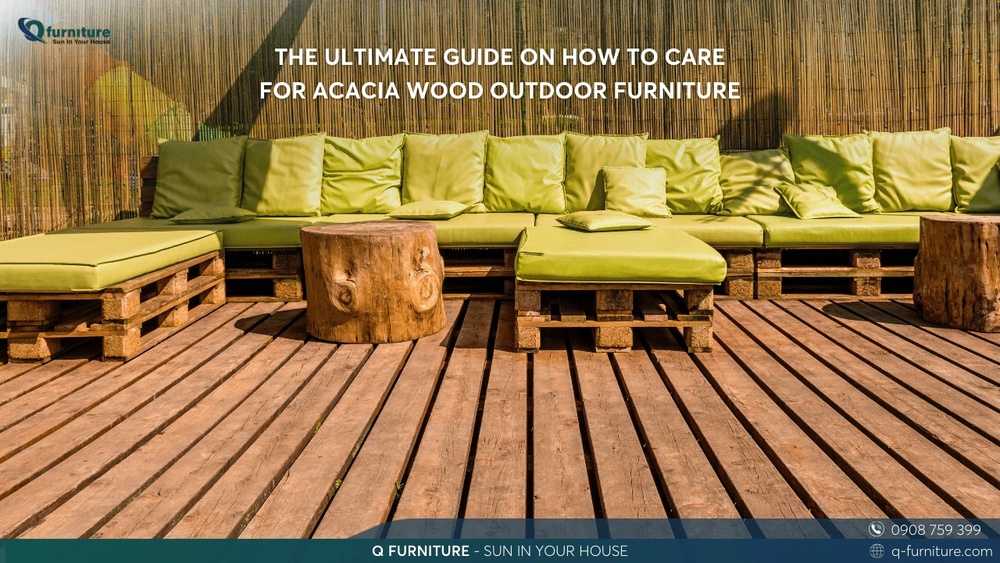
Are you looking for a natural way to protect your outdoor furniture? Linseed oil might be the answer you’ve been searching for.
But is linseed oil really good for your outdoor pieces? Before you grab that can, it’s important to know how it works, what benefits it offers, and if it’s the right fit for your furniture’s needs. Keep reading to discover why linseed oil could be the perfect choice to keep your outdoor furniture looking great season after season.
Benefits Of Linseed Oil
Linseed oil offers many benefits for outdoor furniture. It nourishes wood and keeps it healthy. The oil seeps deep into the wood fibers. This helps protect the furniture from damage over time.
Many people choose linseed oil because it is natural and safe. It enhances the look of wood without harsh chemicals. Using linseed oil regularly can extend the life of outdoor furniture.
Natural Wood Protection
Linseed oil creates a natural barrier on wood surfaces. It stops dirt and dust from sticking easily. The oil also helps prevent cracking and drying out. This keeps the wood strong and durable in all weather.
Enhances Wood Grain
The oil brings out the wood’s natural colors and patterns. It makes the grain look richer and deeper. This gives outdoor furniture a warm and inviting appearance. The wood looks fresh without artificial shine.
Water Resistance Properties
Linseed oil helps repel water from wood surfaces. It reduces the chance of water damage and rot. This is important for furniture exposed to rain or moisture. Treated wood stays drier and lasts longer outside.
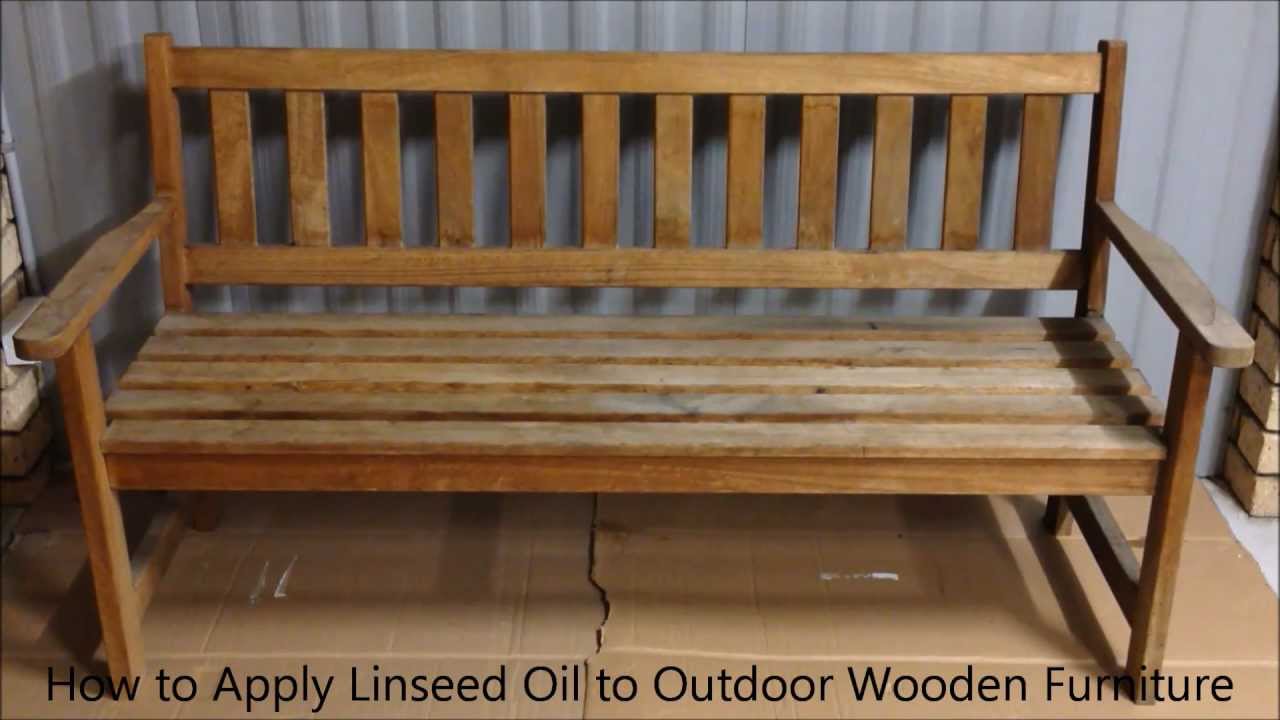
Credit: www.youtube.com
Types Of Linseed Oil
Linseed oil comes in different types. Each type has unique qualities. Knowing these helps you choose the best one for outdoor furniture. The main types are raw, boiled, and blended linseed oils. They vary in drying time and protection level.
Raw Linseed Oil
Raw linseed oil is pure and natural. It takes a long time to dry. It soaks deeply into wood, giving good protection. It is safe and eco-friendly. But it may need many coats for outdoor use.
Boiled Linseed Oil
Boiled linseed oil dries faster than raw oil. It contains additives that speed up drying. This oil gives better protection against water and sunlight. It is popular for outdoor furniture care. Use it carefully as it can be flammable.
Blended Linseed Oil Options
Blended linseed oils mix raw or boiled oil with other ingredients. These blends improve durability and drying time. Some blends include solvents or resins for extra protection. They are good for tough outdoor conditions. Check the label to know the exact blend.
Applying Linseed Oil Outdoors
Applying linseed oil outdoors helps protect wooden furniture from weather damage. It soaks into the wood, making it strong and water-resistant. Proper application improves the wood’s look and life.
Follow clear steps to get the best results. Preparation, method, and drying time all matter for good protection.
Surface Preparation
Start with clean, dry wood. Remove dirt, dust, and old finishes. Sand the surface lightly to open the wood pores. This helps the oil soak in better. Use a cloth to wipe away all sanding dust. Avoid oiling wet or damp wood.
Application Techniques
Use a brush, cloth, or sponge to apply linseed oil. Work with the wood grain for smooth coverage. Apply a thin, even layer to avoid sticky spots. Let the oil soak in for 15 to 30 minutes. Wipe off any extra oil with a clean cloth. Repeat the process for 2 to 3 coats for better protection.
Drying And Curing Times
Linseed oil needs time to dry and harden. Drying takes about 24 to 48 hours in warm, dry weather. Avoid using furniture during this time. Full curing can take up to a week or more. Keep the furniture in a well-ventilated area. Patience ensures a strong, lasting finish.
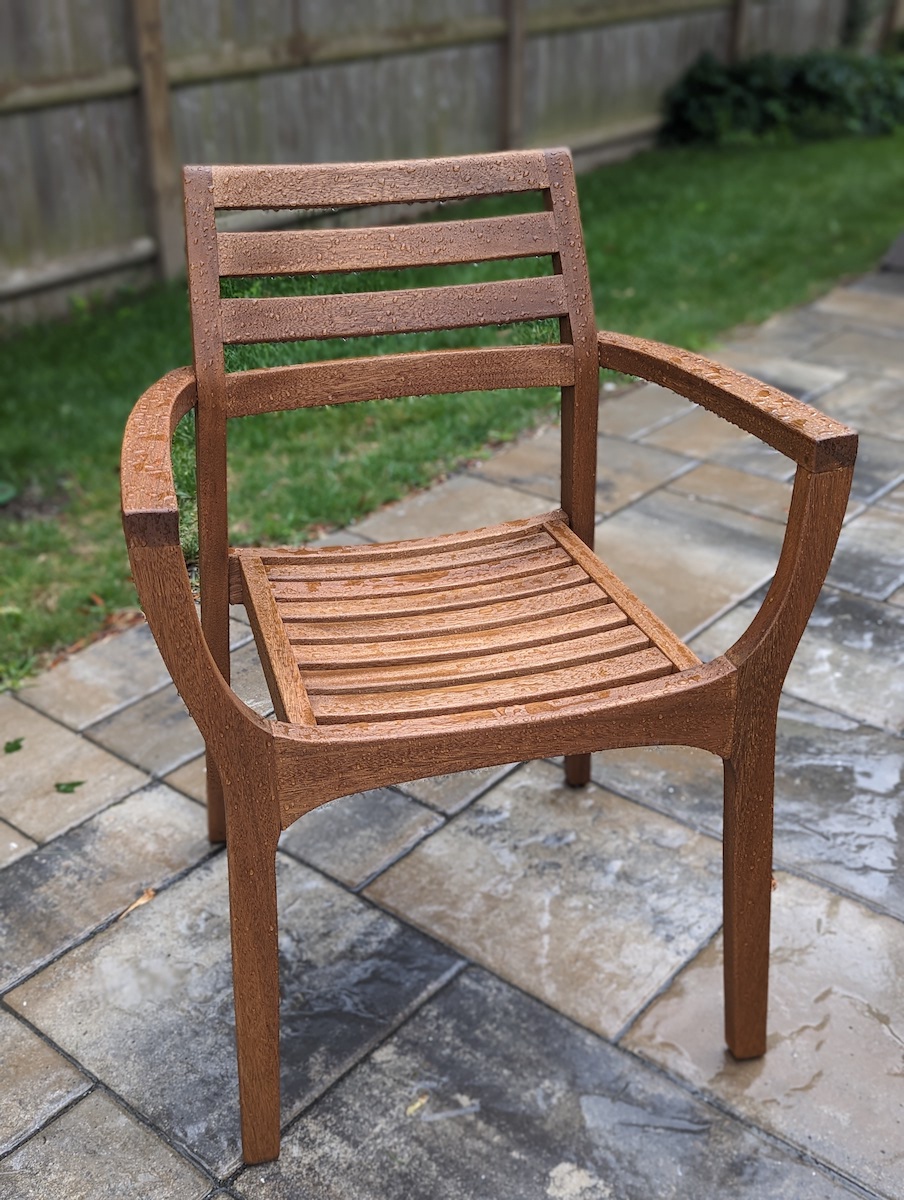
Credit: www.findingsilverpennies.com
Maintenance Tips For Outdoor Furniture
Outdoor furniture needs care to stay beautiful and strong. Linseed oil helps protect wood, but it also needs regular upkeep. Following simple steps keeps your furniture looking good and lasting longer.
Regular Reapplication
Linseed oil absorbs into the wood and wears off over time. Reapply the oil every few months to keep the wood protected. Clean the surface first, then use a brush or cloth to spread the oil evenly. Let it dry fully before using the furniture again.
Cleaning Linseed Oil Treated Wood
Clean the wood gently to avoid removing the oil layer. Use a soft brush and mild soap with water. Avoid harsh chemicals or power washing, as they can damage the finish. Dry the furniture well after cleaning to prevent moisture buildup.
Protecting Against Weather Damage
Cover your furniture during heavy rain or snow to reduce water damage. Move pieces to a sheltered area if possible. Linseed oil seals the wood but does not make it waterproof. Regular oiling and protection help the wood resist cracking and fading.
Comparing Linseed Oil To Other Finishes
Choosing the right finish for outdoor furniture affects its look and life. Linseed oil is a popular choice. Comparing it with other finishes helps you decide what suits your furniture best. Each finish has unique benefits and drawbacks. Understanding these can protect your furniture from weather and wear.
Linseed Oil Vs. Varnish
Linseed oil soaks into the wood. It nourishes and keeps the wood flexible. Varnish forms a hard, shiny layer on top. It protects better against scratches and water. But varnish can crack or peel over time. Linseed oil needs reapplication more often but looks natural.
Linseed Oil Vs. Polyurethane
Polyurethane creates a tough, plastic-like surface. It is very durable and water-resistant. Linseed oil is softer and more natural. Polyurethane can hide the wood’s grain. Linseed oil enhances the wood’s natural beauty. Polyurethane lasts longer but is harder to repair.
Eco-friendly Alternatives
Linseed oil is a natural, biodegradable option. Some finishes contain chemicals that harm the environment. Other eco-friendly finishes include tung oil and beeswax. These also protect wood without toxins. Choosing natural oils reduces pollution and waste.

Credit: www.findingsilverpennies.com
Common Mistakes To Avoid
Applying linseed oil to outdoor furniture can protect and beautify wood. Avoid mistakes that reduce its benefits. Many people misuse linseed oil and damage their furniture. Knowing what to avoid helps keep wood healthy and looking good.
Overapplication Issues
Applying too much linseed oil causes sticky, soft surfaces. Wood may stay wet for days. This leads to dust and dirt sticking to it. Excess oil slows drying and can cause mold. Use thin coats and wipe off extra oil.
Ignoring Surface Preparation
Not cleaning or sanding wood before oiling reduces protection. Dirt, old finishes, and rough patches block oil absorption. Clean the furniture well and sand smooth. Proper prep helps oil soak deep and last longer.
Using Wrong Type Of Linseed Oil
Raw linseed oil dries very slowly outdoors. It may never fully harden on furniture. Boiled linseed oil or specially made outdoor oils dry faster. Choose the right type for outdoor use. Check product labels before buying.
Frequently Asked Questions
What Are The Benefits Of Linseed Oil For Outdoor Furniture?
Linseed oil protects wood by penetrating deep and preventing moisture damage. It enhances the natural grain and adds a warm finish. It also helps resist cracking, drying, and fading caused by weather exposure.
How Often Should I Apply Linseed Oil Outside?
For outdoor furniture, apply linseed oil every 6 to 12 months. Reapplication depends on weather conditions and wood type. Regular maintenance ensures long-lasting protection and keeps the wood looking fresh.
Is Boiled Linseed Oil Better For Outdoor Use?
Yes, boiled linseed oil dries faster and forms a stronger protective layer. It is more suitable for outdoor furniture because it resists weather damage better than raw linseed oil.
Can Linseed Oil Prevent Wood Rot Outdoors?
Linseed oil helps reduce moisture absorption, which slows down wood rot. However, it does not fully prevent rot. Additional treatments or sealants may be needed for complete protection.
Conclusion
Linseed oil protects outdoor furniture from water and sun damage. It soaks into the wood, keeping it strong and lasting longer. Regular use helps prevent cracks and fading. The oil also gives a natural, warm look to your furniture. It is easy to apply and safe for most wood types.
Choosing linseed oil means caring for your outdoor pieces in a simple way. A small effort can keep your furniture beautiful through all seasons. Worth trying for anyone who loves wooden outdoor furniture.