Are you tired of your outdoor furniture covers getting dirty, torn, or full of mildew when you’re not using them? How you store these covers can make all the difference in keeping them in great shape season after season.
If you want to protect your investment and save time and money on replacements, you need the right storage tips. You’ll discover simple, effective ways to store your outdoor furniture covers so they stay clean, dry, and ready to use whenever you need them.
Keep reading—your furniture will thank you!
Choosing The Right Covers
Choosing the right outdoor furniture covers helps protect your furniture from weather damage. Good covers keep dirt, rain, and sun away. They also help your furniture last longer. Pick covers that fit your furniture well and suit your climate. Understanding key cover features ensures better protection.
Material Types
Outdoor furniture covers come in many materials. Polyester is light and dries quickly. Vinyl is strong and blocks water well. Canvas is thick and durable but may take longer to dry. Choose a material that suits your outdoor conditions. Think about weight, breathability, and toughness.
Waterproof Features
Waterproof covers keep rain and snow from soaking your furniture. Look for covers with sealed seams to stop water leaks. Some covers have a water-resistant coating for extra protection. Good waterproof covers prevent mold and rust. Make sure the cover is easy to clean and dry.
Uv Protection
Sunlight fades colors and weakens furniture materials. Covers with UV protection block harmful sun rays. They help maintain your furniture’s look and strength. UV-resistant covers also stop fabric from cracking. Check product labels for UV protection details before buying.
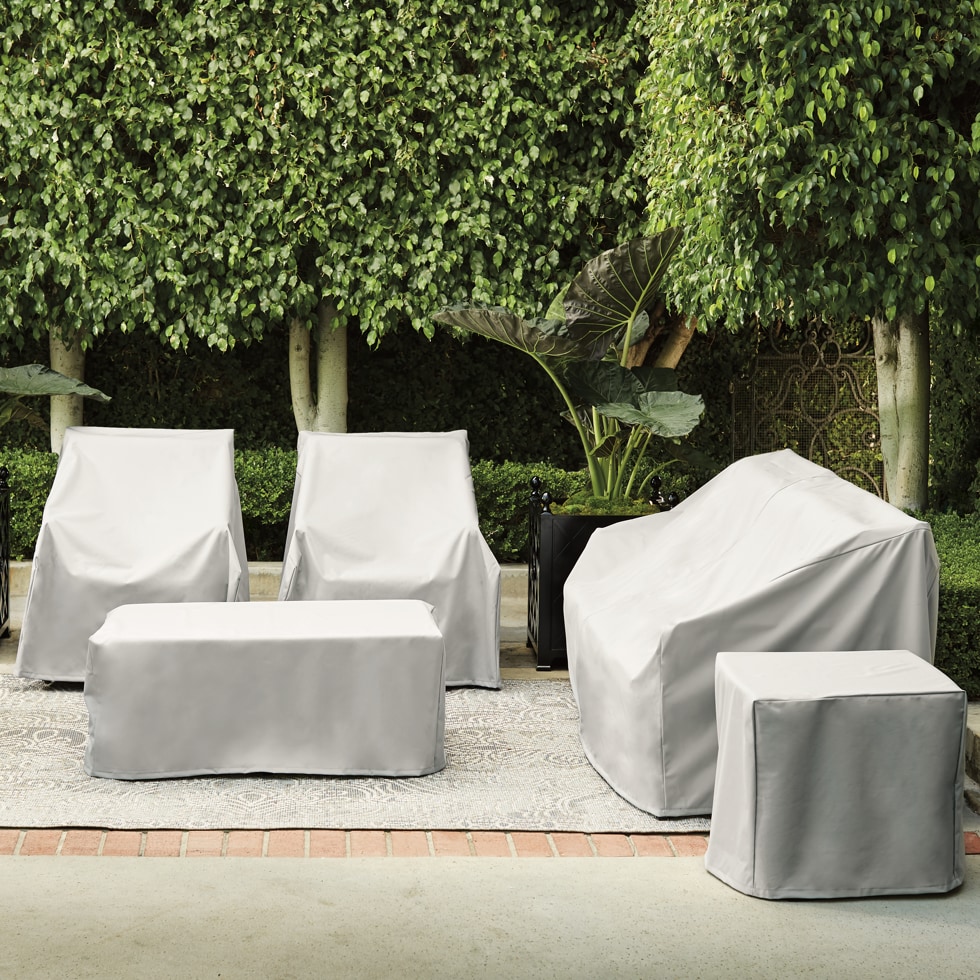
Credit: www.frontgate.com
Cleaning Covers Before Storage
Cleaning outdoor furniture covers before storing them keeps the covers fresh and lasts longer. Dirt and moisture can cause mold and damage fabric. Proper cleaning removes grime and prepares covers for storage. Follow simple steps to clean covers well and protect your investment.
Removing Dirt And Debris
Shake covers outside to remove loose dirt and debris. Use a soft brush to sweep off dust and leaves. Pay attention to corners and seams where dirt collects. Removing surface dirt first helps washing work better.
Washing Techniques
Check the care label for washing instructions. Use mild soap or detergent to avoid fabric damage. Hand wash covers in a large tub with lukewarm water. For machine washing, choose a gentle cycle and cold water. Avoid bleach or harsh chemicals that weaken fabric fibers.
Drying Properly
Air dry covers completely before storing them. Hang covers in a shaded area to prevent sun damage. Avoid using a dryer, which can shrink or harm the fabric. Make sure covers are fully dry to stop mold and mildew growth during storage.
Preparing Covers For Storage
Preparing outdoor furniture covers for storage keeps them clean and long-lasting. Proper care prevents damage and saves money. Follow simple steps to get covers ready for the next season. Clean, dry, and fold them carefully before putting them away. This helps avoid mold, tears, and dirt buildup.
Folding Methods
Fold covers gently to save space and protect the fabric. Lay the cover flat on a clean surface. Fold it in half lengthwise, then in half again. Keep folding until the cover is a manageable size. Avoid tight folds that can stress the material.
Avoiding Creases
Creases can weaken fabric fibers over time. Smooth out wrinkles before folding. Use a clean towel to press gently on the cover. Do not iron or use heat, as it may damage the material. Store covers loosely to prevent deep creases.
Using Storage Bags
Storage bags protect covers from dust and pests. Choose breathable bags made of fabric or mesh. Avoid plastic bags that trap moisture and cause mold. Label the bags for easy identification next season. Store covers in a dry, cool place away from sunlight.

Credit: fj-outdoors.com
Selecting Storage Locations
Choosing the right place to store outdoor furniture covers protects them from damage. Proper storage keeps covers clean, dry, and ready for use. It also helps the covers last longer and saves money. Consider different factors before picking a storage spot.
Indoor Vs Outdoor
Indoor storage is best for outdoor furniture covers. It shields covers from sun, rain, and wind. A basement, garage, or closet works well. Outdoor storage exposes covers to weather changes. This can cause fading, mold, or tears. Use outdoor storage only if it is dry and sheltered.
Temperature Considerations
Store covers in places with steady temperatures. Avoid spots that get too hot or cold. Extreme heat can break down cover materials. Freezing temperatures may make covers stiff and brittle. A cool, dry area with mild temperature is ideal.
Humidity Control
Humidity damages outdoor furniture covers by causing mold and mildew. Keep covers in a dry place with low humidity. Use silica gel packs or moisture absorbers to reduce dampness. Check the storage area often for signs of moisture. Proper humidity control keeps covers fresh and clean.
Protecting Covers From Pests
Protecting your outdoor furniture covers from pests is important. Pests can damage the fabric and make your covers unusable. Taking simple steps helps keep pests away and your covers safe. Let’s explore common pests, how to prevent them, and natural repellents you can use.
Common Pests To Watch For
Mice and rats often hide in stored covers. They chew holes and leave droppings. Spiders build webs in folds, making covers look dirty. Insects like ants and beetles can also cause damage. Knowing these pests helps you spot problems early.
Preventative Measures
Store covers in sealed plastic bins or heavy-duty bags. Keep storage areas dry to avoid attracting pests. Clean covers before storing to remove food crumbs or dirt. Place covers off the ground to reduce pest access. Regularly check your storage space for signs of pests.
Natural Repellents
Cedar blocks or chips repel many insects and rodents. Lavender sachets offer a pleasant scent and keep pests away. Peppermint oil sprayed on covers deters mice and spiders. Use these natural options to protect covers without harsh chemicals.
Maintaining Covers During Storage
Storing outdoor furniture covers properly keeps them in good shape for longer. Covers can get dirty, damp, or even tear if not cared for during storage. Simple steps help maintain their quality and extend their life. Checking and cleaning covers regularly stops damage before it starts.
Regular Inspections
Check covers every few weeks during storage. Look for tears, holes, or weak spots. Make sure no moisture or mold is present. Early spotting helps fix small problems fast. Dry covers if you find any damp spots. This prevents mildew and unpleasant smells.
Re-folding Tips
Change how you fold covers each time. Folding in the same place can cause permanent creases. Creases may weaken the fabric and lead to tears. Smooth out wrinkles before folding again. Store covers loosely to avoid pressure marks. Use a clean, dry area for folding.
Spot Cleaning
Clean small stains right away. Use a soft cloth and mild soap. Avoid harsh chemicals that damage fabric. Dab gently; don’t rub hard. Rinse with clean water and air dry completely. Spot cleaning keeps covers fresh and ready for use.
Extending Cover Lifespan
Outdoor furniture covers protect your furniture from rain, dust, and dirt. Keeping these covers in good shape helps save money and effort. Simple care steps can make covers last longer and work better.
Avoiding Prolonged Sun Exposure
Sunlight can weaken the fabric of covers. Strong UV rays cause colors to fade and material to break. Store covers in a shaded place when not in use. Avoid leaving covers under direct sun for many hours. Use a breathable storage bag to protect covers from sunlight.
Repairing Minor Damage
Small tears or holes reduce cover strength. Fix minor damage quickly to stop it from getting worse. Use waterproof tape or patches made for outdoor fabrics. Check covers regularly for signs of wear and tear. Repairing early keeps covers functional and reliable.
Replacing When Needed
Old covers lose their protective power. Tears, holes, and heavy fading mean it’s time to replace. Choose new covers with strong fabric and good water resistance. Keep the new covers clean and dry for longer life. Timely replacement protects your furniture better.
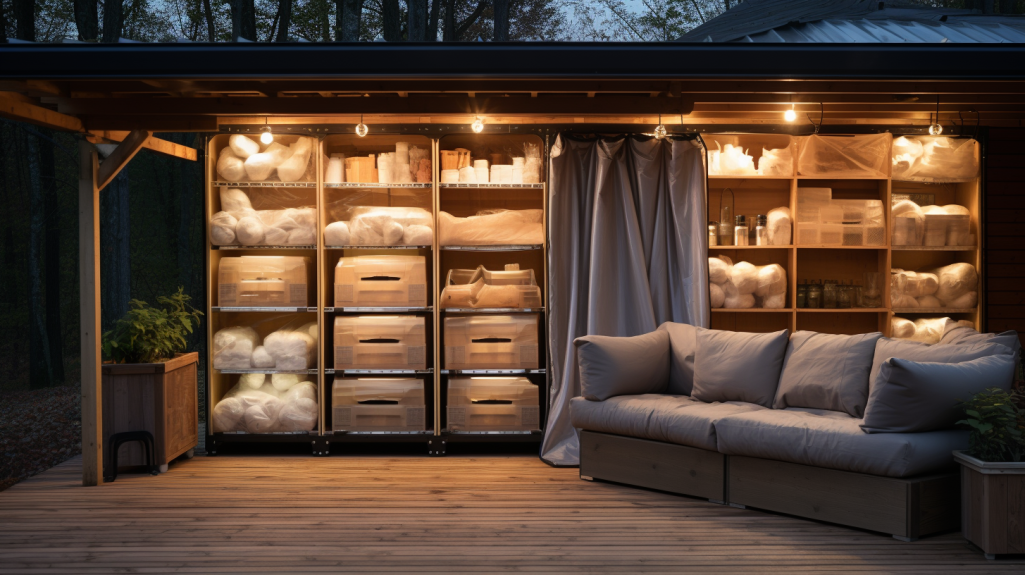
Credit: fj-outdoors.com
Frequently Asked Questions
How Do I Clean Outdoor Furniture Covers Before Storing?
Clean covers with mild soap and water. Rinse thoroughly and air dry completely. Avoid harsh chemicals to prevent damage.
What Is The Best Way To Fold Outdoor Furniture Covers?
Fold covers neatly to avoid creases. Ensure covers are dry before folding. Store in a cool, dry place to maintain shape.
Where Should I Store Outdoor Furniture Covers In Winter?
Store covers in a dry, ventilated area. Avoid damp basements or direct sunlight. Use sealed containers or bags for extra protection.
Can I Store Outdoor Furniture Covers While Damp?
No, always dry covers completely before storing. Damp covers can develop mold and mildew, damaging the fabric and reducing lifespan.
Conclusion
Properly storing outdoor furniture covers keeps them clean and lasting longer. Always dry covers fully before storing to stop mold and smells. Fold them neatly and place in a dry, cool spot. Avoid heavy items on top to prevent damage.
Check covers regularly for tears or dirt. Taking these small steps saves money and effort later. Enjoy your outdoor space with well-kept furniture covers all year round. Easy care makes a big difference. Simple habits protect your investment and keep things ready to use.