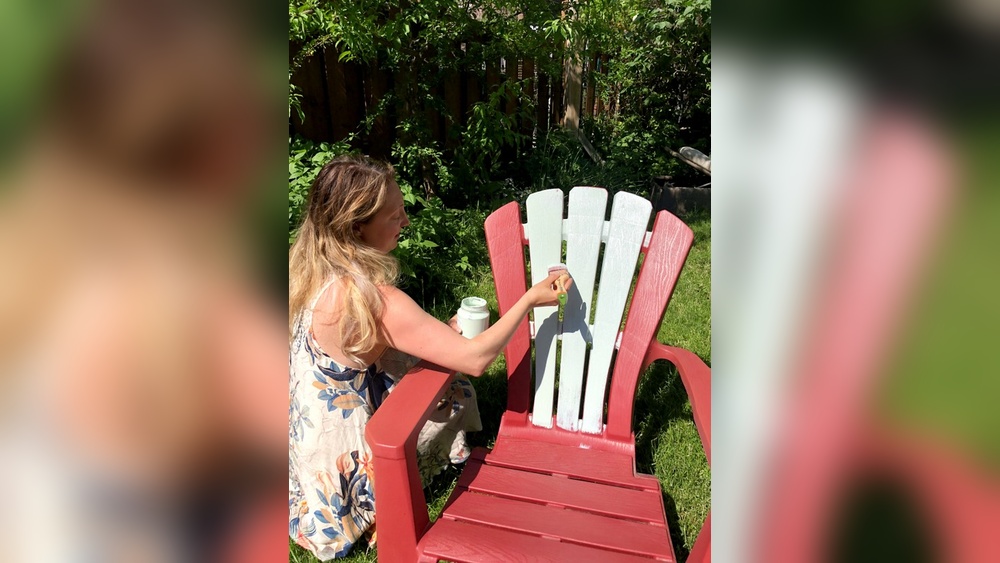
Are your outdoor plastic furniture pieces looking dull or worn out? You don’t have to toss them away or spend a fortune replacing them.
With a little effort and the right approach, you can transform your plastic chairs, tables, or loungers into vibrant, fresh-looking furniture. Imagine enjoying your outdoor space with furniture that looks brand new, reflecting your style perfectly. In this guide, you’ll learn simple, step-by-step tips to paint your outdoor plastic furniture like a pro.
Keep reading to discover how easy it is to give your outdoor space a stylish makeover that lasts.
Choosing The Right Paint
Choosing the right paint for outdoor plastic furniture is important. The paint must stick well and last a long time. It must also resist sun, rain, and temperature changes. This section explains the best paint types for plastic furniture. It covers weather-resistant and eco-friendly options.
Types Of Paint For Plastic
Not all paints work on plastic. Look for paint made for plastic surfaces. Spray paints are easy to use and cover well. Acrylic paints also work but need a primer first. Some paints have plastic primers built in. These help the paint stick and stop peeling.
Weather-resistant Options
Outdoor furniture faces rain, sun, and wind. Choose paint with weatherproof qualities. Look for paints labeled “outdoor” or “weather-resistant.” These paints protect furniture from fading and cracking. They keep colors bright even after months outside.
Eco-friendly Choices
Eco-friendly paints have low chemicals and less smell. They are safer for you and the environment. Water-based paints are a good choice. They dry fast and clean up with water. These paints reduce pollution and keep your garden healthy.

Credit: www.tastefullyeclectic.com
Preparing The Furniture
Preparing your plastic outdoor furniture is the first step to a smooth painting process. Proper preparation helps the paint stick better and last longer. It also makes your furniture look neat and fresh.
Cleaning The Surface
Start by washing the furniture with warm water and mild soap. Use a soft brush or cloth to remove dirt and grime. Rinse well and let it dry completely. Clean surfaces help paint stick firmly.
Sanding For Better Adhesion
Lightly sand the furniture with fine-grit sandpaper. This roughens the smooth plastic surface. Sanding helps the paint grab onto the furniture. Wipe away dust with a damp cloth after sanding.
Repairing Imperfections
Check for cracks, holes, or scratches on the furniture. Use plastic filler or putty to fix these spots. Smooth the filler with sandpaper once dry. Repairing keeps the paint finish even and smooth.
Priming The Plastic
Priming plastic outdoor furniture is the key to a long-lasting paint job. Plastic surfaces are smooth and non-porous. Paint won’t stick well without a good primer. This step helps paint bond tightly. It also stops peeling and chipping. Taking time to prime means better results and a fresh look that lasts through the seasons.
Selecting A Suitable Primer
Choose a primer made for plastic surfaces. Not all primers work on plastic. Look for one that says “plastic” or “multi-surface.” These primers create a rough base for paint to hold on. Some come in spray cans for easy use. Check product labels and reviews to pick the best option.
Applying Primer Evenly
Clean the furniture well before priming. Dirt and dust stop primer from sticking. Shake the primer can well. Hold it about 8-12 inches from the surface. Spray or brush on thin, even layers. Avoid thick coats that drip or run. Cover all areas including edges and corners.
Drying Time Tips
Let the primer dry fully before painting. Dry time varies by product and weather. Usually, it takes 30 minutes to an hour. Avoid rushing this step. Check the label for exact drying times. Touch the surface gently to test dryness. Proper drying ensures paint sticks better and lasts longer.
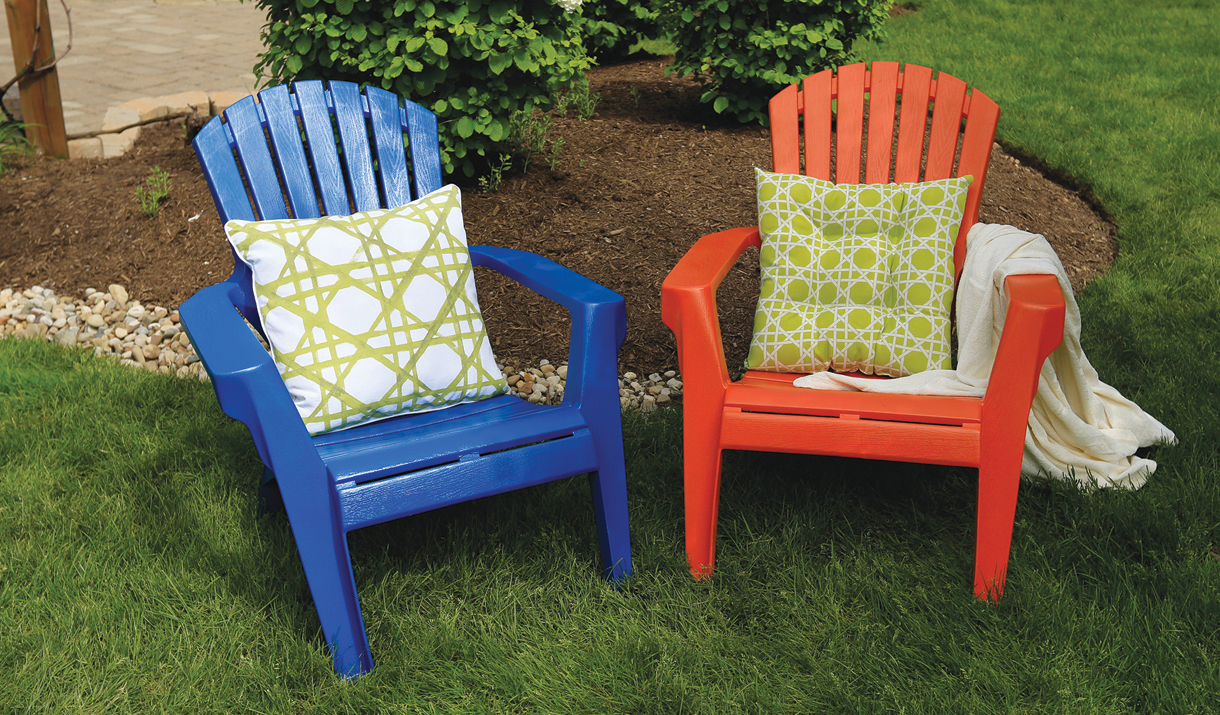
Credit: www.krylon.com
Painting Techniques
Painting outdoor plastic furniture requires careful techniques for a smooth finish. Proper methods help paint stick better and last longer. Simple steps make the process easier and prevent common problems.
Using Brushes Vs. Sprays
Brushes give more control and are good for small or detailed areas. They allow careful work around edges and corners. Sprays cover large surfaces quickly and create an even coat. Sprays work best outside or in a well-ventilated area. Choose brushes for precision and sprays for speed.
Applying Thin Coats
Thin coats dry faster and reduce drips. Apply several light layers instead of one thick layer. Wait for each coat to dry before adding another. Thin coats prevent paint from peeling or cracking. They also give a smoother and cleaner look.
Avoiding Drips And Streaks
Keep the brush or spray moving evenly to avoid drips. Do not overload the brush or spray can. Hold the spray about 10-12 inches from the surface. Light, steady strokes help prevent streaks. Check your work often and fix drips quickly before they dry.
Sealing And Protecting
Sealing and protecting painted plastic outdoor furniture is crucial. It helps keep the paint looking fresh and stops damage from weather. A good sealant shields the surface from water, sun, and dirt. This step extends the life of your work and keeps the furniture attractive for longer.
Choosing A Clear Sealant
Select a sealant made for outdoor use. Look for products labeled as clear and waterproof. Some sealants offer UV protection to prevent color fading. Acrylic and polyurethane sealants work well on plastic surfaces. Pick one that dries fast and does not yellow over time.
Application Methods
Apply sealant with a clean brush or spray. Spraying gives a smooth, even coat without streaks. Use thin layers to avoid drips and bubbles. Let each coat dry completely before adding another. Follow the instructions on the sealant label for best results.
Enhancing Durability
Multiple sealant layers improve protection and durability. Lightly sand between coats for better adhesion. Store furniture under cover during harsh weather. Clean the surface gently to keep the seal intact. This care helps maintain the painted finish longer and keeps furniture looking new.
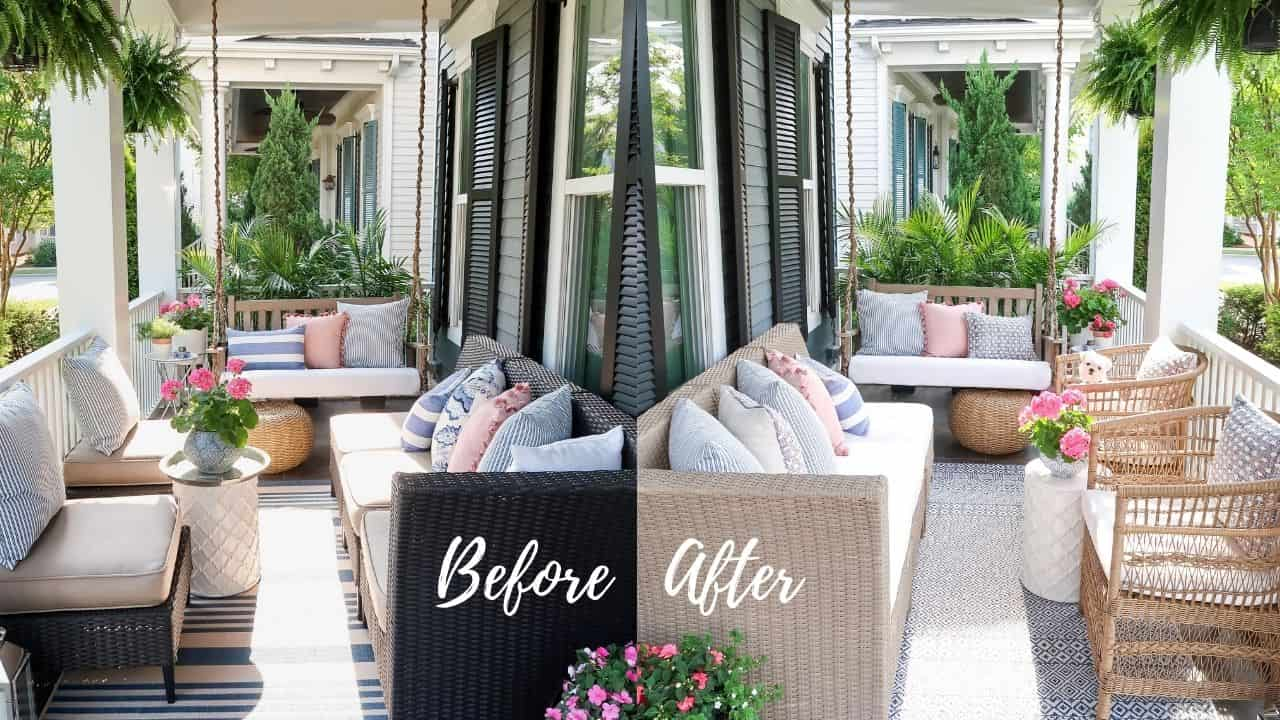
Credit: porchdaydreamer.com
Maintenance Tips
Maintaining painted outdoor plastic furniture is key to keeping it looking fresh and vibrant. Proper care helps prevent paint from peeling or fading under sun and rain. Follow simple steps to extend the life of your painted furniture.
Cleaning Painted Furniture
Use a soft cloth or sponge with mild soap and water. Avoid harsh chemicals or abrasive scrubbers. Gently wipe surfaces to remove dirt and dust. Rinse with clean water and dry with a soft towel. Regular cleaning stops grime build-up and keeps colors bright.
Touch-up Strategies
Inspect your furniture for chips or scratches often. Keep leftover paint for quick fixes. Lightly sand damaged areas before applying paint. Use a small brush for precise touch-ups. Allow paint to dry fully to blend with the original coat.
Seasonal Care Advice
Cover furniture during heavy rain or snow to protect paint. Store items indoors or in a shed during winter months. If storing outside, use waterproof covers that allow air flow. Check painted surfaces after each season and repair as needed.
Frequently Asked Questions
How Do I Prepare Plastic Furniture For Painting?
Clean the furniture thoroughly with soap and water. Sand lightly to roughen the surface. Remove dust before painting to ensure better adhesion.
What Type Of Paint Is Best For Plastic Outdoor Furniture?
Use spray paint designed specifically for plastic surfaces. Look for weather-resistant and UV-protected formulas to ensure durability outdoors.
How Many Coats Of Paint Should I Apply?
Apply two to three thin coats. Allow each coat to dry completely before applying the next for a smooth, even finish.
Can I Use Regular Paint On Plastic Furniture?
Regular paint may not adhere well to plastic. Specialized plastic spray paint provides better adhesion and long-lasting results outdoors.
Conclusion
Painting plastic outdoor furniture takes patience and care. Clean the surface well before starting. Use paint made for plastic to avoid peeling. Apply thin coats and let each dry completely. This helps the paint last longer and look smooth. A fresh coat can brighten your outdoor space.
Enjoy your renewed furniture and the time outside. Simple steps make a big difference in the end.


