Are you thinking about upgrading your outdoor space with new furniture? Choosing the right material is key to making sure your pieces last through sun, rain, and changing seasons.
Rubberwood is becoming a popular choice, but is it really good for outdoor furniture? You’ll discover what makes rubberwood stand out, its strengths and weaknesses, and whether it’s the perfect fit for your patio or garden. Keep reading to find out if rubberwood can give you the durability and style you want for your outdoor setup.
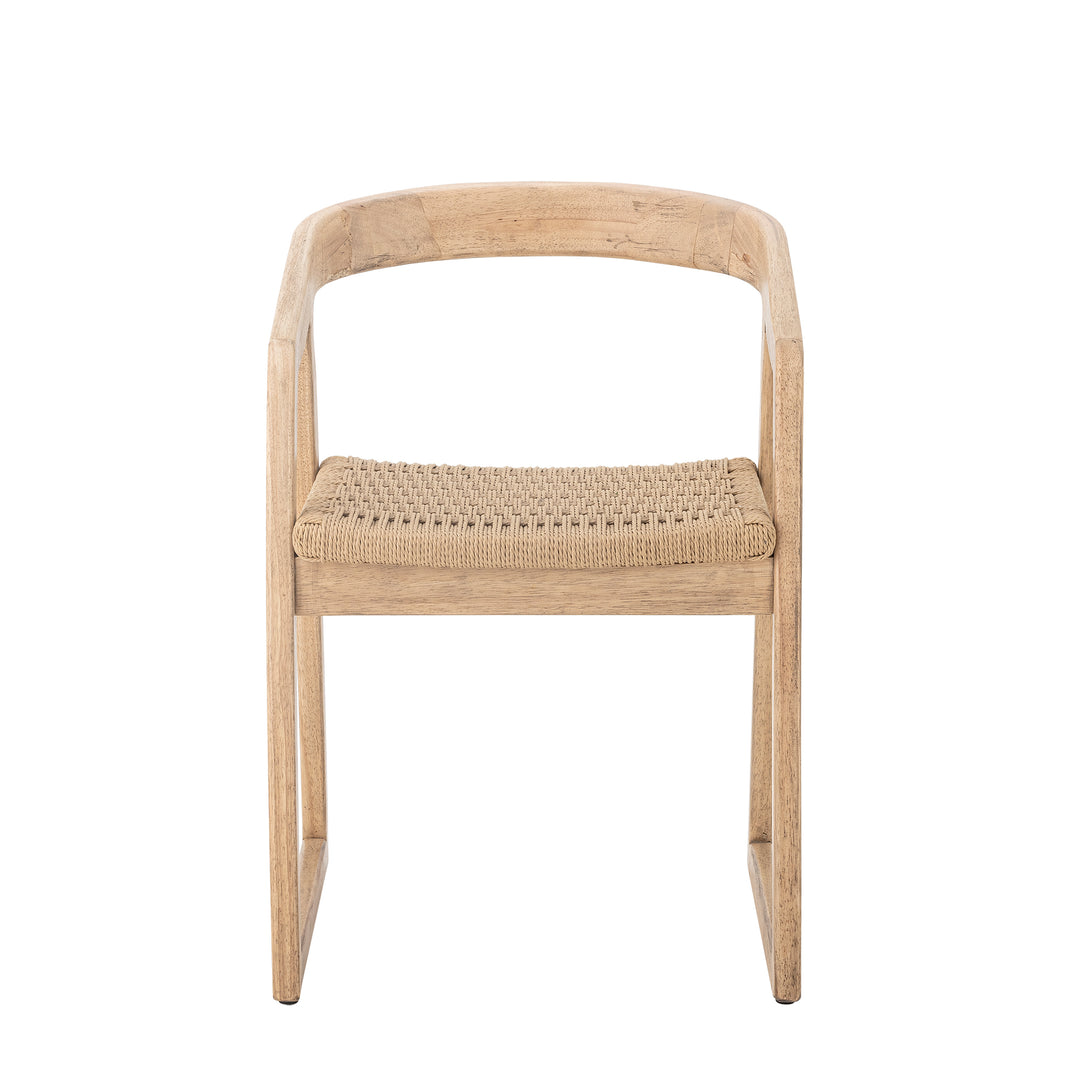
Credit: olivias.com
Rubberwood Basics
Rubberwood is a popular choice in furniture making. It has unique qualities that make it interesting for outdoor use. Understanding rubberwood basics helps in deciding if it suits your outdoor space. This section covers its origin, physical traits, and environmental impact.
Origin And Source
Rubberwood comes from the Pará rubber tree. This tree grows mainly in Southeast Asia. It is harvested after its latex-producing years end. The wood is a byproduct of the rubber industry. Using this wood supports sustainable practices. It gives the tree a second life beyond latex production.
Physical Characteristics
Rubberwood has a light cream to pale brown color. Its grain is straight and even, making it easy to work with. The wood is medium density, neither too soft nor too hard. It holds paint and varnish well. This helps protect it from weather when used outdoors. Rubberwood resists warping and cracking if treated properly.
Environmental Impact
Using rubberwood reduces waste from rubber plantations. It lowers the need to cut down other trees. This practice helps preserve forests and wildlife habitats. Rubberwood furniture often uses eco-friendly finishes. These finishes minimize harm to the environment. Choosing rubberwood supports recycling and sustainable forestry.
Durability In Outdoor Settings
Rubberwood is popular for outdoor furniture because of its strength and endurance. It can handle different outdoor conditions well. Understanding its durability helps you decide if it fits your needs.
Resistance To Weather
Rubberwood can resist mild weather changes. It holds up against sun and light rain without cracking. Still, heavy rain or extreme sun may cause damage over time. A protective finish can help it last longer outside.
Pest And Rot Resistance
Rubberwood is less resistant to pests and rot than some hardwoods. It can attract insects if not treated properly. Using sealants or treatments increases its defense against bugs and decay. This makes it safer for outdoor use.
Maintenance Needs
Rubberwood needs regular care to stay durable outdoors. Cleaning and applying protective coatings every year can prevent damage. Simple maintenance keeps it looking good and extends its life. Without care, it may wear out faster.
Aesthetic Appeal
Rubberwood has a unique look that fits well in outdoor settings. Its natural charm adds warmth and style to any garden or patio space. The wood’s appearance blends well with nature and outdoor elements, making it a popular choice for outdoor furniture.
Natural Grain And Color
Rubberwood shows a light, creamy color with subtle brown tones. Its grain is straight and smooth, giving a neat and clean look. This natural pattern makes each piece of furniture unique. The soft color works well in many outdoor environments. It creates a bright, fresh feel without being too bold.
Finishing Options
Rubberwood accepts many types of finishes well. You can use stains, paints, or clear coatings to protect it. Finishes help keep the wood looking good longer. They also add a layer of defense against weather damage. Choose a finish that matches your style and protects the wood.
Matching Outdoor Decor
The neutral color of rubberwood fits with many outdoor decor styles. It pairs nicely with greens, blues, and earth tones. You can mix it with metal or fabric elements easily. This flexibility lets you create a balanced and inviting space. Rubberwood furniture can be the perfect base for your outdoor design.
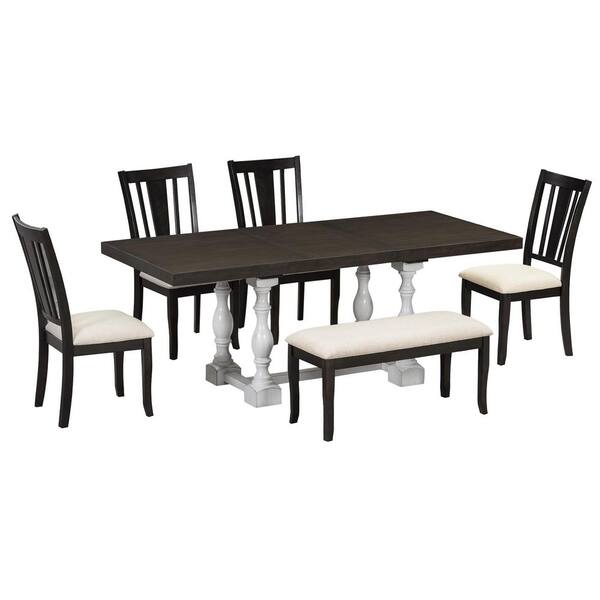
Credit: www.homedepot.com
Comparing Rubberwood With Other Woods
Choosing the right wood for outdoor furniture is important. Rubberwood is one option. Comparing it with other popular woods helps to understand its strengths and weaknesses. Let’s look at how rubberwood stands against teak and cedar. Also, we will explore cost and availability.
Teak Vs. Rubberwood
Teak is famous for outdoor use. It has natural oils that resist water and insects. Rubberwood does not have these oils. It needs treatment to protect against weather. Teak is harder and lasts longer without much care. Rubberwood is softer and may show dents more easily. Both woods look good but teak has a richer color. Rubberwood is lighter in color and can be painted or stained.
Cedar Vs. Rubberwood
Cedar is another wood used outdoors. It smells nice and naturally resists decay. Rubberwood does not have a strong smell. Cedar is lighter and more flexible. Rubberwood is denser and stronger but can absorb water if not sealed. Cedar changes color to a silver gray over time. Rubberwood keeps its color better with finishing. Both woods need protection for long life.
Cost And Availability
Rubberwood is usually cheaper than teak and cedar. It comes from rubber trees used in the latex industry. After latex production, the trees are cut and used for wood. This makes rubberwood a sustainable choice. Teak is rare and expensive. Cedar is more common but still costs more than rubberwood. Rubberwood is easy to find in many places. It is a budget-friendly option for outdoor furniture.
Care Tips For Longevity
Rubberwood is a popular choice for outdoor furniture. To keep it looking good, proper care is important. Simple steps help protect the wood and extend its life. Follow these tips to maintain your rubberwood furniture outdoors.
Cleaning And Sealing
Clean rubberwood regularly with a soft cloth and mild soap. Avoid harsh chemicals that can damage the surface. After cleaning, dry the furniture completely. Apply a clear outdoor wood sealant to protect against moisture. Reapply sealant every year for best results.
Protection From Elements
Keep rubberwood furniture out of direct rain and strong sunlight. Use covers when the furniture is not in use. Move furniture to a shaded area during extreme weather. This reduces warping, cracking, and fading. Proper protection keeps the wood strong and beautiful.
Repair And Refinishing
Check furniture regularly for small cracks or scratches. Sand rough spots gently with fine sandpaper. Use outdoor wood filler for deeper cracks. Refinish the surface by applying a fresh coat of sealant or paint. Quick repairs stop damage from spreading and keep furniture sturdy.
Popular Rubberwood Furniture Styles
Rubberwood furniture offers many style options for outdoor spaces. Its natural look and durability make it a popular choice. People use rubberwood to create various designs that fit different tastes and settings.
From sleek modern pieces to classic traditional styles, rubberwood adapts well. It also allows for customization, making it easy to match any outdoor decor.
Modern Designs
Modern rubberwood furniture features clean lines and simple shapes. It often uses light finishes to highlight the wood’s natural grain. Pieces like minimalist benches and sleek tables fit well in contemporary gardens and patios. The smooth surface of rubberwood makes it easy to maintain and perfect for modern outdoor living.
Traditional Looks
Traditional rubberwood furniture shows warm tones and detailed craftsmanship. It often includes carved patterns or rounded edges. Chairs, rocking seats, and classic dining sets are common forms. These pieces bring a cozy, timeless feel to outdoor areas. Rubberwood’s sturdy nature supports heavy use and outdoor exposure.
Customizable Options
Rubberwood furniture can be painted or stained in many colors. This lets you create unique pieces that suit your style. Custom cushions and finishes add comfort and personality. The wood’s smooth texture accepts paints and varnishes well. This flexibility makes rubberwood ideal for personalized outdoor furniture projects.
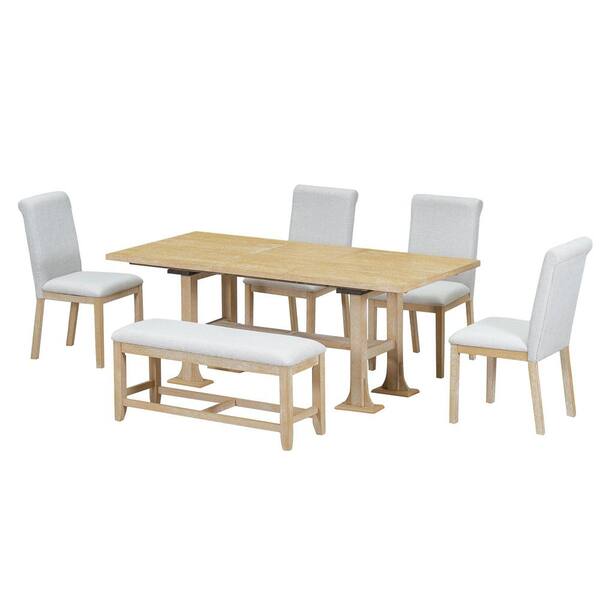
Credit: www.homedepot.com
Frequently Asked Questions
Is Rubberwood Suitable For Outdoor Furniture Use?
Rubberwood is moderately suitable for outdoor furniture but requires proper treatment. It resists decay but can absorb moisture if untreated. Applying sealants or varnish enhances its durability outdoors and prevents warping and cracking caused by weather exposure.
How Durable Is Rubberwood For Outdoor Conditions?
Rubberwood is fairly durable outdoors when sealed correctly. It withstands mild weather but is less resistant to extreme moisture or sunlight. Regular maintenance like refinishing helps maintain its strength and appearance over time in outdoor environments.
Does Rubberwood Resist Pests And Rot Outside?
Rubberwood has natural resistance to pests but is vulnerable to rot if exposed to constant moisture. Proper sealing and protective finishes prevent water absorption and fungal growth, enhancing its lifespan in outdoor settings.
What Maintenance Does Rubberwood Outdoor Furniture Need?
Rubberwood outdoor furniture needs regular cleaning and sealing. Apply protective coatings annually to prevent moisture damage and UV fading. Store furniture under cover during harsh weather to extend its life and maintain appearance.
Conclusion
Rubberwood works well for outdoor furniture in many cases. It is strong, affordable, and eco-friendly. The wood holds up okay against weather but needs care. Regular sealing or treatment can help it last longer. It also looks nice and fits many styles.
Think about your budget and maintenance before choosing rubberwood. This wood offers a good balance of cost and quality. For outdoor use, a little care goes a long way. Rubberwood can be a smart, practical choice for your patio.