Is your outdoor furniture looking dry, faded, or cracked? You might be wondering, “What do I use to rehydrate outdoor furniture?” Keeping your patio pieces fresh and vibrant isn’t as hard as you think.
With the right products and simple steps, you can bring life back to your worn-out chairs and tables. You’ll discover exactly how to restore your outdoor furniture’s natural beauty. Ready to make your outdoor space inviting again? Let’s dive in and find the perfect solution for your furniture.

Credit: www.kgcountry.com
Choosing The Right Rehydration Products
Choosing the right products to rehydrate outdoor furniture helps keep it strong and good-looking. Different materials need different care. Wood, metal, and plastic all react differently to moisture and sunlight. Using the right rehydration product can bring back the furniture’s beauty and protect it from damage. It also makes your outdoor space more inviting.
Natural Oils For Wood Furniture
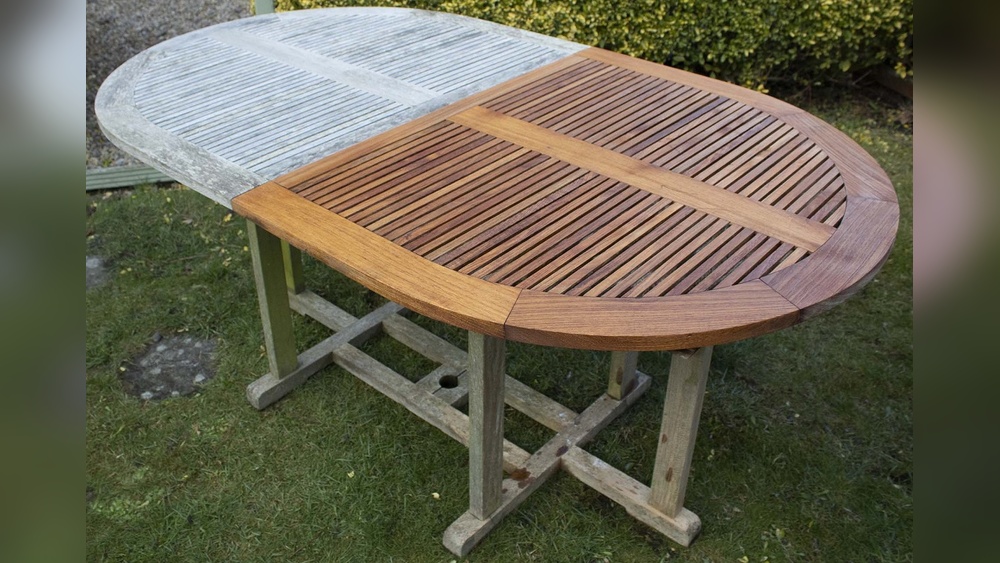
Natural oils are a gentle choice for wooden furniture. They soak into the wood and restore moisture. Oils like teak, linseed, and tung oil work well. These oils protect wood from drying out and cracking. They also bring out the wood’s natural color. Applying natural oils is simple. Use a soft cloth to rub the oil evenly. Let it soak in for a few hours before wiping off extra oil.
Commercial Restorers And Conditioners
Commercial products offer strong protection and quick results. These restorers and conditioners are made for outdoor furniture. They often contain special ingredients to fight water damage and UV rays. Many products work on wood, metal, and plastic. Always read the label before use. Some products need multiple coats for best effect. These options are good for heavily weathered furniture.
Homemade Solutions To Try
Simple homemade mixtures can also rehydrate furniture. Mix equal parts olive oil and vinegar for wood. This helps clean and add moisture. Another option is a mix of lemon juice and olive oil. It brightens and nourishes wood surfaces. These solutions are easy to make and cost little. Apply with a cloth and let it sit for a while. Homemade solutions suit light furniture care and quick fixes.
Prepping Outdoor Furniture For Rehydration
Prepping outdoor furniture for rehydration is the first step to restore its beauty and strength. Proper preparation helps the treatment work better and last longer. This process includes cleaning, fixing damage, and drying the furniture. Each step is important to bring your outdoor pieces back to life.
Cleaning And Removing Dirt
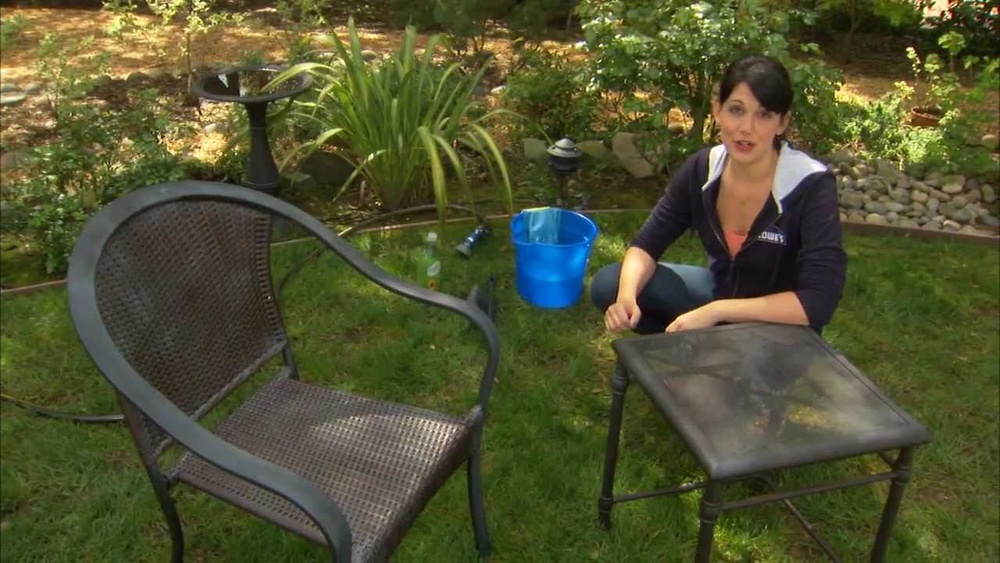
Start by removing dust, dirt, and grime from the furniture. Use a soft brush or cloth to wipe the surface gently. For stubborn dirt, mix mild soap with water and scrub carefully. Avoid harsh chemicals that can damage the wood or material. Rinse well with clean water and let it dry slightly.
Sanding And Repairing Damage
Check for cracks, splinters, or rough spots on the furniture. Lightly sand these areas with fine-grit sandpaper to smooth the surface. Sanding opens the pores of the wood, helping the rehydration product soak in better. Fill any deep cracks with wood filler and let it dry before sanding again.
Drying Before Treatment
Allow the furniture to dry completely before applying any rehydration product. Moisture in the wood can block absorption and cause damage. Place the furniture in a shaded, well-ventilated area. Drying time depends on weather but usually takes 24 to 48 hours. Only treat dry furniture for the best results.
Step-by-step Rehydration Process
Rehydrating outdoor furniture brings back its beauty and strength. Dry wood can crack and lose its charm. The right steps help restore moisture and protect the furniture. Follow this simple process to give your outdoor pieces a fresh start.
Applying Oils And Conditioners
Start by choosing the right oil or conditioner for your furniture. Teak oil, linseed oil, or specialized wood conditioners work well. Use a clean cloth or brush to apply a thin, even layer. Cover all surfaces, including corners and edges. Let the oil soak in for about 15 to 30 minutes. Wipe off any extra oil to avoid sticky spots.
Techniques For Even Coverage
Work in small sections for better control. Move your cloth or brush along the wood grain. Avoid pressing too hard to prevent streaks. Rotate your furniture if possible to reach all angles. Use gentle, smooth strokes to spread the oil evenly. Take your time to ensure no spots are missed.
Multiple Treatments And Timing
One coat may not be enough for very dry wood. Apply several layers, allowing time for absorption between each. Wait at least 24 hours before adding another coat. Check the furniture after each treatment for dryness. Stop when the wood feels nourished and smooth. Regular treatments keep your furniture in top shape.
Maintaining Rehydrated Furniture
Maintaining rehydrated outdoor furniture helps keep it strong and beautiful. Proper care after rehydration extends the life of wood or other materials. It also prevents damage from dirt, moisture, and sun. Simple routines protect your investment and keep furniture ready for use anytime.
Regular Cleaning Tips
Clean furniture regularly with a soft brush or cloth. Use mild soap mixed with water to remove dirt. Avoid harsh chemicals that can damage the surface. Rinse with clean water and dry with a towel. This stops dirt buildup and keeps wood healthy.
Seasonal Care Advice
Check furniture at the start of each season. Apply oil or sealant after cleaning to keep wood moist. Sand rough spots gently to smooth the surface. Store cushions and covers in a dry place during winter. This prevents cracking and fading over time.
Protective Measures Against Weather
Use waterproof covers to shield furniture from rain and snow. Place furniture in shaded areas to reduce sun damage. Avoid placing near sprinklers or wet areas. Elevate furniture slightly to prevent water pooling underneath. These steps help maintain the rehydrated finish longer.
Material-specific Tips
Outdoor furniture needs different care based on the material. Each type reacts differently to water and cleaning products. Using the wrong method can cause damage or reduce its life. Below are tips for rehydrating wood, metal, plastic, and resin furniture. These simple steps help keep your furniture looking fresh and strong.
Wood Furniture Care
Wood furniture dries out and cracks easily. Use a soft cloth and mild soap with water to clean it. After cleaning, apply a wood conditioner or oil. Teak oil works well for many woods. It soaks into the wood, restoring moisture and color. Avoid harsh chemicals that strip natural oils. Let the furniture dry in shade to avoid sun damage.
Metal Furniture Maintenance
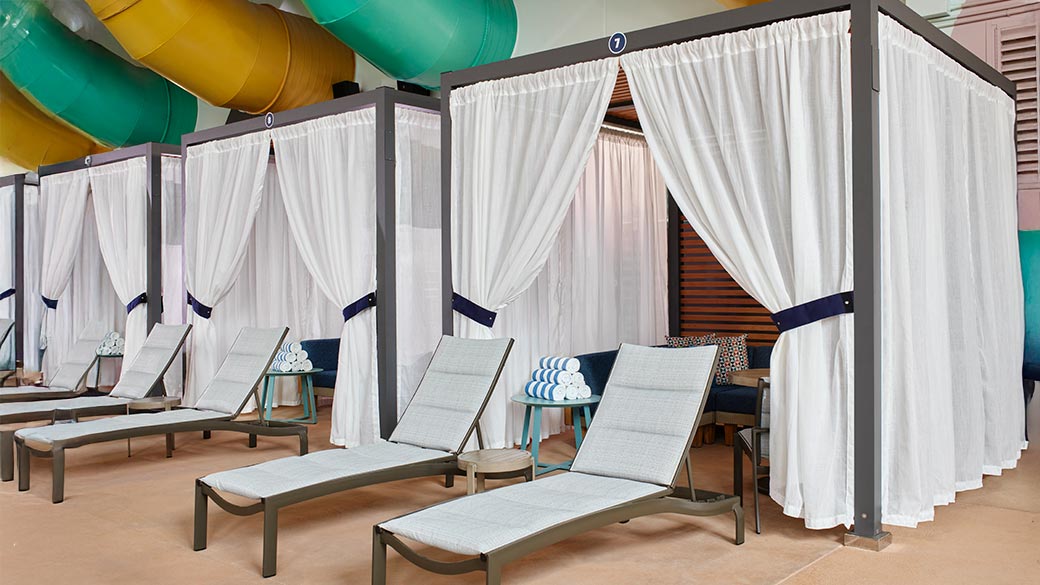
Metal furniture can rust if left wet. Clean with warm soapy water and a soft brush. Rinse and dry it fully after washing. Apply a rust-resistant spray or paint to protect the surface. For aluminum or stainless steel, polish with a metal cleaner. This keeps the metal shiny and prevents corrosion. Cover metal furniture during heavy rain or winter.
Plastic And Resin Furniture
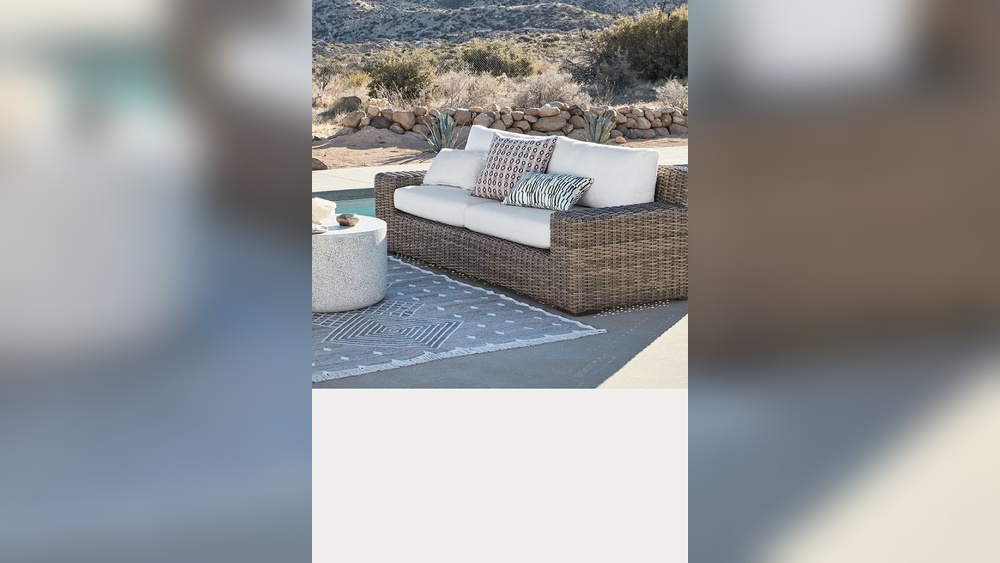
Plastic and resin furniture needs gentle cleaning. Use soap, water, and a sponge to remove dirt. Avoid abrasive scrubbers that scratch the surface. To restore shine, use a plastic cleaner or a mix of vinegar and water. Rinse well and dry with a soft cloth. Store these pieces indoors or use covers in bad weather.

Credit: www.polywood.com
Credit: www.greatwolf.com
Frequently Asked Questions
What Is The Best Product To Rehydrate Outdoor Furniture?
Use specialized wood oils like teak oil or linseed oil. These nourish and restore moisture to dried-out wood effectively. Avoid water-based products as they can cause damage or warping.
How Often Should I Rehydrate My Outdoor Furniture?
Rehydrate your outdoor furniture once or twice a year, ideally before and after the outdoor season. Regular treatment prevents cracking and fading caused by sun and weather exposure.
Can I Use Household Oils To Rehydrate Furniture?
Household oils like olive or vegetable oil are not recommended. They can attract dirt and cause sticky residue. Use oils specifically designed for outdoor furniture care.
How Do I Prepare Furniture Before Rehydrating It?
Clean the furniture thoroughly with mild soap and water, then let it dry. Remove dirt, dust, and old finishes to allow the oil to penetrate deeply.
Conclusion
Outdoor furniture needs care to stay strong and fresh. Use water and mild soap to clean dirt and dust. Apply oil or special wood treatment for wood pieces. For plastic or metal, use suitable cleaners and protectants. Regular care keeps furniture looking good longer.
Small efforts make a big difference in durability. Enjoy your outdoor space with well-kept furniture every season. Simple steps protect your investment and improve comfort. Take time to rehydrate and maintain your outdoor furniture today.