Are you wondering if waxing your painted wood outdoor furniture is a good idea? You want your furniture to look great and last longer, but you’re not sure if wax will help or harm the paint.
Making the right choice can protect your investment and keep your outdoor space inviting. You’ll discover the truth about waxing painted wood furniture, how it affects durability, and the best way to care for your pieces. Keep reading to find out exactly what you need to do to keep your outdoor furniture looking its best season after season.

Credit: www.amazon.com
Benefits Of Waxing Painted Wood
Waxing painted wood outdoor furniture offers many benefits. It helps keep the furniture looking fresh and new. The wax forms a thin layer that protects the paint and wood. This simple step improves both the look and durability of your outdoor pieces.
Regular waxing also makes cleaning easier. Dust and dirt do not stick as much. The furniture stays brighter for longer. Waxing is a small effort with big results.
Enhancing Appearance
Wax adds a soft shine to painted wood. It brings out the color and texture of the paint. This shine makes furniture look well cared for. The finish appears smooth and polished. Wax hides small scratches and dull spots too.
Protecting Against Moisture
Outdoor furniture faces rain, dew, and humidity. Wax creates a barrier that slows water absorption. This barrier stops moisture from reaching the wood. It prevents paint from peeling or bubbling. Wax helps keep wood dry and strong.
Extending Furniture Lifespan
Wax shields painted wood from damage by sun and rain. It reduces wear and tear from daily use. The wood stays protected from cracking and fading. Waxed furniture lasts longer and needs less repair. This protection saves money over time.

Credit: www.amazon.com
Risks Of Waxing Painted Wood
Waxing painted wood outdoor furniture may seem like a good idea to protect it. But it can cause problems. Understanding the risks helps you make a better choice. Wax can affect the paint and the furniture’s look over time. It can also make cleaning and repairs harder.
Potential Paint Damage
Wax can trap moisture under the paint. This may cause the paint to peel or bubble. Some waxes react with paint chemicals. This can dull the paint’s shine or change its color. Repeated waxing can wear down the paint layer. The furniture may lose its fresh, clean look fast.
Attracting Dirt And Dust
Wax creates a sticky surface. Dust and dirt stick easily to waxed paint. This makes the furniture look dirty quickly. Cleaning waxed surfaces is tricky. Dirt can mix with wax and form a rough layer. This layer can scratch the paint when wiped off.
Difficulties In Future Maintenance
Wax can build up over time. This buildup makes repainting harder. Paint may not stick well to waxed surfaces. Removing old wax takes extra effort. Repairs and touch-ups become more complicated. Maintenance costs and time increase.
Choosing The Right Wax
Choosing the right wax for painted wood outdoor furniture is important. The right wax protects the paint and wood from weather damage. It also keeps the furniture looking fresh and new for longer. Not all waxes work well with outdoor painted wood. You must pick a wax that fits your furniture’s needs and paint type.
Types Of Wax Suitable For Outdoor Use
Outdoor furniture needs waxes made for tough conditions. Hard waxes protect better but can be harder to apply. Soft waxes are easier to spread but may need more frequent reapplication. Carnauba wax is popular for outdoor use. It is natural and very durable. Beeswax also works well but may not last as long in rain. Some waxes mix natural and synthetic ingredients for better protection.
Natural Vs Synthetic Options
Natural waxes come from plants and animals. They are safe and eco-friendly. Beeswax and carnauba are common natural options. They give a nice shine and good protection. Synthetic waxes are man-made. They often last longer and resist water better. Some synthetic waxes include polymers that add extra strength. Choose natural wax for a gentle, green option. Pick synthetic wax for stronger, longer-lasting protection.
Wax Compatibility With Paint Types
Check your paint type before waxing. Some waxes work best with oil-based paints. Others suit water-based or latex paints better. Using the wrong wax can cause peeling or dullness. Test wax on a small hidden spot first. This helps avoid damage or color change. Follow the paint manufacturer’s advice for best results. Proper matching keeps your furniture looking great and protected.
Preparation Before Waxing
Preparation before waxing painted wood outdoor furniture is crucial. It ensures the wax sticks well and protects the wood. Proper prep helps the finish last longer and look better. Skipping these steps can lead to poor results and damage.
Cleaning The Surface
Start by cleaning the furniture thoroughly. Use mild soap and water to remove dirt and dust. Avoid harsh cleaners that can damage paint. Rinse well and let it dry completely. A clean surface helps the wax bond properly.
Checking Paint Condition
Look closely at the paint for chips or cracks. Waxing over damaged paint can trap moisture and cause peeling. Repair any damaged areas before waxing. This keeps the wood safe and the finish smooth.
Sanding Tips If Needed
Lightly sand the surface if the paint feels rough. Use fine-grit sandpaper to avoid removing too much paint. Sanding creates a smooth base for the wax. Always wipe away dust after sanding to keep the surface clean.
Waxing Techniques For Painted Wood
Waxing painted wood outdoor furniture protects the paint and enhances its look. It adds a soft shine and creates a barrier against dirt and moisture. Using the right waxing techniques ensures the wood stays beautiful for a long time.
Application Methods
Choose a soft cloth or a foam brush to apply wax. Apply wax in small sections to avoid missing spots. Spread the wax evenly with gentle circular motions. Avoid using too much pressure to keep the paint intact.
How Much Wax To Use
Use a small amount of wax at first. A thin layer works best. Too much wax can leave a sticky surface and attract dust. You can always add more wax after the first layer dries.
Buffing For Best Results
Buff the wax after it dries using a clean, dry cloth. Move the cloth in small circles to bring out a shine. Buffing also helps the wax seal the paint. Do not rush; take your time for a smooth finish.
Alternative Protective Options
Waxing painted wood outdoor furniture is not the only way to protect it. Several alternative options help keep the furniture safe from weather damage. These methods also maintain the look and extend the life of your pieces.
Sealants And Varnishes
Sealants and varnishes form a hard, clear layer on wood surfaces. They prevent water from soaking into the wood. This stops swelling, cracking, and peeling paint. Many sealants are designed for outdoor use and resist UV rays. Applying a good quality sealant can keep furniture looking fresh longer. Reapply every year or two for best results.
Outdoor Furniture Covers
Outdoor furniture covers protect your pieces from rain, sun, and dust. Covers are easy to put on and remove. They block moisture and keep dirt away. Using covers when furniture is not in use reduces wear and tear. Choose covers made of breathable material to avoid mold and mildew buildup.
Regular Cleaning And Maintenance
Cleaning painted wood furniture regularly removes dirt and grime. Use mild soap and water with a soft cloth or sponge. Avoid harsh chemicals that can damage the paint. Check furniture for chips or cracks and fix them quickly. Small repairs help prevent bigger problems. A clean and well-maintained piece lasts much longer outdoors.
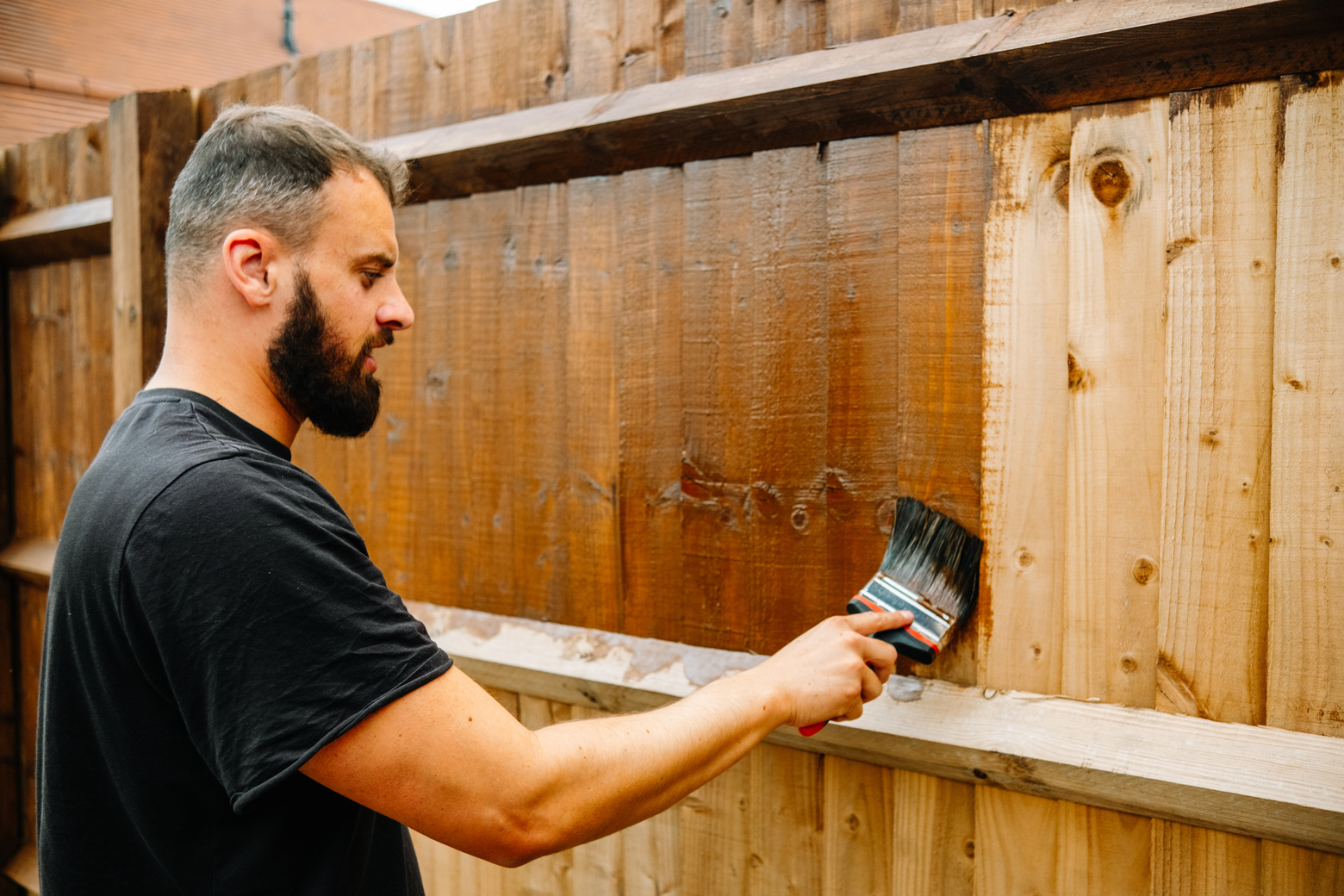
Credit: www.wood-finishes-direct.com
Frequently Asked Questions
Should I Wax Painted Wood Outdoor Furniture?
Waxing painted wood outdoor furniture adds a protective layer against moisture and UV damage. It also enhances the finish’s shine and durability. However, ensure the paint is fully cured and compatible with wax before application to avoid peeling or discoloration.
How Often Should I Wax Painted Outdoor Wood Furniture?
Wax painted outdoor wood furniture should be waxed every 6 to 12 months. Frequency depends on exposure to weather and wear. Regular waxing maintains protection, prevents drying, and keeps the surface looking fresh and vibrant.
Can Waxing Prevent Paint From Peeling Outdoors?
Yes, waxing can help prevent paint peeling by sealing the surface and reducing moisture penetration. It forms a barrier that protects the paint from harsh weather conditions, thus extending the furniture’s lifespan and appearance.
What Type Of Wax Is Best For Painted Wood Furniture?
Use a clear, paste wax designed for outdoor wood furniture. Avoid colored or abrasive waxes that may damage the paint. Outdoor-specific waxes provide better protection against UV rays and moisture.
Conclusion
Waxing painted wood outdoor furniture can protect and shine it well. It helps keep moisture out and stops paint from peeling. You should wax only if the paint is dry and clean. Avoid waxing too often to prevent build-up. Choose a wax made for outdoor use to get best results.
Regular care will keep your furniture looking nice longer. Small efforts lead to big improvements in durability. Think about your furniture’s condition before waxing. Simple steps can make your outdoor space more inviting.