Choosing the right toddler bed height might seem simple, but it’s more important than you think. You want your little one to sleep safely and comfortably, while also making it easy for them to get in and out on their own.
If the bed is too high, it could be dangerous. Too low, and it might not feel cozy or supportive. You’ll discover exactly how high a toddler bed should be—and why that height matters for your child’s safety and independence.
Keep reading to make the best choice for your family.

Credit: oeufnyc.com
Why Bed Height Matters
Choosing the right height for a toddler bed is important. It affects your child’s comfort and safety. The bed should not be too high or too low. The right height helps your toddler move easily and sleep well. Understanding why bed height matters can help parents make the best choice.
Safety Concerns
A bed that is too high can cause falls. Toddlers can hurt themselves if they slip off. Low beds reduce the risk of injury from falls. Guardrails help, but height is the first safety factor. Safety is the top reason to pick the right bed height.
Ease Of Access
Toddlers need to get in and out alone. A bed too tall makes this hard for little legs. The right height means your child can climb up safely. It also makes bedtime routines smoother for parents and kids. Easy access builds confidence in toddlers.
Transition From Crib To Bed
Moving from a crib to a bed is a big step. A bed close to the ground feels familiar and less scary. It helps toddlers adjust without fear of falling. The right height supports a smooth change and better sleep habits. A gentle transition helps your child grow.
Ideal Height Range For Toddler Beds
Choosing the right height for a toddler bed helps keep your child safe and comfortable. The ideal height lets toddlers get in and out easily. It also prevents falls and helps parents check on their child at night. Understanding the standard heights and adjusting for your toddler’s needs is important.
Many toddler beds follow a common height range. This range fits most children well. Knowing this range helps you pick a bed that suits your home and child.
Standard Bed Heights
Toddler beds usually stand about 7 to 12 inches off the floor. This height allows toddlers to climb in and out by themselves. It also keeps the bed low enough to reduce injury risk if they fall. Many beds have a low frame and safety rails. These features add extra protection and comfort.
Mattress height also affects the total bed height. Most toddler mattresses are about 4 to 6 inches thick. Adding mattress height to frame height gives the total bed height your child will use. This total height is key to a safe sleeping setup.
Adjusting For Toddler Age And Size
Each toddler grows differently. Some may be taller or more active than others. Adjust bed height to match your child’s size and abilities. For younger toddlers, a lower bed helps prevent accidents. Older or taller toddlers may need a slightly higher bed for comfort.
Consider your child’s mobility too. If your toddler climbs well, a standard height is fine. If your child needs more help, choose a bed closer to the floor. This choice supports independence and safety at the same time.
Factors Influencing Bed Height Choice
Choosing the right height for a toddler bed is important. It affects safety and comfort. Several factors help decide the best bed height for your child. These factors relate to the room, floor, and your toddler’s skills.
Thinking about these details makes the bed safer and easier to use. It also helps your child feel more confident getting in and out of bed.
Room Layout And Furniture
The space around the bed matters a lot. Check how much room you have near the bed. Consider the height of other furniture like dressers or shelves. A bed too tall might not fit well with other items.
Make sure the bed does not block doors or windows. It should fit safely without crowding the room. Good layout helps your toddler move freely and prevents accidents.
Flooring Type
The type of floor under the bed changes the risk of injury. Hard floors like wood or tile can hurt if your child falls. Softer floors like carpet reduce the risk.
Lower beds work better with hard floors. This lowers the chance of a serious fall. If the floor is soft, you have more flexibility with bed height.
Toddler’s Mobility Skills
Think about your child’s ability to get in and out of bed. Some toddlers climb easily. Others need a bed closer to the floor. A lower bed helps toddlers who are still learning to move safely.
Watch how your toddler moves. Choose a bed height that fits their skill level. This helps prevent falls and builds confidence.

Credit: www.roomix.com
Tips For Choosing The Right Bed Height
Choosing the right bed height for your toddler is important for safety and comfort. The bed should be easy for your child to get in and out of. It should also prevent falls and make bedtime a happy time. Use these tips to find the perfect height for your toddler bed.
Measuring Your Toddler
Start by measuring your toddler’s height and leg length. Sit them on the floor and measure from the floor to their knee. This helps find a bed height that fits their size. The bed should allow their feet to touch the floor when sitting on the edge.
Testing Bed Accessibility
Check how easily your toddler can climb into the bed. A low bed is best for young toddlers. They should be able to get in and out without help. Test the bed’s height with your child before buying. Make sure they feel safe and confident.
Considering Mattress Thickness
Remember to add mattress thickness to bed height. A thick mattress raises the sleeping surface. Choose a mattress that fits well with the bed frame. The mattress should not make the bed too high or hard to access.
Safety Features Related To Bed Height
Safety is key when choosing the right height for a toddler bed. The bed should be low enough to prevent serious falls. Certain features can help protect your child. These features work with the bed height to keep your toddler safe during sleep and play.
Bed Rails And Guards
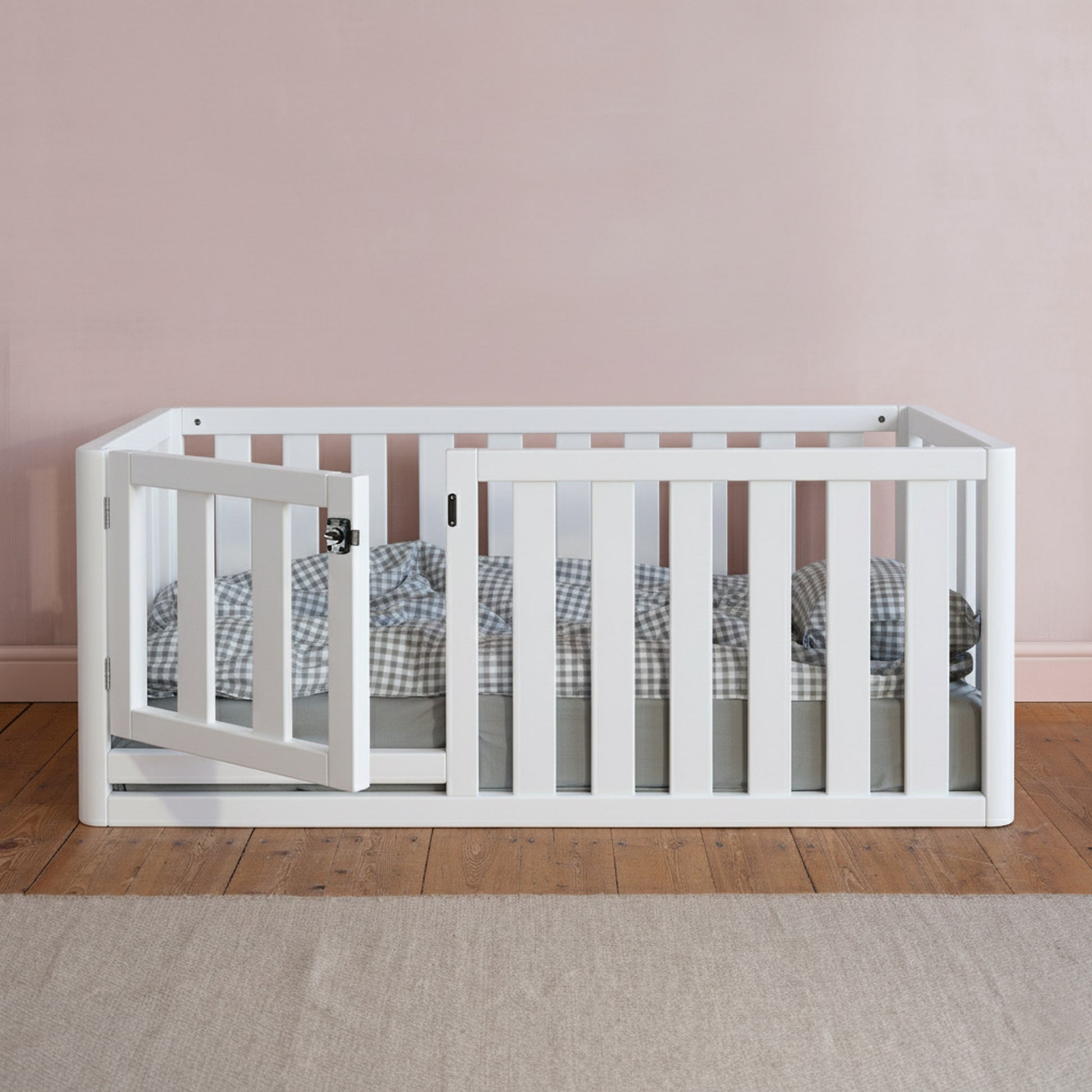
Bed rails stop your child from rolling off the bed. They create a barrier on the sides of the mattress. Rails should be tall enough to hold the child but not too high to trap them. Guards must fit tightly and be strong to avoid gaps. Soft, rounded edges reduce the risk of injuries.
Non-slip Steps Or Ladders
Some toddler beds come with steps or ladders. These help children climb safely onto the bed. Non-slip surfaces on steps prevent slipping and falling. Steps should be wide and low to make climbing easy. Handrails can give extra support and balance.
Alternatives To Traditional Toddler Beds
Choosing the right bed for a toddler is important. Traditional toddler beds are common but not the only option. Parents can explore other styles that offer safety and comfort. These alternatives also help toddlers feel more independent and secure in their sleep space.
Floor Beds
Floor beds sit directly on the floor without a frame. Toddlers can climb in and out easily. This design lowers the risk of falls from height. Floor beds also create a cozy and open space. They encourage toddlers to move freely and explore safely.
These beds work well for children who like to be close to the floor. They fit well in small rooms or play areas. Adding soft pillows or cushions around the bed can increase comfort and safety.
Adjustable Beds
Adjustable beds grow with your child. They can change height as toddlers get older. This feature helps keep the bed safe and comfortable. Parents can lower the bed for younger toddlers. Raise it later for easier use by older kids.
Many adjustable beds also convert to regular beds. This makes them a long-lasting choice. They often include guardrails for extra protection. Adjustable beds fit different room layouts and needs.
When To Move To A Regular Bed
Moving your toddler to a regular bed is a big step. It means they are growing and ready for more space. Parents often wonder how to tell the right time. Watching your child closely helps make the choice easier. Safety and comfort matter most during this change.
Signs Your Toddler Is Ready
Your toddler may climb out of their crib often. This shows they need more freedom and space. They might ask to sleep in a bigger bed. Notice if they seem cramped in the crib. Also, if your child wakes up upset from feeling stuck, it is a sign. These hints tell you they are ready to move.
Adjusting Bed Height For Growth
Regular beds come in various heights. Choose one that suits your toddler’s size. The bed should be low enough to get in and out safely. As they grow, adjust the mattress height if possible. This helps keep the bed safe and comfy. Use bed rails to prevent falls during the transition.
Credit: www.roomix.com
Frequently Asked Questions
How High Should A Toddler Bed Be Off The Ground?
A toddler bed should be low, about 7 to 10 inches off the ground. This height ensures easy access and safety for toddlers climbing in and out independently.
Why Is Bed Height Important For Toddlers?
Proper bed height prevents falls and injuries. It also helps toddlers feel secure and comfortable while transitioning from a crib to a bed.
Can A Toddler Bed Be Too Low?
Yes, a bed too low can cause discomfort and strain. It’s important to balance safety with easy access for your toddler.
What Is The Safest Height For Toddler Bed Rails?
Bed rails should be about 5 to 7 inches above the mattress. This height helps prevent falls without restricting movement or causing injury.
Conclusion
Choosing the right height for a toddler bed keeps your child safe and comfortable. A bed too high can cause falls, while too low may be hard to get in and out. Aim for a height that lets your toddler climb easily and sleep well.
Always check the bed’s guardrails and mattress fit. Safety matters most. A well-chosen bed helps your child feel secure and grow confidently. Keep these tips in mind for a happy bedtime every night.