If you have a toddler and a bunk bed in your home, you might be worried about your little one climbing up and risking a fall. Keeping your toddler safe around bunk beds can feel like a constant challenge.
You want your child to explore and grow, but you also want peace of mind knowing they won’t get hurt. You’ll discover simple and effective ways to stop your toddler from climbing into the bunk bed. These easy tips will help you protect your child while making your home a safer place.
Keep reading to learn how you can prevent accidents before they happen.
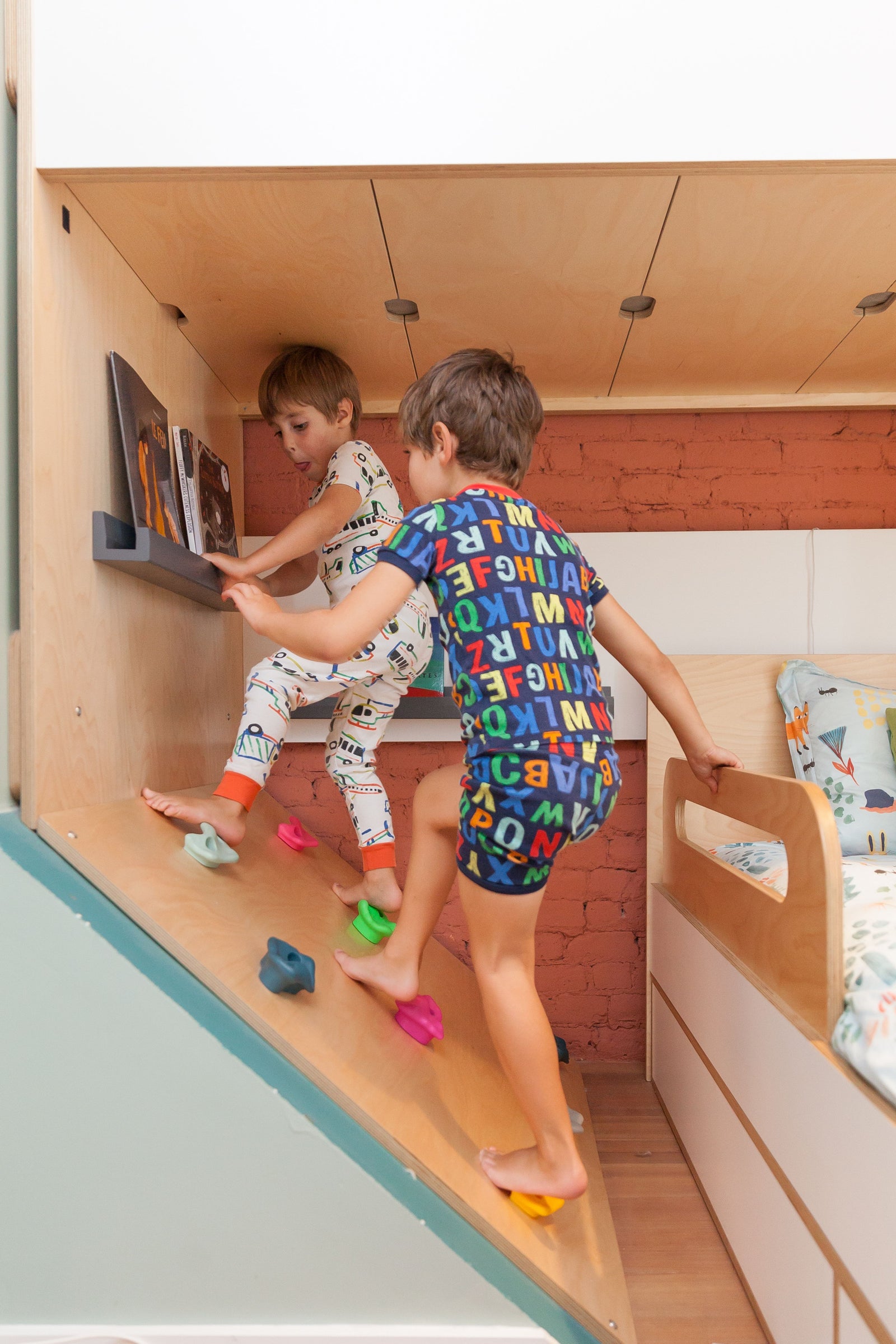
Credit: casakids.com
Risks Of Toddler Climbing Bunk Beds
Toddlers climbing bunk beds is a serious safety concern. These beds are high and not made for young children to climb freely. Falls from bunk beds can cause big injuries. Parents must understand the risks and reasons behind this behavior. This knowledge helps in preventing accidents effectively.
Common Injuries From Falls
Falls from bunk beds can cause bruises, cuts, and broken bones. Head injuries are also common and very dangerous. Even a small fall can hurt a toddler badly. The height of the top bunk increases the risk of serious harm. Toddlers may not have the balance or strength to climb safely. Falls during sleep or play can happen suddenly. Quick action and safety measures reduce these risks greatly.
Why Toddlers Climb
Toddlers climb because they are curious and full of energy. Climbing helps them explore their world and learn new skills. They may want to reach toys or see what is on the top bunk. Sometimes climbing is a way to get attention. Toddlers do not understand the danger of falling. Their natural urge to explore makes them take risks. Knowing these reasons can help parents guide toddlers safely.
Choosing The Right Bunk Bed
Choosing the right bunk bed is important for your toddler’s safety and comfort. The bed should fit your child’s needs and keep them safe from falls. A well-chosen bunk bed reduces the risk of your toddler climbing into it unsafely. It also helps parents feel more at ease. Consider features and age suitability to make the best choice.
Safety Features To Look For
Choose bunk beds with strong guardrails on all sides. These prevent your toddler from falling out while sleeping. Look for beds with a sturdy ladder that is easy to climb. The ladder should be fixed and not wobble. Rounded edges on the bed frame reduce the chance of injuries. Check for non-toxic paint and finishes. These keep your child safe from harmful chemicals.
Age-appropriate Bed Options
Toddlers need beds designed just for their age. Some bunk beds have lower heights and smaller ladders. These are better for younger children. Consider beds that convert from cribs or toddler beds to bunk beds. This helps your child grow safely. Avoid high top bunks for toddlers under six years old. Age-appropriate beds make climbing less tempting and safer.
Effective Barriers And Guards
Keeping toddlers safe around bunk beds is a top priority for parents. Effective barriers and guards help prevent little ones from climbing up unsafely. These tools create physical limits that keep toddlers from reaching high places. They give parents peace of mind and protect children from falls.
Choosing the right barriers depends on the bed type and your child’s habits. The goal is to make climbing difficult while keeping the bed accessible for older kids. Simple installations can make a big difference in safety.
Installing Bed Rails
Bed rails block the edges of the bunk bed. They stop toddlers from slipping or climbing over the sides. Rails come in many sizes and styles. Choose sturdy ones that fit your bed securely.
Install rails on the top bunk to cover all open sides. Make sure they are high enough to prevent climbing. Check that rails do not have gaps where a child’s head or limbs could get stuck. Tighten all screws and bolts firmly.
Using Safety Gates
Safety gates create a barrier at the bunk bed ladder. They stop toddlers from climbing the ladder alone. Gates are easy to open for adults but tricky for little hands.
Choose a gate with strong locks and durable materials. Install the gate at the bottom of the ladder. This setup keeps toddlers grounded while allowing older kids to climb safely.
Regularly check gates for wear and tear. Replace or fix any broken parts immediately. Using gates and rails together improves bunk bed safety significantly.

Credit: www.amazon.com
Creating A Safe Sleep Environment
Creating a safe sleep environment helps prevent your toddler from climbing into a bunk bed. A secure room reduces risks and gives peace of mind. Toddlers need a space that feels cozy and safe. This means setting up the room carefully and removing anything that might tempt them to climb.
Removing Temptations
Take away toys or furniture near the bunk bed that invite climbing. Avoid placing chairs, stools, or boxes close to the bed. These items act as steps and encourage your toddler to climb up. Keep the floor clear of anything that might help them reach the bunk bed. The less tempting the room, the safer it stays.
Safe Room Setup
Arrange the room so the bunk bed is the hardest thing to climb. Use safety rails on the bed to block easy access. Put the bed against a wall to limit climbing options. Add nightlights to help your child feel secure at night. A well-organized room keeps your toddler safe and calm.
Behavioral Strategies
Behavioral strategies help guide toddlers away from climbing into bunk beds. They focus on teaching and encouraging safe habits. These methods build understanding and trust between you and your child. Consistency and positive feedback make a big difference. Toddlers learn best when rules are clear and rewards follow good behavior.
Consistent Rules And Boundaries
Set clear rules about bunk bed use. Explain that only older kids can climb it. Repeat these rules often and calmly. Use simple words your toddler understands. Watch for times your child tries to climb. Gently remind them of the rules each time. Avoid yelling or harsh punishments. Calm consistency helps your toddler learn limits. Keep the environment safe and free of climbing temptations.
Positive Reinforcement Techniques
Praise your toddler when they follow the rules. Say things like “Great job staying on your bed.” Offer small rewards like stickers or extra storytime. Rewards motivate toddlers to keep safe habits. Celebrate even small successes to build good behavior. Avoid punishment that may cause fear or confusion. Positive feedback encourages your toddler to listen and learn. This approach builds confidence and trust in your guidance.
Alternative Sleep Arrangements
Alternative sleep arrangements can help keep toddlers safe and comfortable at night. These options prevent toddlers from climbing into bunk beds, which can be risky at a young age. Choosing the right sleeping setup supports better rest and peace of mind for parents.
Using Toddler Beds
Toddler beds are a great step between cribs and regular beds. They are low to the ground, making it easy for toddlers to get in and out safely. Many toddler beds come with guardrails to prevent falls during sleep. These beds feel more grown-up, helping toddlers adjust to sleeping alone. Using a toddler bed reduces the chance of climbing accidents.
Co-sleeping Considerations
Co-sleeping means sharing a bed with your toddler. It can create a strong bond and make nighttime comforting easier. Safety is important with co-sleeping to avoid accidental injuries. Use a firm mattress and keep pillows and blankets away from the toddler. Decide if co-sleeping fits your family’s needs and routines. This option can reduce the urge for toddlers to climb into bunk beds.
Monitoring And Supervision Tips
Keeping a toddler from climbing into a bunk bed requires careful monitoring and supervision. Toddlers are curious and quick, so watching them closely helps prevent accidents. Simple, consistent methods make a big difference in safety.
Using Baby Monitors
Baby monitors help parents watch toddlers even from another room. Audio and video features let you hear or see your child at all times. This helps spot attempts to climb early and stop them gently. Choose a monitor with good range and clear sound. Place it where you can see the bunk bed easily. Monitors give peace of mind while you do other tasks.
Regular Check-ins
Regularly checking on your toddler helps keep them safe near bunk beds. Walk into the room every 10 to 15 minutes. Look for signs they might try to climb. Talking softly can distract them from climbing. This habit shows your child that you are near and aware. Frequent checks reduce risks without constant hovering.

Credit: casakids.com
Frequently Asked Questions
How Can I Prevent My Toddler From Climbing Bunk Beds?
Use safety gates or barriers to block access. Explain the dangers clearly. Provide alternative play areas to divert attention. Consistently supervise and reinforce boundaries.
What Are Safe Alternatives To Bunk Beds For Toddlers?
Consider low beds or floor mattresses for toddlers. These reduce fall risks and encourage safe sleeping habits. Use toddler beds with guardrails for added safety.
When Is It Safe For Toddlers To Use Bunk Beds?
Most experts recommend waiting until age 6 or older. At this age, children better understand safety rules and risks. Always follow manufacturer guidelines for age recommendations.
How Do I Explain Bunk Bed Dangers To My Toddler?
Use simple language and clear examples. Emphasize that climbing can cause injuries. Repeat the message often and praise safe behavior. Visual aids like pictures can help understanding.
Conclusion
Keeping toddlers safe around bunk beds takes patience and care. Set clear rules and explain them often. Use safety rails and locks to block climbs. Offer fun, safe alternatives to climbing. Watch your child closely during playtime. Consistency helps children learn boundaries well.
Safety is key for happy, worry-free nights. Small steps make a big difference in safety. Stay calm and keep trying different methods. Your child will learn to respect the bunk bed soon.