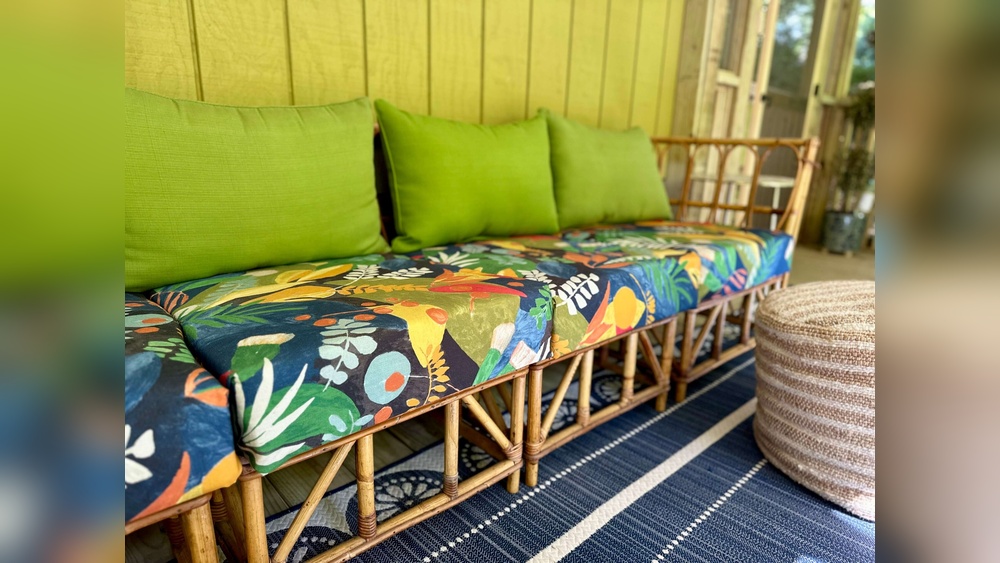
Your outdoor furniture is more than just a place to sit—it’s a part of your home’s charm and comfort. But wood left outside faces sun, rain, and changing seasons that can quickly wear it down.
If you want your wooden furniture to stay beautiful and strong year after year, sealing it is a must. In this guide, you’ll discover simple, effective ways to protect your wood from damage and keep it looking fresh. By the end, you’ll have the confidence to seal your outdoor furniture like a pro and enjoy it for many seasons to come.
Ready to learn how? Let’s dive in.
Choosing The Right Wood
Choosing the right wood is the first step to making outdoor furniture last long. Wood type affects how well it holds up outside. Some woods handle weather better than others. Knowing the differences helps you pick the best wood for your project.
Good wood resists water, sun, and insects. It also stays strong through changes in temperature. This means your furniture stays safe and looks good for years.
Hardwood Vs Softwood
Hardwood comes from trees that lose leaves each year. It is usually denser and stronger than softwood. Examples include oak, teak, and maple. Softwood comes from trees with needles and cones. Pine and cedar are common softwoods.
Hardwood often lasts longer outside but costs more. Softwood is lighter and easier to work with. Both types can be sealed well for outdoor use.
Durability Factors
Durability depends on wood density and natural oils. Dense wood resists dents and scratches better. Some woods have oils that protect against water and bugs. Teak and cedar have natural oils that make them last longer.
Wood grain and texture also affect durability. Tight grain means less water absorption. This reduces warping and cracking over time.
Wood Treatment History
Check if the wood has been treated before. Pressure-treated wood has chemicals to resist rot and insects. It is good for outdoor use but needs sealing to protect the finish.
Untreated wood requires sealing to prevent damage. Some woods need extra treatment to last outdoors. Knowing the wood’s history helps you plan the right sealing steps.
Credit: www.homedepot.com
Preparing Wood Surface
Preparing the wood surface is the first step to protect outdoor furniture. A clean and smooth surface helps sealants stick better. This step makes the finish last longer and keeps the wood safe from weather damage.
Cleaning And Sanding
Start by cleaning the wood. Remove dirt, dust, and any loose particles. Use a soft brush or cloth with mild soap and water. Let the wood dry completely before sanding.
Next, sand the surface to smooth rough spots. Use medium-grit sandpaper and sand along the grain. This opens the wood pores and helps sealant absorb well. Wipe away sanding dust with a clean cloth.
Repairing Imperfections
Check the wood for cracks, holes, or splits. Fill these with wood filler or putty. Smooth the filler with a putty knife. Let it dry and sand it to blend with the wood surface. This step prevents water from seeping in and causing damage.
Removing Old Finish
If the wood has an old finish, remove it first. Use a chemical stripper or sanding method to strip off paint or varnish. This exposes fresh wood and helps the new sealant bond strongly. Always work in a well-ventilated area and follow safety instructions.
Selecting Sealant Types
Selecting the right sealant type is key to protecting outdoor wood furniture. It helps keep the wood safe from water, sun, and wear. Different sealants offer various benefits. Choose one that fits your wood type and exposure level. Understanding sealant types makes the process easier and more effective.
Oil-based Sealants
Oil-based sealants soak deep into the wood. They protect well against water and sun damage. These sealants darken the wood slightly, giving it a rich look. They take longer to dry than water-based options. Oil-based sealants are durable and good for harsh weather.
Water-based Sealants
Water-based sealants dry fast and have low odor. They keep the wood’s natural color bright. These sealants offer strong protection against moisture. They are easy to clean up with soap and water. Water-based sealants suit light-colored woods and mild climates.
Wax And Varnish Options
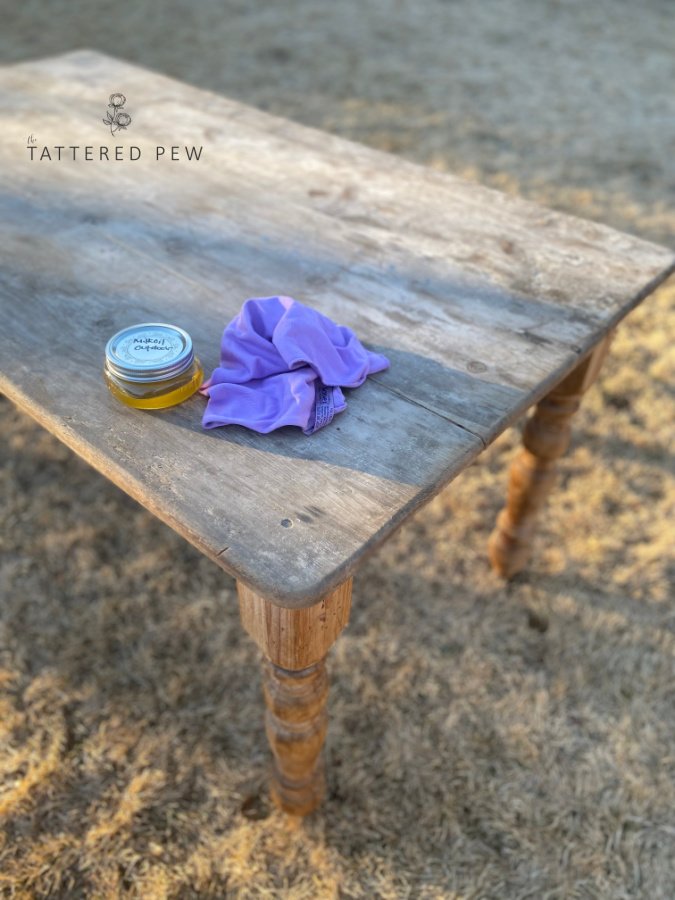
Wax adds a soft shine and smooth feel to wood. It offers light protection against moisture and dirt. Varnish creates a hard, clear layer on wood surfaces. It guards well against scratches and sun damage. Both wax and varnish require regular reapplication for best results.
Credit: www.mmsmilkpaint.com
Applying Sealant Techniques
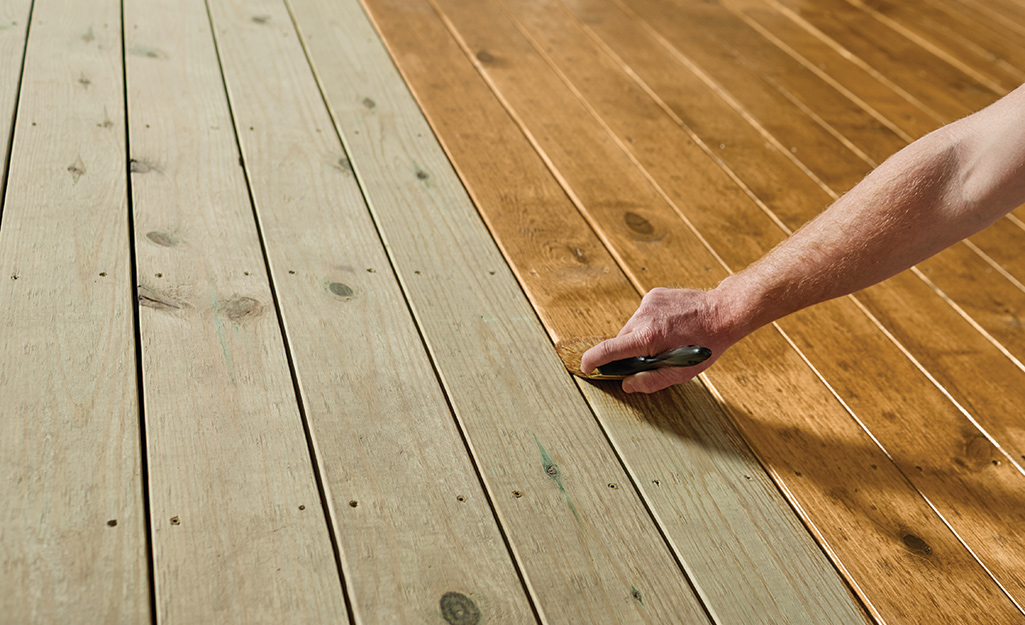
Applying sealant to outdoor wood furniture protects it from weather damage. Proper techniques ensure the sealant covers every part evenly. This section explains how to apply sealant using simple methods. Learn the best ways to brush or spray, how many coats to apply, and the right drying times.
Brushing And Spraying
Brushing is the most common method for applying sealant. Use a high-quality brush with soft bristles. Brush along the wood grain for a smooth finish. Work in small sections to avoid streaks and bubbles.
Spraying is faster and works well for large pieces. Use a spray gun or aerosol sealant. Hold the spray nozzle about 8 to 12 inches from the surface. Apply thin, even layers to prevent drips and pooling.
Number Of Coats
Two to three coats of sealant usually provide good protection. Apply the first coat evenly and let it dry completely. Lightly sand the surface between coats to improve adhesion. Avoid applying too many coats; it can cause peeling.
Drying Times
Drying time depends on the sealant type and weather conditions. Most sealants dry in 2 to 4 hours. Wait at least 24 hours before using the furniture. Avoid applying sealant in direct sunlight or high humidity for best results.
Maintaining Sealed Furniture
Sealing wood protects outdoor furniture from water, sun, and dirt. It keeps wood strong and looking good for years. But sealed furniture needs care to stay in top shape. Regular upkeep stops damage and keeps the sealant working well.
Regular Cleaning Tips
Clean furniture often to remove dust and grime. Use a soft brush or cloth with mild soap. Avoid harsh chemicals that can wear down the seal. Rinse with water and dry with a towel. Regular cleaning helps the wood breathe and stay fresh.
Reapplying Sealant
Sealant wears off over time from weather and use. Check your furniture each season for dull or cracked areas. Lightly sand rough spots before applying new sealant. Use a brush or cloth to spread sealant evenly. Reapply every 1-2 years for best protection.
Protecting From Weather
Cover furniture during heavy rain or snow. Use waterproof covers that allow air flow. Move pieces under shelter if possible. Avoid placing furniture directly on damp ground. These steps reduce moisture damage and help the seal last longer.

Credit: www.youtube.com
Common Mistakes To Avoid
Sealing wood for outdoor furniture protects it from weather and wear. Avoiding common mistakes helps your wood last longer and look better. Simple errors can cause peeling, cracking, or poor protection. Learn what to avoid for a strong seal.
Skipping Surface Preparation
Do not apply sealant on dirty or rough wood. Dirt, dust, and old finishes stop sealant from sticking well. Sand the wood smooth and clean it first. Let the wood dry fully before sealing. Proper preparation makes the seal last longer.
Applying Sealant In Poor Conditions
Seal wood only in dry weather and mild temperatures. Rain or high humidity stops the sealant from drying right. Extreme heat can cause the sealant to dry too fast. Choose calm, dry days for the best results. This helps the sealant form a strong layer.
Using Incompatible Products
Match the sealant type to your wood and previous coatings. Oil-based sealants do not work well over water-based finishes. Use products made for outdoor wood protection. Check labels to avoid mixing different chemicals. Wrong products cause peeling and weak protection.
Frequently Asked Questions
What Is The Best Sealant For Outdoor Wood Furniture?
The best sealants are waterproof and UV-resistant. Oil-based polyurethane and spar varnish protect wood from moisture and sun damage effectively. These sealants enhance durability and maintain wood’s natural look.
How Often Should I Reseal Outdoor Wood Furniture?
Reseal outdoor wood furniture every 1 to 2 years. This timing depends on weather exposure and wood type. Regular resealing prevents cracks, fading, and water damage.
Can I Seal Wood Without Sanding It First?
Sanding is important for better sealant adhesion. Without sanding, the sealant may peel or not penetrate well. Light sanding smooths the surface and removes old finishes.
How Long Does Wood Sealant Take To Dry Outdoors?
Wood sealant usually dries in 4 to 6 hours. Drying times vary by product and weather conditions. Always check the manufacturer’s instructions for precise drying times.
Conclusion
Sealing wood protects outdoor furniture from rain and sun damage. It keeps the wood strong and looking good longer. Regular sealing stops cracks and fading. Choose the right sealant for your wood type and climate. Clean the furniture well before sealing for best results.
Repeat the process every year or as needed. Enjoy your outdoor furniture with less worry and more comfort. Simple steps make a big difference in wood care. Your furniture deserves this easy, smart protection.