Have you ever wondered why your outdoor furniture seems to lose its charm during winter? You might think it’s okay to leave it outside all year round, but winter can actually cause serious damage.
If you want your furniture to last and stay comfortable for your outdoor moments, understanding what winter does to it is key. Keep reading, and you’ll discover why protecting your outdoor furniture in winter isn’t just smart—it’s necessary. This simple step can save you money and keep your space inviting, no matter the season.
Winter Weather Effects
Winter weather can be very hard on outdoor furniture. Cold, wet, and icy conditions cause many problems. Understanding these effects helps protect your furniture and keeps it looking good longer.
Impact Of Moisture
Moisture is one of the biggest problems for outdoor furniture in winter. Rain, snow, and ice leave water on surfaces. Wood can absorb this water and start to swell. Over time, this causes cracks and warping. Metal parts may rust and weaken. Moisture also encourages mold and mildew growth. These issues reduce the furniture’s strength and appearance.
Damage From Freezing Temperatures
Freezing temperatures cause water inside furniture materials to expand. This expansion creates pressure that leads to cracks. Wood and plastic are especially vulnerable. Repeated freeze-thaw cycles make damage worse. Even metal can become brittle and break. Cold weather also weakens finishes and paints, causing peeling and fading.
Effects Of Snow And Ice
Snow and ice add weight and moisture to outdoor furniture. Heavy snow can bend or break frames. Ice holds moisture close to surfaces for long periods. This prolongs exposure to damaging wetness. Ice also creates slippery surfaces, increasing the chance of accidents. Removing snow and ice quickly helps reduce these risks.
Material Vulnerabilities
Outdoor furniture faces many challenges during winter. Cold, moisture, and frost attack different materials. Each material type has its own weak points. Understanding these helps protect your furniture better.
Wood Furniture Risks
Wood absorbs water, which causes swelling and cracking. Freezing temperatures make this worse. Repeated wet and dry cycles can warp wood. Without proper sealing, wood loses strength. Mold and mildew can grow on damp wood. This damages the surface and causes decay.
Metal Furniture Concerns
Metal contracts in cold weather and expands when warm. This can loosen joints and screws. Rust forms easily on untreated metal. Salt and moisture speed up corrosion. Rust weakens metal and ruins its look. Paint or coating can chip off over time.
Plastic And Resin Issues
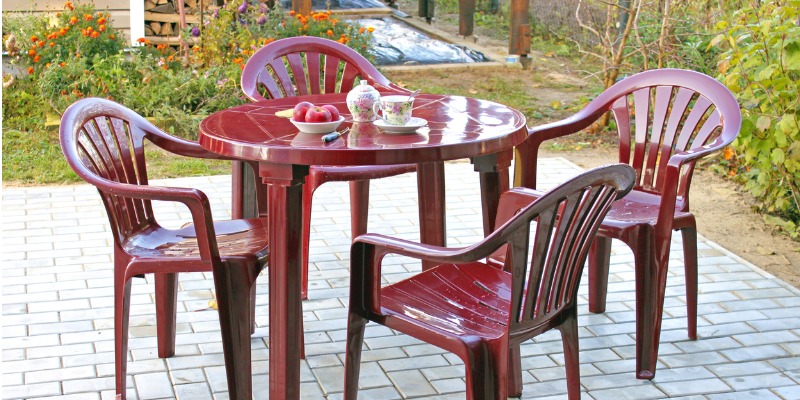
Plastic becomes brittle in low temperatures. It can crack under pressure or impact. Resin may fade and lose color due to UV rays. Some plastics warp or deform in cold weather. Water trapped inside can freeze and cause damage. These problems reduce furniture lifespan.
Fabric And Cushion Problems
Outdoor fabrics soak up moisture quickly. Wet cushions stay damp and develop mold. Freezing temperatures cause fabric fibers to break. Sun exposure fades colors and weakens material. Poor drainage leads to mildew and bad smells. Cushions left outside lose comfort and durability.
Maintenance Challenges
Outdoor furniture faces many maintenance challenges in winter. Cold weather, snow, and moisture create tough conditions. These elements make caring for outdoor furniture harder. Understanding these problems helps protect your investment. Regular upkeep is necessary but tricky during winter months.
Cleaning Difficulties
Dirt and debris stick to furniture more in winter. Snow and ice cover surfaces, making cleaning tough. Warm water is hard to use outside. Cleaning chemicals may freeze or not work well. Removing grime takes more time and effort. Delays in cleaning cause buildup and damage.
Wear And Tear Acceleration
Winter weather speeds up furniture wear and tear. Freezing temperatures cause materials to crack or warp. Wood can split, metal may rust faster. Constant wet and dry cycles weaken furniture joints. Strong winds can loosen screws and bolts. These effects reduce furniture life quickly.
Mold And Mildew Growth
Moisture from snow and rain encourages mold growth. Poor air circulation traps dampness on surfaces. Mold stains furniture and damages materials. Mildew creates unpleasant odors and slippery spots. Left untreated, mold spreads and worsens damage. Preventing moisture buildup is key to avoid this.

Credit: www.reddit.com
Protection Strategies
Protecting outdoor furniture during winter is important. Cold, snow, and moisture can damage your furniture. Using simple protection strategies can keep your items safe and extend their life. These methods help prevent rust, cracks, and fading. Taking care of your furniture now saves money and effort later.
Covering Furniture Properly
Use covers made of waterproof material. Make sure covers fit tightly to stop water and snow. Avoid thin plastic covers that trap moisture. Leave some space for air to flow. This prevents mold and mildew from growing. Secure covers with ties or weights to stop wind from blowing them away.
Storing Indoors Or Sheltered Areas
Move furniture inside if possible. A garage or shed works well for storage. Keep items off the ground to avoid moisture damage. If indoor space is limited, use covered patios or porches. These places protect from snow and ice but allow air circulation. Storing furniture indoors reduces wear and tear significantly.
Using Weather-resistant Treatments
Apply protective coatings before winter begins. Use sealants for wood to prevent water damage. Metal furniture benefits from rust-resistant paints. Reapply treatments every year for best results. These coatings act as barriers against harsh weather. They keep furniture looking good and lasting longer.
Choosing Winter-friendly Furniture
Choosing the right furniture for winter is important to keep it safe and usable. Outdoor furniture faces cold, snow, and moisture. These factors can damage furniture that is not made for harsh weather. Selecting winter-friendly furniture means picking pieces that last through winter. This helps avoid costly repairs and replacements. It also keeps your outdoor space ready for use all year.
Selecting Durable Materials
Durable materials resist cold and moisture better. Look for furniture made from metal, teak, or synthetic wicker. Metals like aluminum do not rust easily. Teak wood contains natural oils that protect it from water damage. Synthetic wicker uses plastic fibers that do not absorb water. These materials hold up well in winter weather. They need less care and cleaning after snow or rain.
Investing In Protective Finishes
Protective finishes add a strong barrier against winter damage. Finishes like varnish, paint, or sealant keep moisture out. They prevent wood from cracking and metal from rusting. Applying these finishes before winter extends furniture life. Some finishes also block UV rays in sunny winter days. Regularly check and renew finishes to keep protection strong. This simple step saves money and effort over time.

Credit: www.reddit.com
Seasonal Care Tips
Outdoor furniture faces many challenges during winter. Cold temperatures, snow, and moisture can harm the materials. Seasonal care helps protect your furniture and keeps it looking good. Follow these simple tips to extend the life of your outdoor pieces.
Regular Inspections
Check your furniture often for damage or wear. Look for cracks, rust, or loose parts. Early spotting stops small problems from growing bigger. Inspections help you keep furniture safe and stable.
Timely Repairs
Fix any damage as soon as you find it. Tighten screws and bolts to avoid wobbling. Repair cracks or chips to prevent water from entering. Small repairs save money and keep furniture strong.
Proper Cleaning Routines
Clean your furniture before storing it for winter. Remove dirt and debris with mild soap and water. Dry all surfaces to stop mold and mildew growth. Regular cleaning protects finishes and materials.
Credit: www.oakvillehomeleisure.ca
Frequently Asked Questions
Why Can’t Outdoor Furniture Stay Outside In Winter?
Outdoor furniture faces harsh weather like snow and ice in winter. This causes damage, rust, and fading. Storing furniture indoors protects it from moisture and freezing temperatures, extending its life and maintaining appearance.
Does Winter Weather Damage Outdoor Furniture Materials?
Yes, winter moisture and freezing temperatures cause wood to crack and metal to rust. Fabric cushions can mold or fade. Harsh winter conditions weaken materials, making furniture less durable and less attractive over time.
How Can I Protect Outdoor Furniture During Winter?
Cover furniture with waterproof, breathable covers to prevent moisture buildup. Store cushions indoors and apply sealants to wood or metal. Regular maintenance before winter helps protect furniture from damage and extends its usability.
Is It Better To Store Outdoor Furniture Indoors In Winter?
Yes, indoor storage shields furniture from snow, ice, and cold damage. It prevents rust, warping, and fading. Indoor storage helps keep your furniture in good condition for the next season.
Conclusion
Outdoor furniture faces many risks during winter months. Cold, moisture, and snow can cause damage fast. Protect your furniture by storing it indoors or covering it well. This helps keep your pieces strong and looking good longer. Taking care now saves money on repairs later.
Enjoy your outdoor space more by planning ahead. Winter-proofing your furniture is simple and smart. Keep your outdoor area ready for spring fun. Don’t let winter ruin your favorite seating spots.