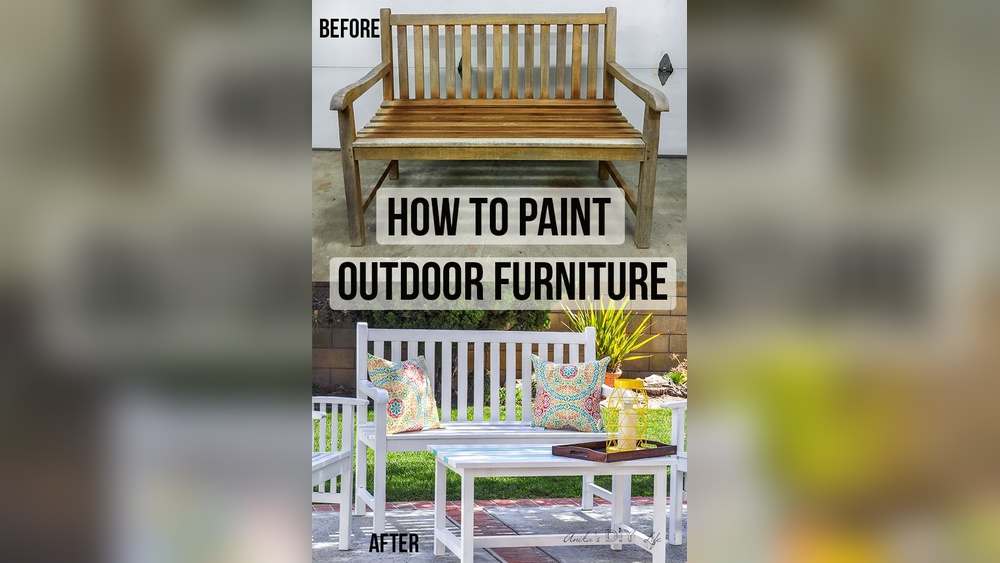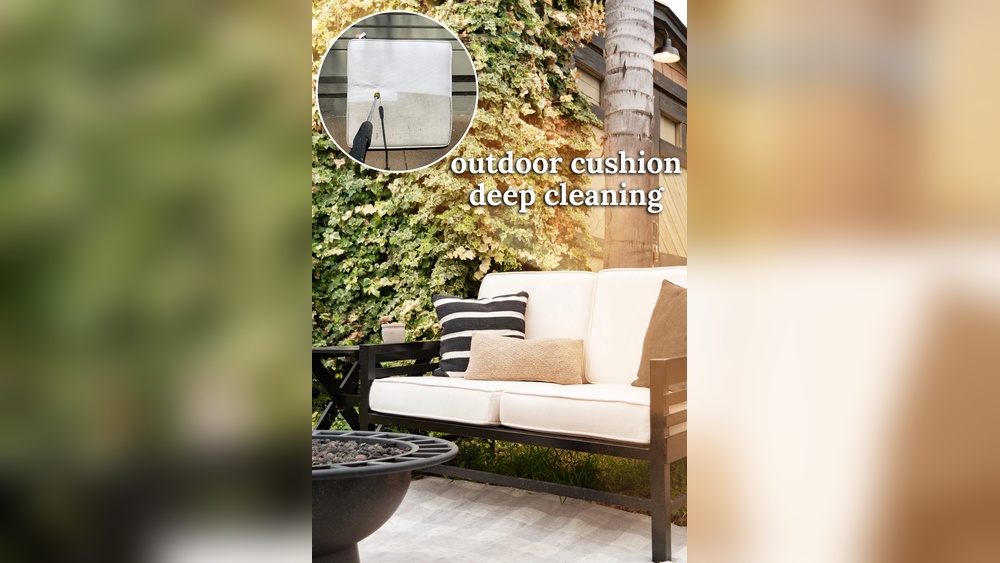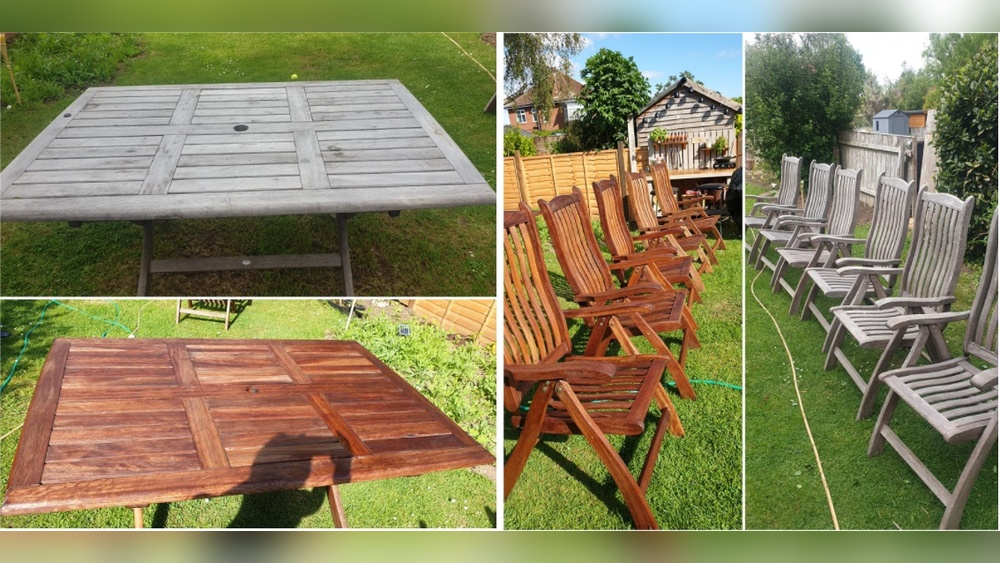
Are you staring at your outdoor furniture wondering whether to stain or oil it? Choosing the right finish can protect your investment and keep your furniture looking great for years.
But how do you decide which option is best for your wood? The answer isn’t always clear, and making the wrong choice could lead to fading, cracking, or expensive repairs. Keep reading, and you’ll discover the key differences between staining and oiling, so you can make the smartest decision for your outdoor space—and enjoy beautiful, long-lasting furniture.
Benefits Of Staining Outdoor Furniture
Staining outdoor furniture brings many benefits. It protects and improves the wood’s look. Stain soaks into the wood, giving deeper protection than surface paints. It helps maintain the furniture’s beauty for years. Stain also makes the wood easier to clean and maintain.
Choosing to stain your outdoor furniture means adding both style and strength. The finish highlights the natural character of the wood. It also guards against weather damage and fading caused by sunlight. Staining can extend the life of your furniture while keeping it attractive.
Enhancing Natural Wood Grain
Stain enhances the wood’s natural grain and texture. It seeps into the wood, showing off its unique patterns. This creates a rich, warm look that paint cannot match. The wood looks more natural and inviting. Stain keeps the wood’s beauty clear and visible.
Long-lasting Color Protection
Stain provides strong, lasting color that does not peel or crack. It penetrates the wood instead of sitting on top. This helps the color stay vibrant longer. Staining avoids the need for frequent repainting or refinishing. It saves time and effort in the long run.
Resistance To Uv Damage
Sunlight can fade and weaken wood over time. Stain contains UV blockers that protect the wood fibers. This stops the wood from drying out and cracking. It keeps your furniture looking fresh even after months outside. UV resistance helps the wood stay strong and durable.
Advantages Of Oiling Outdoor Furniture
Oiling outdoor furniture keeps wood healthy and strong. It brings out the natural beauty of the wood without hiding its texture. This method is simple and helps protect furniture from harsh weather. Many people choose oil because it works well for long-term care.
Oiling also makes furniture easier to maintain. It repels water and reduces damage from sun and rain. This protects wood from cracking and fading. The process is quick and does not require special tools or skills.
Maintaining Wood’s Natural Look
Oiling highlights the wood’s grain and color. It keeps the original look without adding a thick layer on top. The wood feels smooth and natural to touch. This method shows the true beauty of outdoor furniture.
Easy Application And Maintenance
Applying oil is simple and fast. Use a cloth or brush to spread it evenly. No need for sanding or stripping old finishes every time. Reapply oil once or twice a year to keep furniture fresh. Cleaning oil-treated wood is easy with mild soap and water.
Water Repellency And Protection
Oil soaks into the wood, creating a water-resistant barrier. It prevents water from sitting on the surface and causing damage. This reduces the chance of wood swelling or rotting. Oil also protects furniture from sun damage and fading. It helps wood last longer in outdoor conditions.
Comparing Durability And Maintenance
Choosing between staining or oiling outdoor furniture affects its durability and care. Both methods protect wood but differ in how long they last and what maintenance they need. Knowing these differences helps keep your furniture looking good for years.
Frequency Of Reapplication
Oil finishes usually need more frequent reapplication. Most oils last about six months to one year. Stains tend to last longer, often two to three years before needing touch-ups. Reapplying oil is quick and simple, but staining requires more prep work.
Impact Of Weather Conditions
Sun, rain, and temperature changes affect wood finishes differently. Oil absorbs into the wood and offers good water resistance. Stain creates a thin layer on top, which can crack under extreme weather. Both can fade from sun exposure, but stain often shows wear faster.
Signs Of Wear And Tear
Oiled furniture may look dry or dull when it needs care. Stained wood may peel or chip over time. Both finishes can develop cracks or discoloration if not maintained. Regular checks help catch damage early and keep furniture strong and attractive.

Credit: www.reddit.com
Types Of Wood And Their Needs
Choosing the right finish for outdoor furniture depends on the wood type. Each wood has unique needs. Understanding these needs helps protect the furniture well. It also keeps the wood looking good for years.
Some woods absorb finishes quickly. Others stay smooth and sealed. The choice between stain or oil links directly to these traits. Knowing your wood type guides your decision perfectly.
Softwoods Vs Hardwoods
Softwoods come from trees like pine and cedar. These woods are lighter and easier to work with. They soak up finishes fast but can wear out quicker outside. Hardwoods like teak and oak are stronger and denser. They resist damage better and last longer outdoors. Hardwoods usually need less frequent finishing.
Porous Vs Dense Wood
Porous woods have many small holes and absorb liquids fast. Softwoods often fall in this group. Stains and oils soak deeply here, giving good protection. Dense woods have tight grains and fewer pores. Hardwoods are usually dense. They resist water and dirt well but can be harder to finish evenly.
Best Choices For Stain Or Oil
Soft, porous woods benefit from oil finishes. Oils soak in and protect from inside. Oils bring out the wood’s natural color and grain. Hard, dense woods often do better with stains. Stains add color and shield the surface. Both finishes keep wood safe but suit different wood types better.
Application Tips For Stain And Oil
Applying stain or oil to outdoor furniture protects it and keeps it looking good. Doing it right helps wood last longer and resist weather damage. Follow clear steps to get the best results and avoid common mistakes.
Preparing The Surface
Start by cleaning the furniture well. Remove dirt, dust, and old finishes. Use a brush and mild soap with water. Let the wood dry completely before applying anything. Sand rough spots gently to make the surface smooth. Clean off the dust after sanding.
Choosing The Right Product
Select a stain or oil made for outdoor use. Check if it protects against UV rays and moisture. Pick a color that suits your style and wood type. Test the product on a small hidden area first. This shows how it looks and if it works well.
Step-by-step Application Process
Use a brush or cloth to apply stain or oil evenly. Work with the wood grain to avoid streaks. Apply thin coats to prevent drips. Wait the recommended time between coats. Usually, two or three coats give good protection. Let the furniture dry fully before use.

Credit: chairking.com
Environmental And Health Considerations
Choosing between stain and oil for outdoor furniture affects the environment and your health. Both products can protect wood but differ in their ingredients and impact. Knowing these differences helps you make a safer and greener choice.
Eco-friendly Product Options
Eco-friendly stains and oils use natural ingredients. They contain fewer chemicals that harm air and water. Look for products labeled as low-VOC or non-toxic. These reduce pollution and are safer for plants and animals around your home. Some oils come from plants like linseed or tung, which break down naturally. These options keep your outdoor space cleaner and healthier.
Safety Precautions During Application
Wear gloves and work in a well-ventilated area. Avoid breathing in fumes by staying outdoors or near open windows. Keep children and pets away from the workspace. Follow the product instructions carefully to avoid accidents. Proper disposal of rags and containers prevents fire risks and pollution. These steps protect your health and the environment during use.
Cost And Time Investment
Choosing between staining or oiling your outdoor furniture involves thinking about cost and time. Both methods protect wood but differ in price and effort. Understanding these differences helps you decide what suits your budget and schedule.
Initial Costs
Stains usually cost more than oils upfront. A quart of stain covers more area than oil. You may need brushes or sprayers for stains, adding to the cost. Oils often come ready to use and need fewer tools.
Long-term Maintenance Expenses
Stained wood lasts longer before needing reapplication. This lowers maintenance costs over time. Oiled furniture needs more frequent treatments to stay protected. This can add up in cost and supplies.
Time Required For Each Method
Applying stain takes longer because of multiple coats and drying time. Oil absorbs quickly, so it needs less waiting. Maintenance with oil also requires more frequent attention. Staining demands more patience but less often.

Credit: www.reddit.com
When To Choose Stain Over Oil
Choosing between stain and oil depends on the look and protection you want for your outdoor furniture. Stain adds color and covers the wood grain more than oil does. It is best for furniture that needs more color or a fresh new look.
Stains also protect better against sun damage and fading. They create a stronger barrier on the wood surface. This makes stain a good choice in very sunny or harsh weather areas.
Need For Color And Uniform Appearance
Stain gives your furniture a consistent color. It hides imperfections and old stains well. Oil keeps the natural wood look, but it does not change the color much. Choose stain when you want a bold, even color.
Protection Against Sun And Weather
Stain forms a tough layer that blocks UV rays. This helps prevent wood from turning gray or cracking. Oil soaks into the wood but offers less surface protection. Pick stain for furniture exposed to strong sun or rain.
Longer Lasting Finish
Stain lasts longer before needing a new coat. It resists peeling and flaking better than oil. This means less frequent maintenance for you. Use stain if you want to save time on upkeep.
Covering Older Or Weathered Wood
Stain can cover up old stains, scratches, and wear. It refreshes weathered wood with color and protection. Oil highlights the natural grain, so it does not hide flaws well. Stain works best on older furniture with uneven surfaces.
When To Opt For Oil Instead
Choosing oil for outdoor furniture offers natural protection. It keeps wood healthy without changing its look much.
Oil soaks into the wood, nourishing it deeply. This helps prevent drying and cracking over time.
Oil also allows the wood to breathe. It does not form a hard layer on the surface like stain does.
For A Natural Wood Appearance
Oil keeps the wood’s original color and texture visible. It enhances the grain without covering it up.
Wood looks fresh and clean but not shiny or painted. This suits rustic or simple outdoor styles well.
When Easy Maintenance Is Needed
Oiling is simple and quick to apply. You can fix small worn spots without sanding the whole piece.
It requires reapplication every year or two. This keeps the wood protected with little effort.
For Soft Or Porous Wood Types
Soft woods like cedar or pine absorb oil well. Oil helps strengthen and protect them from moisture damage.
These woods may not hold stain evenly. Oil is a better choice to avoid blotchy or uneven color.
When You Want To Avoid Peeling Or Flaking
Oil penetrates wood and does not peel. Stains can crack or flake over time in harsh weather.
Oiled furniture often lasts longer without showing signs of wear. This saves time on repairs.
Frequently Asked Questions
What Are The Main Benefits Of Staining Outdoor Furniture?
Staining enhances wood color and grain while providing strong protection. It helps resist UV rays, water damage, and mold. Stains penetrate deeply, preserving the wood’s natural look and extending furniture life. This makes staining ideal for long-lasting outdoor wood care.
How Does Oiling Compare To Staining Outdoor Furniture?
Oiling nourishes wood and maintains its natural texture. It offers moderate protection against moisture and UV damage. Unlike stains, oils require more frequent application but are easier to apply and maintain. Oiling suits those who prefer a natural, matte finish.
How Often Should I Reapply Stain Or Oil Outdoors?
Stained furniture typically needs reapplication every 2-3 years. Oiled furniture requires refreshing every 6-12 months. Frequency depends on weather exposure and wood type. Regular maintenance ensures optimal protection and keeps furniture looking fresh and durable.
Can I Switch From Stain To Oil On Outdoor Furniture?
Yes, but proper surface preparation is crucial. Remove old stain completely by sanding or stripping. Clean and dry wood thoroughly before applying oil. Switching can refresh appearance but requires effort to ensure good adhesion and finish.
Conclusion
Choosing between stain and oil depends on your furniture needs. Stain offers strong color and long-lasting protection. Oil keeps wood natural and nourished but may need more care. Consider how much time you can spend on maintenance. Think about the look you want—bold or natural.
Both options help protect outdoor furniture from weather. Take your budget and climate into account too. Whichever you pick, regular care will keep furniture looking good. Small efforts make outdoor furniture last longer and stay beautiful.