Are you dreaming of adding a touch of luxury to your outdoor space with leather furniture? It’s a tempting idea—imagine sinking into a soft leather chair while enjoying fresh air and sunshine.
But before you bring those beautiful pieces outside, you might be wondering: can leather furniture really be used outdoors? The answer isn’t as simple as you think. You’ll discover the truth about leather’s durability, how it reacts to weather, and smart tips to protect your investment.
Keep reading to find out if your leather furniture can handle the great outdoors without losing its charm.
Leather Types For Outdoor Use
Choosing the right leather type is key for outdoor furniture. Not all leather can handle sun, rain, or dirt. Some leathers last longer outside and stay beautiful.
Understanding leather types helps you pick the best option. This section explains popular leather types for outdoor use.
Full-grain Vs Corrected-grain
Full-grain leather is the strongest and most natural. It has the top layer of the hide, with all marks and pores. This makes it durable and breathable. It can handle some outdoor wear but needs care to avoid water damage.
Corrected-grain leather has a smooth surface. It is sanded and coated to hide flaws. This makes it less natural but more resistant to stains and water. It can be better for outdoor use but may not last as long as full-grain.
Aniline And Semi-aniline Leather
Aniline leather is dyed with no surface coating. It looks soft and natural but is sensitive to water and sun. It is not the best choice for outdoor furniture.
Semi-aniline leather has a light protective coating. This adds some water resistance and durability. It keeps a natural look and works better outdoors than pure aniline leather.
Synthetic Leather Options
Synthetic leather is man-made and designed to resist weather. It does not absorb water and cleans easily. Materials like polyurethane and PVC are common.
Synthetic leather is often cheaper and lasts longer outside. It can look very similar to real leather. This makes it a popular choice for outdoor furniture.
Weather Resistance Of Leather
Leather is a popular choice for furniture indoors. Its rich look and soft feel attract many. But using leather outside can be tricky. Weather affects leather in many ways. Understanding how leather handles weather helps in deciding if it suits outdoor use.
Effects Of Sun Exposure
Sunlight can fade leather’s color. It also dries the surface, making it brittle. Over time, leather may crack from too much sun. Protecting leather from direct sunlight is important. Using covers or placing furniture in shade helps.
Water And Moisture Impact
Leather does not like water. Moisture can cause stains and spots. It can also lead to mold or mildew. Wet leather can become stiff or warped. Quick drying and proper care reduce water damage risks.
Temperature Fluctuations
Leather reacts to heat and cold changes. Extreme heat can dry and crack it. Cold can make leather stiff and less flexible. Constant temperature shifts shorten leather’s lifespan outdoors. Stable environments help maintain leather’s quality.
Protecting Leather Outdoors
Leather furniture outdoors faces many challenges. Rain, sun, dirt, and dust can damage leather quickly. Protecting leather is key to keeping it looking good. Simple care steps can help leather last longer outside.
Proper protection stops water from soaking in. It also blocks harmful sun rays. Cleaning leather regularly keeps dirt from building up. These efforts keep leather strong and fresh outdoors.
Waterproofing Treatments
Apply a waterproof spray to leather before placing it outside. These sprays create a barrier that stops water from soaking in. Use products made for leather, not fabric or wood. Reapply every few months for best results. Avoid heavy oils that can darken or damage leather.
Uv Protection Methods
Sunlight can fade and dry leather quickly. Use a leather conditioner with UV protection to shield it. Keep furniture in shaded areas when possible. Use covers during strong sun hours. This prevents cracking and color loss over time.
Proper Cleaning Techniques
Clean leather gently with a soft, damp cloth. Avoid harsh chemicals or soaps that dry leather out. Use mild leather cleaner for deeper cleaning once a month. Wipe off dust and dirt regularly to prevent buildup. Dry leather naturally, away from direct heat or sun.
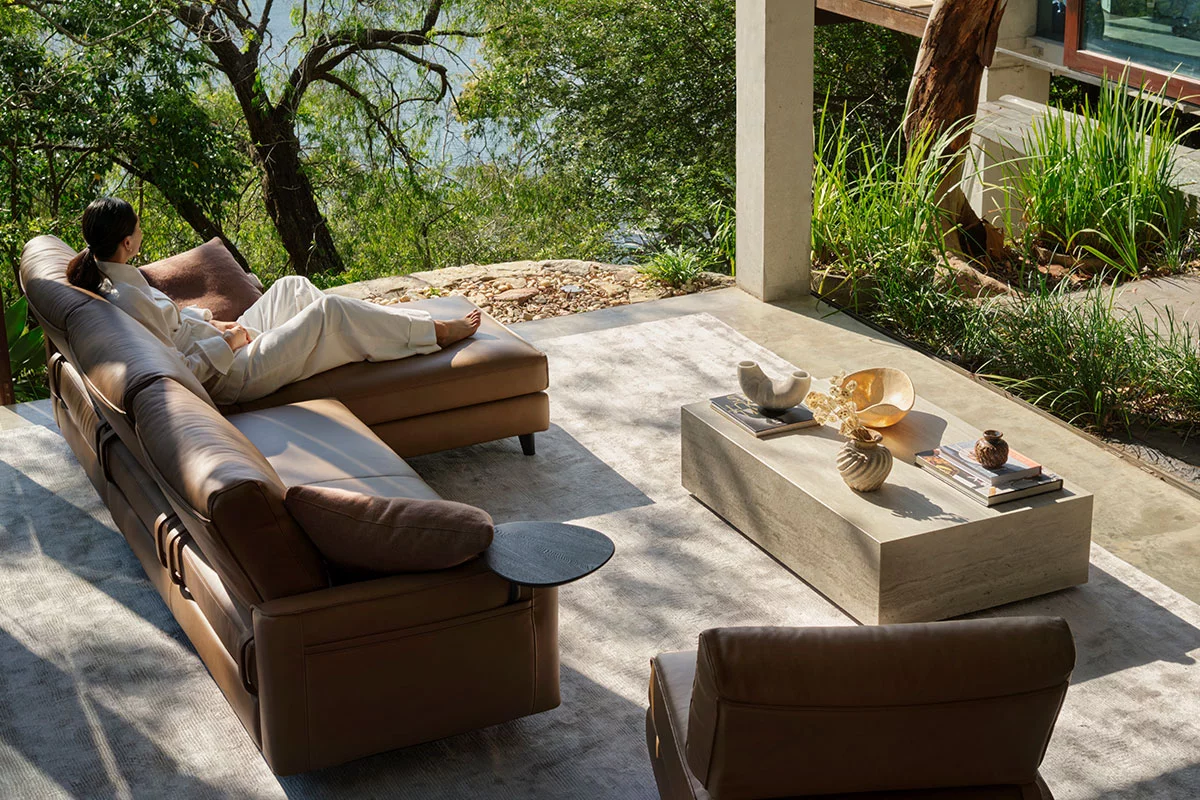
Credit: www.kingliving.com.au
Maintenance Tips For Outdoor Leather
Leather furniture outdoors can look stunning. Yet, it needs care to stay beautiful and last long. Maintaining leather outside means protecting it from sun, rain, and dirt. Simple steps can keep your leather soft and fresh.
Regular Conditioning
Condition leather often to keep it soft and flexible. Use a conditioner made for outdoor leather. Apply it gently with a soft cloth. Conditioning stops leather from drying out and cracking. Do this every few months for best results.
Storage Recommendations
Store leather furniture in a dry, shaded place when not in use. Cover it with a breathable cloth cover to stop dust and moisture. Avoid plastic covers, as they trap moisture and cause mold. During winter or heavy rain, bring furniture indoors if possible.
Spot Repair And Stain Removal
Clean spills quickly with a damp cloth. Avoid rubbing hard to prevent damage. Use mild soap for tough stains, then wipe with clean water. For scratches, apply a small amount of leather conditioner. Regular care helps keep your outdoor leather looking great.
Best Practices For Placement
Placing leather furniture outdoors needs care to keep it looking good. Leather is sensitive to sun, rain, and dirt. Follow some smart steps to protect your furniture and make it last longer. Proper placement helps avoid damage and keeps leather soft.
Choosing Covered Areas
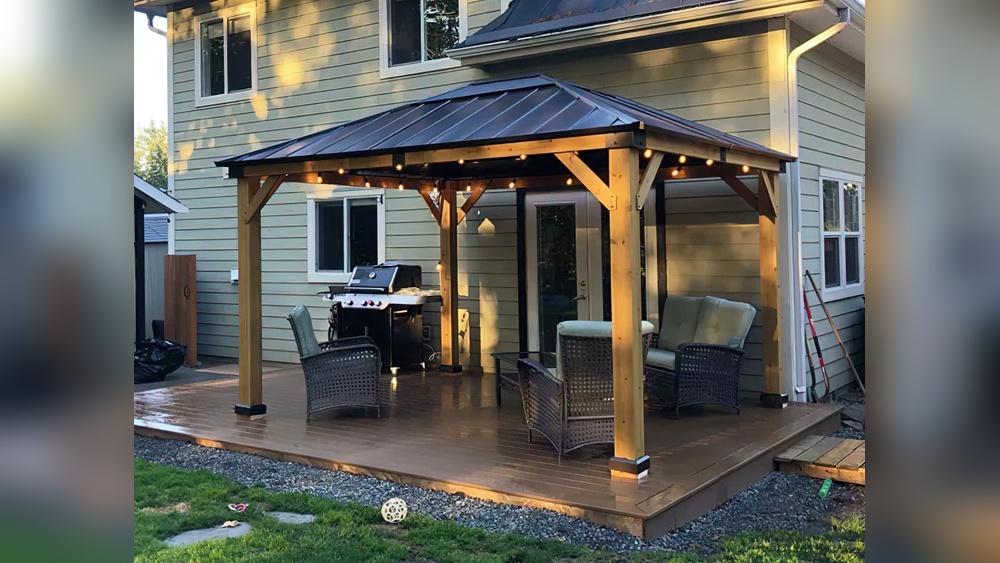
Place leather furniture in shaded or covered spots. Patios with roofs or gazebos work well. Shade blocks harsh sunlight that can dry and crack leather. Covered areas also stop rain from soaking the furniture. This simple choice helps your leather stay fresh.
Using Protective Covers
Use covers made for outdoor furniture. Choose waterproof and breathable covers. They protect leather from dust, rain, and sun. Always cover furniture when not in use. Covers prevent fading and stains. They are an easy way to keep leather safe outdoors.
Avoiding Direct Ground Contact
Keep leather furniture off the ground. Use furniture legs or place it on a platform. Avoid damp or muddy surfaces. Ground moisture can cause mold and damage leather. Elevating furniture improves air flow and keeps it dry. This step helps leather last longer outside.

Credit: creativeleather.com
Alternatives To Leather Outdoors
Leather furniture looks elegant but struggles outdoors. Sun, rain, and moisture damage it fast. Many choose other materials built to handle tough weather. These alternatives offer comfort, style, and durability outside.
Outdoor-specific Fabrics
Outdoor fabrics like Sunbrella resist fading and moisture. These fabrics dry quickly and stay strong in sun and rain. They are soft to touch and easy to clean. Perfect for cushions, chairs, and sofas outside. They prevent mold and mildew growth. Outdoor fabrics keep colors bright for years.
Weather-resistant Synthetic Materials
Materials like synthetic wicker and plastic are popular outside. They do not crack or peel in heat or cold. These synthetics are light and easy to move. They handle rain and humidity without damage. Synthetic materials often mimic natural looks well. They require little upkeep to stay fresh and neat.
Common Mistakes To Avoid
Using leather furniture outdoors can add style and comfort to your space. Avoiding common mistakes helps keep leather looking good for years. Many people do not realize how delicate leather can be outside. Small errors can cause big damage.
Here are some common mistakes to watch out for when using leather furniture outdoors.
Ignoring Weather Protection
Leather is not naturally waterproof. Rain and sun can ruin leather quickly. Leaving furniture exposed to rain or strong sunlight causes cracks and fading. Use covers or place furniture in shaded areas. This helps protect leather from harsh weather. Avoid leaving leather outside during storms or heavy rain.
Using Harsh Cleaners
Many cleaners harm leather surfaces. Avoid bleach, ammonia, or strong chemicals. These products dry out leather and cause discoloration. Use mild soap or special leather cleaner. Test any cleaner on a small hidden spot first. Clean gently with a soft cloth to avoid scratching.
Neglecting Regular Maintenance
Leather needs regular care to stay soft and strong. Skip maintenance, and leather will dry and crack. Clean leather monthly and apply conditioner. Conditioners keep leather flexible and protect from damage. Check for dirt and dust often. Proper care extends the life of outdoor leather furniture.
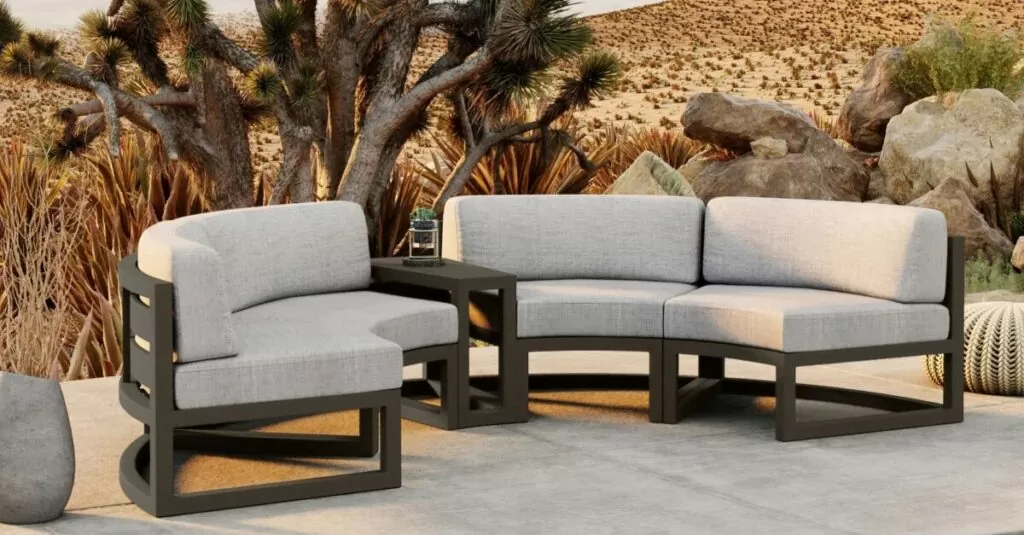
Credit: www.patioproductions.com
Frequently Asked Questions
Can Leather Furniture Withstand Outdoor Weather?
Leather furniture is not designed for outdoor use. Exposure to sun, rain, and humidity damages leather, causing cracks and fading. It’s best to keep leather furniture indoors or in covered areas to maintain its quality and lifespan.
How To Protect Leather Furniture Outdoors?
Use waterproof covers and place leather furniture in shaded, dry areas. Regularly clean and condition the leather to prevent drying and cracking. Avoid direct sunlight and moisture exposure to extend outdoor durability.
Is Outdoor Leather Different From Indoor Leather?
Yes, outdoor leather is specially treated to resist water, UV rays, and mildew. Indoor leather lacks these treatments and deteriorates quickly if used outside. Always check if the leather is meant for outdoor use before purchasing.
Can Synthetic Leather Be Used Outdoors?
Synthetic leather, like vinyl or PU, is more resistant to outdoor elements than natural leather. It handles moisture and sunlight better but still requires care to prevent fading and cracking over time.
Conclusion
Leather furniture can work outdoors, but with care. Keep it dry and away from strong sun. Use covers to protect from rain and dust. Clean it regularly with soft cloths and gentle cleaners. Treat the leather to keep it soft and strong.
Remember, leather is not made for harsh weather. Choose spots with shade and shelter for longer life. Enjoy the style and comfort leather offers outside. Small steps help your furniture last many seasons. Think about maintenance before placing leather outdoors.
It can look great if you take care well.