Are you dreaming of cozy outdoor wood furniture to brighten up your desert space? You might wonder if wood can survive the harsh sun, dry heat, and sudden storms that come with desert living.
The good news is, with the right choices and care, your outdoor wood furniture can not only survive but thrive in the desert. Keep reading to discover how you can enjoy the natural beauty and warmth of wood without worrying about the desert’s challenges.
Your perfect outdoor oasis is closer than you think!

Credit: www.polywood.com
Choosing Wood Types For Desert
Choosing the right wood for outdoor furniture in the desert is very important. The desert has strong sun, dry air, and lots of sand. These conditions can damage wood quickly. Picking wood that can handle heat and rough weather helps your furniture last longer. Some woods are better than others for desert use. Knowing which types to pick makes a big difference for your outdoor space.
Best Woods For Heat Resistance
Woods like teak and cedar stand out in hot climates. They handle high heat without cracking or warping. Teak has natural oils that protect it from drying out under the sun. Cedar stays cool and does not absorb much heat. Both woods keep their shape and color even after long sun exposure. These woods need less maintenance in the desert heat.
Durability Against Sand And Wind
Desert wind carries fine sand that can wear down wood surfaces. Hardwoods like ipe and mesquite resist this wear well. These woods are dense and strong, so sand does not damage them easily. Their tough fibers hold up against wind and dust storms. They also resist splintering and erosion better than softwoods. Choosing dense hardwoods helps furniture stay sturdy in desert winds.
Credit: www.universalfurniture.com
Protecting Wood From Sun Damage
Sun exposure in the desert can quickly damage outdoor wood furniture. The intense heat and UV rays cause wood to dry out, crack, and fade. Protecting wood from sun damage helps keep your furniture strong and looking good for years. Simple steps can make a big difference in preserving your wood’s beauty and lifespan.
Effective Sealants And Finishes
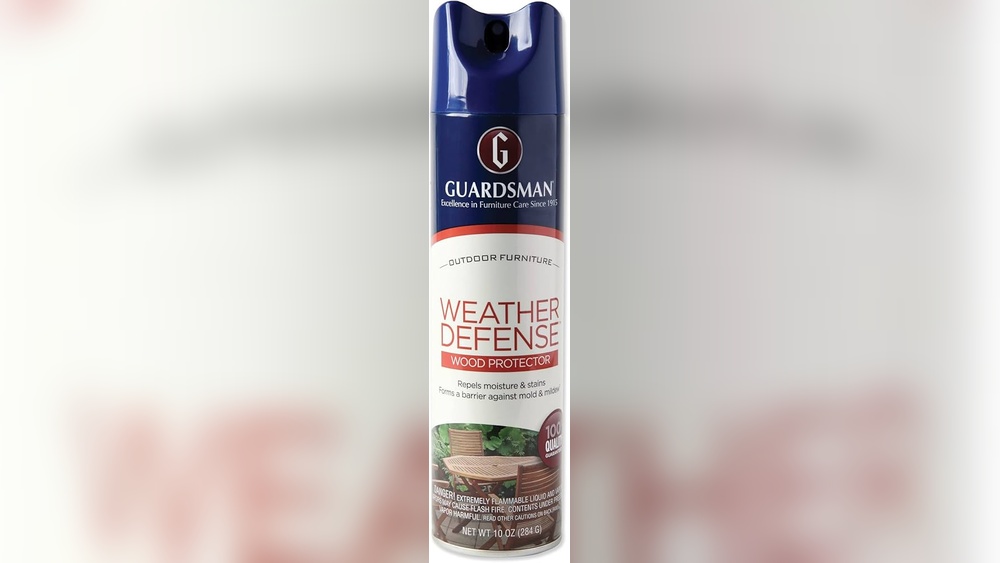
Sealants form a protective layer on wood surfaces. They block harmful UV rays and reduce moisture loss. Look for sealants designed for outdoor use and sun protection. Oil-based finishes soak into the wood and keep it nourished. Water-based finishes create a clear shield on top. Reapply sealants every year or as needed to maintain protection.
Regular Maintenance Routines
Regular cleaning removes dirt and debris that wear down finishes. Use mild soap and water with a soft brush or cloth. Inspect furniture monthly for cracks or peeling finish. Sand rough areas lightly before reapplying sealant. Store furniture in shade or cover it during the hottest hours. Small efforts keep wood healthy and extend its life.
Design Considerations For Desert Use
Outdoor wood furniture in the desert needs special design ideas. The desert sun is strong and dry air can harm the wood. Choosing the right design helps wood last longer. It also keeps your furniture looking good and feeling comfortable.
Good design lets air move well and protects the wood from too much heat. Using the right shape and place helps avoid damage from the harsh desert climate. These ideas make sure your outdoor space stays nice and cool.
Ventilation And Airflow
Airflow is very important for wood furniture in the desert. Designs with gaps or slats let air pass through. This stops heat from building up under or around the furniture. Good airflow reduces moisture and prevents wood from cracking.
Choose furniture with open backs or seats. This style helps air move freely. It keeps the wood dry and cool, even in hot weather. Proper ventilation also lowers the chance of mold or mildew forming.
Elevated And Shaded Furniture
Raising furniture off the ground protects it from hot sand and dirt. Elevation improves air circulation under the pieces. This stops moisture from collecting and helps the wood dry quickly.
Shade is also key in desert use. Place furniture under umbrellas, pergolas, or trees. Shade lowers direct sun exposure, keeping the wood cooler. Cooler wood lasts longer and stays strong.
Designs with built-in shades or canopies offer constant protection. These features reduce fading and warping caused by the sun. Proper elevation and shade together help your wood furniture survive desert conditions.
Caring For Furniture In Dry Conditions
Wood furniture in the desert faces unique challenges. Dry air, dust, and sand can damage the wood. Caring for furniture in dry conditions keeps it strong and beautiful. Simple steps can protect your outdoor wood pieces from harsh desert elements.
Cleaning Techniques For Dust And Sand
Use a soft brush to remove dust gently. Wipe furniture with a damp cloth to catch fine sand. Avoid harsh scrubbing that can scratch the wood. Clean regularly to stop dirt buildup. A mild soap mixed with water works well for deeper cleaning. Rinse with clean water and dry quickly to prevent water marks.
Moisture Management Tips
Wood needs some moisture even in dry places. Spray a light mist of water during very dry days to prevent cracks. Avoid soaking the wood. Use furniture covers to keep moisture stable. Place furniture in shaded areas to reduce drying from sun. Apply a wood sealant to lock in natural oils. Check wood often for signs of drying or splitting.
Common Challenges And Solutions
Outdoor wood furniture in the desert faces many challenges. The dry air and strong sun can harm the wood. These problems can make furniture look old and weak. Understanding common issues helps keep furniture beautiful and strong.
Preventing Cracks And Warping
Desert heat makes wood dry very fast. Wood loses moisture and starts to crack. Warping happens when wood bends or twists. Use a wood sealant to lock in moisture. Choose furniture made from hardwood. Hardwood resists cracking better. Place furniture in shaded areas to reduce direct sun. Cover furniture during the hottest parts of the day. Regularly check and treat the wood to keep it strong.
Dealing With Fading And Discoloration
Sunlight causes wood to fade and change color. UV rays break down the wood’s surface. Use UV-resistant stains or paints to protect the wood. Reapply these coatings every year. Clean the furniture gently to remove dust and dirt. Avoid harsh chemicals that can damage the finish. Using covers when not in use can reduce sun exposure. This keeps colors richer and furniture looking new longer.
Alternative Materials To Consider
Outdoor wood furniture in the desert faces many challenges. Heat, sun, and dry air can damage wood quickly. Choosing the right material can help your furniture last longer. There are many options beyond natural wood. Some materials resist weather better and need less care. Exploring these options can save time and money.
Synthetic Vs. Natural Options
Synthetic materials often handle desert conditions well. They resist cracking, fading, and warping. Plastic, resin, and metal furniture can look like wood. These options need little maintenance and stay strong in heat.
Natural materials offer beauty and comfort. Teak, cedar, and eucalyptus are popular woods for outdoors. These woods have natural oils that protect them. Yet, they need regular care to avoid drying out.
Choosing between synthetic and natural depends on your style and effort level. Synthetic suits busy people. Natural fits those who enjoy caring for furniture.
Blending Wood With Other Materials
Combining wood with metal or stone creates stylish, durable pieces. Metal frames with wooden seats add strength and style. Stone tabletops with wooden legs offer cool surfaces and warmth.
This mix takes advantage of wood’s charm and other materials’ toughness. It reduces the chance of damage from desert heat.
Blended furniture can last longer and look unique. It fits well in desert homes and gardens.

Credit: www.timbertech.com
Frequently Asked Questions
Can Outdoor Wood Furniture Survive Desert Conditions?
Yes, outdoor wood furniture can survive in the desert with proper treatment. Use weather-resistant finishes and sealants to protect against sun and dryness. Regular maintenance like cleaning and reapplying sealants extends its life. Choose hardwoods like teak or cedar for better durability in harsh climates.
What Wood Types Are Best For Desert Furniture?
Teak, cedar, and eucalyptus are ideal for desert furniture. These woods naturally resist cracking, warping, and insect damage. They handle extreme heat and dry air better than softer woods. Using these types ensures longer-lasting, low-maintenance outdoor furniture in desert environments.
How Often Should I Maintain Wood Furniture In The Desert?
Maintain wood furniture every 6 to 12 months in desert areas. Clean surfaces regularly to remove dust and debris. Reapply protective sealants or oils to prevent drying and cracking. Frequent maintenance helps preserve appearance and structural integrity under harsh sun and dry conditions.
Can I Leave Wood Furniture Exposed To Desert Sun?
Avoid leaving wood furniture fully exposed to desert sun for long periods. Intense UV rays cause fading and drying. Use covers, umbrellas, or place furniture in shaded areas. Protection from direct sunlight significantly prolongs the furniture’s lifespan and maintains its look.
Conclusion
Outdoor wood furniture can work well in the desert. Choose wood types that resist heat and dryness. Treat wood with sealants to protect from sun damage. Regular cleaning keeps furniture looking fresh and strong. Cover pieces when not in use to avoid wear.
Simple care extends the life of your wood furniture. Enjoy the natural beauty and comfort it brings to your desert space. With the right steps, wood furniture fits perfectly in dry climates.