Are you ready to give your outdoor furniture a fresh new look? Before you grab that paintbrush, there’s an important question you need to ask: Do you really need to prime your furniture first?
Priming might sound like an extra step, but it can make a huge difference in how long your paint lasts and how great your furniture looks. You’ll discover why priming matters, when it’s essential, and how skipping it could cost you more time and money down the road.
Keep reading to make sure your outdoor makeover turns out perfect every time.
Why Priming Matters
Priming outdoor furniture before painting is a key step. It prepares the surface for paint and helps protect your furniture. Without primer, paint may peel or fade quickly. This short process improves the final look and durability of your paint job.
Benefits Of Priming
Priming creates a smooth base for paint to stick. It hides stains and repairs small surface flaws. Primer also blocks moisture, preventing wood from warping or cracking. It saves paint and time by reducing the number of coats needed. Your furniture will look fresh and last longer with primer.
How Primer Affects Paint Adhesion
Primer helps paint stick tightly to outdoor surfaces. It fills tiny pores in wood or metal, creating a strong bond. Without primer, paint may slip or peel off easily. The right primer improves coverage and color brightness too. This ensures your paint job stays beautiful through all seasons.
Types Of Outdoor Furniture Materials
Outdoor furniture comes in many types of materials. Each material reacts differently to paint and primer. Knowing the material helps decide if priming is needed. Priming can protect furniture and make paint last longer. Understanding these materials ensures better painting results.
Wood Furniture
Wood is a popular choice for outdoor furniture. It absorbs paint and primer well. Wood can swell or crack when exposed to weather. Priming seals the wood and prevents damage. It helps paint stick better and last longer. Without primer, wood may peel or fade quickly.
Metal Furniture
Metal furniture often faces rust and corrosion outside. Paint alone may not protect metal well. A special primer stops rust and creates a smooth surface. Priming metal also helps paint stick firmly. Skipping primer can cause paint to chip or flake fast.
Plastic And Resin Furniture
Plastic and resin furniture are lightweight and weather-resistant. These surfaces can be smooth and slick. Paint may not stick well without primer. Using a primer made for plastic improves paint adhesion. It prevents peeling and ensures a neat finish.
When To Skip Primer
Priming outdoor furniture before painting is usually important. It helps paint stick better and lasts longer. But some times, you can skip the primer. Knowing when to skip saves time and effort. It also keeps your project simple.
Using Paint With Built-in Primer
Some paints have primer mixed inside. These paints save a step in the process. They stick well to many surfaces. Using these paints means no need for separate primer.
This option works best on furniture in good shape. Surfaces should be clean and dry. Paint with built-in primer covers well and protects wood.
Repainting Previously Painted Surfaces
When furniture already has paint, you might skip primer. This is true if old paint is in good condition. No peeling or cracking means paint will stick well.
Clean the surface before painting again. Light sanding helps new paint hold better. This step also removes dirt and rough spots. Skipping primer here saves time without losing quality.
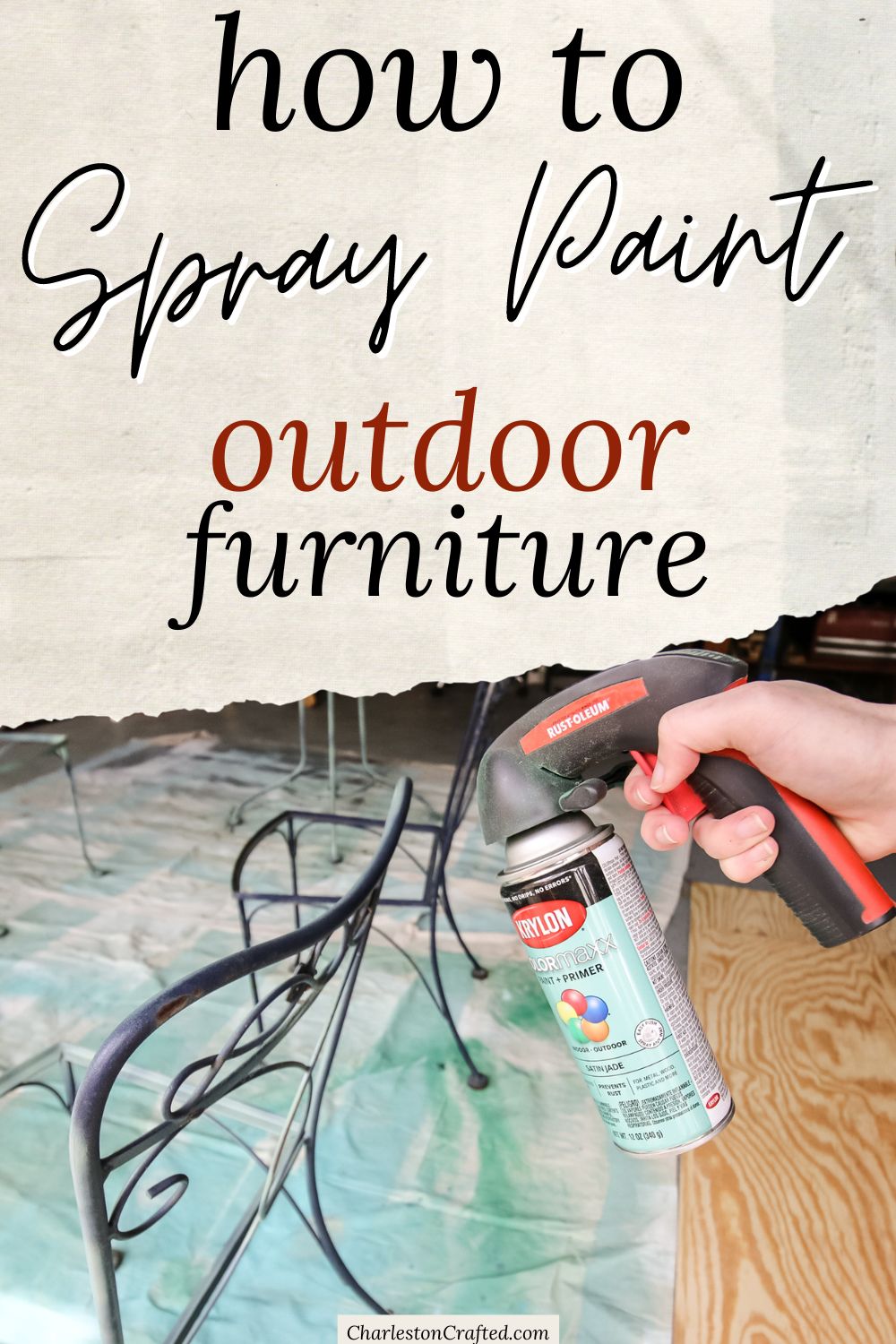
Credit: www.charlestoncrafted.com
Choosing The Right Primer
Choosing the right primer is key to a long-lasting paint job on outdoor furniture. The primer creates a strong base for the paint. It helps the paint stick better and last longer. Picking the wrong primer can cause peeling and fading. Understanding the types of primers and materials helps you select the best one.
Oil-based Vs. Water-based Primers
Oil-based primers are thick and strong. They block stains and moisture well. These primers work great on wood and metal. Oil-based primers take longer to dry. They also have a strong smell.
Water-based primers dry faster and have less odor. They clean up easily with soap and water. These primers are good for light to medium surfaces. Water-based primers work well on wood and plastic.
Pick oil-based primer for tough surfaces and heavy stains. Choose water-based primer for easier projects and quick drying.
Primer For Different Materials
Wood furniture needs a primer that seals the surface. This prevents moisture from causing damage. Use a primer that stops tannin stains from leaking through paint.
Metal furniture requires a rust-inhibiting primer. It protects metal from rust and corrosion. This primer also helps paint stick to smooth metal.
Plastic furniture needs a primer made for plastics. This primer helps paint stick to non-porous surfaces. It prevents peeling and flaking over time.
Match your primer to the material type. This ensures better paint adhesion and durability.
Step-by-step Priming Process
Priming outdoor furniture is a key step before painting. It helps the paint stick better and last longer. Follow this simple priming process to get the best results. Each step prepares your furniture for a smooth, durable finish.
Surface Preparation
Start by cleaning the furniture. Remove dirt, dust, and grease with soap and water. Let it dry completely. Sand the surface lightly to remove old paint or rough spots. Use fine-grit sandpaper for a smooth finish. Wipe off sanding dust with a damp cloth. A clean, smooth surface helps primer stick well.
Applying Primer Correctly
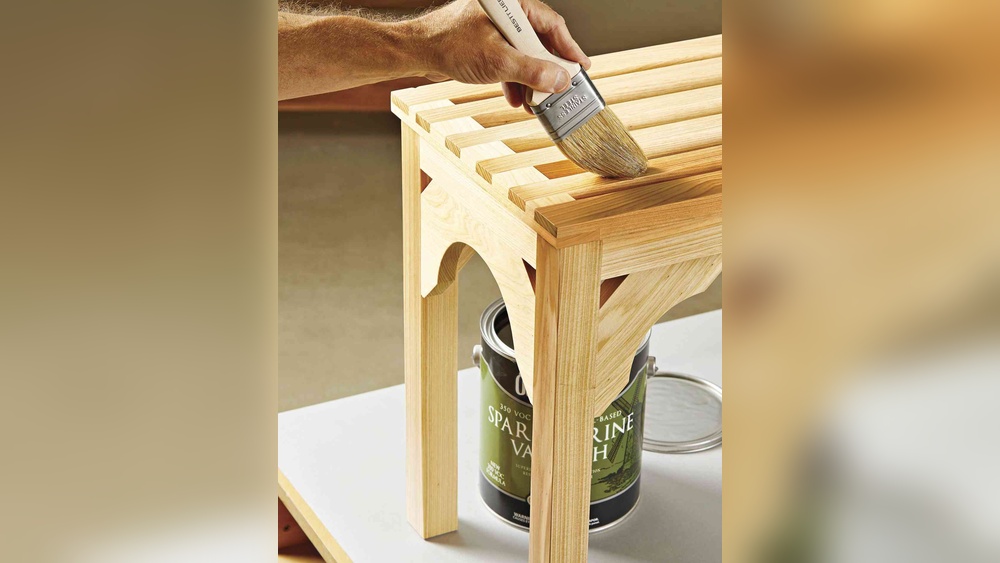
Choose a primer made for outdoor use and your furniture material. Stir the primer gently before use. Apply a thin, even coat using a brush or roller. Cover every area without thick patches. Work in small sections for better control. Avoid drips by not overloading your brush. Let the first coat dry before adding more if needed.
Drying Time Tips
Check the primer can for drying time instructions. Usually, it takes 1 to 4 hours to dry. Drying time depends on weather and humidity. Avoid touching the surface during drying. Paint only after the primer feels fully dry and firm. Proper drying ensures strong adhesion and a lasting paint job.
Common Mistakes To Avoid
Painting outdoor furniture can refresh its look and protect it from weather. Priming is a key step in this process. Avoiding common mistakes ensures a smooth, lasting finish. These errors often cause peeling, uneven color, or poor adhesion.
Skipping Surface Cleaning
Dirty surfaces stop primer from sticking well. Dirt, dust, and old paint flakes create a weak base. Clean the furniture with soap and water first. Let it dry completely before priming. This step helps primer bond tightly to the surface. It prevents peeling and flaking later on.
Applying Too Much Or Too Little Primer
Too much primer causes drips and uneven texture. It takes longer to dry and may crack over time. Too little primer leaves areas unprotected. Paint may peel or fade faster without a good base. Apply a thin, even coat for best results. Follow the product instructions carefully for coverage tips.
Maintaining Painted Outdoor Furniture
Maintaining painted outdoor furniture keeps it looking fresh and lasting longer. Sun, rain, and dust can wear down the paint over time. Regular care protects the surface and prevents damage.
Cleaning Tips
Clean your furniture gently to avoid peeling paint. Use a soft cloth or sponge with mild soap and water. Rinse with clean water to remove soap residue. Avoid harsh chemicals or scrubbing brushes that can scratch the paint. Clean often to stop dirt buildup and keep colors bright.
Touch-up And Repainting
Check for chips or scratches on the paint regularly. Small spots need quick touch-ups to stop rust or wood damage. Lightly sand the area before repainting for better paint grip. Use the same paint type and color for a smooth look. Repaint the entire piece every few years to keep it protected and new.

Credit: www.amazon.com

Credit: www.youtube.com
Frequently Asked Questions
Do I Need To Prime Outdoor Furniture Before Painting?
Yes, priming outdoor furniture is essential. It ensures better paint adhesion and protects wood from moisture, preventing peeling and cracking. Priming also enhances paint durability against weather elements, extending the furniture’s lifespan and maintaining its appearance.
What Type Of Primer Is Best For Outdoor Furniture?
Use a high-quality, exterior-grade primer designed for the furniture material. For wood, choose a stain-blocking, oil-based primer. For metal, use a rust-inhibiting primer. Proper primer selection improves paint adhesion and protects against weather damage.
Can I Skip Priming If Furniture Is Already Painted?
Skipping primer on previously painted furniture is risky. Old paint might peel or crack without priming. Light sanding and applying primer ensure better paint adhesion and a smoother, longer-lasting finish.
How Long Should Primer Dry On Outdoor Furniture?
Primer typically dries within 1 to 4 hours, depending on temperature and humidity. Always follow the manufacturer’s drying time instructions before applying paint to ensure optimal adhesion and finish quality.
Conclusion
Priming outdoor furniture helps paint stick better and last longer. It protects the surface from weather damage and prevents peeling. Skipping primer can lead to uneven color and quick wear. A simple primer step saves time and money in the long run.
Choose the right primer for your furniture material. Paint will look smoother and stay fresh with proper priming. Taking this small step improves your outdoor furniture’s appearance and durability. Easy and worth the effort.