Are you wondering if you can use Polycrylic on your outdoor furniture? You want your pieces to look great and stay protected, but choosing the right finish can be confusing.
Polycrylic is popular for indoor projects, but does it hold up outside? You’ll discover the truth about using Polycrylic outdoors, how it performs, and the best ways to keep your furniture looking fresh season after season. Keep reading to find out if Polycrylic is the right choice for your outdoor space.
Polycrylic Basics
Polycrylic is a popular finish for wood projects. It provides a clear, protective coat that keeps surfaces looking fresh. Many people choose it for indoor furniture and crafts. Understanding polycrylic helps decide if it suits outdoor furniture too.
What Is Polycrylic
Polycrylic is a water-based protective finish. It dries fast and has low odor. It forms a clear, hard coat on wood and other surfaces. It is less toxic than oil-based finishes. Polycrylic is easy to clean with soap and water.
Common Uses Indoors
Polycrylic works well on indoor furniture like tables and chairs. It protects against scratches and stains. It also brightens painted wood and enhances natural wood grain. People use polycrylic on cabinets, trim, and craft projects. It gives a smooth, shiny look without yellowing over time.
:max_bytes(150000):strip_icc()/polycrylic-vs-polyurethane-6891646-v1-55fc4eb651d249dabcc04eb9c708e308.png)
Credit: www.thespruce.com
Challenges Outdoors
Using Polycrylic on outdoor furniture has some challenges. Outdoor furniture faces tough conditions all year. Sun, rain, wind, and cold can harm the finish. Polycrylic is mainly for indoor use. It may not hold up well outside. Understanding these challenges helps you protect your furniture better.
Weather Exposure Effects
Sunlight can cause Polycrylic to fade and crack. UV rays break down the finish over time. Rain and moisture can make it peel or bubble. Water can seep under the coating and damage wood. Cold weather may cause the finish to shrink and flake. These effects reduce the lifespan of the coating.
Durability Concerns
Polycrylic is not very flexible. It can crack with wood movement outdoors. It is less resistant to wear and tear. Scratches and dents show up easily. Polycrylic does not block moisture well. This leads to wood swelling and rotting underneath. It needs frequent reapplication for outdoor use.
Using Polycrylic Outside
Polycrylic is a popular clear finish for many indoor projects. It dries fast and cleans up easily with water. But using it on outdoor furniture needs careful thought.
Outdoor furniture faces rain, sun, and cold. Not all finishes protect well under these conditions. Understanding how polycrylic works outside helps you decide if it suits your project.
Suitability For Outdoor Furniture
Polycrylic is water-based and clear. It offers good protection against scratches and stains. It works well on wood inside the home.
Outside, polycrylic can peel or crack over time. Sunlight and moisture wear it down faster. It is not made to handle harsh weather.
For short-term use or covered areas, polycrylic can work. It is best for furniture that stays under a porch or roof. Direct exposure to rain or sun reduces its lifespan.
Best Application Techniques
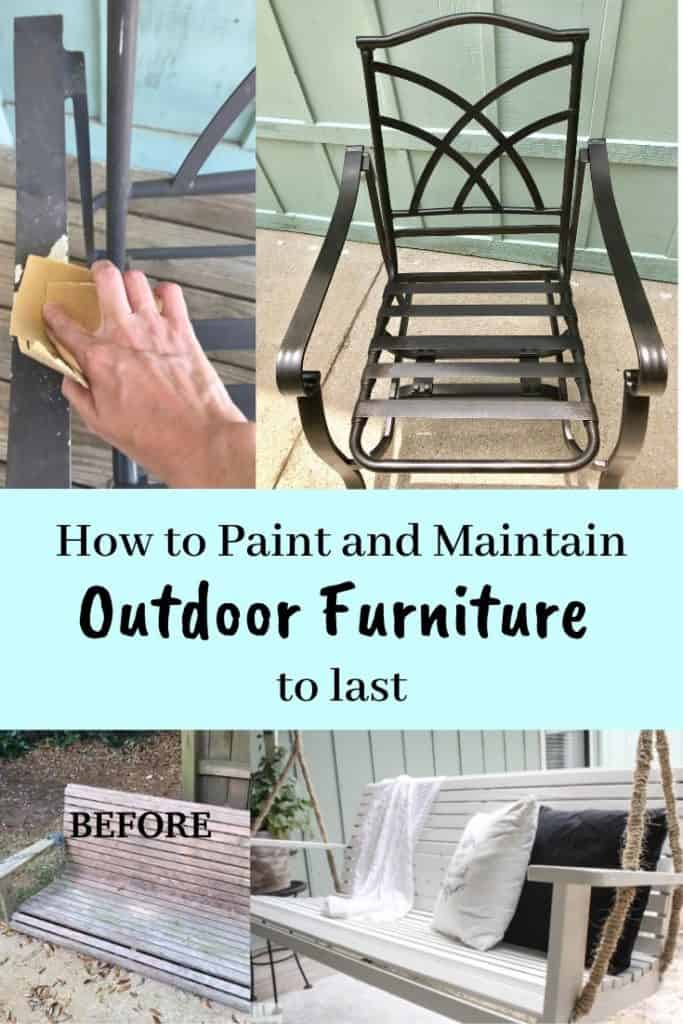
Clean the furniture surface before applying polycrylic. Remove dirt and old finishes with light sanding. This helps the finish stick better.
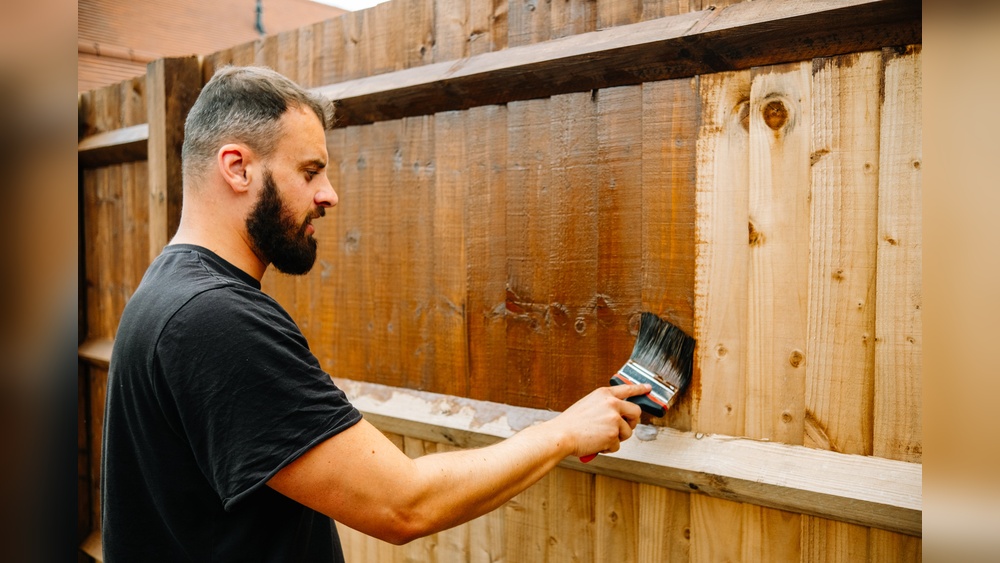
Use a high-quality brush or foam applicator. Apply thin, even coats to avoid drips and bubbles. Let each coat dry fully before adding the next.
Apply at least three coats for more durability. Lightly sand between coats with fine-grit sandpaper. This creates a smooth and strong finish.
Choose a well-ventilated, dry day to apply polycrylic. Avoid very hot or humid weather. This helps the finish dry evenly and last longer.
Credit: repurposeandupcycle.com
Alternatives To Polycrylic
Polycrylic is popular for indoor projects, but it may not suit outdoor furniture well. Outdoor furniture faces sun, rain, and temperature changes. These conditions need strong protection. Several alternatives provide better durability and weather resistance. Choosing the right finish helps keep furniture looking fresh longer.
Outdoor-specific Finishes
Outdoor finishes are made to handle harsh weather. Spar urethane is a common choice. It flexes with wood as it expands and contracts. This flexibility prevents cracking and peeling. Marine varnish is another option. It offers excellent water resistance and UV protection. Exterior-grade polyurethane also works well. It forms a hard, clear coat that shields from moisture and sun damage.
Comparing Protective Qualities
Polycrylic lacks strong UV resistance. It can yellow or crack over time outside. Spar urethane and marine varnish block UV rays better. They protect wood color and surface longer. Polyurethane is tough but less flexible than spar urethane. It may crack if the wood moves too much. Choosing finishes with good water and sun protection is key for outdoor use.
Preparation Tips
Preparing outdoor furniture correctly before applying Polycrylic is essential. Proper preparation helps the finish stick well and last longer. Follow these simple steps to get your furniture ready.
Surface Cleaning
Start by cleaning the furniture thoroughly. Remove dirt, dust, and grease using mild soap and water. Use a soft brush or cloth to scrub gently. Rinse with clean water and let it dry completely. Clean surfaces ensure better Polycrylic adhesion.
Sanding And Priming
Lightly sand the surface with fine-grit sandpaper. Sanding removes old finishes and creates a smooth base. Wipe off sanding dust with a damp cloth. Apply a primer suited for outdoor use. Primer helps Polycrylic stick and protects the wood from moisture.
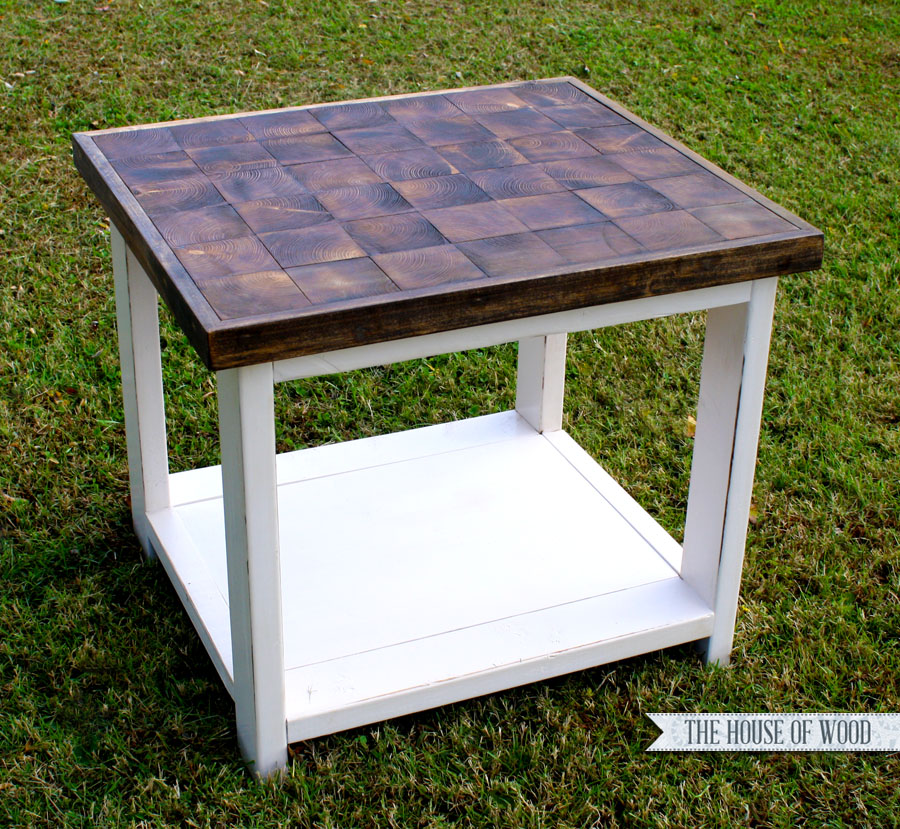
Credit: jenwoodhouse.com
Maintenance Advice
Maintaining outdoor furniture coated with polycrylic ensures it stays attractive and lasts longer. Proper care helps protect the finish from weather damage and daily use. Follow some simple steps to keep your furniture looking fresh and well-protected.
Reapplication Frequency
Polycrylic does not last forever outside. It wears down over time due to sun, rain, and temperature changes. Reapply the polycrylic every 1 to 2 years for the best protection. Check the surface for dullness or peeling to know when to add another coat. Lightly sand the furniture before reapplying to help the new layer stick well.
Handling Wear And Tear
Outdoor furniture faces scratches, dirt, and fading. Clean the pieces regularly with mild soap and water. Avoid harsh chemicals that can damage the finish. Use soft cloths or sponges to prevent scratches. Cover furniture during bad weather or store it indoors in winter. Fix small chips or cracks quickly by sanding and applying polycrylic again.
Frequently Asked Questions
Can Polycrylic Withstand Outdoor Weather Conditions?
Polycrylic is water-based and not ideal for harsh outdoor weather. It may peel or crack under sun and rain exposure. Use exterior-grade finishes for outdoor furniture for better durability and protection.
Is Polycrylic Suitable For Outdoor Wooden Furniture?
Polycrylic offers limited protection for outdoor wood. It’s best for indoor use since it lacks UV resistance and waterproofing needed outdoors. Choose products specifically designed for outdoor wood furniture.
How Long Does Polycrylic Last On Outdoor Surfaces?
Polycrylic generally lasts only a few months outdoors. Sunlight, moisture, and temperature changes degrade its finish quickly. For long-lasting outdoor furniture, use marine varnish or exterior polyurethane.
Can I Apply Polycrylic Over Existing Outdoor Paint?
Applying Polycrylic over outdoor paint is not recommended. It may not adhere well and can peel off. Always use compatible exterior finishes designed to withstand outdoor elements.
Conclusion
Polycrylic can protect outdoor furniture from dirt and light moisture. It works best on smooth, sealed surfaces. Avoid using it on rough or bare wood exposed to heavy rain. For long-lasting results, apply several thin coats and let each dry well.
Remember, polycrylic is not as strong as some outdoor paints. Choose the right finish for your furniture’s needs. With care, polycrylic helps keep your outdoor pieces looking nice. Simple steps make a big difference in outdoor furniture care.