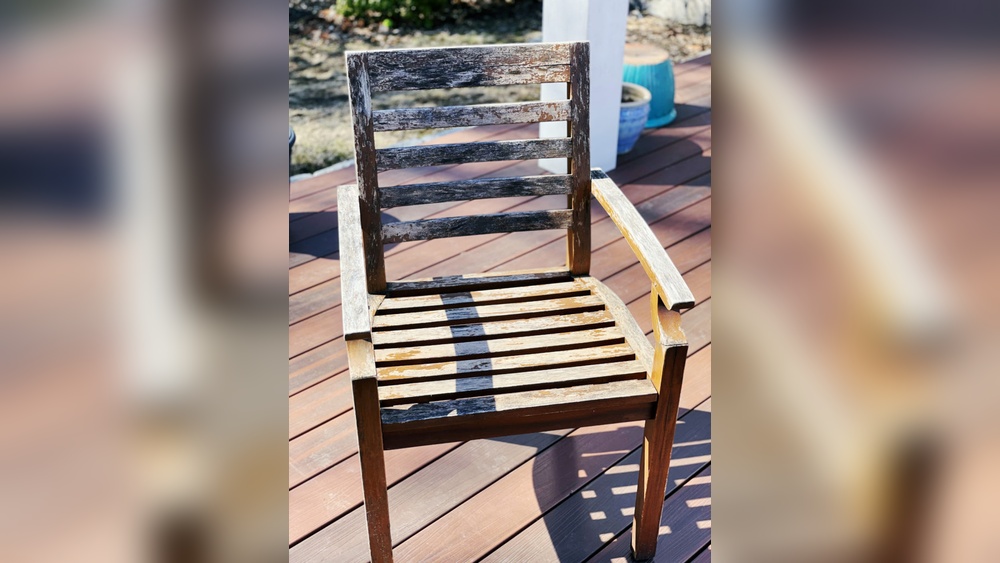
You want your outdoor wood furniture to look great and last for years. But choosing the right oil to protect it can be confusing.
Using the wrong product might leave your furniture dull, cracked, or damaged by weather. What if there was a simple way to keep your wood nourished, beautiful, and safe from sun, rain, and wear? You’ll discover exactly what oil works best for your outdoor wood furniture—and how to use it for the best results.
Keep reading to unlock the secret to stunning, long-lasting wood that you’ll love showing off every season.
Types Of Oils For Wood
Choosing the right oil for outdoor wood furniture protects it from weather damage. Oils help keep wood looking fresh and prevent drying or cracking. Different oils work better for various wood types and climates. Understanding oil types helps you pick the best one for your furniture.
Natural Oils
Natural oils come from plants and seeds. They soak into wood and nourish it deeply. Popular natural oils include linseed, tung, and teak oil. These oils enhance wood grain and provide a soft, natural finish. Natural oils are eco-friendly and easy to apply. They need regular reapplication to keep wood protected.
Synthetic Oils
Synthetic oils are made in labs with chemicals. They form a strong protective layer on wood surfaces. These oils resist water, sun, and dirt better than natural oils. Synthetic oils dry faster and last longer outdoors. They often come with added UV blockers. Use synthetic oils for heavy-use furniture or harsh climates.
Blended Oils
Blended oils mix natural and synthetic oils. They combine the best traits of both types. Blends offer good wood nourishment and strong protection. These oils balance easy application with long-lasting results. Many outdoor furniture oils on the market are blends. They suit most wood types and outdoor conditions well.

Credit: www.worldmarket.com
Benefits Of Using Oil
Oiling outdoor wood furniture gives many benefits. It helps keep the wood strong and looking good. The oil soaks into the wood, protecting it from damage. It also makes the furniture last longer in outdoor conditions.
Using oil is an easy way to care for wood. It brings out the natural beauty and guards against weather problems. This simple step can save money on repairs and replacements.
Enhancing Wood Grain
Oil makes the wood grain stand out clearly. It deepens the color and adds a soft shine. The furniture looks richer and more natural. This effect makes the wood more attractive and warm.
Water Resistance
Oiling helps stop water from soaking into wood. It creates a barrier that repels moisture. This prevents swelling, cracking, and warping. Water resistance keeps furniture strong during rain or dew.
Uv Protection
Sunlight can fade and damage wood over time. Oil shields the wood from harmful UV rays. This protection reduces fading and drying out. The furniture keeps its color and texture longer.
Choosing The Right Oil
Choosing the right oil for outdoor wood furniture is key to keeping it strong and beautiful. The right oil protects wood from water, sun, and dirt. It also brings out the natural color and grain of the wood. Not all oils work the same on every type of wood or in every climate. Knowing how to pick the best oil helps your furniture last longer and look great.
Wood Type Considerations
Different woods absorb oil in different ways. Hardwoods like teak and mahogany need oils with deep penetration. Softwoods such as pine and cedar need lighter oils to avoid sticky surfaces. Some oils darken wood, while others keep its natural shade. Check the wood type before choosing the oil to match its needs.
Climate Impact
Climate affects how wood reacts to oil. In wet areas, use oils with strong water resistance. Dry, sunny places need oils that protect against UV rays. Cold climates call for oils that prevent cracking and drying. Pick an oil that fits your local weather for the best protection.
Maintenance Requirements
Oils differ in how often they need reapplying. Some last months, others only weeks. Consider how much time you can spend on upkeep. Easy-maintenance oils save time but may cost more. Regular oiling keeps wood healthy and stops damage over time.
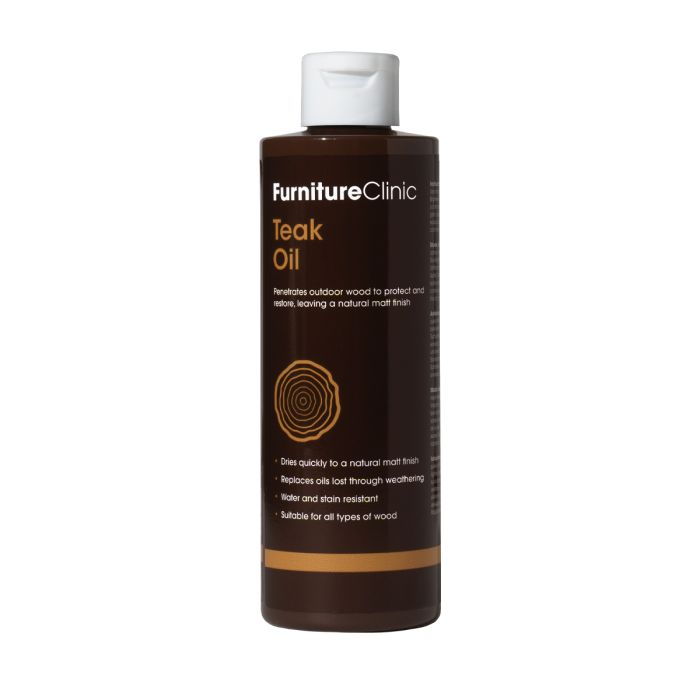
Credit: www.furnitureclinic.com
Application Techniques
Applying oil to outdoor wood furniture protects it from weather damage and keeps it looking fresh. Proper techniques ensure the oil soaks deep and lasts longer. Follow these steps carefully for the best results.
Surface Preparation
Start by cleaning the furniture. Remove dirt, dust, and old finishes. Use a soft brush or cloth to wipe the surface. Sand the wood lightly to open the pores. This helps the oil absorb better. Make sure the wood is dry before applying oil.
Proper Application Steps
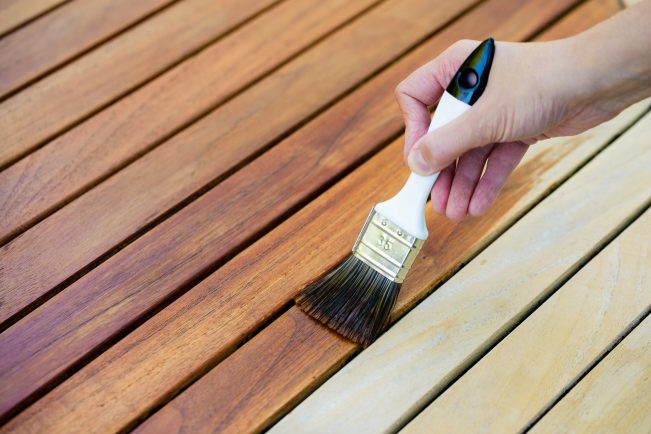
Use a clean, lint-free cloth or brush to apply the oil. Work with the wood grain for even coverage. Apply thin, even coats to avoid sticky spots. Let the oil soak in for 15 to 30 minutes. Wipe off any excess oil with a clean cloth. Repeat the process until the wood no longer absorbs the oil.
Drying And Curing Times
Allow the furniture to dry in a well-ventilated area. Drying time depends on the oil type and weather conditions. Usually, it takes 24 to 48 hours to dry. Full curing may take up to a week. Avoid using the furniture during this time for best results.
Common Mistakes To Avoid
Applying oil to outdoor wood furniture can protect and beautify it. Many people make simple mistakes that reduce oil effectiveness. Avoid these errors to keep your furniture safe and looking great.
Over-oiling
Too much oil can create sticky, wet surfaces. It prevents wood from breathing and can attract dirt. Apply oil in thin, even layers. Let each coat dry fully before adding more.
Ignoring Surface Cleaning
Oiling dirty wood traps dust and grime inside. Always clean the furniture first. Use a soft brush or cloth to remove dirt. Clean surfaces allow oil to soak in better and last longer.
Using The Wrong Oil
Not all oils suit outdoor wood. Some oils do not protect against water or sun damage. Choose oils designed for outdoor use. Look for products that mention UV and water resistance.
Credit: www.jarrimber.com.au
Maintenance Tips For Longevity
Maintaining your outdoor wood furniture is key to keeping it strong and beautiful. Proper care helps the wood resist weather damage and stay smooth. Using the right oil is only part of the process. Regular upkeep ensures the wood lasts many years.
Regular Cleaning
Clean the furniture often to remove dirt and dust. Use a soft brush or cloth with mild soap and water. Avoid harsh chemicals that can damage the wood. Let the furniture dry fully before applying oil.
Reapplication Frequency
Oil your wood furniture every six months or as needed. Check for dryness or dull spots that show wear. Applying oil too often can cause buildup. Wipe off extra oil to keep the surface smooth and even.
Seasonal Care
Prepare your furniture for changing weather. Before winter, apply a fresh coat of oil for protection. During hot months, shade the furniture to prevent cracking. Store pieces indoors if possible during harsh weather.
Environmental And Safety Considerations
Choosing the right oil for outdoor wood furniture means thinking about the environment and safety. Using oils that harm nature or cause health risks can create problems. Safe products and good habits protect both your wood and the planet. Understanding eco-friendly options, handling oils safely, and proper disposal are important steps.
Eco-friendly Oil Options
Natural oils are best for the environment. Linseed oil and tung oil come from plants and break down easily. They don’t release strong chemicals or fumes. These oils keep wood safe without harming soil or water. Choosing oils with no added solvents helps reduce pollution. Always check labels for non-toxic and biodegradable claims.
Safe Handling Practices
Wear gloves and work in fresh air to avoid skin contact and breathing oil fumes. Keep oil containers closed when not in use to prevent spills and evaporation. Use clean cloths and tools only for wood oiling. Avoid smoking or open flames near oil because it can catch fire. Store oils in cool, dry places away from children and pets.
Disposal Guidelines
Never pour leftover oil down drains or on the ground. Soak oily rags in water before throwing them in a sealed metal container to prevent fires. Take unused oil and containers to local hazardous waste centers. Follow local rules for disposing of oil products and oily materials. Proper disposal stops pollution and keeps the environment safe.
Frequently Asked Questions
What Type Of Oil Is Best For Outdoor Wood Furniture?
Teak oil and tung oil are ideal for outdoor wood furniture. They penetrate deeply, protecting against moisture and UV damage. These oils enhance natural wood grain while providing long-lasting durability and weather resistance.
How Often Should I Oil Outdoor Wood Furniture?
Oiling outdoor wood furniture every 6 to 12 months is recommended. Frequency depends on exposure to sun and rain. Regular oiling maintains protection, prevents drying, and keeps the wood looking fresh and vibrant.
Can I Use Cooking Oil On Outdoor Wood Furniture?
No, cooking oils like olive or vegetable oil are not suitable. They can become sticky, rancid, and attract dirt or insects. Always use specially formulated wood oils designed for outdoor use.
Does Oiling Outdoor Wood Furniture Prevent Cracking?
Yes, applying oil helps maintain wood moisture balance. This reduces drying and cracking caused by sun and weather exposure. Regular oiling keeps wood flexible and extends furniture lifespan.
Conclusion
Choosing the right oil keeps outdoor wood furniture strong and beautiful. Oils like teak, linseed, or tung protect wood from sun and rain. Regular oiling stops cracking and fading. Clean the wood first for best results. Applying oil is simple and saves money on repairs.
Enjoy your furniture’s natural look longer with good care. Small efforts make a big difference. Keep your outdoor wood furniture looking great year after year.