Your outdoor furniture faces sun, rain, dirt, and spills every day. Without proper protection, it can wear out quickly and lose its charm.
But what if you could keep your cushions, chairs, and tables looking fresh and new for years? That’s where Scotchgard comes in. In this guide, you’ll learn exactly how to Scotchgard your outdoor furniture, making it resistant to stains and weather damage.
Keep reading to discover simple steps that will save you time, money, and frustration while boosting the life of your favorite outdoor pieces.

Credit: www.amazon.com
Choosing The Right Scotchgard
Choosing the right Scotchgard for your outdoor furniture is important. The right product protects your furniture from water, stains, and dirt. It keeps your outdoor space looking fresh and clean. Different types of Scotchgard work for different materials. Understanding these types helps you pick the best one. Also, some factors affect how well Scotchgard works. Knowing these factors leads to better results and longer protection.
Types Of Scotchgard For Outdoor Use
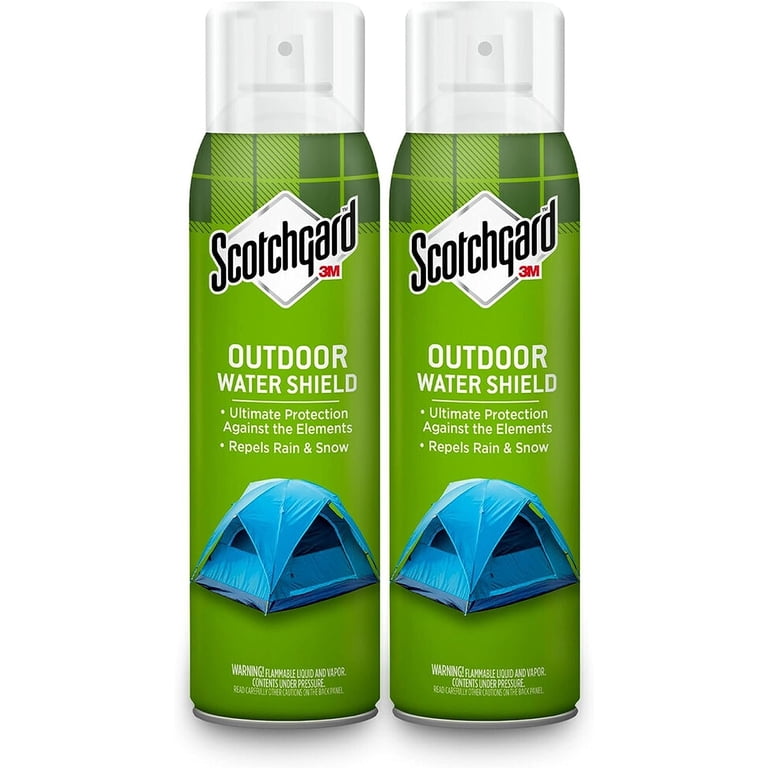
Scotchgard comes in sprays and liquids. Spray versions are easy to apply and dry fast. They are good for quick touch-ups. Liquid forms often provide deeper protection. Use liquids for heavy fabrics or cushions. Some Scotchgard products block UV rays. These help prevent color fading in the sun. Other types focus mainly on water resistance. Choose based on your furniture’s needs and material.
Factors To Consider Before Buying
Check if Scotchgard suits your furniture fabric. Some work best on polyester, others on cotton or vinyl. Look for water resistance and UV protection features. The size of the product matters too. Large outdoor sets need bigger bottles or multiple cans. Consider how easy the product is to apply. Also, check for any strong smells or harsh chemicals. Pick a product safe for your family and pets.

Credit: www.walmart.com
Preparing Furniture For Treatment
Preparing outdoor furniture for Scotchgard treatment is key to getting the best results. Clean surfaces allow the spray to stick well and protect properly. Without preparation, dirt and moisture can block the protective layer. Taking time to prepare your furniture will help it last longer and look great.
Cleaning Outdoor Furniture
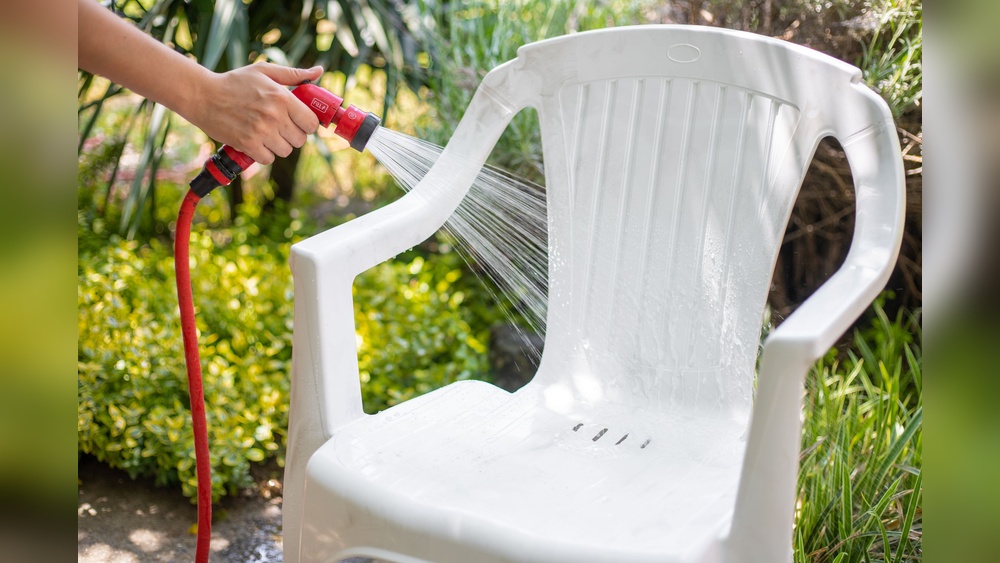
Start by removing loose dirt and dust with a soft brush or cloth. Use mild soap mixed with water to wash the surfaces gently. Avoid harsh chemicals that can damage the material. Rinse off all soap with clean water to prevent residue. Focus on corners and crevices where dirt hides. Clean surfaces help Scotchgard work better and protect evenly.
Drying And Inspecting Surfaces
Let the furniture dry completely in the sun or air. Moisture can stop the spray from sticking well. After drying, check for stains, cracks, or damage. Fix small problems before applying Scotchgard. Smooth, dry surfaces create a strong barrier against water and stains. This step ensures your furniture stays protected longer.
Applying Scotchgard Correctly
Applying Scotchgard correctly protects your outdoor furniture from water, stains, and dirt. It creates a barrier that keeps fabric clean and fresh. Proper application ensures long-lasting protection and better results.
This process is simple but needs the right conditions and steps. Follow these guidelines to get the best out of your Scotchgard treatment.
Best Conditions For Application
Choose a dry day with mild temperatures between 50°F and 80°F. Avoid windy days to prevent overspray on unwanted areas. Work in a well-ventilated space or outdoors. Make sure the furniture is clean and dry before applying Scotchgard. Do not apply under direct sunlight or on hot surfaces.
Step-by-step Application Guide
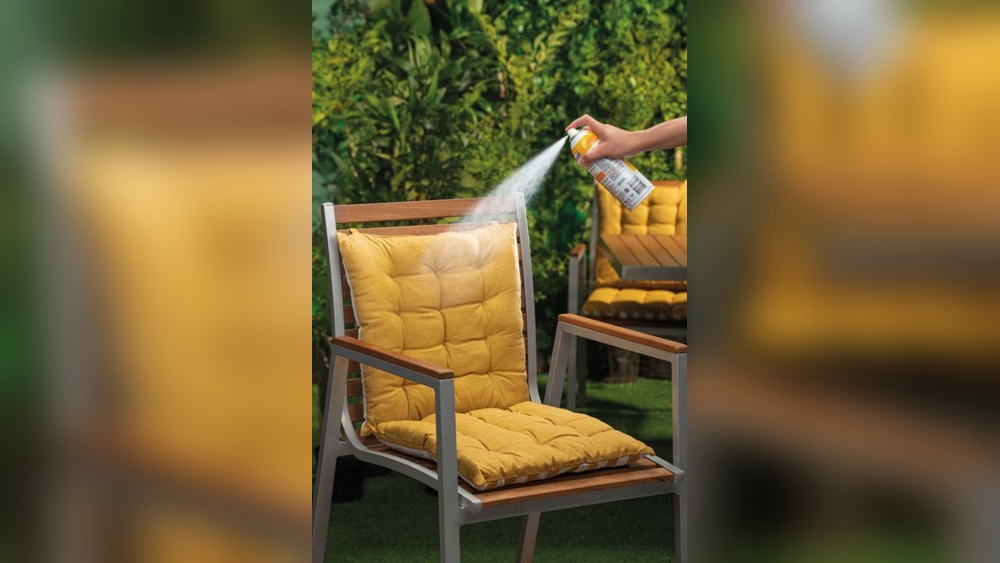
Step 1: Shake the Scotchgard can well for about 15 seconds. Step 2: Hold the can 6 to 8 inches away from the fabric. Step 3: Spray a light, even coat over the entire surface. Step 4: Let the first coat dry for 2 hours. Step 5: Apply a second coat for extra protection. Step 6: Allow the furniture to dry completely before use, about 24 hours.
Credit: www.walmart.com
Drying And Curing Process
The drying and curing process is key after applying Scotchgard to outdoor furniture. It ensures the protective layer sets well. This step helps keep your furniture safe from water, stains, and dirt.
Proper drying and curing also make the Scotchgard last longer. Rushing this process can reduce its effectiveness. Understanding the right drying time and avoiding mistakes can improve your results.
Recommended Drying Time
Allow the furniture to dry in a clean, dry place. The ideal drying time is about 24 hours. This gives the Scotchgard enough time to bond with the surface. Avoid using the furniture before it fully dries. Cold or humid weather may require more drying time. Check the product label for specific instructions.
Avoiding Common Mistakes
Do not expose the furniture to rain or moisture during drying. Avoid touching the surface until it feels dry to the touch. Applying too much product can cause uneven drying. Avoid drying in direct sunlight for long periods. It may damage the fabric or finish. Always follow the recommended drying environment and time.
Maintaining Scotchgard Protection
Maintaining Scotchgard protection on outdoor furniture keeps it looking fresh. It helps repel water, dirt, and stains for a longer time. Regular care ensures the fabric stays protected and lasts through seasons.
Reapplication Frequency
Scotchgard wears off over time due to weather and use. Apply a new layer every year for best results. Check your furniture for signs of wear or fading before reapplying. Light use may need less frequent treatment.
Cleaning Tips To Preserve Protection
Clean your furniture gently to keep Scotchgard active. Use mild soap and water, avoiding harsh chemicals. Rinse thoroughly and let it dry completely in the shade. Avoid scrubbing too hard, which can remove the protective layer.
Dealing With Stains And Damage
Outdoor furniture faces dirt, stains, and damage from weather and use. Protecting it with Scotchgard helps, but stains still happen. Quick care keeps your furniture looking good and lasting longer. Knowing how to clean spots and when to reapply protection is key.
Spot Cleaning Techniques
Start by blotting spills with a clean cloth. Avoid rubbing, as it spreads the stain. Use mild soap mixed with water for most stains. Gently scrub with a soft brush or cloth. Rinse the area with clean water and dry it well. For tough stains, try a specialized outdoor fabric cleaner. Test cleaners on a small area first to avoid damage. Clean stains as soon as you notice them. This stops stains from setting deep into the fabric.
When To Reapply Scotchgard
Scotchgard wears off over time and use. Reapply every six months for best protection. If your furniture gets heavy use, check it more often. Water no longer beads on the fabric? Time to reapply. After cleaning large stains, reapply to keep protection strong. Apply Scotchgard on dry, clean furniture. Spray evenly and let it dry fully before use. Regular reapplication keeps your furniture safe from stains and damage.
Safety And Environmental Tips
Scotchgard protects outdoor furniture from stains and dirt. Using it safely helps avoid health risks and protects nature. Follow simple safety rules and consider eco-friendly options for a cleaner, safer home and environment.
Safe Usage Practices
Apply Scotchgard in a well-ventilated area. Avoid breathing in the spray. Wear gloves to protect your skin. Keep children and pets away during application. Do not spray near open flames or heat. Store the product out of reach of kids. Follow the instructions on the label carefully. Dispose of empty cans properly to avoid pollution.
Eco-friendly Alternatives
Look for water-based or low-VOC fabric protectors. These cause less harm to air and water. Some natural oils can repel stains without chemicals. Test any new product on a small fabric area first. Reuse old furniture covers to reduce waste. Clean furniture regularly to lower the need for sprays. Choose products labeled as biodegradable or eco-safe.
Frequently Asked Questions
How Do I Prepare Outdoor Furniture For Scotchgard?
Clean the furniture thoroughly and let it dry completely. Remove dirt, dust, and grime to ensure Scotchgard adheres properly. Avoid using harsh chemicals that can damage the material before application.
How Long Does Scotchgard Protection Last On Outdoor Furniture?
Scotchgard typically lasts 6 to 12 months outdoors. Factors like weather, usage, and material type affect its longevity. Reapply as needed to maintain water and stain resistance.
Can Scotchgard Be Used On All Outdoor Furniture Materials?
Scotchgard works best on fabric, cushions, and some plastics. Avoid applying it on wood or metal, as it may not provide effective protection or could cause damage.
Is Scotchgard Safe For Outdoor Furniture And The Environment?
Scotchgard is generally safe when used as directed. It contains chemicals but is designed for outdoor use. Always apply in a well-ventilated area and follow safety instructions.
Conclusion
Scotchgard protects your outdoor furniture from stains and water. It keeps your furniture looking fresh for longer. Apply it evenly and let it dry well. Regular reapplication helps maintain strong protection. Clean your furniture before applying Scotchgard for best results.
This simple step saves you time and money later. Enjoy your outdoor space without worrying about damage. Small effort, big difference in furniture care. Try Scotchgard to keep your furniture safe and clean.