Your wooden outdoor furniture adds charm and comfort to your outdoor space. But weather, sun, and time can take a toll on its beauty and durability.
If you want to keep your furniture looking fresh and strong for years, knowing how to treat it properly is key. You’ll discover simple, effective ways to protect and restore your wooden pieces. By following these tips, you’ll save money, avoid damage, and enjoy your outdoor furniture at its best.
Ready to learn how? Let’s dive in!
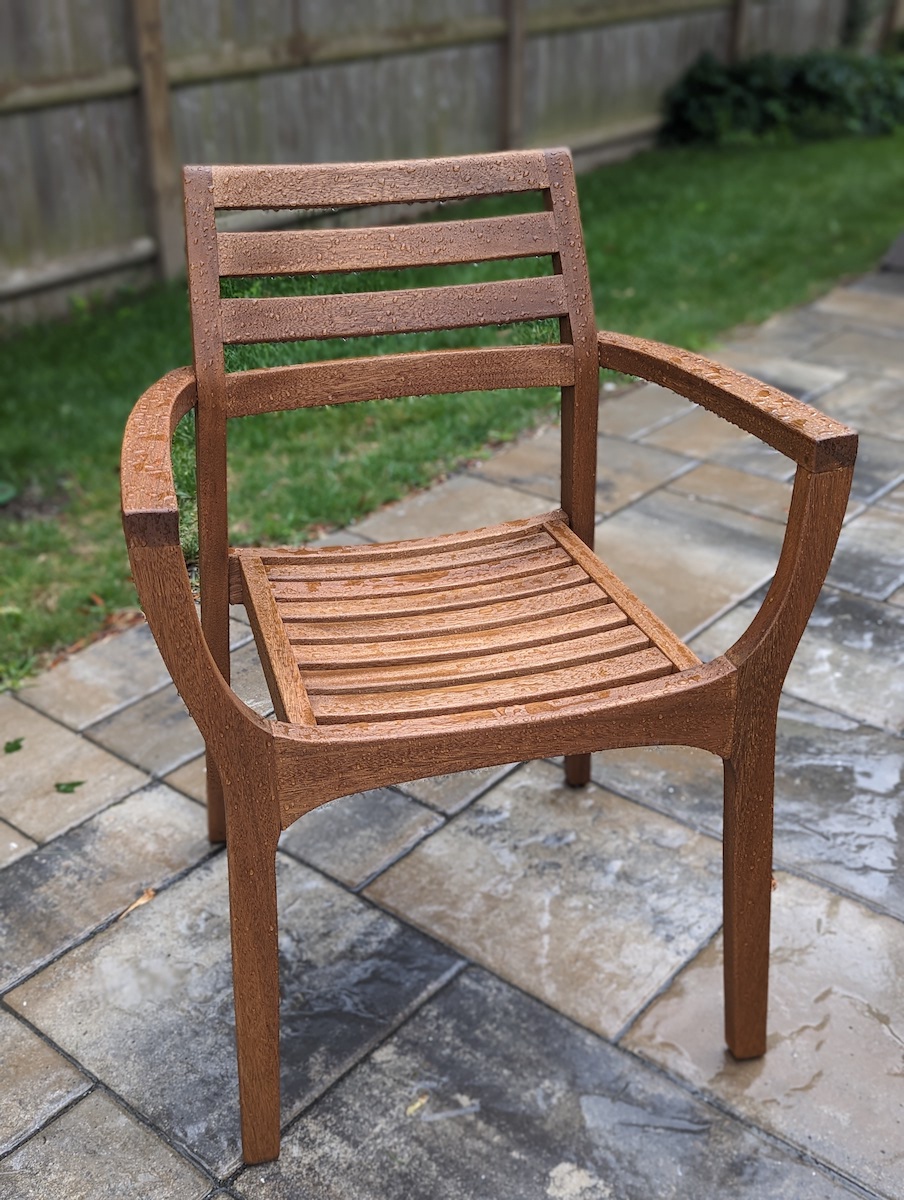
Credit: www.findingsilverpennies.com
Choosing The Right Wood
Choosing the right wood is key for wooden outdoor furniture care. The wood type affects durability, look, and maintenance needs. Picking a suitable wood ensures your furniture lasts longer and stays beautiful. Understanding wood varieties helps you make the best choice for your outdoor space.
Hardwood Vs Softwood
Hardwood comes from slow-growing trees. It is dense, strong, and lasts long outdoors. Examples include teak, oak, and mahogany. Hardwood resists dents and scratches better than softwood.
Softwood grows faster and is lighter. Pine and cedar are common softwoods. Softwood is easier to shape but less durable outside. It needs more treatment to handle weather effects.
Hardwood is usually more expensive but requires less care. Softwood is budget-friendly but demands regular sealing or painting. Choose wood based on your budget and how much work you want.
Weather-resistant Options
Weather-resistant wood handles rain, sun, and temperature changes well. Teak and cedar naturally resist moisture and insects. These woods need little maintenance and stay strong longer.
Pressure-treated wood is another option. Chemicals protect it from rot and bugs. It works well for moist or rainy areas.
Look for wood with tight grain and natural oils. These features improve water resistance. Weather-resistant wood saves time and money on repairs.

Credit: woodcare.guide
Cleaning Wooden Furniture
Cleaning wooden outdoor furniture keeps it looking fresh and lasts longer. Dirt and dust build up over time. This can damage the wood if not cleaned properly. Regular cleaning helps protect the wood from weather and wear.
Removing Dirt And Debris
Start by brushing off loose dirt with a soft brush. Use a broom or a dry cloth for leaves and debris. Avoid hard scrubbing that might scratch the wood. Rinse the furniture with clean water to remove remaining dust. Let the wood dry before the next step.
Using Gentle Cleaners
Choose mild soap mixed with water for cleaning. Avoid harsh chemicals that can harm the wood. Use a soft cloth or sponge to apply the cleaner. Gently scrub the surface to remove stains and grime. Rinse well with water to remove soap residues. Allow the furniture to dry completely in the shade.
Sanding And Smoothing
Sanding and smoothing wooden outdoor furniture is a key step in its care. It removes old finishes and rough spots. This process prepares the wood for sealing or painting. Smooth surfaces help protect the wood from weather damage. Proper sanding also improves the furniture’s look and feel.
Preparing The Surface
Start by cleaning the furniture with a soft brush or cloth. Remove dirt, dust, and any loose paint or varnish. Choose sandpaper with the right grit. Use coarse grit to remove old finish. Then switch to finer grit to smooth the wood. Always sand in the direction of the wood grain. This prevents scratches and preserves the wood’s natural pattern.
Avoiding Damage
Wear a mask to avoid breathing dust. Use gentle pressure while sanding. Pressing too hard can damage the wood. Check the furniture often to avoid over-sanding. Avoid using electric sanders on delicate parts. Hand sanding gives more control and less risk of damage. Cover nearby plants and surfaces to protect from dust.
Applying Protective Finishes
Applying protective finishes is essential for wooden outdoor furniture. It helps protect the wood from water, sun, and dirt. Protective finishes extend the life of the furniture. They keep the wood looking good for many years. Choosing the right finish depends on the wood type and how you use the furniture.
Types Of Wood Sealants
Wood sealants create a barrier against moisture and dirt. Clear sealants keep the natural look of the wood. They are good for showing wood grain. Oil-based sealants soak into the wood and protect from inside. Water-based sealants dry faster and have less odor. They are easy to clean up with soap and water. Some sealants include UV protection to stop sun damage. Choose a sealant that suits your climate and furniture type.
Staining Vs Painting
Staining adds color but lets the wood grain show. It soaks into the wood and protects from moisture. Stains are good for natural wood looks. Painting covers the wood completely. It hides the grain but offers strong protection. Paint works well on rough or damaged wood. It also allows many color options. Both staining and painting need proper surface preparation. Sanding the wood helps the finish stick better. Choose based on your style and furniture condition.
Regular Maintenance Tips
Wooden outdoor furniture needs regular care to stay beautiful and strong. Small steps can stop big damage. Keep your furniture looking fresh and lasting longer. Follow simple tips to protect your wood from weather and wear.
Seasonal Care Routines
Clean your furniture at the start of each season. Use mild soap and water to remove dirt and dust. Let it dry completely before using or storing. Apply a wood sealant or oil to protect from moisture and sun. Cover or move furniture indoors during harsh weather. This helps prevent cracks and fading.
Checking For Wear And Tear
Look over your furniture often for signs of damage. Check joints, screws, and nails to keep them tight. Sand down rough spots to avoid splinters. Fix small cracks quickly to stop them from growing. Replace broken parts to keep furniture safe and stable. Regular checks save money and effort later.

Credit: www.findingsilverpennies.com
Storage And Covering
Proper storage and covering protect wooden outdoor furniture from weather damage. Keeping wood dry and shielded prevents cracking and fading. These steps extend the furniture’s life and keep it looking fresh.
Best Practices For Winter
Store wooden furniture indoors during winter. A dry, cool place works best. Avoid damp basements or garages. Clean and dry furniture before storing. Apply a protective wood oil or sealant first. Stack cushions separately in a dry area. Check stored furniture monthly for moisture or pests.
Using Furniture Covers Effectively
Choose covers made of breathable material. This stops mold and mildew under the cover. Ensure covers fit snugly but allow air flow. Remove covers during dry, sunny days to air the furniture. Secure covers with ties or elastic bands to keep them in place. Always dry furniture fully before covering to avoid trapping moisture.
Dealing With Common Issues
Wooden outdoor furniture faces many challenges. Weather, moisture, and sun cause damage over time. Common issues like mold, mildew, cracks, and splits need attention. Treating these problems early keeps your furniture strong and looking good. Simple steps help extend the life of your wooden pieces.
Treating Mold And Mildew
Mold and mildew appear on wood in damp areas. They look like dark spots or fuzzy patches. Use a soft brush to remove loose mold first. Mix mild soap with water to scrub the surface gently. Rinse with clean water and dry the wood completely. For stubborn mold, try a solution of vinegar and water. Avoid harsh chemicals that can damage wood. Regular cleaning prevents mold from returning.
Fixing Cracks And Splits
Cracks and splits happen as wood dries and shrinks. Small cracks can be filled with wood filler or epoxy. Apply the filler with a putty knife and smooth it out. Let it dry according to the product instructions. Sand the area lightly to blend it with the wood surface. Large splits may need wood glue and clamps to hold the parts together. Keep the furniture covered in bad weather to stop new cracks.
Frequently Asked Questions
How Often Should I Treat Wooden Outdoor Furniture?
Treat wooden outdoor furniture at least once a year. Regular treatment protects against weather damage and keeps wood looking fresh. In harsh climates, consider treating twice yearly for extra protection. Always clean furniture before applying any treatment for best results.
What Is The Best Wood Treatment For Outdoor Furniture?
Use a high-quality outdoor wood sealer or oil for treatment. Teak oil, linseed oil, and specialized wood sealers protect and enhance wood grain. Choose products with UV protection to prevent fading and cracking from sun exposure.
Can I Use Paint Instead Of Stain On Wood Furniture?
Yes, you can use outdoor paint instead of stain. Paint offers a protective layer and color options but may hide natural wood grain. Stain preserves wood texture while providing protection. Choose based on desired appearance and maintenance preferences.
How Do I Prevent Mold On Wooden Outdoor Furniture?
Keep furniture dry and clean to prevent mold growth. Use a mild detergent and water to clean regularly. Apply mold-resistant sealers to protect wood. Store furniture covered or indoors during wet seasons to minimize exposure.
Conclusion
Taking care of wooden outdoor furniture keeps it strong and beautiful. Clean the wood gently and dry it well. Use oil or sealant to protect against weather damage. Store furniture in a dry place during harsh seasons. Regular care saves money and extends furniture life.
Enjoy your outdoor space with furniture that looks great year after year. Small steps make a big difference in maintenance. Keep your wood safe and comfortable for many seasons. Simple care routines bring lasting results.


