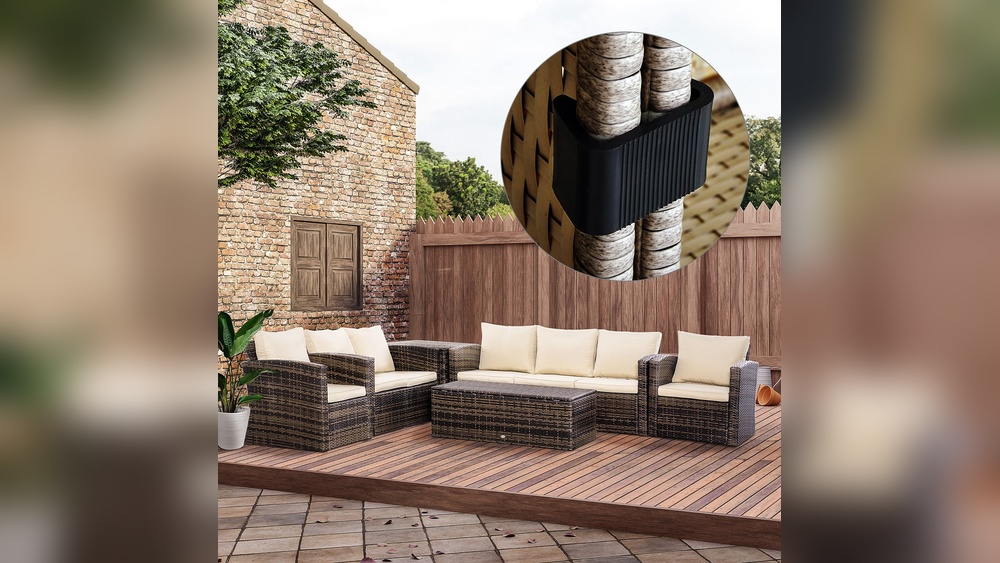
Your acacia wood outdoor furniture adds a warm, natural touch to your space. But to keep it looking its best year after year, you need to give it the right care.
Without proper treatment, your beautiful furniture can fade, crack, or lose its charm under the sun and rain. You’ll discover simple, effective ways to protect and maintain your acacia wood. Keep reading to learn how easy it is to extend the life of your outdoor pieces and enjoy their beauty for many seasons to come.
Choosing The Right Acacia Wood
Choosing the right acacia wood is key to lasting outdoor furniture. Not all acacia wood suits outdoor use. Some types resist weather better than others. Picking the right kind ensures your furniture stays strong and beautiful.
Benefits Of Acacia Wood
Acacia wood is tough and dense. It resists scratches and dents well. This wood handles rain and sun better than many woods. It also has a natural shine that adds charm. The wood ages nicely, gaining a soft, rich color. Acacia is easy to clean and maintain. It is a good choice for outdoor furniture.
Types Suitable For Outdoor Use
Not all acacia species suit outdoors. Acacia mangium and Acacia catechu are good choices. These types resist water and insect damage. They also hold up well in hot sun. Avoid softer acacia types for outdoor furniture. Using the right type means furniture lasts longer. Choose wood that feels heavy and solid. This shows it is dense and strong.
Cleaning Your Acacia Furniture
Keeping your acacia wood furniture clean is key to its long life. Dirt and dust can build up and harm the wood. Regular cleaning helps the furniture look nice and stay strong. Follow simple steps to clean your acacia furniture safely and well.
Removing Dirt And Debris
Start by brushing off loose dirt and leaves. Use a soft brush or cloth to avoid scratches. For stubborn dirt, rinse the furniture with water. Avoid using a strong water jet as it can damage the wood. Let the furniture dry completely before the next step.
Safe Cleaning Solutions
Use mild soap mixed with warm water to clean the surface. Dip a soft cloth in the solution and wipe gently. Do not soak the wood or use harsh chemicals. Rinse with clean water to remove soap residue. Dry the furniture with a clean towel to prevent water stains.
Sanding And Smoothing
Sanding and smoothing are key steps in caring for acacia wood outdoor furniture. They help keep the surface even and free of rough patches. Proper sanding removes old finishes and prepares the wood for new treatments. This process protects the furniture and extends its life outdoors.
When To Sand
Sanding is needed when the wood feels rough or looks dull. It also helps if the surface has cracks or splinters. After a few seasons outside, weather can wear down the finish. Sanding removes damaged layers and smooths the surface again. Always sand before applying oil or sealant to help it soak in better.
Tools And Techniques
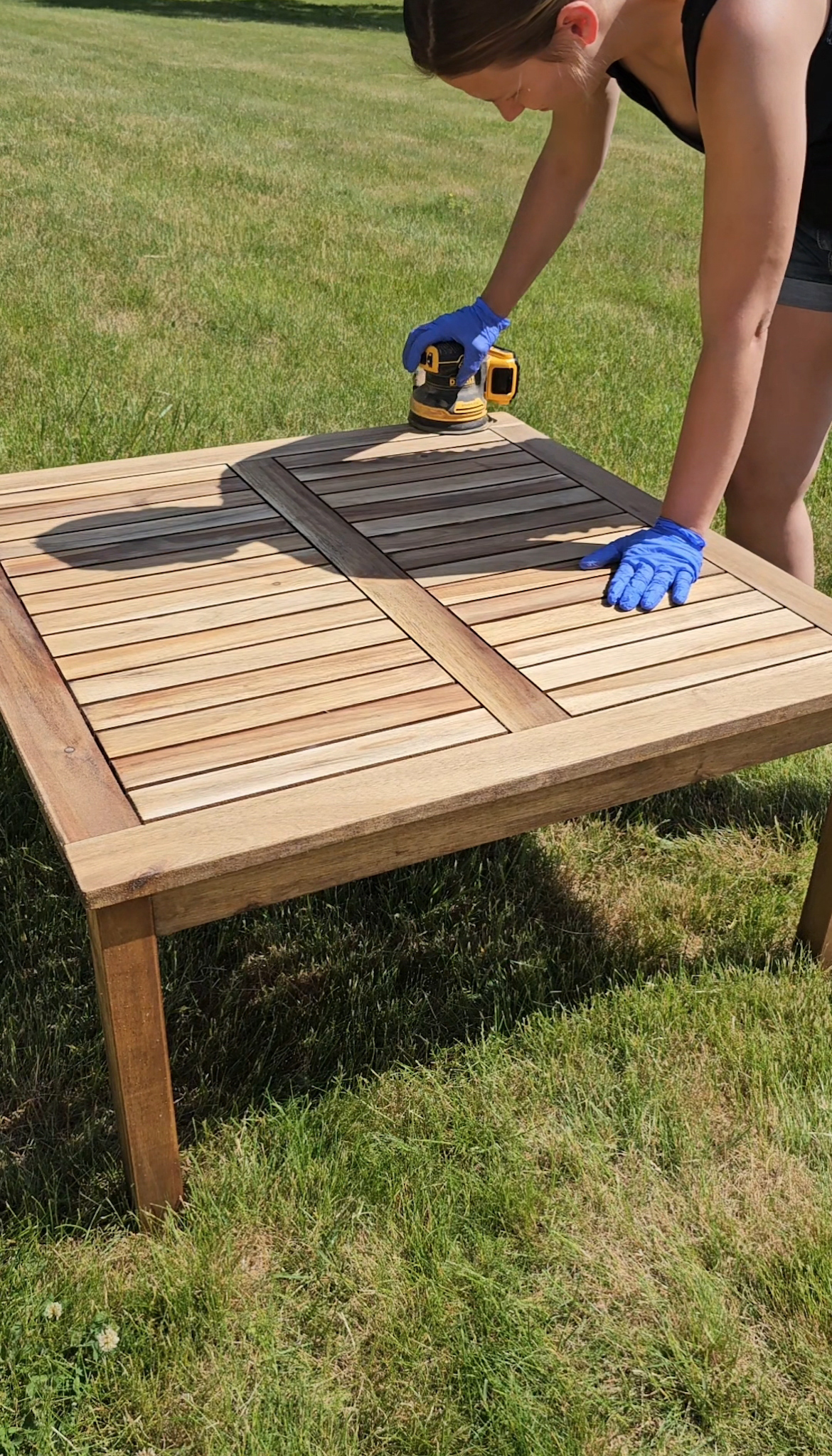
Use fine to medium grit sandpaper for acacia wood. Start with 120-grit to remove rough spots. Then use 220-grit to smooth the surface. Sand along the wood grain to avoid scratches. A sanding block or electric sander works well for flat areas. For corners, use sanding sponges or folded paper. Clean dust with a soft brush before finishing.

Credit: q-furniture.com
Applying Protective Treatments
Applying protective treatments is key to keeping acacia wood furniture strong outdoors. These treatments stop water damage, sun fading, and dirt buildup. Regular care helps the wood keep its rich color and smooth texture for years.
Protective oils and sealants form a barrier on the wood surface. This barrier blocks moisture and harmful UV rays. It also makes cleaning easier and prevents cracking or splitting over time.
Choosing Oils And Sealants
Pick oils made for hardwood like acacia. Teak oil and linseed oil soak well into the wood. They bring out the natural grain and add a soft shine. Avoid thick, sticky oils that do not dry quickly.
Sealants come as clear or tinted liquids. Clear sealants keep the natural look. Tinted ones add color and extra sun protection. Water-based sealants dry fast and have low odor. Oil-based sealants last longer but take more time to dry.
Step-by-step Application
Start by cleaning your furniture. Use mild soap and water to remove dirt and dust. Let the wood dry completely before treatment.
Lightly sand the surface with fine-grit sandpaper. This opens wood pores for better oil or sealant absorption. Wipe away sanding dust with a clean cloth.
Apply the chosen oil or sealant with a soft brush or cloth. Follow the wood grain for even coverage. Use thin coats to avoid sticky buildup.
Allow the first coat to soak in or dry as directed on the product label. Apply a second coat for stronger protection. Let the final coat dry fully before using the furniture.
Maintenance Tips For Longevity
Acacia wood outdoor furniture brings natural beauty to any garden or patio. To keep it looking great, regular care is essential. Simple maintenance steps help protect the wood from weather damage. These tips will extend the life of your furniture and keep it strong for years.
Regular Inspection
Check your acacia furniture often. Look for cracks, splits, or loose joints. Early spotting of damage stops bigger problems. Clean dirt and dust from surfaces. Use a soft brush or cloth to avoid scratches. Inspect metal parts for rust. Treat rust spots quickly to prevent spreading.
Seasonal Care Routines
Adjust care based on the season. In spring and summer, clean the wood with mild soap and water. Dry furniture completely before use. Apply teak oil or wood protector every few months. This keeps the wood from drying out. Cover furniture or store it indoors during winter. This shields it from rain and frost damage. Regular oiling and covering reduce wear and tear.

Credit: www.reddit.com
Repairing Minor Damages
Acacia wood outdoor furniture can get small damages over time. These minor issues do not need to ruin your furniture. You can fix scratches, cracks, and broken parts easily at home. Repairing these damages will keep your furniture strong and looking good for years.
Fixing Scratches And Cracks
Light scratches appear from daily use or moving furniture. Use fine sandpaper to smooth the scratch gently. Sand along the wood grain to avoid more damage. After sanding, clean the dust with a soft cloth.
For deeper scratches or cracks, apply wood filler. Choose a filler that matches the wood color. Press the filler into the crack with a putty knife. Let it dry completely, then sand the area smooth. Finish by applying a wood sealant or oil to protect the repair.
Replacing Damaged Parts
Sometimes, parts of your furniture may break or wear out. Replacing these parts can save the whole piece. Remove the damaged part carefully using tools like a screwdriver or saw.
Find a matching piece of acacia wood to replace it. Cut it to the right size and shape. Attach the new part securely with screws or wood glue. Sand the edges to blend the new part with the old wood. Apply a protective finish to keep it safe from weather.
Storing Acacia Furniture
Storing acacia wood outdoor furniture properly extends its life and keeps it looking good. This wood is strong but needs care during storage. Good storage stops damage from moisture, sunlight, and pests. Follow simple steps to protect your furniture during off-season and bad weather.
Best Practices For Off-season
Clean the furniture before storing. Remove dirt and dust with a soft brush. Use mild soap and water for stubborn stains. Let the furniture dry completely to stop mold growth. Store pieces in a dry, ventilated area. Avoid damp basements or garages. Cover with breathable fabric covers to keep dust away. Avoid plastic covers as they trap moisture. Keep furniture off the floor using pallets or blocks. This prevents moisture damage from the ground.
Protecting From Extreme Weather
Acacia wood reacts poorly to extreme cold and heat. During winter, store furniture indoors or in a heated shed. In hot weather, avoid direct sun exposure by storing in shade. Use waterproof covers to protect from rain and snow. Secure covers tightly to prevent wind damage. Check stored furniture regularly for signs of damage. Treat any small cracks or scratches quickly. This stops bigger problems later.
Credit: simplifythechaos.com
Frequently Asked Questions
How Often Should I Treat Acacia Wood Furniture?
Treat acacia wood furniture every 6 to 12 months. Regular treatment protects against weather damage and maintains its rich color. Clean the furniture first, then apply oil or sealant for best results.
What Type Of Oil Is Best For Acacia Wood?
Use teak oil or linseed oil for acacia wood. These oils penetrate deeply and enhance the wood’s natural beauty. Avoid water-based oils as they provide less protection.
Can I Use Outdoor Sealant On Acacia Wood?
Yes, outdoor sealants are ideal for acacia wood. They form a protective barrier against moisture and UV rays. Choose a clear, non-yellowing sealant for long-lasting protection.
How Do I Clean Acacia Wood Before Treatment?
Clean acacia wood with mild soap and water using a soft brush. Rinse thoroughly and let it dry completely. Avoid harsh chemicals to prevent wood damage before applying oil or sealant.
Conclusion
Treating Acacia wood outdoor furniture keeps it strong and beautiful. Clean the wood regularly to remove dirt and dust. Apply oil or sealant to protect it from water and sun. Store furniture in a dry place during bad weather. Small repairs early stop bigger problems later.
Good care helps your furniture last many years. Enjoy your outdoor space with well-maintained Acacia wood pieces. Simple steps make a big difference in wood health. Keep your furniture looking fresh and inviting all season.