Are you wondering if you can wax your outdoor teak furniture to keep it looking great? Teak is known for its durability and natural beauty, but maintaining it can be tricky.
You want your furniture to stay protected from the sun, rain, and daily wear, but is waxing the right choice? You’ll discover the truth about waxing teak, learn the best care tips, and find out how to make your outdoor pieces last longer and shine brighter.
Keep reading to unlock the secrets that will keep your teak furniture looking stunning year after year.
Benefits Of Waxing Teak Furniture
Waxing outdoor teak furniture offers several key benefits. It helps keep the wood looking fresh and strong. Applying wax is a simple step that makes a big difference in care. Below are the main advantages of waxing teak furniture.
Enhancing Natural Beauty
Waxing brings out teak’s warm, rich color. It adds a soft shine that highlights the wood grain. The natural look of teak becomes more vibrant and appealing. Wax also helps maintain this beauty over time.
Protecting Against Weather
Outdoor teak faces sun, rain, and wind every day. Wax forms a thin layer that shields the wood from moisture. This barrier prevents water damage and reduces fading from sunlight. Wax keeps teak furniture safe in all seasons.
Extending Furniture Lifespan
Regular waxing helps teak last longer. The protection stops cracks and splits from developing. Wax reduces wear from daily use and weather changes. Well-maintained teak furniture stays strong and usable for years.

Credit: www.youtube.com
Preparing Teak For Waxing
Preparing teak for waxing is a key step to keep your outdoor furniture in top shape. Proper preparation helps the wax stick better and protects the wood longer. This process involves cleaning, smoothing, and drying the wood carefully.
Cleaning Dirt And Grime
Start by removing all dirt and grime from the teak surface. Use a soft brush or cloth with mild soap and water. Gently scrub to avoid damaging the wood. Rinse thoroughly with clean water. Let the furniture dry before moving to the next step.
Sanding Rough Surfaces
Check the teak for any rough or splintered areas. Lightly sand these spots with fine-grit sandpaper. Sanding smooths the wood and opens the pores. This helps the wax absorb better. Always sand in the wood grain direction for a smooth finish.
Drying The Wood Properly
Ensure the teak is completely dry before waxing. Moisture can stop the wax from sticking properly. Leave the furniture in a dry, shaded area for several hours. Avoid direct sunlight, which can dry the wood too fast. Dry wood ensures a strong wax coating.
Choosing The Right Wax
Choosing the right wax for outdoor teak furniture matters. The right wax protects the wood while keeping its natural beauty. Not all waxes work well with teak. Some can harm the wood or leave a sticky surface. Understanding the types of wax and their ingredients helps you pick the best option. Comparing wax to oil also guides your decision for the best finish and protection.
Types Of Wax Suitable For Teak
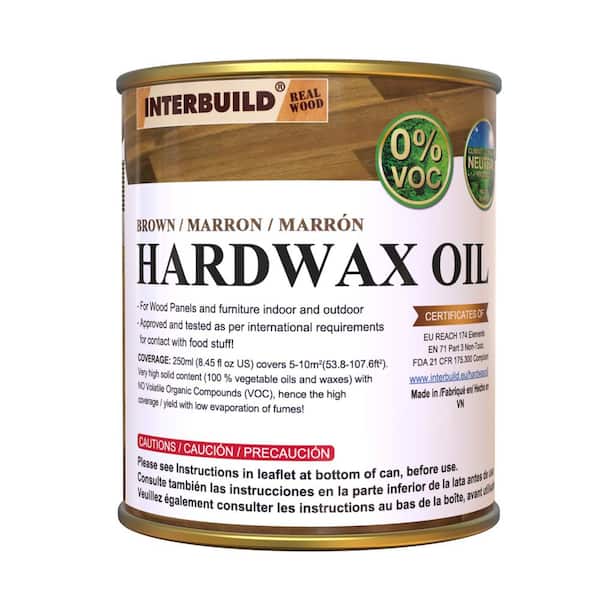
Natural beeswax is a popular choice for teak furniture. It gives a soft shine and adds a thin protective layer. Carnauba wax is another good option. It is harder and offers better water resistance. Some wax blends combine beeswax and carnauba for balanced results. Avoid waxes made for other woods. They may contain chemicals that harm teak.
Avoiding Harmful Ingredients
Steer clear of waxes with silicone or petroleum. These ingredients trap moisture and cause damage. Waxes with strong solvents can dry out teak wood. Choose waxes labeled safe for outdoor use. Read labels carefully to avoid harmful additives. Pure natural waxes protect without chemicals. They keep teak healthy and looking fresh.
Wax Vs. Oil: What’s Best?
Wax adds a thin, protective layer on teak surfaces. It improves shine but needs regular reapplication. Oil penetrates the wood and nourishes it from inside. Teak oil helps maintain color and prevents cracking. Oil lasts longer but may not shine as much. Many prefer oil for deep protection outdoors. Wax works better for light protection and shine.
Credit: www.homedepot.com
Step-by-step Waxing Process
Waxing outdoor teak furniture protects it and keeps it looking fresh. The process is simple and helps maintain the wood’s natural beauty. Follow these easy steps to wax your teak furniture correctly. This will enhance its shine and add a layer of protection against weather elements.
Applying The Wax Evenly
Start with clean, dry teak furniture. Use a soft cloth or brush to apply a thin, even layer of wax. Work in small sections to cover the entire surface. Apply the wax in the direction of the wood grain. Avoid thick layers to prevent uneven drying and sticky spots.
Buffing To A Shine
After applying the wax, let it sit for a few minutes. Then, use a clean, dry cloth to buff the surface. Rub gently in small circles to bring out a soft glow. Buffing removes excess wax and smooths the finish. This step enhances the natural color and texture of teak wood.
Drying And Curing Time
Allow the wax to dry completely before using the furniture. This usually takes 4 to 6 hours depending on temperature and humidity. For best results, let the furniture cure for 24 hours. Avoid placing items on the surface during this time. Proper drying ensures long-lasting protection and shine.
Maintaining Waxed Teak Furniture
Maintaining waxed teak furniture keeps it looking fresh and strong outdoors. Wax protects teak from moisture and sun damage. Regular care helps the wood stay smooth and rich in color. Without upkeep, the wax layer wears off, leaving teak open to harm.
Regular Cleaning Tips
Clean your teak furniture gently every few weeks. Use a soft cloth or sponge with mild soap and water. Avoid harsh cleaners or scrubbing pads that can damage the wax. Rinse with clean water and dry with a towel. This stops dirt from building up and breaking the wax seal.
Reapplying Wax Schedule
Apply new wax at least twice a year. Spring and fall are good times for waxing. Warm, dry weather helps the wax stick better. Use a soft cloth to spread a thin, even layer. Let it dry fully before using the furniture again. This keeps the teak sealed and shiny.
Handling Weather Damage
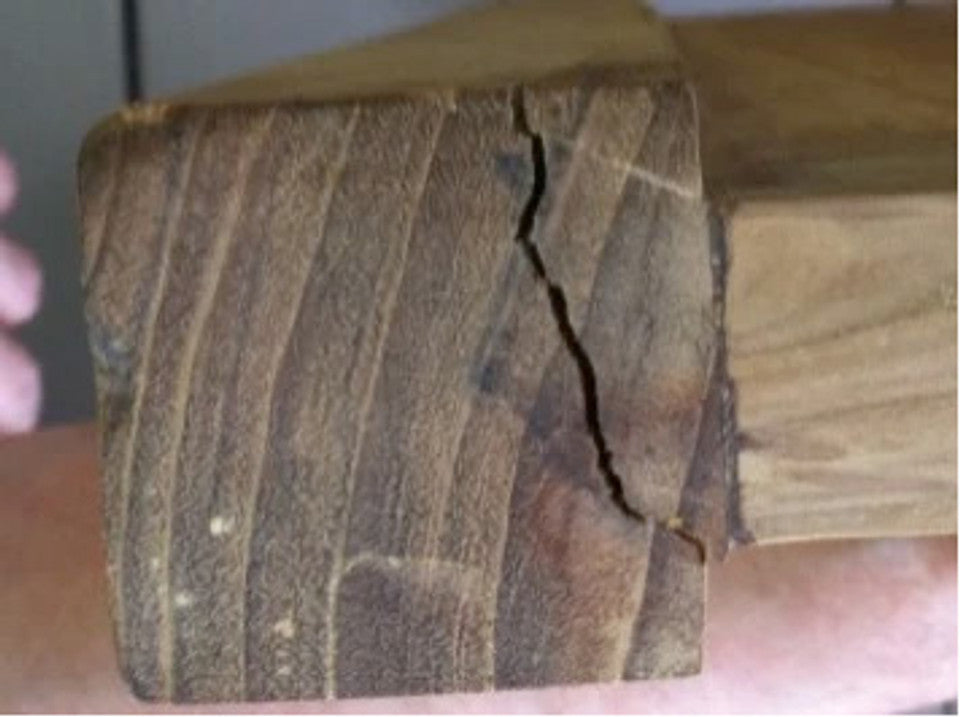
Check furniture often for signs of weather damage. Look for cracks, fading, or peeling wax. Lightly sand rough spots before reapplying wax. Cover furniture during heavy rain or snow to protect the wood. Quick action prevents long-term damage and keeps teak strong.
Credit: www.classicpatio.com
Common Mistakes To Avoid
Waxing outdoor teak furniture can keep it looking great for years. Avoiding common mistakes helps protect the wood and maintain its beauty. Knowing what not to do saves you time and effort. Here are some key errors to watch out for.
Using The Wrong Products
Choosing the wrong wax or cleaner harms teak furniture. Avoid waxes with silicone or harsh chemicals. These damage the wood and reduce its natural shine. Use products made specifically for teak or outdoor wood. Always read labels before applying anything.
Skipping Surface Preparation
Not cleaning or sanding the wood before waxing causes problems. Dirt and old finishes stop wax from sticking well. Clean the furniture with mild soap and water first. Let it dry fully. Lightly sand rough spots for smoothness. Proper prep helps wax last longer.
Overwaxing Furniture
Applying too much wax creates a sticky, uneven surface. Thick layers trap dirt and moisture. Wax only thin coats. Allow each coat to dry before adding more. This keeps the wood breathable and looking natural. Less is more with teak furniture wax.
Frequently Asked Questions
Can I Wax Outdoor Teak Furniture?
Yes, you can wax outdoor teak furniture to enhance its shine. Wax adds a protective layer, but it should be applied after thorough cleaning. Regular waxing helps maintain teak’s natural beauty and prolongs its lifespan outdoors.
How Often Should I Wax Teak Furniture Outside?
Waxes should be applied every 3 to 6 months on outdoor teak furniture. This frequency keeps the wood protected from moisture, UV rays, and dirt buildup. Regular waxing ensures your teak furniture stays smooth and visually appealing for years.
Does Waxing Protect Teak From Weather Damage?
Waxing provides a temporary barrier against moisture and UV rays. However, it’s not a permanent sealant. For full protection, combine waxing with proper cleaning and periodic oiling to maintain teak furniture’s durability in outdoor conditions.
Can Waxing Change Teak’s Natural Color?
Waxing slightly enhances teak’s natural golden hue without altering its color permanently. It brightens the wood and gives a subtle sheen. Unlike stains or paints, wax preserves the original appearance while adding a smooth finish.
Conclusion
Waxing outdoor teak furniture can protect and enhance its natural beauty. It helps keep the wood smooth and guards against dirt and moisture. Regular waxing also slows down weather damage and fading. Make sure to clean the teak well before applying wax.
Choose a wax made for outdoor wood to get the best results. With simple care, your teak furniture will stay strong and look nice for years. Waxing is a good step to keep your outdoor space inviting and fresh. Try it and see the difference yourself.