Are you thinking about building or buying outdoor furniture? One question you might have is whether pressure treated wood is the right choice for your project.
You want furniture that lasts, looks good, and stays safe for your family and guests. But pressure treated wood comes with both benefits and concerns. Before you decide, it’s important to understand what pressure treated wood really is, how it performs outdoors, and what it means for your space.
Keep reading to find out if this type of wood fits your needs and how to make the best choice for your outdoor furniture.

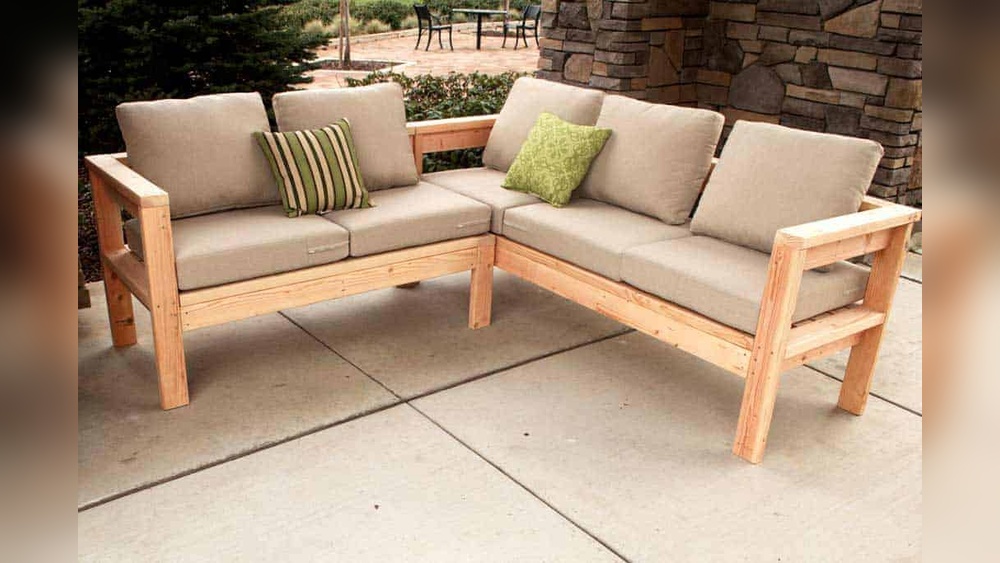
Credit: cardinalhomecenter.com
Benefits Of Pressure Treated Wood
Pressure treated wood offers many benefits for outdoor furniture. It is specially treated to last longer in tough weather. This wood can handle rain, sun, and cold better than regular wood.
Choosing pressure treated wood helps keep your furniture strong and safe for years. It also saves money over time. Below are some key benefits that make this wood a smart choice.
Durability Against Elements
Pressure treated wood resists damage from rain, snow, and sun. It does not warp or crack easily. This wood stays stable through changing weather. You can trust it to hold up outside for a long time.
Resistance To Insects And Rot
The treatment protects the wood from insects like termites. It also stops rot and decay caused by moisture. This means less maintenance and fewer repairs. Your furniture stays strong and looks good longer.
Cost-effectiveness
Pressure treated wood costs less than many other outdoor materials. It lasts longer, so you avoid replacing furniture often. This wood is a budget-friendly choice that offers good value.
Potential Drawbacks
Pressure treated wood is popular for outdoor furniture due to its durability. Still, it has some potential drawbacks that deserve attention. Knowing these can help you decide if it fits your needs.
Chemical Concerns
Pressure treated wood contains chemicals to resist rot and insects. These chemicals may leach out over time, especially if the wood gets wet. Some people worry about the safety of these chemicals around children and pets. Wearing gloves when handling the wood is a good idea. Avoid using it for surfaces that touch food directly.
Appearance And Aesthetics
Pressure treated wood often looks greenish or brownish at first. This color may not match all outdoor styles. The wood can also warp or crack as it dries. Over time, the surface may become rough or splintered. Many people choose to paint or stain it to improve its look. This adds extra work but can enhance the furniture’s appearance.
Maintenance Requirements
This wood needs regular care to last long outdoors. Applying sealant or stain every year helps protect it. Without maintenance, it can fade, crack, or develop mold. Cleaning the furniture often prevents dirt buildup and decay. Maintenance may seem like a hassle but keeps the wood strong and good-looking.
Safety Tips For Handling
Handling pressure treated wood requires care to avoid health risks. Chemicals in the wood can cause irritation or harm. Follow safety tips to protect yourself during cutting, sanding, and disposal. These steps help keep your workspace safe and clean.
Protective Gear Recommendations
Wear gloves to protect your hands from chemicals. Use a dust mask to avoid breathing sawdust. Safety glasses shield your eyes from flying wood particles. Long sleeves and pants reduce skin contact with the wood. Always dress properly before starting work.
Safe Cutting And Sanding Practices
Cut and sand outdoors or in a well-ventilated area. Use tools with dust collection if possible. Avoid power sanding that creates fine dust clouds. Clean the workspace after each session. Never burn pressure treated wood; it releases toxic fumes.
Disposal Guidelines
Do not throw treated wood in regular trash. Follow local rules for hazardous waste disposal. Take scraps to a recycling center or landfill that accepts treated wood. Store leftover wood safely away from children and pets. Proper disposal prevents environmental damage.

Credit: www.reddit.com
Comparing Alternatives
Choosing the right material for outdoor furniture is important. It affects how long the furniture lasts and how it looks. Pressure treated wood is popular, but other materials may suit your needs better. Let’s explore some common alternatives to pressure treated wood.
Cedar And Redwood Options
Cedar and redwood are natural woods with good resistance to decay. They have a warm, rich color that many people like. These woods resist insects without chemicals. They are lighter than pressure treated wood. Cedar and redwood may need regular sealing to stay protected. They offer a natural look but can cost more.
Composite Materials
Composite materials blend wood fibers and plastic. They do not rot or splinter like wood. Composites need less maintenance and last a long time. They come in many colors and styles. Composites can be heavier than wood. They do not have the same natural wood look but resist weather well.
Metal And Plastic Choices
Metal furniture can be strong and modern looking. Aluminum is light and resists rust. Steel is heavier but very durable. Plastic furniture is lightweight and easy to clean. It does not rot or rust. Plastic may fade in sun over time. Both metal and plastic offer different styles and durability levels.
Best Practices For Longevity
Pressure treated wood is a strong choice for outdoor furniture. It resists insects and rot better than regular wood. To keep it looking good and lasting longer, follow some simple care steps. These best practices help protect your investment and keep your furniture safe from weather damage.
Proper Sealing Techniques
Sealing pressure treated wood prevents moisture from soaking in. Use a high-quality wood sealant made for outdoor use. Apply the sealant evenly with a brush or sprayer. Let the wood dry completely before use. Reapply the sealant every year or two for ongoing protection.
Regular Cleaning And Upkeep
Clean your outdoor furniture often to remove dirt and mildew. Use a soft brush and mild soap with water. Rinse thoroughly and let dry in the sun. Check for cracks or splinters. Sand rough areas to avoid injuries and keep wood smooth. Regular upkeep helps wood stay strong and attractive.
Storage Tips For Off-season
Store furniture in a dry, covered space during cold months. If indoor storage is not possible, use waterproof covers. Keep covers loose to allow air circulation and avoid mold. Remove cushions and store them separately in a dry place. Proper storage reduces weather wear and extends furniture life.
Environmental Impact
Choosing the right wood for outdoor furniture affects the environment. Pressure treated wood is popular for its durability. Yet, its environmental impact needs careful thought. Chemicals used in treatment may affect soil and water. Understanding these effects helps make better choices for nature.
Sustainability Of Pressure Treated Wood
Pressure treated wood comes from trees, a natural resource. Some wood comes from well-managed forests. These forests grow new trees to replace those cut. This practice supports forest health and wildlife. Still, the chemicals used in treatment can harm the environment. They may leach into soil and water over time. This raises concerns about long-term sustainability.
Eco-friendly Alternatives
Many people choose wood alternatives for outdoor furniture. Bamboo is fast-growing and strong. It renews quickly and needs fewer chemicals. Recycled plastic lumber lasts long and resists weather. It keeps plastic waste out of landfills. Natural woods like cedar and redwood resist decay without chemicals. These options reduce harm to the environment and health.
Recycling And Reuse
Reusing old pressure treated wood lowers waste. It can be used in projects like garden beds or fences. Proper disposal is important to avoid pollution. Recycling options for treated wood are limited. Burning treated wood releases toxins and is unsafe. Safe reuse and disposal protect soil and water quality.
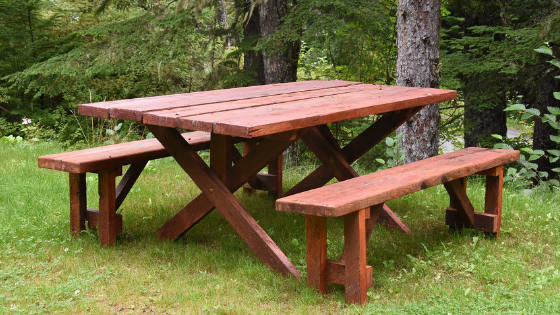
Credit: www.fouroakscrafts.com
Frequently Asked Questions
Is Pressure Treated Wood Safe For Outdoor Furniture?
Yes, pressure treated wood is safe for outdoor furniture when properly sealed. It resists rot, insects, and moisture, making it durable. However, avoid direct contact with bare skin initially due to chemical treatments. Sealing and finishing enhance safety and longevity.
How Long Does Pressure Treated Wood Last Outside?
Pressure treated wood can last 15 to 40 years outdoors. Its lifespan depends on climate, maintenance, and sealing. Regular sealing and cleaning prevent decay and extend its durability. Proper care ensures outdoor furniture remains strong and visually appealing for many years.
Can I Paint Pressure Treated Wood Furniture?
Yes, you can paint pressure treated wood furniture. Wait until the wood is fully dry, usually several weeks. Use a primer designed for treated wood before applying paint. This ensures better adhesion and longevity of the paint finish, protecting your furniture.
What Are The Alternatives To Pressure Treated Wood?
Alternatives include cedar, redwood, teak, and composite materials. These options offer natural resistance to decay and insects. They often require less maintenance but can be more expensive. Choose based on budget, desired look, and durability needs for outdoor furniture.
Conclusion
Pressure treated wood can last long outside. It resists rot and insects well. Yet, it may need regular sealing for best results. Consider your budget and style needs carefully. Some people prefer natural wood for its look. Others choose treated wood for its strength.
Think about your climate and furniture use. Choose what fits your outdoor plans best. This helps your furniture stay sturdy and nice.