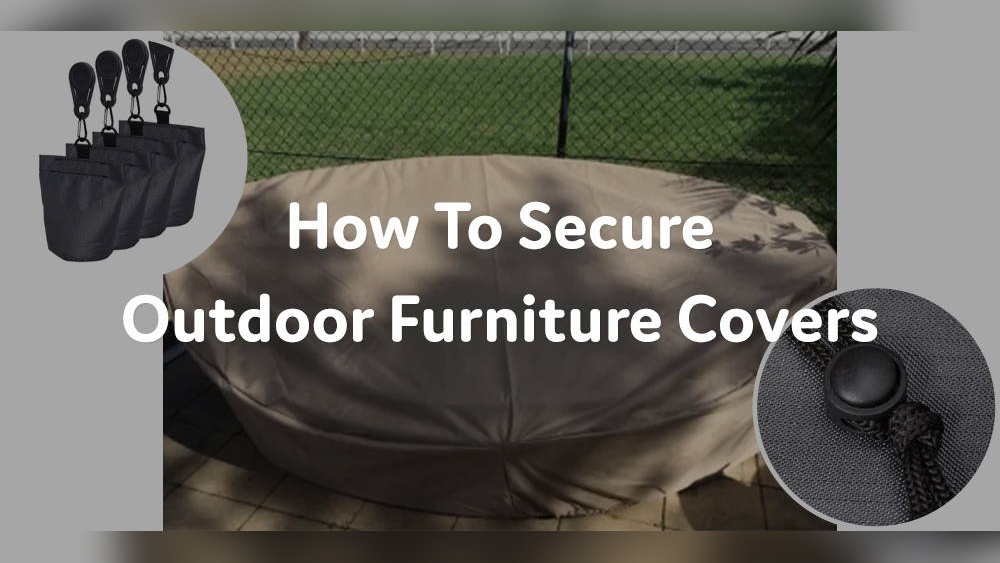
Protecting your outdoor furniture is key to keeping it looking great year-round. But have you ever struggled with covers that won’t stay in place?
You’re not alone. If your covers flap in the wind or blow away, your furniture is left exposed to rain, dirt, and damage. The good news is, tying down your outdoor furniture covers properly is easier than you think. You’ll learn simple, effective ways to secure your covers so they stay put—no matter the weather.
Keep reading to discover tips that will save you time, money, and frustration.
Credit: www.coversandall.com
Choosing The Right Covers
Choosing the right cover for your outdoor furniture is key to protect it well. The right cover keeps dirt, rain, and sun away. It also helps your furniture last longer. You need covers that fit well and stand up to weather. This section breaks down what to look for in covers.
Materials For Durability
Strong materials last longer and protect better. Look for covers made of polyester or vinyl. These materials resist tears and holes. They also handle strong winds and heavy rain. Thick fabric is better for long-term use. Avoid thin or cheap materials that wear out fast.
Size And Fit Considerations
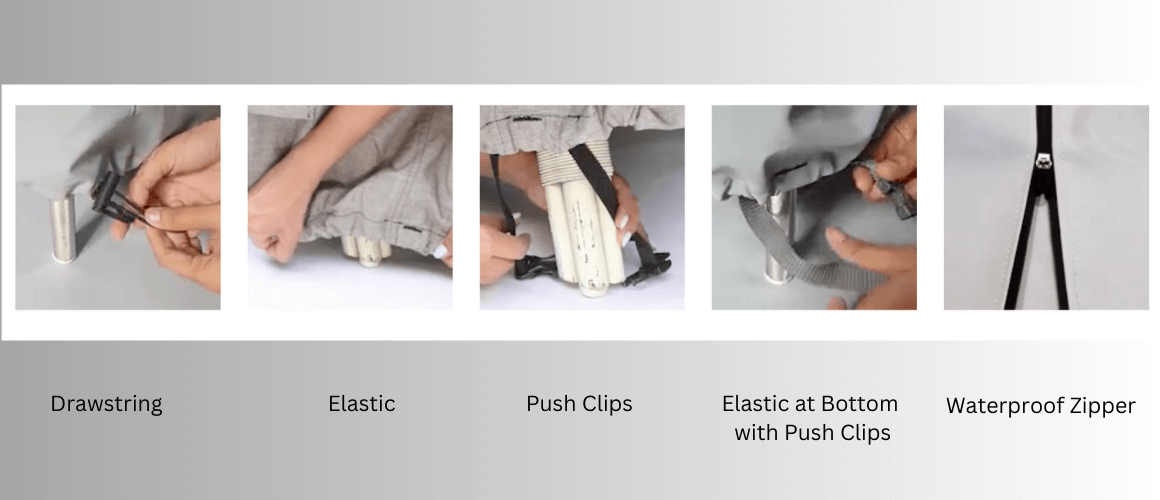
Proper fit keeps covers in place. Measure your furniture before buying a cover. Covers too big can blow away in wind. Covers too small won’t cover fully. Choose covers with adjustable straps or drawstrings. These help secure the cover tightly to the furniture.
Weather Resistance Features
Good covers protect against rain, sun, and snow. Waterproof covers stop water from seeping in. UV-resistant covers prevent sun damage and fading. Some covers have vents to reduce moisture build-up. These features keep furniture dry and fresh for longer.
Essential Tools And Supplies
Securing outdoor furniture covers is important to protect your furniture from wind and weather. Using the right tools and supplies makes this task easier and more effective. These tools help keep covers tight and prevent them from blowing away. Here are some essential items you need for tying down outdoor furniture covers safely.
Types Of Tie-down Straps
Tie-down straps come in many styles. Ratchet straps offer strong, adjustable tension. They hold covers firmly in place. Cam buckle straps are easy to use and adjust quickly. Flat straps with hooks provide simple, reliable securing. Choose straps made from durable materials like nylon or polyester. These resist wear and weather damage. Proper straps prevent covers from slipping or tearing.
Using Bungee Cords And Ropes
Bungee cords stretch to fit snugly over furniture and covers. They have hooks on both ends for quick fastening. Use bungee cords to hold covers tight around corners. Ropes are versatile and affordable. Tie knots or loops to secure covers firmly. Use synthetic ropes for water resistance and strength. Both bungee cords and ropes add extra security in windy conditions.
Additional Anchoring Options
Ground anchors help stabilize covers on soft soil or grass. These screw into the ground and attach to straps or ropes. Weighted bags or sandbags add pressure to hold covers down. Clips and clamps attach covers directly to furniture legs or frames. Using these extra anchors can stop covers from lifting or shifting during storms. They work well with straps and cords for full protection.
Preparing Furniture For Covering
Preparing your outdoor furniture before covering it protects the pieces and extends their life. Proper preparation makes covering easier and more secure. It also stops dirt and moisture from causing damage under the cover.
Cleaning And Drying
Remove all dirt, dust, and debris from the furniture. Use a soft brush or cloth and mild soap. Rinse well with water. Let the furniture dry completely before covering it. Moisture can cause mold and mildew under the cover.
Disassembling Parts
Take off cushions, pillows, and any removable parts. Store these separately in a dry place. Remove any fragile or loose parts to prevent damage. This step helps the cover fit better and protects delicate pieces.
Positioning For Stability
Place furniture on a flat, stable surface. Avoid uneven or soft ground. This stops the furniture from tipping over under the cover. Group smaller items together to save space and improve cover fit. Stability helps the cover stay secure during wind or rain.
Step-by-step Tie-down Process
Tying down outdoor furniture covers is important to protect your furniture from wind and rain. Follow these simple steps to keep your covers secure. The process is easy and quick, helping your covers stay in place longer.
Placing The Cover Correctly
Start by unfolding the cover fully. Make sure it fits the furniture snugly. Pull the cover evenly over all parts. Check that it covers legs and edges. Smooth out any wrinkles or folds. This helps the cover stay tight and neat.
Securing With Straps Or Cords
Use straps or cords designed for outdoor covers. Wrap them around the furniture and cover. Fasten the straps tightly but not too tight. Tie cords through loops or grommets on the cover. Double knot cords for extra security. This stops the cover from blowing away.
Checking For Loose Areas
Walk around the furniture to check the cover. Look for areas where it feels loose or lifts. Tighten straps or cords in those spots. Make sure the cover stays close to the furniture. Adjust knots or add extra ties if needed. This keeps your cover safe during strong winds.
Tips For Different Furniture Types
Outdoor furniture comes in many shapes and sizes. Each type needs a different way to tie down covers. This keeps the covers tight and the furniture safe. Learn how to secure covers on various furniture items.
Chairs And Benches
Use bungee cords or straps to hold covers on chairs and benches. Wrap cords under the legs or frame. Avoid wrapping too tight to stop damage. Fasten cords to keep covers from blowing away.
Make sure covers fit well. Covers that are too big can catch wind easily. A snug fit helps the cover stay in place. Use clips for extra hold on cushions or loose parts.
Tables And Dining Sets
Tables need covers tied down around legs or base. Use heavy-duty straps for large tables. Wrap straps under the table or chair seats. Tighten straps enough to stop movement but not to damage furniture.
For dining sets, cover each piece separately or use a large cover for the whole set. Secure with cords or weights at edges. Keep covers low to prevent wind from lifting them.
Umbrellas And Accessories
Fold umbrellas fully before covering. Use straps to hold the cover around the closed umbrella. Tie cords tightly at the base or pole.
For accessories like cushions or small tables, use small ties or elastic bands. Store them in waterproof bags under covers to avoid moisture. Secure accessories to avoid loss or damage during wind.
Preventing Damage And Wear
Keeping outdoor furniture covers tied down properly helps them last longer. Covers protect against rain, dirt, and sun. But poor tying can cause damage and wear. Use the right methods to avoid tears and fading. Secure covers carefully to keep your furniture safe and looking good.
Avoiding Over-tightening
Tightening covers too much can cause fabric stress. Stretched material may tear or lose shape. Leave some slack to allow movement. Loose fitting prevents holes and fabric wear. Check tension regularly to keep covers secure but not tight.
Protecting Against Wind
Wind can lift covers and cause damage. Use straps or bungee cords to hold covers down. Attach ties to sturdy furniture parts or anchors. Cross straps for extra hold in windy areas. Proper wind protection stops covers from flapping and tearing.
Regular Maintenance Checks
Inspect covers often for signs of wear or damage. Look for holes, loose stitching, or fading. Repair small tears before they grow. Clean covers to prevent mold and dirt build-up. Regular checks keep covers strong and extend their life.
Storing Covers When Not In Use
Storing outdoor furniture covers properly keeps them in good shape for a long time. Covers often get dirty or damp after use. Storing them carelessly can cause mold or damage. Follow these tips to store covers safely until you need them again.
Cleaning Covers Before Storage
Remove dirt and debris from covers before storing. Use a soft brush or cloth to clean off dust. Wash covers with mild soap and water if needed. Let covers dry completely in the sun or air. Avoid folding damp covers to prevent mold and mildew.
Choosing Storage Locations
Pick a dry, cool place to store your covers. Avoid spots with high humidity or direct sunlight. A closet, garage shelf, or storage bin works well. Keep covers away from sharp objects that could tear them. Use a breathable bag or container to avoid moisture build-up.
Extending Cover Lifespan
Fold covers loosely to prevent creases and damage. Check covers every few months for signs of wear. Repair small tears or holes promptly to stop further damage. Store covers away from chemicals or harsh cleaners. Proper care helps your covers last for many seasons.

Credit: www.reddit.com

Credit: www.coverstore.com
Frequently Asked Questions
How Do You Secure Outdoor Furniture Covers?
Use straps, bungee cords, or tie-down ropes to secure covers tightly. Ensure covers fit snugly to prevent wind damage. Fasten ties at multiple points for stability and protection.
What Materials Work Best For Furniture Cover Tie-downs?
Nylon straps, bungee cords, and adjustable ropes work best. These materials are durable, weather-resistant, and flexible for various furniture shapes. Avoid thin or weak cords that may break easily.
Can I Tie Down Furniture Covers Without Damaging Them?
Yes, use soft, non-abrasive straps or cords to avoid tears. Avoid overtightening to prevent stress on fabric seams. Regularly check for wear and adjust ties as needed.
How Often Should I Check Outdoor Furniture Covers?
Inspect covers and tie-downs every few weeks, especially after storms. Look for loose ties, tears, or water accumulation. Prompt maintenance extends cover life and keeps furniture protected.
Conclusion
Tying down outdoor furniture covers keeps them safe from wind and rain. Use straps or ropes to hold covers tight and secure. Check knots often to avoid loosening or damage. Keep your furniture dry and clean all year. A well-tied cover saves time and money on repairs.
Protect your outdoor space with simple, strong ties. Easy steps can make a big difference. Stay prepared for any weather with proper cover tying.