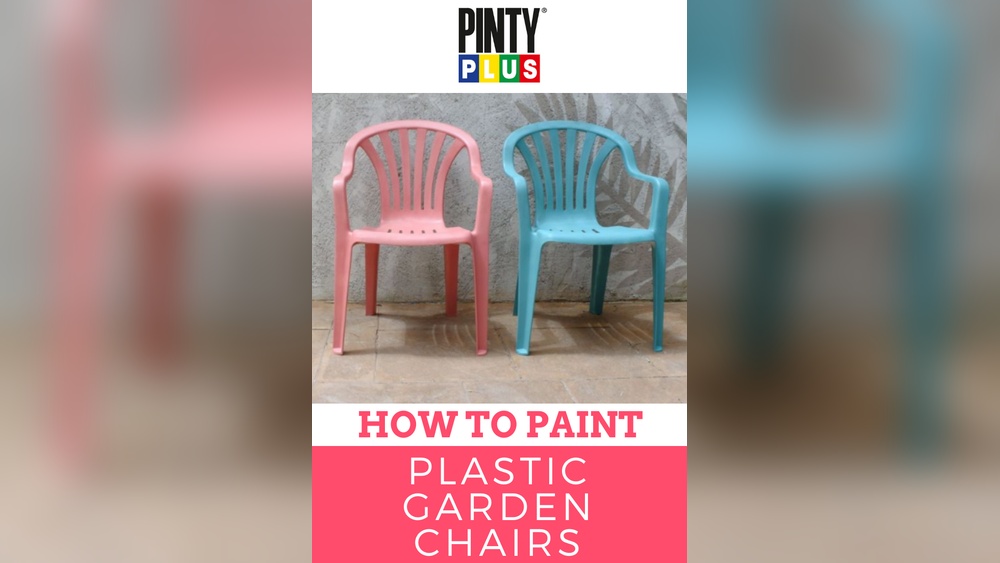
Are you tired of your plastic outdoor furniture looking dull and faded? Choosing the right paint can transform your worn pieces into vibrant, eye-catching accents for your patio or garden.
But not all paints stick well to plastic or stand up to the weather. You need a solution that lasts, protects, and refreshes your furniture without constant touch-ups. Keep reading to discover exactly what paint works best for plastic outdoor furniture and how you can easily give your outdoor space a fresh new look.
Choosing The Right Paint
Choosing the right paint for plastic outdoor furniture is important. The paint must stick well and last long. It should also protect the furniture from sun and rain. Picking the wrong paint can cause peeling or fading quickly. This guide helps you find the best paint for your plastic furniture.
Types Of Paint For Plastic
Not all paints work on plastic. Some types are made just for plastic surfaces. Spray paints with plastic primers are popular. They stick better and dry fast. Acrylic paints also work, but need a plastic primer. Look for paints labeled for plastic or outdoor use. These paints handle weather and stick to smooth surfaces.
Factors To Consider
Check the furniture type and condition before painting. Smooth plastic may need light sanding for paint to hold. Consider the climate where the furniture stays. Paint should resist sun, rain, and temperature changes. Also, think about color choice and ease of application. Some paints are easier to apply with a brush or spray.
Durability And Finish
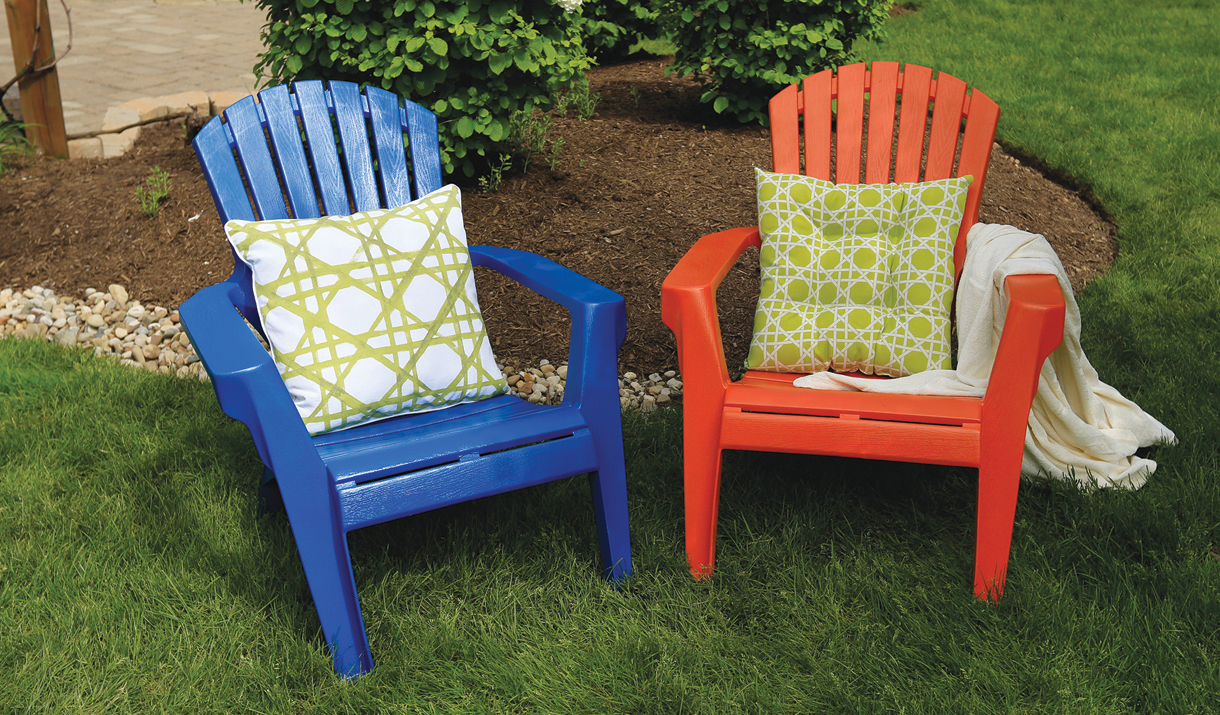
Durability matters for outdoor furniture paint. Choose paint that resists chipping and fading. A glossy finish often lasts longer and is easier to clean. Matte finishes may show wear faster. Make sure the paint dries to a hard, smooth surface. This protects your furniture and keeps it looking good.
Credit: www.krylon.com
Preparing Plastic Furniture
Preparing plastic outdoor furniture for painting is key to a smooth, lasting finish. Plastic surfaces resist paint, so proper prep helps paint stick better. Clean, sand, and fix any damage before applying paint. Each step makes the final look neater and more durable.
Cleaning And Sanding
Start with a deep clean. Use soap and water to remove dirt and grime. Rinse well and let it dry fully. Next, lightly sand the surface with fine sandpaper. This roughens the plastic just enough for paint to grip. Wipe off dust with a damp cloth. Clean and sanding prepare the surface perfectly for painting.
Priming For Better Adhesion
Apply a primer made for plastic furniture. Primer helps paint stick and prevents peeling. Use a spray primer for even coverage. Let the primer dry completely before painting. Priming creates a strong base and improves the paint’s durability.
Repairing Damages
Check for cracks, holes, or scratches. Fill small cracks with plastic filler or putty. Smooth the filler with sandpaper after it dries. Bigger damages might need replacement parts. Repairing ensures a smooth surface and better paint results.
Best Paint Brands
Choosing the right paint brand is key for plastic outdoor furniture. Good paint sticks well, resists weather, and keeps colors bright. Some brands stand out for quality and durability. These paints help your furniture look fresh for many seasons. Here are some top options for spray and brush-on paints.
Top Spray Paints
Spray paints are fast and easy for plastic furniture. Rust-Oleum Painter’s Touch is popular. It works well on plastic and resists fading. Krylon Fusion is another great choice. It bonds to plastic without sanding. Both dry quickly and give smooth, even coverage. They come in many colors and finishes. Spray paints cover curves and detailed parts well.
Recommended Brush-on Paints
Brush-on paints offer more control for small areas or touch-ups. FolkArt Outdoor Paint is made for plastic and outdoor use. It stays flexible and resists cracking. Martha Stewart Craft Paint also works well on plastic surfaces. These paints are water-based and easy to clean. Use a good synthetic brush for best results. Brush-on paints allow careful color layering and detailed work.
Painting Techniques
Painting plastic outdoor furniture needs the right technique for lasting results. Proper methods help paint stick well and resist weather. A smooth finish makes furniture look fresh and new.
Different tools and steps work better for certain paints and surfaces. Learning these techniques saves time and effort. It also improves the final look of your furniture.
Spray Painting Tips
Spray paint works great on plastic furniture. It covers surfaces evenly and reaches tight spots. Hold the spray can about 12 inches away from the furniture. Move your hand in steady, side-to-side motions. Avoid spraying too much in one spot. This causes drips and uneven paint.
Use light coats and let each dry before the next. Spray outdoors or in a well-ventilated area. Wear a mask to avoid breathing paint fumes. Shake the can well before use for smooth spray.
Using Brushes And Rollers
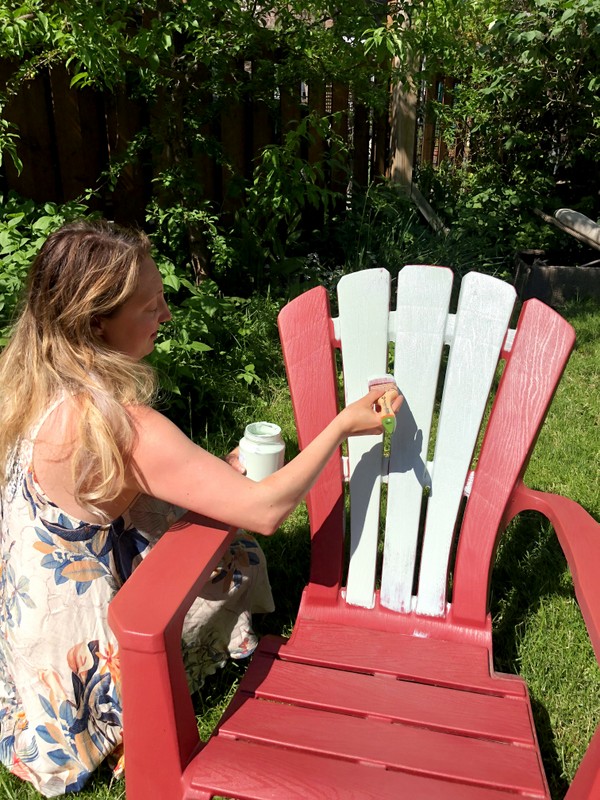
Brushes and rollers give more control over paint application. Choose soft, synthetic brushes for smooth plastic surfaces. Small rollers work well on flat areas. Apply paint in thin, even layers. Avoid pressing too hard with the brush or roller. This prevents streaks and clumps.
Brushes are better for detailed spots. Rollers cover larger, flat surfaces quickly. Clean tools after use to keep them in good shape. Use paint designed for plastic for best adhesion.
Layering And Drying Times
Applying paint in layers improves durability and finish. Thin coats dry faster and stick better than thick ones. Wait 15 to 30 minutes between layers. Check the paint can for exact drying times. Let the final coat dry fully before using the furniture.
Proper drying prevents smudges and peeling later. Avoid rushing the process. Patience leads to a smooth, long-lasting finish.
Maintenance And Longevity
Maintaining your painted plastic outdoor furniture helps it look fresh and last longer. Proper care protects the paint from fading and peeling. Small steps keep your furniture sturdy and attractive through all seasons.
Protective Coatings
Applying a clear protective coating seals the paint. It shields against sun damage and moisture. Choose a coating designed for outdoor use on plastic. This layer prevents cracks and helps colors stay bright.
Cleaning Painted Furniture
Clean your furniture gently with mild soap and water. Avoid harsh chemicals that can wear down the paint. Use a soft cloth or sponge to stop scratches. Regular cleaning removes dirt and keeps the surface smooth.
Touch-ups And Repairs
Inspect your furniture often for chips or scratches. Touch up small spots with matching paint to prevent rust or damage. Sand rough areas lightly before repainting. Quick repairs extend the life of your furniture.

Credit: www.tastefullyeclectic.com
Common Mistakes To Avoid
Painting plastic outdoor furniture can refresh its look and protect it from the elements. Avoiding common mistakes ensures the paint sticks well and lasts long. These errors can cause peeling, fading, or uneven finish. Here are key mistakes to watch out for during your project.
Skipping Primer
Primer helps paint stick to smooth plastic surfaces. Without primer, paint may peel or chip quickly. It also improves paint coverage and color brightness. Always use a primer made for plastic before painting. This step creates a strong bond and protects your work.
Painting In Poor Weather
Weather affects how paint dries and sticks. Avoid painting in rain, high humidity, or extreme heat. Moisture can cause paint to bubble or wash away. High heat dries paint too fast, causing cracks. Choose a dry day with mild temperature for best results.
Using Wrong Paint Types
Not all paints work on plastic. Regular house paint often peels or chips off plastic surfaces. Use paint labeled for plastic or outdoor use. Spray paints designed for plastic provide smooth, even coats. The right paint lasts longer and resists weather damage.
Credit: fusionmineralpaint.com
Frequently Asked Questions
What Type Of Paint Is Best For Plastic Outdoor Furniture?
Use acrylic or latex spray paint designed for plastic surfaces. These paints adhere well and resist weather damage, ensuring durability and vibrant color outdoors.
Can I Use Regular Paint On Plastic Outdoor Furniture?
Regular paint often fails to stick to plastic. Use paint specifically made for plastic to avoid peeling and ensure long-lasting coverage.
Do I Need To Prime Plastic Furniture Before Painting?
Yes, apply a plastic primer first. It improves paint adhesion and helps the color last longer on smooth plastic surfaces.
How Long Does Painted Plastic Furniture Last Outdoors?
With proper prep and paint, the finish can last 2-3 years. Weather and wear affect longevity, so occasional touch-ups may be needed.
Conclusion
Choosing the right paint helps protect and refresh plastic outdoor furniture. Use paint designed for plastic to ensure strong, lasting coverage. Clean and prepare the surface well before painting. A fresh coat can make old furniture look new again. This simple step keeps your outdoor space bright and inviting.
Enjoy your furniture longer with the proper paint and care.