Are you thinking about adding wicker furniture to your space but aren’t sure whether to choose indoor or outdoor pieces? Understanding the difference between indoor and outdoor wicker furniture can save you time, money, and frustration.
Your choice affects not just the look of your home or patio but also how long your furniture will last. You’ll discover key differences that help you pick the right wicker for your needs. Keep reading to make a smart decision that keeps your space stylish and comfortable for years to come.
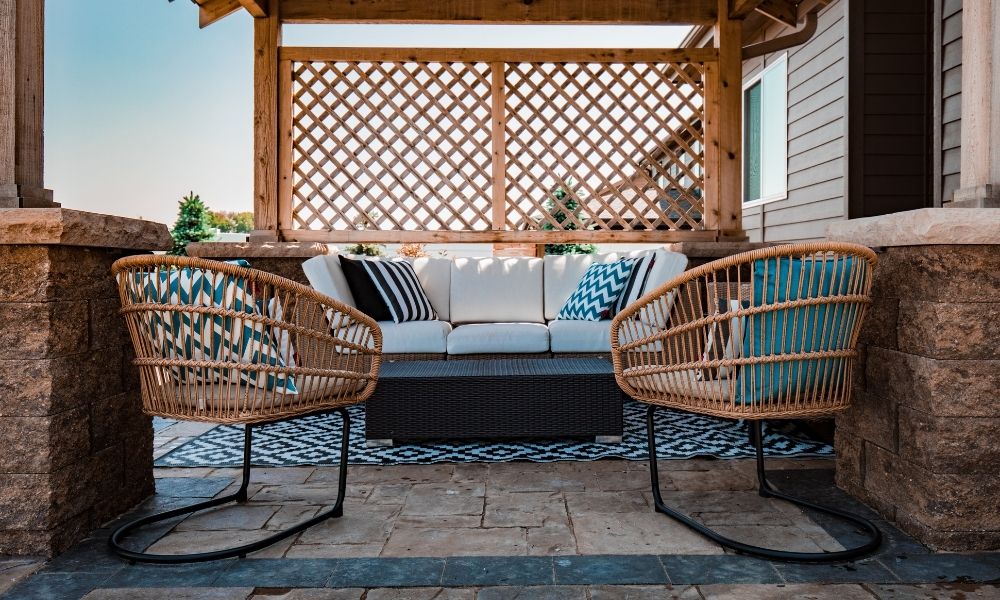
Credit: thefabricoutlet.com
Material Differences
The material used in indoor and outdoor wicker furniture differs greatly. This affects how each type looks, feels, and lasts. Understanding these material differences helps you choose the right furniture for your space.
Natural Vs Synthetic Fibers
Indoor wicker furniture often uses natural fibers like rattan, bamboo, or willow. These materials have a warm, earthy feel. They look beautiful but are less strong against moisture and sunlight.
Outdoor wicker furniture mostly uses synthetic fibers. These are made from plastics such as resin or polyethylene. Synthetic fibers mimic natural looks but last longer outside. They resist fading and damage from sun and rain.
Durability Factors
Natural fibers break down faster when exposed to weather. They can crack, peel, or mold over time. Indoor use protects them from these issues, keeping them sturdy longer.
Synthetic fibers are tough and flexible. They resist wear and tear better. Outdoor wicker furniture stays strong despite heavy use and rough conditions. This makes it a smart choice for patios and gardens.
Weather Resistance
Natural wicker absorbs moisture and may swell or rot. It is not ideal for outdoor use unless treated regularly. Sunlight can cause natural fibers to dry out and fade.
Synthetic wicker handles weather well. It repels water and dries quickly. UV protection in synthetic fibers prevents sun damage. This keeps outdoor furniture looking new for years.
Design And Style
Design and style play a big role in choosing wicker furniture for indoors or outdoors. These choices affect how the furniture looks and feels in your space. The materials and construction used for indoor and outdoor wicker differ. This leads to unique design features that suit each environment. Below, we explore key design elements that set indoor and outdoor wicker furniture apart.
Aesthetic Variations
Indoor wicker furniture often features finer, more delicate weaving. It looks elegant and suits cozy living rooms or sunrooms. Outdoor wicker is thicker and more robust. It handles weather and rough use. Outdoor designs tend to be simpler and more practical. This gives outdoor spaces a casual, relaxed vibe.
Comfort And Ergonomics
Indoor wicker furniture focuses on comfort. Cushions are softer and fabrics are plush. Chairs and sofas support long hours of sitting. Outdoor wicker furniture uses weather-resistant cushions. These cushions are firmer and dry quickly. Outdoor pieces often have a slightly looser weave. This allows better airflow on hot days.
Color And Finish Options
Indoor wicker comes in many color choices. Natural browns, whites, and painted finishes are common. The finish is smooth and delicate. Outdoor wicker uses UV-resistant colors. Earth tones and dark shades dominate. The finish is rougher to protect against sun and rain. This keeps the furniture looking new longer.
Maintenance Needs
Maintaining wicker furniture differs greatly between indoor and outdoor types. Each setting demands specific care to keep the furniture looking good and lasting longer. Understanding these maintenance needs helps you choose the right methods to protect your investment.
Cleaning Techniques
Indoor wicker needs gentle dusting and occasional wiping with a damp cloth. Use mild soap and water for deeper cleaning. Avoid harsh chemicals that can damage the finish.
Outdoor wicker collects dirt and debris faster. Rinse it regularly with water. Use a soft brush to clean crevices. Let it dry completely to prevent mold growth.
Protective Treatments
Indoor wicker rarely needs special treatments beyond regular dusting. Keep it away from direct sunlight to prevent fading.
Outdoor wicker requires more protection. Apply UV-resistant sprays or sealants to block sun damage. Cover furniture during rain or snow to avoid moisture harm.
Longevity Tips
Place indoor wicker in low-humidity areas to avoid warping. Rotate cushions and move furniture occasionally to prevent uneven wear.
Store outdoor wicker in a dry, sheltered place during harsh weather. Use furniture covers to shield from dust and pests. Regularly check for cracks or loose strands and fix them quickly.
Credit: www.kingliving.com
Usage Environments
Wicker furniture suits different spaces depending on where you use it. Indoor and outdoor wicker pieces have unique needs. Understanding these helps pick the right furniture for your space.
Indoor Ambiance
Indoor wicker adds warmth and texture to rooms. It fits well in living rooms, sunrooms, and bedrooms. The furniture often has a smooth finish and delicate design. It complements soft lighting and cozy decor. Indoor wicker does not face harsh weather. This allows for lighter materials and finer weaving.
Outdoor Exposure Challenges
Outdoor wicker faces sun, rain, wind, and dirt. It needs to be strong and weather-resistant. Synthetic wicker is common outdoors because it does not fade or crack. Natural wicker outdoors can rot or weaken quickly. UV rays can cause color fading. Moisture can lead to mold or mildew. The furniture must withstand these tough conditions.
Placement Recommendations
Indoor wicker works best away from direct sunlight and moisture. It keeps the furniture in good shape. Outdoor wicker should be placed under covered areas if possible. This extends its life and looks better longer. Avoid placing outdoor wicker directly on wet grass or soil. Use furniture pads or mats to protect it. Proper placement keeps wicker furniture looking great.
Cost Considerations
Cost plays a big role in choosing between indoor and outdoor wicker furniture. Understanding these cost differences helps you pick the right furniture for your needs and budget.
Price depends on materials, design, and durability. Outdoor wicker needs extra protection, which can affect the price. Indoor wicker focuses more on style and comfort.
Price Range Differences
Outdoor wicker usually costs more than indoor wicker. It uses weather-resistant materials like synthetic resin. These materials last longer outside but raise the price.
Indoor wicker often uses natural fibers. These are cheaper but less durable outside. Prices vary based on design and brand for both types.
Value For Money
Outdoor wicker gives good value if you need furniture for patios or gardens. It resists rain, sun, and wind well. This means less repair and replacement cost.
Indoor wicker offers better value in comfort and style. It fits well in living rooms or sunrooms. The value depends on your space and use.
Investment Longevity
Outdoor wicker furniture is an investment for long-term use. Quality pieces last many years with proper care. They handle tough weather and still look good.
Indoor wicker may not last outside but can last long indoors. Keep it away from moisture and direct sunlight. Indoor pieces often need less maintenance.

Credit: www.wickerliving.com
Frequently Asked Questions
What Materials Are Used For Indoor Wicker Furniture?
Indoor wicker furniture typically uses natural fibers like rattan, bamboo, or willow. These materials offer a lightweight and elegant look but are less weather-resistant than synthetic wicker.
How Does Outdoor Wicker Furniture Resist Weather?
Outdoor wicker is made from synthetic resin or polyethylene, designed to withstand rain, sun, and humidity. It resists fading, cracking, and mold, making it ideal for patios and gardens.
Can Indoor Wicker Be Used Outdoors?
Indoor wicker is not suitable for outdoor use as it lacks weather-resistant coatings. Exposure to moisture and sunlight can cause damage and shorten its lifespan.
What Maintenance Does Outdoor Wicker Furniture Need?
Outdoor wicker requires regular cleaning with mild soap and water. Occasional protection with UV-resistant sprays helps maintain color and durability over time.
Conclusion
Indoor and outdoor wicker furniture serve different purposes. Outdoor wicker is made to resist weather and sun damage. Indoor wicker focuses more on style and comfort. Choosing the right type keeps your furniture looking good longer. Think about where you will use the furniture most.
This helps you pick the best material and design. Proper care also extends the life of your wicker pieces. Now, you can decide wisely for your home or patio. Simple choices make a big difference in the end.