Is your outdoor furniture looking tired, faded, or worn out? You don’t have to replace it just yet.
Recovering your outdoor furniture can give it a fresh new look, save you money, and bring back the comfort you love. But where should you go to get the best fabrics, tools, or professional help? You’ll discover the top places to recover your outdoor furniture easily and effectively.
Keep reading to find the perfect solution for your patio’s makeover.
Choosing The Right Furniture
Choosing the right outdoor furniture to recover is key to a successful project. Not all pieces are worth the effort or cost. Some materials and conditions respond better to recovery than others. Knowing what to select saves time and money. It also ensures your furniture will look great and last longer.
Assessing Material Types
Outdoor furniture comes in many materials. Wood, metal, wicker, and plastic are common. Each needs different care and repair methods. Wood can be sanded and stained. Metal might require rust removal and repainting. Wicker needs patching or replacement of strands. Plastic is often harder to restore but can be cleaned and painted. Choose furniture with materials you can handle or easily repair.
Identifying Damage And Wear
Check your furniture for damage carefully. Look for cracks, rust, or broken parts. Faded color and worn finishes also matter. Minor scratches and small dents can be fixed. Large splits or missing parts may be too hard to repair. Make sure structural parts are strong and stable. This helps avoid unsafe or weak furniture after recovery.
Selecting Pieces Worth Saving
Pick pieces that have good shape and style. Classic designs often look better after recovery. Furniture with sentimental value is worth saving too. Avoid items beyond repair or too costly to fix. Focus on pieces that will improve with cleaning and repair. This makes your effort and money count.
Prepping For Recovery
Prepping outdoor furniture for recovery is the key to great results. It makes the process easier and the finish last longer. This stage involves cleaning, fixing, and smoothing the surface. Each step helps bring the furniture back to life. Taking time here saves effort later.
Cleaning And Stripping Old Finishes
Start by cleaning dirt and grime off the furniture. Use mild soap and water with a soft brush. Rinse well and let it dry completely. Next, remove old paint or varnish. Apply a safe chemical stripper or sand the surface. This clears the way for new paint or stain. Make sure to work in a ventilated area.
Repairing Structural Issues
Check the furniture for loose joints or broken parts. Tighten screws and replace missing hardware. Use wood glue to fix cracks and splits. Clamp the pieces until the glue dries. Replace any broken wood pieces if needed. Strong and stable furniture lasts longer and looks better.
Sanding For A Smooth Surface
Sand the entire surface to remove rough spots and old finish. Start with coarse sandpaper, then move to finer grit. Sand in the direction of the wood grain. This step creates a smooth base for painting or staining. Wipe off dust with a damp cloth after sanding.
Painting And Staining Tips
Painting and staining outdoor furniture gives it a fresh look and protects it from weather damage. Proper techniques help the finish last longer and look better. Use the right materials and steps for the best results. This guide covers key tips for painting and staining outdoor furniture.
Choosing Weatherproof Paints
Select paints made for outdoor use. They resist rain, sun, and temperature changes. Look for labels like “exterior” or “weatherproof.” Acrylic latex paints work well on wood and metal. Oil-based paints offer strong protection but take longer to dry. Choose colors that match your style and outdoor setting.
Applying Primer And Sealants
Start with a primer to help paint stick better. Primer also seals the surface and blocks stains. Use a primer suitable for outdoor furniture material. After painting, apply a clear sealant for extra protection. Sealants guard against moisture and UV rays. Reapply sealants every year or two for lasting finish.
Creative Staining Techniques
Staining shows the wood grain and adds color. Pick stains that protect from water and sun damage. Try a layered stain look by applying different shades. Use a rag or brush for soft, natural effects. Test stains on a small area before full application. Staining keeps furniture looking natural and fresh longer.
Credit: www.liftingitalia.com
Updating Cushions And Fabrics
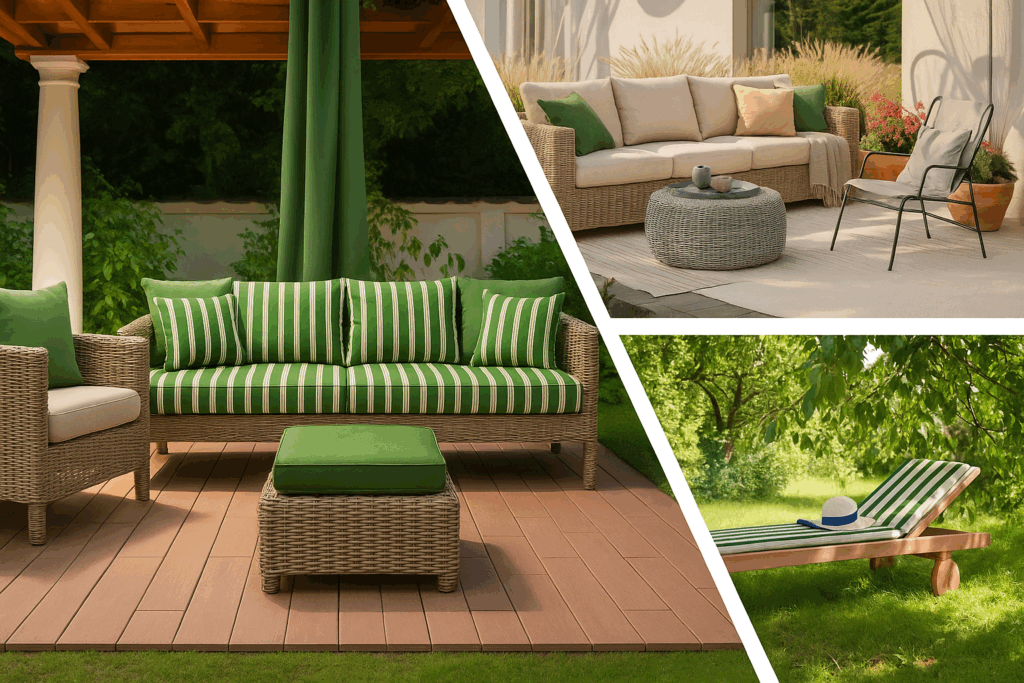
Updating cushions and fabrics can breathe new life into old outdoor furniture. Fresh cushions add comfort and style. New fabrics protect against weather and wear. This section helps you choose and replace fabrics easily. Simple steps make your outdoor space inviting and cozy.
Selecting Durable Outdoor Fabrics
Choose fabrics made for outdoor use. Look for materials that resist water and sun damage. Acrylic and polyester are strong choices. These fabrics dry fast and prevent mold. Pick colors and patterns that suit your style. Dark colors hide dirt better but may fade faster. Light colors stay cooler in the sun.
Removing And Replacing Cushions
Start by taking off old cushions carefully. Check the cushion frame for damage. Clean or repair the frame if needed. Measure cushions to find the right size replacements. Use foam that is thick and firm for comfort. Insert new fabric covers that fit snugly. Secure covers with zippers or ties to keep them in place.
Adding Comfortable And Stylish Touches
Add throw pillows for extra comfort and color. Mix patterns and solids for a fun look. Use outdoor-safe fabrics for all pillows. Consider adding a weatherproof blanket for chilly evenings. Small details make your space welcoming and stylish. Change cushions and fabrics seasonally to refresh the look.
Protecting And Maintaining
Protecting and maintaining your outdoor furniture extends its life and keeps it looking fresh. Regular care prevents damage from sun, rain, and dirt. Small steps can save money and effort later. Follow simple tips to keep your furniture in top shape year-round.
Applying Protective Coatings
Use protective coatings to shield wood, metal, and plastic furniture. Apply sealants or varnishes to wood surfaces for water resistance. Metal furniture benefits from rust-resistant sprays. Check labels for UV protection to avoid fading. Reapply coatings every year or as needed for best results.
Seasonal Care Tips
Clean furniture before each season starts. Use mild soap and water for most materials. Dry furniture completely to avoid mold and mildew. Cover cushions or store them indoors during wet months. Trim nearby plants to reduce dirt and pests. Inspect for cracks or loose parts regularly.
Storage Solutions For Longevity
Store furniture in a dry, sheltered place during harsh weather. Use breathable covers to protect from dust and moisture. Stack chairs and tables carefully to prevent scratches. Avoid plastic tarps that trap moisture. If indoor space is limited, consider outdoor sheds or storage boxes. Proper storage keeps furniture safe and ready for use.
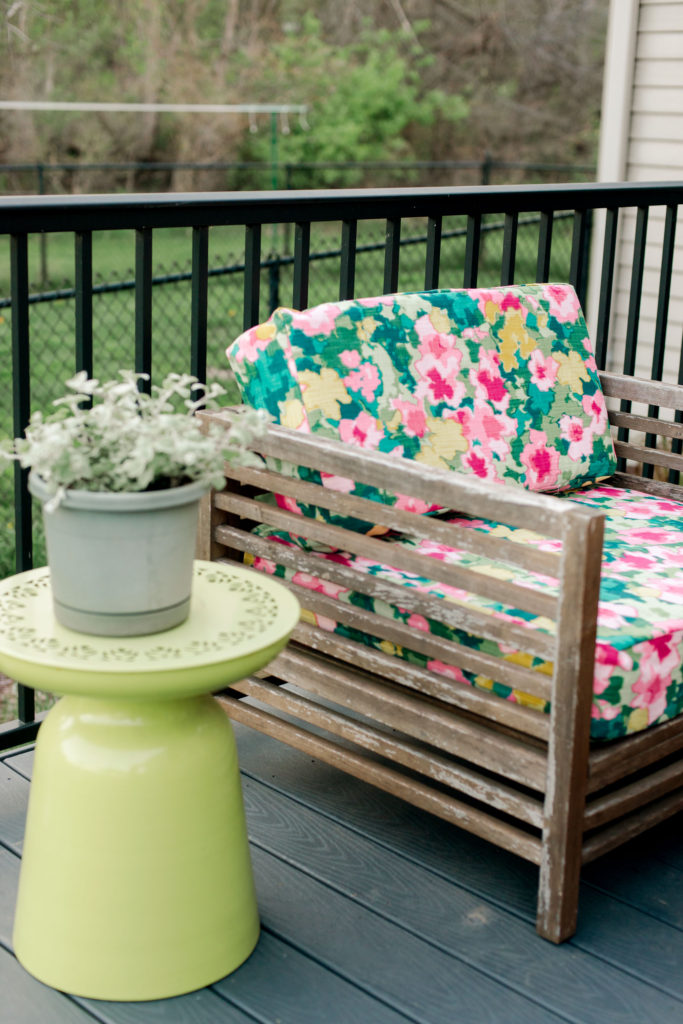
Credit: ohyaystudio.com
Inspiring Makeover Ideas
Outdoor furniture can look fresh and new with a few creative ideas. Small changes bring big impact. These inspiring makeover ideas help you transform old pieces into eye-catching designs. Make your outdoor space feel cozy and stylish again.
Mixing And Matching Styles
Combine different furniture styles for a unique look. Pair rustic wooden chairs with modern metal tables. Blend vintage cushions with sleek frames. This mix adds charm and personality. It keeps your space fun and interesting. Don’t hesitate to try bold combinations.
Incorporating Diy Accessories
Add handmade touches to your furniture. Create cushions from colorful fabrics. Build simple side tables from crates or pallets. Attach hanging planters or lanterns. These DIY accessories add warmth and character. They make your outdoor area feel personal and inviting.
Using Color To Refresh Spaces
Paint furniture with bright or soft colors. Use weather-resistant paint for durability. Choose colors that match your garden or porch. Add colorful cushions and throws for extra flair. Color lifts the mood and refreshes tired furniture. It turns your outdoor space into a happy place.

Credit: batistafamilia.com.br
Frequently Asked Questions
Where Can I Recover Outdoor Furniture Cushions?
You can recover outdoor furniture cushions at fabric stores, upholstery shops, or DIY at home. Choose weather-resistant materials for durability.
What Materials Are Best For Outdoor Furniture Recovery?
Use water-resistant, UV-protected fabrics like Sunbrella or outdoor vinyl. These materials withstand weather and prevent fading and mildew.
Can I Recover Outdoor Furniture Myself?
Yes, with basic tools and outdoor fabric, you can recover cushions and seats. Follow tutorials for sewing and fitting guidance.
How Much Does Outdoor Furniture Recovery Cost?
Costs vary by fabric quality and labor. DIY is cheaper, while professional services range from $50 to $200 per piece.
Conclusion
Recovering outdoor furniture can save money and refresh your space. Choose fabric that fits your style and weather needs. Many stores and online shops offer good options. You can also find local experts who help with the job. Taking care of your furniture extends its life and beauty.
Small changes make a big difference in comfort and look. Enjoy your outdoor area with fresh, comfy furniture. Start your project today and see the great results.