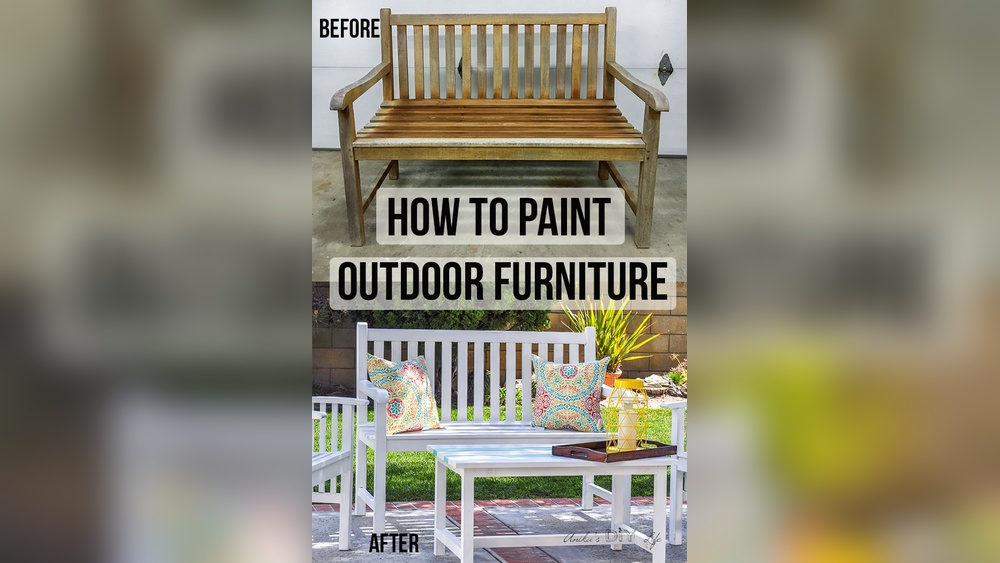
Your indoor-outdoor furniture is more than just a place to sit—it’s where memories are made. But without the right care, it can quickly lose its charm.
Imagine enjoying your favorite chair or table for years without worrying about damage from sun, rain, or dust. Sounds great, right? You’ll discover simple, effective ways to protect your furniture and keep it looking new. Stick with me, and you’ll learn easy tips that save you time and money while making your space inviting all year round.
Credit: furniturefair.net
Choosing Durable Materials
Choosing durable materials is key to protecting indoor outdoor furniture. Strong materials resist damage from sun, rain, and wear. They help your furniture last longer and look better over time.
Durable furniture saves money and effort. It needs less repair and stays safe to use. Below are some great material choices for lasting furniture.
Best Woods For Furniture
Teak is a top wood for outdoor furniture. It has natural oils that protect it from water and insects. Cedar is lighter but also resists rot well. Both woods age beautifully with a soft silver finish. Avoid soft woods that absorb moisture and crack easily.
Weather-resistant Metals
Aluminum is light and does not rust. It holds up well in wet and hot conditions. Steel is strong but must have a coating to stop rust. Powder-coated metals get an extra layer of protection. These metals provide solid support and need little upkeep.
Synthetic Options
Synthetic wicker made from resin looks like natural wicker but lasts longer. It does not fade or break in sun and rain. Plastic and composite materials resist moisture and stains. These options are easy to clean and keep their shape well.
Regular Cleaning Routines
Regular cleaning keeps your indoor outdoor furniture looking fresh and lasting longer. Dirt, dust, and spills can damage materials over time. A simple cleaning routine helps protect surfaces and keeps them inviting. Set a schedule to clean all parts of your furniture. This care prevents stains, rust, and fading. It also makes your space more comfortable and tidy.
Cleaning Wooden Surfaces
Use a soft brush or cloth to remove dust from wood. Clean with mild soap and water. Avoid harsh chemicals that can strip the wood’s finish. Wipe the surface gently and dry it well. Apply wood oil or sealant to keep moisture out. This protects against cracks and warping. Regular cleaning preserves the natural beauty of wooden furniture.
Washing Fabric Cushions
Remove cushions and check care labels before washing. Use a mild detergent and cold water for hand washing or machine wash on a gentle cycle. Rinse thoroughly to remove soap. Air dry cushions away from direct sunlight. Avoid using bleach or strong chemicals. Regular washing removes dirt, dust mites, and odors. This keeps cushions fresh and comfortable.
Maintaining Metal Frames
Wipe metal frames with a damp cloth to remove dirt and dust. Use a mild soap solution for stubborn spots. Dry the metal completely to prevent rust. Inspect for scratches or rust spots regularly. Apply a protective coating or paint if needed. This prevents corrosion and keeps frames strong. Regular care extends the life of metal furniture.
Preventing Weather Damage
Weather can harm your indoor outdoor furniture fast. Sun, rain, snow, and frost all cause damage. Taking steps to protect your furniture keeps it looking new longer. Simple actions prevent fading, rust, and cracking. This saves money and effort on repairs or replacements.
Protecting From Sun Exposure
Sunlight can fade colors and dry out materials. Use covers or move furniture to shaded areas. Apply UV-protective sprays on wood or plastic surfaces. Fabrics benefit from waterproof and UV-resistant treatments. Close umbrellas or awnings when not in use to reduce sun damage.
Shielding Against Rain And Moisture
Rain causes rust, mold, and wood swelling. Use waterproof covers to keep moisture away. Store cushions indoors or in dry boxes after use. Ensure furniture legs do not sit in puddles or wet ground. Clean and dry furniture regularly to stop mold growth.
Handling Snow And Frost
Snow and frost can crack and warp furniture. Remove snow quickly using a soft broom, not sharp tools. Cover furniture with thick, breathable tarps during winter. Store delicate pieces indoors or in a garage if possible. Check furniture often for signs of frost damage.
Using Protective Covers
Using protective covers is a simple way to keep your indoor outdoor furniture safe. Covers guard against dirt, rain, sun, and dust. They help furniture last longer and look fresh. Covers also reduce cleaning time and prevent damage.
Choosing The Right Covers
Pick covers made from strong, waterproof material. Look for fabrics that block UV rays to stop fading. Covers should fit your furniture snugly but not too tight. Choose covers with ventilation to avoid moisture build-up. Check for easy-to-use fasteners like zippers or straps.
Proper Covering Techniques
Clean furniture before covering it to avoid trapping dirt. Spread the cover evenly over the furniture. Secure all sides to stop wind from blowing it away. Avoid covering wet furniture to prevent mold growth. Store covers in a dry place when not in use.
When To Use Covers
Use covers during rain or snow to keep furniture dry. Cover furniture in strong sun to protect color and material. Use covers during long periods of non-use or storage. Cover furniture when dust or pollen is heavy outside. Remove covers on sunny days to let furniture breathe.
Storing Furniture Safely
Storing furniture safely is key to keeping it in good shape. Proper storage stops damage from weather and pests. It also helps your furniture last longer and stay clean. Choosing the right place and method protects your investment. This guide offers simple tips for indoor and outdoor storage. Follow these steps to keep your furniture ready for use anytime.
Indoor Storage Tips
Store furniture in a dry, cool room. Avoid places with high humidity or direct sunlight. Cover pieces with cloth or plastic covers to block dust. Use furniture pads or blankets to protect surfaces. Keep items off the floor to prevent moisture damage. Arrange pieces to allow airflow around them. Check stored furniture regularly for signs of mold or pests.
Outdoor Storage Solutions
Choose a covered area like a porch or shed. Use waterproof covers designed for furniture. Secure covers to stop wind from blowing them away. Elevate furniture on pallets or blocks to avoid water contact. Clean furniture before storing to prevent stains and dirt buildup. Remove cushions and store them separately in dry spots. Ventilation is important to reduce moisture buildup.
Off-season Storage Ideas
Use storage bins for small furniture parts and cushions. Label boxes clearly for easy identification. Consider renting a storage unit if space is limited at home. Disassemble larger pieces to save room and reduce damage risk. Wrap delicate items in bubble wrap or soft cloth. Keep storage areas clean and pest-free. Plan storage before the off-season to avoid last-minute stress.
Applying Treatments And Sealants
Applying treatments and sealants is essential to keep your indoor-outdoor furniture in good shape. These products protect furniture from water damage, stains, and fading caused by sunlight. Proper application also extends the life of your furniture and saves you money on repairs or replacements.
Different materials need different types of treatments. Wood, metal, and fabric each require special care. Using the right sealant or treatment helps maintain the furniture’s look and strength. Follow instructions carefully for the best results.
Wood Sealants And Oils
Wood furniture needs protection against moisture and sun damage. Sealants form a thin layer on wood surfaces to block water. Oils soak into the wood to nourish and protect it.
Apply sealants with a brush or cloth in thin, even coats. Let each coat dry before adding another. Use oils like teak or linseed oil regularly to keep wood soft and shiny. Avoid harsh chemicals that can damage wood fibers.
Metal Rust Protection
Metal furniture can rust quickly without protection. Use rust-resistant primers or sprays to prevent rust from forming. These products create a barrier against moisture and air.
Clean metal surfaces before applying treatments. Remove any existing rust with a wire brush or sandpaper. Apply the rust protector evenly and let it dry fully. Check furniture yearly and reapply if needed to keep rust away.
Fabric Waterproofing
Outdoor fabric gets wet and dirty easily. Waterproof sprays help fabric resist water and stains. This keeps cushions dry and comfortable.
Spray fabric evenly from a short distance. Allow it to dry completely before use. Repeat this process each season for the best protection. Choose sprays that are safe for your fabric type to avoid damage.
Repairing And Maintaining
Repairing and maintaining your indoor-outdoor furniture keeps it looking fresh and lasting longer. Small problems can turn into big ones if ignored. Regular care helps avoid costly replacements. Simple fixes restore beauty and function quickly.
Fixing Scratches And Dents
Scratches and dents happen easily on furniture surfaces. Light scratches on wood can be hidden with a wood marker or crayon that matches the color. For deeper dents, apply a damp cloth and use a warm iron to steam the wood. This helps the wood swell back into shape.
Plastic and metal surfaces need gentle cleaning before repair. Use fine sandpaper to smooth out rough spots. Then apply a touch-up paint or spray to cover imperfections. Quick repair stops damage from spreading and keeps furniture neat.
Replacing Worn Parts
Check cushions, screws, and joints often. Cushions wear out or lose shape from sun and rain. Replace them with weather-resistant foam and fabric for comfort. Loose screws make furniture unstable. Tighten or replace screws to keep pieces safe.
Broken parts like legs or handles can be swapped with new ones from hardware stores. Using the right tools ensures a secure fix. This extends furniture life and maintains its original look.
Regular Inspection Checklist
- Look for cracks, rust, or loose connections.
- Check cushion fabric and foam for damage.
- Test stability by gently rocking the furniture.
- Clean surfaces to spot hidden wear and tear.
- Apply protective coatings if needed.
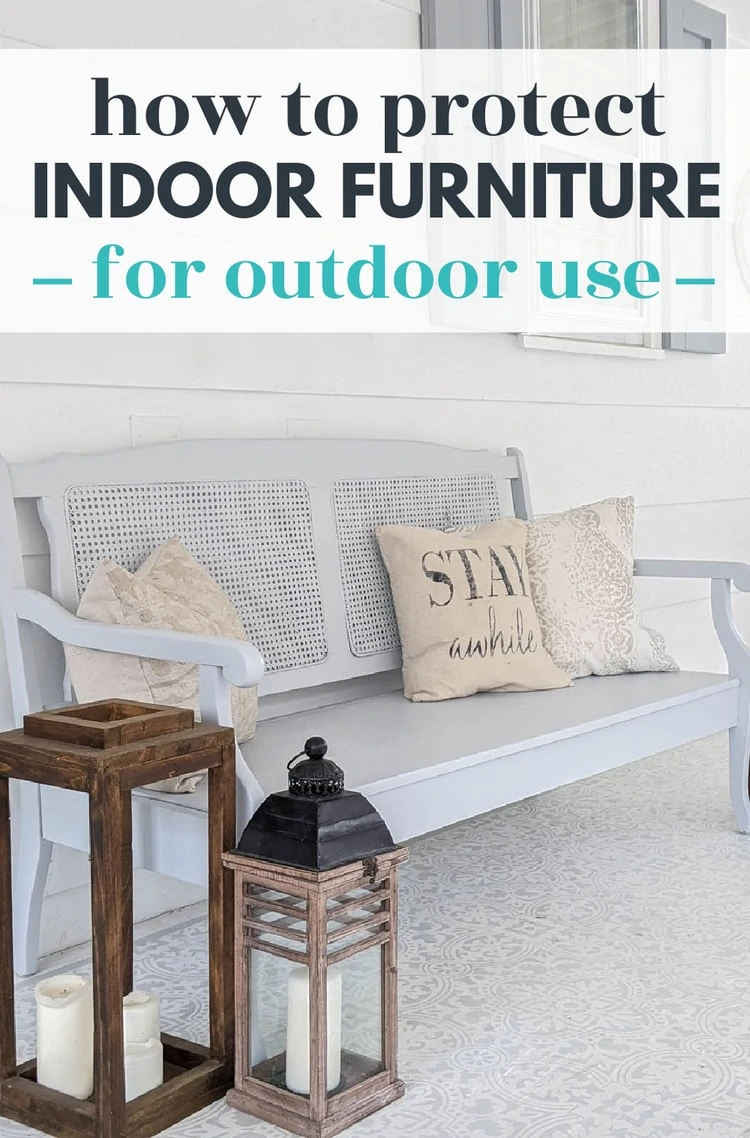
Set a schedule to inspect furniture every few months. Early detection saves money and keeps your space inviting.
Credit: www.lovelyetc.com

Credit: www.amazon.com
Frequently Asked Questions
How Do I Clean Indoor Outdoor Furniture Properly?
To clean indoor outdoor furniture, use mild soap and water. Avoid harsh chemicals that may damage surfaces. Rinse thoroughly and dry with a soft cloth. Regular cleaning prevents dirt buildup and extends furniture life.
What Materials Protect Outdoor Furniture Best From Weather?
Materials like teak, aluminum, and synthetic wicker resist weather damage well. These materials are durable, rust-resistant, and low maintenance. Using covers during harsh weather also helps protect furniture surfaces.
How Often Should I Apply Sealant On Outdoor Furniture?
Apply sealant at least once a year to protect wood furniture. Sealants prevent moisture damage, fading, and cracking. For metal furniture, check for rust and apply protective coatings as needed.
Can I Leave Indoor Outdoor Furniture Outside All Year?
Leaving furniture outside all year can cause wear and tear. Use weatherproof covers or store furniture indoors during extreme weather. Proper care increases furniture lifespan and maintains appearance.
Conclusion
Protecting your indoor-outdoor furniture keeps it looking fresh and lasting longer. Clean your furniture regularly to avoid dirt buildup. Use covers to guard against sun, rain, and dust. Store cushions in a dry place when not in use. Treat wooden pieces with oil or sealant to prevent cracking.
Small efforts make a big difference in maintenance. Enjoy your furniture comfortably for many seasons. Simple care brings lasting beauty and function. Keep these tips in mind for furniture that stays great year-round.