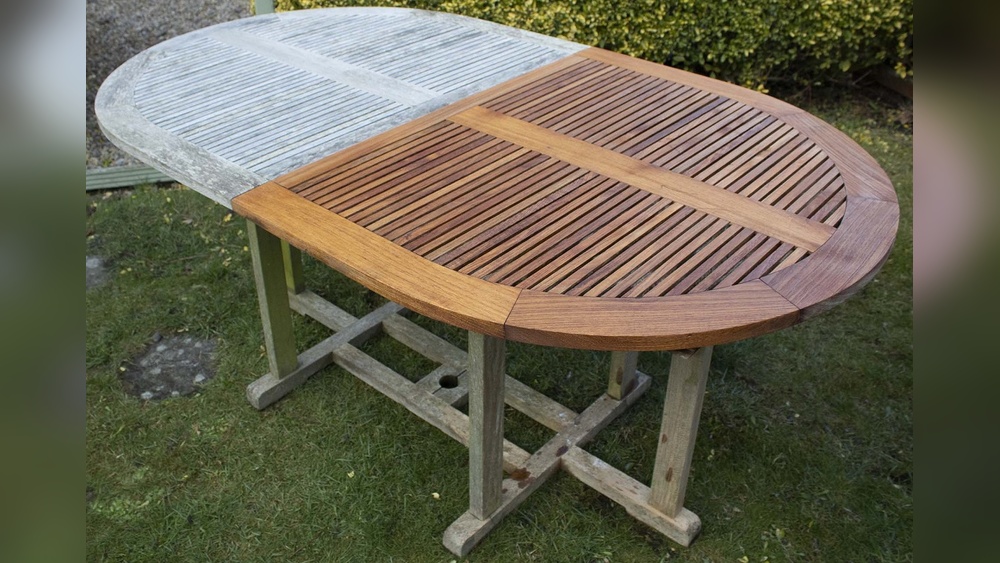
Are you tired of finding your outdoor furniture chewed up and ruined? It’s frustrating to see your favorite patio chairs or tables damaged by your dog’s chewing habits.
You want your outdoor space to be relaxing and enjoyable, not a constant battle to protect your furniture. Luckily, you don’t have to give up your beautiful backyard or your dog’s happiness. You’ll discover simple and effective ways to stop your dog from eating outdoor furniture.
Keep reading to learn how to save your furniture and keep your furry friend happy and safe.
Credit: www.explorefairbanks.com
Why Dogs Chew Outdoor Furniture
Dogs chewing outdoor furniture is a common problem many pet owners face. Understanding why dogs chew these items helps stop this behavior. Dogs chew for several natural reasons. Some are linked to their instincts, emotions, or even the materials used in furniture.
Natural Chewing Instincts
Chewing is a natural behavior for dogs. It helps keep their teeth strong and jaws healthy. Wild dogs chew bones and wood to clean their teeth. Domestic dogs carry this instinct too. Outdoor furniture often becomes a target because it is easily accessible.
Boredom And Anxiety
Dogs need mental and physical activity daily. Without it, they get bored or anxious. Chewing helps relieve their stress and passes time. Outdoor spaces might not have enough toys or activities. Furniture becomes a way for dogs to entertain themselves.
Teething In Puppies
Puppies chew more because of teething pain. Their gums feel sore and chewing soothes it. Outdoor furniture offers hard surfaces that puppies find satisfying. This phase usually lasts a few months, but chewing can continue if not managed.
Attraction To Furniture Materials
Some furniture materials attract dogs more than others. Wood and wicker have interesting textures and smells. Some finishes or stains may also appeal to dogs. They explore these smells by chewing. Plastic and fabric can also draw their attention.
Identifying Problem Areas
Identifying problem areas is the first step to stop dogs from chewing outdoor furniture. Understanding where and why your dog targets certain spots helps you protect your belongings. Careful observation and quick action can save your outdoor space.
Common Targets In Outdoor Spaces
Dogs often chew on wooden chairs, tables, and benches. Plastic furniture and cushions attract attention too. Some dogs like chewing on garden tools or plant pots. Focus on items within your dog’s reach. These are usually the main problem spots.
Signs Of Chewing Damage
Look for bite marks, scratches, and splintered wood. Torn fabric or ripped cushions show chewing behavior. Missing pieces or scattered debris also indicate damage. Early signs help you act before the damage gets worse.
Tracking Your Dog’s Behavior
Watch your dog closely in the outdoor area. Notice the time and place they start chewing. Record patterns like boredom or stress triggers. Tracking helps find the root cause of chewing habits. This knowledge guides your prevention efforts.
Preventive Measures
Preventive measures help stop dogs from chewing outdoor furniture. These steps guide dogs to chew the right things. They also keep your furniture safe and your dog happy.
Providing Chew Toys
Offer your dog plenty of chew toys. Choose toys that are safe and durable. Chew toys satisfy their natural urge to chew. This keeps them busy and away from furniture.
Creating A Designated Play Area
Set up a special area for your dog to play. Use fences or barriers to keep them in this space. Fill it with toys and comfort items. This area becomes their safe zone to explore.
Regular Exercise And Mental Stimulation
Exercise tires your dog physically and mentally. Take them for daily walks and play games. Use puzzle toys to challenge their mind. A tired dog chews less on furniture.
Credit: www.nps.gov
Deterring Chewing Behavior
Stopping dogs from chewing outdoor furniture helps keep your yard neat. It also protects your pet from harm. Dogs chew for many reasons. Boredom, teething, or stress can cause this behavior. Deterring chewing helps your dog learn better habits. Use safe and effective methods to guide them.
Using Safe Repellents
Safe repellents are a gentle way to stop chewing. These sprays have smells dogs dislike but are harmless. Apply repellents on furniture surfaces your dog targets. Repeat the application often, especially after rain. This keeps the scent strong and effective.
Choose natural options like citrus or vinegar-based repellents. These are less likely to irritate your dog’s nose. Always test repellents on a small area first. Make sure they do not damage your furniture or hurt your pet.
Applying Bitter Sprays
Bitter sprays taste unpleasant to dogs. This helps stop chewing quickly. Spray a thin layer on wood, plastic, or metal parts. Your dog will learn to avoid the taste. Reapply bitter spray regularly for best results.
Look for pet-safe bitter sprays in stores. Avoid anything with harmful chemicals. Bitter sprays offer a simple way to protect your outdoor items. They teach your dog what is off-limits without causing pain.
Barriers And Covers For Furniture
Physical barriers block access to furniture. Use fences, gates, or screens around key areas. Covers made from tough materials protect surfaces from chewing. Tarps, plastic sheets, or mesh work well.
Barriers keep your dog from reaching tempting spots. Covers reduce damage even if chewing occurs. Combine barriers with repellents or sprays for better results. This creates a safe space for your dog and your furniture.
Training Techniques
Training plays a key role in stopping dogs from chewing outdoor furniture. It helps dogs learn what is okay to chew and what is not. Using clear and gentle methods makes training more effective. Focus on teaching good habits rather than punishing bad ones.
Training takes time and care. Dogs respond best to kindness and clear guidance. Use these simple techniques to guide your dog away from furniture chewing.
Positive Reinforcement
Reward your dog when it chews on toys, not furniture. Use treats, praise, or petting as rewards. This shows your dog what behavior you want. Positive reinforcement builds trust and encourages good habits.
Redirecting Attention
If your dog starts chewing furniture, gently redirect it to a toy. Offer a chew toy or play together to distract. This helps the dog learn what is allowed to chew. Always replace furniture with something safe and fun.
Consistency And Patience
Train regularly and keep rules the same every day. Mixed messages confuse dogs and slow progress. Be patient; training takes days or weeks. Celebrate small improvements and keep guiding your dog gently.
When To Seek Professional Help
Sometimes, dogs chew on outdoor furniture for reasons beyond boredom or teething. This behavior might signal deeper problems. Knowing when to seek professional help can save your furniture and improve your dog’s well-being.
Behavioral Issues Beyond Chewing
Chewing can be a sign of stress or anxiety in dogs. Some dogs chew to relieve tension or loneliness. Destructive chewing might indicate a lack of mental stimulation. Attention-seeking behavior can also cause furniture damage. These issues need more than simple training or deterrents. Ignoring the signs can worsen your dog’s behavior over time.
Consulting A Trainer Or Veterinarian
A professional trainer can identify the root cause of chewing. Trainers use techniques to teach better habits and control impulses. Vets check for medical problems that affect behavior. Pain or discomfort may lead dogs to chew excessively. Early professional help prevents long-term damage and stress for your pet. Getting advice from experts ensures your dog stays happy and healthy.
Maintaining Outdoor Furniture
Maintaining outdoor furniture helps keep it safe from dogs and the weather. Well-kept furniture lasts longer and looks better. Regular care stops dogs from chewing and damaging it.
Choosing Durable Materials
Pick materials that resist dog bites and weather. Metal, teak, and high-quality plastic work well. These materials are strong and hard to chew.
Wood can be good but needs extra care. Avoid soft woods that dogs find easy to bite.
Regular Cleaning And Repairs
Clean furniture often to remove dirt and smells. Dogs may chew if furniture smells like food or other animals.
Check for broken parts or rough edges. Fix small problems quickly to stop bigger damage.
Protective Coatings And Treatments
Use safe coatings to protect surfaces from chewing and weather. Clear varnish or sealants create a strong barrier.
Apply treatments regularly to keep the protection strong. Choose non-toxic options that are safe for pets.

Credit: www.reddit.com
Frequently Asked Questions
How Can I Stop My Dog From Chewing Outdoor Furniture?
Provide durable chew toys to redirect their chewing habit. Use pet-safe repellents on furniture to deter biting. Supervise your dog outdoors and reward good behavior consistently.
Why Do Dogs Chew Outdoor Furniture?
Dogs chew furniture to relieve boredom, anxiety, or teething discomfort. It’s also a way to explore and mark territory. Understanding the cause helps in effective prevention.
What Are Safe Deterrents For Dogs And Furniture?
Bitter apple spray and citrus-based repellents are safe and effective. These sprays discourage chewing without harming your dog or furniture. Always test on a small area first.
Can Training Help Prevent Furniture Chewing Outdoors?
Yes, consistent training teaches dogs acceptable behaviors. Use positive reinforcement and clear commands. Redirect chewing to toys and reward compliance regularly for best results.
Conclusion
Stopping dogs from chewing outdoor furniture takes patience and care. Use safe deterrents and give your dog plenty of toys. Train your dog with positive rewards to change behavior. Keep an eye on your pet when outside. Protect your furniture with covers or barriers.
These steps help keep both your dog and furniture safe. Consistency matters most in teaching good habits. Your outdoor space can stay nice and your dog happy too.