Are you ready to enjoy your outdoor space but worried about placing your furniture directly on the grass? You’re not alone.
Setting up outdoor furniture on grass can be tricky—it might sink, wobble, or damage your lawn. But don’t let that stop you from creating a cozy, inviting spot right in your backyard. You’ll discover simple, practical tips to keep your furniture stable and your grass healthy.
By the end, you’ll know exactly how to make your outdoor area both beautiful and functional. Keep reading to transform your lawn into the perfect place to relax and entertain!

Credit: belleze.com
Choose The Right Furniture
Choosing the right outdoor furniture for grass is important. The right furniture lasts longer and stays stable. It also looks good in your outdoor space. Picking furniture made for grass helps avoid damage to your lawn. It also keeps your seating safe and comfortable.
Material Matters
Pick materials that resist moisture and dirt. Metal furniture can be strong but may rust. Look for powder-coated metal to stop rust. Plastic furniture is light and resists water well. Wood looks nice but needs treatment to avoid rot. Teak and cedar are good wood choices for outdoors. Wicker furniture adds style but choose synthetic wicker for wet areas. Check if cushions are water-resistant and easy to clean.
Size And Weight Considerations
Heavy furniture stays steady on grass and won’t tip easily. Light furniture may move or sink into soft soil. Large furniture needs flat ground to stay balanced. Small sets fit well in tight spaces and are easier to move. Consider where you want to place the furniture. Measure your space to avoid crowding. Balance size and weight for comfort and stability on grass.
Prepare The Ground
Preparing the ground is an important step before placing outdoor furniture on grass. A well-prepared area keeps the furniture stable and protects your lawn. It also makes the seating area more comfortable and neat. Follow simple steps to get the ground ready and create a perfect spot for your furniture.
Clear And Level The Area
Start by removing rocks, sticks, and any debris from the grass. These can make the furniture uneven and unstable. Use a rake to smooth the soil and clear the surface. Check the ground for bumps or holes. Fill small holes with soil and press it down firmly. Level the area to avoid furniture wobbling or tipping over. A flat surface keeps chairs and tables steady and safe.
Use Ground Protection Mats
Place ground protection mats under furniture legs to protect the grass. These mats prevent sinking and damage to the lawn. They spread the weight of the furniture evenly. Choose mats made for outdoor use and strong enough for your furniture. This step keeps the grass healthy and extends the life of your outdoor setup. Mats also make moving furniture easier without tearing the grass.
Improve Stability
Outdoor furniture on grass can be unstable. Soft ground makes chairs and tables wobble. Improving stability keeps furniture steady and safe. It also protects the grass and furniture legs. Simple steps can make a big difference.
Add Pavers Or Stepping Stones
Place pavers or stepping stones under furniture legs. They create a firm base on soft grass. This stops sinking and uneven tilting. Choose flat stones that fit the furniture size. Lay them evenly to spread weight well. This method helps keep furniture balanced.
Use Furniture Cups Or Pads
Furniture cups or pads sit under the legs. They prevent sinking by spreading the load over a wider area. These small tools protect grass and keep furniture stable. Use rubber or plastic pads for outdoor use. They are easy to place and move around.
Secure Furniture Properly
Securing outdoor furniture on grass prevents accidents and damage. Strong winds or uneven ground can move or tip items. Properly anchoring furniture keeps your outdoor space safe and tidy. This step is essential for comfort and durability.
Anchor With Stakes Or Spikes
Use metal or plastic stakes to hold furniture in place. Push stakes into the ground at furniture legs or frame. This method works well for heavy chairs and tables. Choose long stakes for soft or loose soil. Check that stakes fit tightly and do not wobble.
Tie Down Lightweight Pieces
Light furniture can blow away easily without extra support. Use ropes or straps to secure these pieces to nearby posts or trees. Wrap ties firmly around furniture parts and anchor points. Avoid tight knots that might damage furniture. This method protects cushions, umbrellas, and small chairs.
Enhance Outdoor Style
Enhancing outdoor style transforms your grass area into a cozy retreat. It makes your space inviting and visually pleasing. Simple choices can create a charming outdoor setting.
Choose Complementary Colors
Select colors that blend with nature and your furniture. Soft greens, blues, or earth tones work well on grass. Bright colors add energy but keep them balanced. Matching cushions, tableware, and umbrellas creates harmony. Color coordination lifts the overall look effortlessly.
Add Outdoor Rugs And Accessories
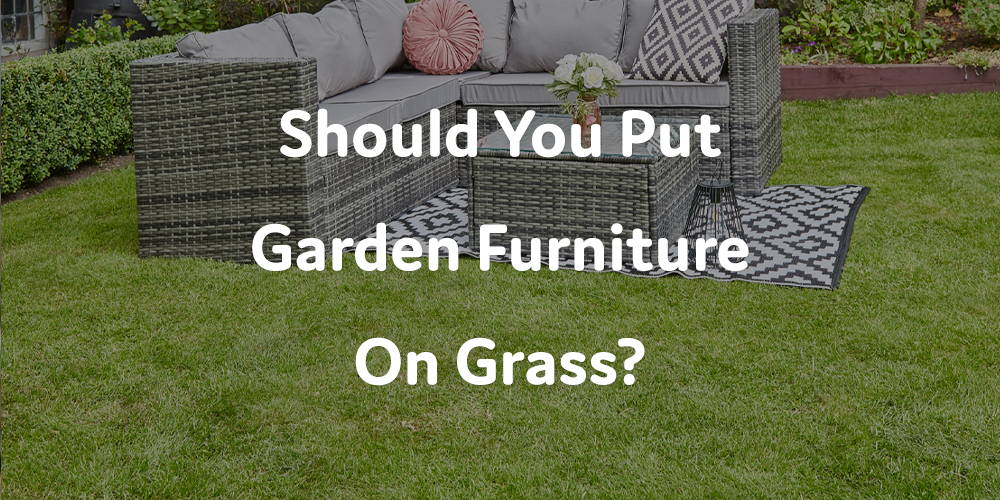
Outdoor rugs define seating areas on grass clearly. Pick rugs made for outdoor use and easy cleaning. Rugs add comfort and style beneath your furniture. Accessories like lanterns and cushions personalize the space. They bring warmth and character to your outdoor spot.

Credit: belleze.com
Maintain Furniture On Grass
Maintaining outdoor furniture on grass keeps it safe and looking good. Grass can hold moisture, which may harm your furniture. Dirt and leaves can also build up and cause problems. Regular care helps your furniture last longer and stay comfortable.
Regular Cleaning Tips
Clean your furniture often to stop dirt buildup. Use a soft brush or cloth to remove dust. Wash with mild soap and water. Rinse well and dry completely. Avoid harsh chemicals that can damage surfaces. Clean under cushions and in corners too. This keeps your furniture fresh and inviting.
Preventing Rust And Damage
Metal furniture can rust from grass moisture. Use rust-resistant paint or spray to protect it. Move furniture away from wet spots after rain. Place pads or mats under legs to stop sinking and damage. Store cushions inside when not in use. Check for cracks or chips and fix them early. These steps keep your furniture strong and safe.
Credit: www.furnituremaxi.com
Frequently Asked Questions
How Do I Protect Grass Under Outdoor Furniture?
Use outdoor furniture pads or rubber mats beneath legs. This prevents soil compaction and grass damage. Move furniture occasionally to allow sunlight and air to reach grass. Regularly trim grass to avoid stress and promote healthy growth.
Can Outdoor Furniture Cause Grass To Die?
Yes, heavy furniture can block sunlight and air. This leads to grass thinning or dying. Using furniture risers or placing items on mats helps reduce damage. Rotate furniture placement regularly to maintain healthy grass underneath.
What Materials Are Best For Outdoor Furniture On Grass?
Lightweight materials like aluminum, plastic, and wicker are ideal. They cause less soil compaction and are easy to move. Avoid heavy or metal furniture that sinks into grass. Choose weather-resistant materials to withstand outdoor conditions.
How Often Should I Move Outdoor Furniture On Grass?
Move furniture weekly or biweekly to prevent grass damage. Regular relocation allows sunlight and air to nourish the grass. It also prevents soil compaction and uneven wear patterns. This simple habit helps maintain a lush, healthy lawn.
Conclusion
Placing outdoor furniture on grass can be simple and effective. Choose sturdy, weather-resistant pieces to avoid damage. Use mats or pavers to keep furniture stable and grass healthy. Regularly check for uneven spots and adjust as needed. With a little care, your outdoor space stays comfortable and inviting.
Enjoy your garden seating without worry or hassle.