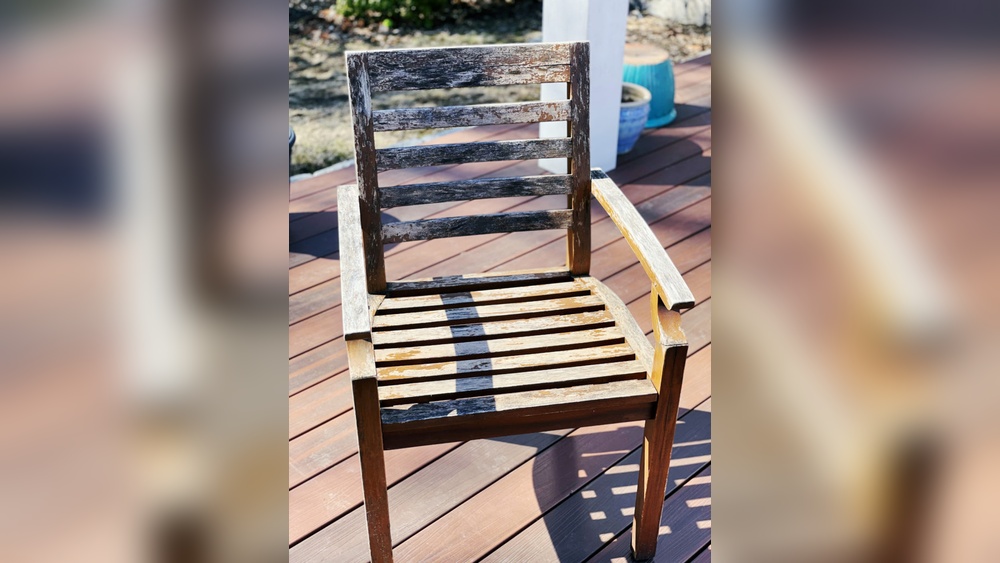
Have you ever wondered if you can take your favorite indoor furniture and give it a new life outside? Imagine relaxing on a cozy chair or stylish sofa right on your patio, without spending a fortune on outdoor pieces.
But is it really possible to protect your indoor furniture from rain, sun, and humidity? You’ll discover simple and effective ways to treat your indoor furniture for outdoor use. Keep reading to find out how you can transform your space and make your furniture work harder for you—without ruining its look or comfort.
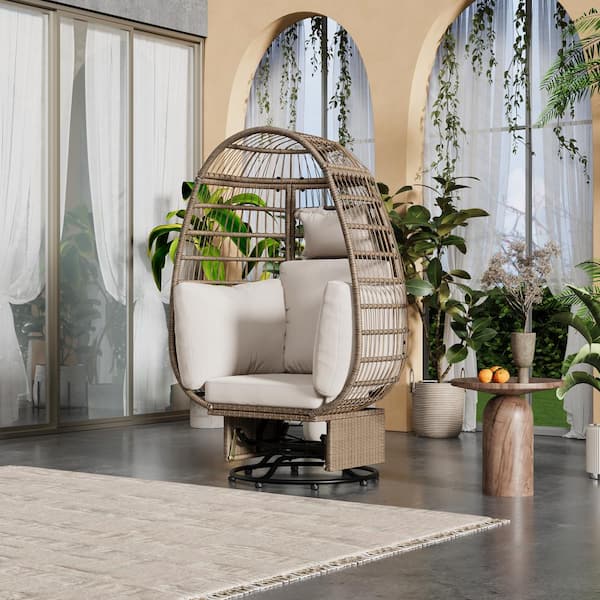
Credit: www.homedepot.com
Differences Between Indoor And Outdoor Furniture
Indoor and outdoor furniture serve different purposes and face different conditions. Indoor furniture stays in a controlled environment. Outdoor furniture must resist weather, moisture, and sun. These differences affect how each type is made and how long it lasts.
Material Variations
Indoor furniture often uses wood, fabric, and soft cushions. These materials are not meant for wet or hot conditions. Outdoor furniture uses weatherproof materials like treated wood, metal, plastic, or synthetic fibers. These materials resist water, sun damage, and rust.
Design Considerations
Indoor furniture focuses on comfort and style. It often has delicate details and soft fabrics. Outdoor furniture prioritizes durability and easy cleaning. Designs are simpler and use water-resistant fabrics. They allow air flow to dry quickly after rain.
Durability Factors
Indoor furniture lasts longer in stable environments. Outdoor furniture faces rain, sun, wind, and dirt. It needs special coatings or treatments to avoid damage. Without these, indoor furniture will quickly wear out outside.
Credit: www.hotshot.com
Challenges Of Using Indoor Furniture Outdoors
Using indoor furniture outdoors presents many challenges. Indoor pieces are not built to face outside elements. These items may wear out fast or get damaged. Understanding the risks helps protect your furniture better.
Weather Exposure Risks
Indoor furniture can suffer from rain, wind, and cold. Wood may crack or warp from temperature changes. Metal parts can rust quickly without protection. Wind can blow lightweight furniture over easily. These issues reduce the furniture’s lifespan outdoors.
Moisture And Humidity Effects
Indoor furniture often absorbs moisture outdoors. This causes swelling and weakens joints. Upholstery fabrics can grow mold or mildew. Foam cushions may stay wet and smell bad. Moisture damages the structure and comfort of the furniture.
Uv Damage Concerns
Sunlight fades colors and weakens materials. Wood finishes peel or crack under UV rays. Fabrics lose their color and become brittle. Plastic parts may become soft and bend out of shape. UV damage makes furniture look old and worn fast.
Selecting Suitable Indoor Furniture For Outdoor Treatment
Treating indoor furniture for outdoor use can save money and add charm. Not all indoor furniture works well outside. Choosing the right pieces is key for lasting results.
Some materials handle weather better. Others break down fast. Knowing what to pick helps your treated furniture stay strong and beautiful.
Best Materials To Start With
Wood is a good choice, especially hardwood like teak or oak. These woods resist moisture and insects well. Metal furniture can work if it is rust-proof or can be sealed. Avoid fabrics that soak up water easily.
Avoiding Fragile Components
Furniture with delicate parts like thin legs or intricate designs may not survive outdoors. Glass tops or soft cushions can break or wear quickly. Pick sturdy, simple pieces for easier treatment and longer use.
Assessing Furniture Condition
Check for cracks, loose joints, or worn finishes. Repair any damage before treating. Old or fragile furniture may not hold up outside even after treatment. Strong, solid pieces give the best results.
Preparation Steps Before Treatment
Preparing indoor furniture for outdoor use requires careful steps. Proper preparation helps protect the furniture from weather damage. It also improves the finish and extends the life of the treatment. Skipping these steps can cause peeling, cracking, or mold growth.
Cleaning And Drying
Start by cleaning the furniture thoroughly. Remove dirt, dust, and grease using mild soap and water. Use a soft brush or cloth to avoid damage. Rinse well and let it dry completely. Drying is crucial to prevent moisture trapping under the finish.
Sanding And Surface Repair
Sand the surface lightly to remove rough spots. Use fine-grit sandpaper for a smooth finish. Check for cracks, holes, or dents and fill them with wood filler. Sand again after the filler dries. Smooth surfaces help the treatment stick better and last longer.
Removing Existing Finishes
Strip any old paint, varnish, or sealant from the furniture. Use a chemical stripper or sandpaper for this task. Removing old finishes ensures the new treatment bonds properly. Clean the surface again after stripping to remove residue.
Effective Treatments For Outdoor Protection
Protecting indoor furniture for outdoor use needs careful treatment. The right products help furniture last longer outside. These treatments guard against water, sun, and mold damage. Choose the right treatment for your furniture type. Proper care keeps your furniture looking good through all seasons.
Waterproof Sealants
Waterproof sealants stop water from soaking into wood or fabric. These sealants create a strong barrier against rain and spills. Apply sealants evenly for full coverage. Let the sealant dry completely before using the furniture outside. Regular reapplication is needed to keep furniture water-resistant.
Uv-resistant Coatings
UV-resistant coatings protect furniture from sun damage. These coatings prevent fading and cracking caused by sunlight. Choose coatings made for outdoor use. Apply a thin layer for good protection. Reapply every year or after heavy sun exposure to maintain strength.
Mildew And Mold Prevention
Mildew and mold grow quickly in damp outdoor areas. Use mildew-resistant sprays or treatments to stop growth. Clean furniture thoroughly before applying these products. Keep furniture dry and well-ventilated to reduce mold risk. Treating early prevents damage and keeps furniture safe to use.
Maintenance Tips For Treated Furniture
Maintaining furniture treated for outdoor use keeps it looking fresh and lasting longer. Proper care stops damage from sun, rain, and dirt. Small efforts every week protect your investment and keep your space inviting.
Regular Cleaning Routines
Clean treated furniture often to remove dust and grime. Use a soft brush or cloth with mild soap and water. Avoid harsh chemicals that might damage the protective layer. Rinse well and dry the furniture completely to stop mold growth.
Reapplying Protective Coatings
Protective coatings wear off over time. Check the surface regularly for signs of fading or peeling. Apply a new coat of sealant, varnish, or paint as needed. Follow product instructions carefully for the best results. This step keeps moisture and UV rays from harming the wood or metal.
Storage During Harsh Weather
Bring treated furniture indoors or use covers during heavy rain or snow. Store pieces in a dry, sheltered place to avoid warping and rust. If space is limited, stack or arrange furniture to reduce exposure. Proper storage helps the furniture stay strong and beautiful for many seasons.
Alternative Solutions To Indoor Furniture Use Outdoors
Using indoor furniture outside needs care. The materials inside may not hold up well outdoors. Sun, rain, and wind can damage them fast. There are ways to protect your indoor pieces. These help extend their life outside.
Using Protective Covers
Covers shield furniture from rain and sun. Choose waterproof and UV-resistant covers. They block moisture and harmful rays. Always cover your furniture when not in use. This keeps it clean and dry. Covers are a simple and cheap fix.
Creating Shaded Outdoor Spaces
Shade reduces sun damage to indoor furniture. Use umbrellas, awnings, or pergolas. These protect from direct sunlight and heat. Shaded spots keep furniture cooler and safe. They also make outdoor areas more comfy.
Choosing Hybrid Furniture Options
Hybrid furniture blends indoor style with outdoor strength. Look for pieces made from treated wood or metal. These handle weather better than regular indoor furniture. You get beauty and durability in one. Hybrid options suit patios and covered decks well.

Credit: www.walmart.com
Frequently Asked Questions
Can Indoor Furniture Withstand Outdoor Weather Conditions?
Indoor furniture is not designed for outdoor exposure. Moisture, UV rays, and temperature changes can damage it quickly. Treating it can help, but protection is limited compared to outdoor furniture built to resist these elements.
What Treatments Make Indoor Furniture Suitable For Outdoors?
Applying weatherproof sealants, water-resistant paints, or outdoor varnishes can protect indoor furniture. These treatments help prevent moisture absorption, UV damage, and decay. Regular reapplication is necessary to maintain protection and extend furniture life outdoors.
Is It Cost-effective To Treat Indoor Furniture For Outdoor Use?
Treating indoor furniture can be cost-effective short-term. However, outdoor furniture is more durable and requires less maintenance. Investing in proper outdoor pieces might be better for long-term use and durability.
How Often Should Treated Indoor Furniture Be Maintained Outdoors?
Treated indoor furniture outdoors should be inspected and maintained every 6 to 12 months. Clean surfaces regularly and reapply protective coatings as needed to prevent damage and prolong lifespan.
Conclusion
Treating indoor furniture for outdoor use can extend its life. Use sealants and weatherproof sprays to protect wood and fabric. Regular maintenance helps prevent damage from sun and rain. Choose the right products for your furniture material. Small efforts make a big difference over time.
Enjoy your furniture both indoors and outside safely. Remember, care keeps furniture looking good longer. Simple steps can save you money and effort. Try it yourself and see the results!