
Is your outdoor wicker furniture looking a little tired because of worn-out cushions? You don’t have to replace the entire set or spend a fortune buying new cushions.
Imagine giving your favorite chairs a fresh, comfy look that lasts—all by sewing your own replacement cushions. You’ll discover simple, step-by-step tips to create cushions that fit perfectly and stand up to the outdoors. Ready to transform your patio and enjoy your furniture like new again?
Keep reading, and you’ll find out exactly how to make it happen.
Choosing The Right Fabric
Choosing the right fabric for your outdoor wicker furniture cushions is very important. The fabric must handle sun, rain, and dirt well. It should also feel comfortable and last a long time. Picking the best fabric helps keep your cushions looking fresh and new through all seasons.
Outdoor Fabric Types
Outdoor fabrics come in many types. Acrylic fabrics are strong and resist fading from sunlight. Polyester fabrics dry fast and resist mold well. Olefin is another tough choice that resists stains and moisture. Choose fabrics made for outdoor use only. They hold up better than indoor materials.
Water-resistant Materials
Water-resistant fabrics keep cushions dry and clean. Look for fabrics with a water-repellent coating. These fabrics stop water from soaking inside. Quick-drying materials help prevent mold and mildew growth. Water resistance extends the life of your cushions in rainy weather.
Color And Pattern Selection
Choose colors that match your outdoor space. Light colors reflect sun and stay cooler. Dark colors hide dirt better. Patterns add style and can hide stains well. Pick simple patterns for a classic look. Bright patterns bring energy to your patio.
Measuring Your Cushions
Measuring your cushions is the first step in sewing perfect replacement covers. Accurate measurements ensure the new cushions fit well and look great. Taking your time here saves hassle later.
Taking Accurate Dimensions
Start by measuring the length and width of your old cushion. Use a soft tape measure for best results. Measure the thickness or height of the cushion as well. Write down each number clearly. Measure twice to avoid mistakes.
Adding Seam Allowances
Add extra fabric space around each measurement. This space is called a seam allowance. It allows room for sewing the edges together. Usually, add about 1 inch on each side. This helps the fabric fit properly after stitching.
Creating A Template
Use paper or cardboard to make a cushion template. Cut the shape based on your measurements plus seam allowances. This template helps cut fabric evenly and accurately. Place it on fabric and trace around before cutting.
Gathering Supplies
Before sewing replacement cushions for outdoor wicker furniture, gather all needed supplies. Having the right materials makes the process smooth and enjoyable. Prepare everything in advance to avoid interruptions.
Essential Sewing Tools
Start with basic sewing tools. A sewing machine will speed up the work. Sharp fabric scissors are important for clean cuts. Pins or clips hold fabric pieces together. A measuring tape helps get the exact size. A seam ripper fixes any mistakes quickly.
Selecting Thread And Needles
Choose strong thread made for outdoor use. Polyester thread is durable and resists weather. Pick needles designed for thick fabrics. A size 90/14 or 100/16 needle works well. These needles sew through heavy fabric and foam easily.
Choosing Cushion Foam
Select foam that stays firm but feels comfy. Outdoor foam is water-resistant and holds shape. Pick a thickness that fits your furniture style. Consider quick-dry foam for better moisture control. Quality foam lasts longer and improves comfort.
Cutting The Fabric
Cutting the fabric is an important step in sewing replacement cushions for outdoor wicker furniture. This step ensures the fabric fits the cushion perfectly. Careful cutting avoids waste and gives a neat look. Taking your time here makes the sewing process easier and the final cushion more comfortable.
Marking Fabric Pieces
Start by laying the fabric flat on a clean surface. Use a measuring tape to check cushion dimensions. Mark the fabric with tailor’s chalk or a fabric marker. Draw each piece clearly to avoid confusion. Mark seam allowances around each piece, usually about half an inch. Label each piece to match your sewing pattern. This helps keep track of the parts during assembly.
Tips For Precise Cutting
Use sharp fabric scissors for clean cuts. Cut slowly along your marked lines. Avoid lifting the fabric too much to prevent shifting. Keep fabric smooth and flat while cutting. Cut one layer at a time unless using a rotary cutter. Double-check measurements before cutting each piece. Precise cuts lead to well-fitting cushions and less sewing trouble.
Sewing The Cushion Covers
Sewing the cushion covers is a key step in replacing outdoor wicker furniture cushions. The covers protect the foam inside and keep the cushions looking fresh. Strong sewing techniques ensure the covers last through weather and wear. Precise stitching helps maintain the shape and fit of the cushions.
Choosing the right stitch type, adding closures like zippers or Velcro, and sealing seams well are important. These steps make the covers easy to remove for cleaning and durable enough for outdoor use. Let’s explore how to sew cushion covers that stand up to sun, rain, and daily use.
Stitch Types For Durability
Select a stitch type that handles stress and outdoor conditions. A straight stitch works for most seams but use a double stitch for extra strength. A zigzag stitch adds stretch and helps prevent fabric from fraying. Use heavy-duty thread designed for outdoor fabrics to avoid weakening over time. Sew slowly and evenly to keep stitches tight and uniform.
Inserting Zippers Or Velcro
Add zippers or Velcro for easy cushion removal. Zippers offer a clean, secure closure and keep water out. Use a nylon zipper that resists rust and corrosion. Sew the zipper carefully along the edge, making sure it lies flat. Velcro is simpler and quick to attach. It works well for cushions that need frequent washing. Sew Velcro strips firmly to the fabric edges for a strong hold.
Sealing Seams Properly
Seal seams to protect cushions from moisture and dirt. Use seam tape or waterproof fabric glue on the inside edges. This prevents water from seeping through the stitches. Press seams flat after sewing to keep the cover smooth. Trim excess threads to avoid snags. Properly sealed seams extend the life of your cushion covers in outdoor conditions.
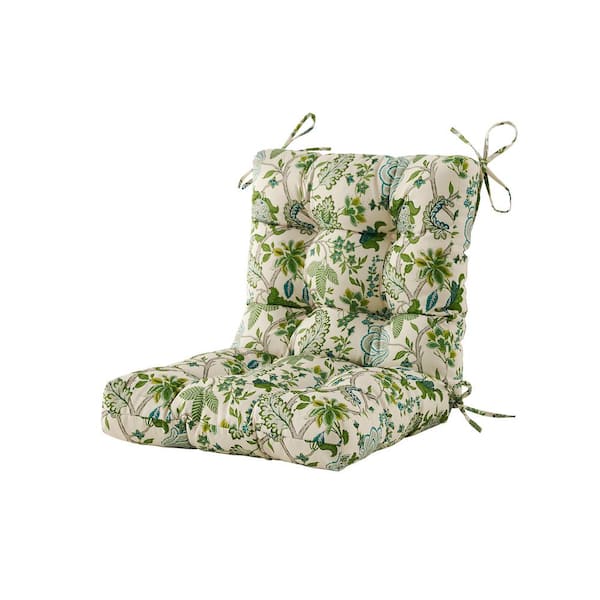
Credit: www.homedepot.com
Assembling The Cushions
Assembling the cushions is an important step in renewing your outdoor wicker furniture. This process brings together the soft foam and the durable fabric covers. Proper assembly ensures comfort and longevity for your cushions. Follow each step carefully to get the best result.
Inserting Foam Into Covers
Start by choosing foam that fits your cushion covers well. Gently slide the foam inside each cover. Push the foam evenly to fill all corners. Avoid forcing the foam, which can damage the fabric. Smooth out any wrinkles or folds for a neat look.
Securing The Covers
Close the covers using zippers, buttons, or Velcro strips. Make sure the closure is tight to keep foam in place. Check the edges for any loose fabric or gaps. Reinforce weak spots by sewing if needed. A secure cover protects the foam from dirt and weather.
Final Adjustments
Place the cushion on the wicker furniture. Adjust the foam to fit the shape of the seat perfectly. Fluff and press the cushion for even comfort. Check all seams and closures again. Your cushion is now ready for use and looks great.
Maintenance Tips
Proper care keeps your outdoor cushions looking fresh and lasting longer. Regular maintenance stops dirt and damage from building up. Follow easy steps to clean and store cushions correctly. This helps protect your sewing work and fabric from fading or tearing.
Cleaning Outdoor Cushions
Remove loose dirt by brushing or shaking cushions outside. Use a mild soap mixed with water to spot clean stains. Gently scrub with a soft brush or cloth. Rinse with clean water and let cushions dry in the sun. Avoid harsh chemicals that can ruin fabric and thread. Clean cushions regularly to prevent mold and mildew growth.
Storing Cushions Off-season
Store cushions in a dry, cool place away from sunlight. Use breathable bags or containers to keep air flowing. Avoid plastic bags that trap moisture and cause mold. Make sure cushions are completely dry before storing. Check stored cushions every few months to keep them fresh. Proper storage preserves cushion shape and fabric quality.
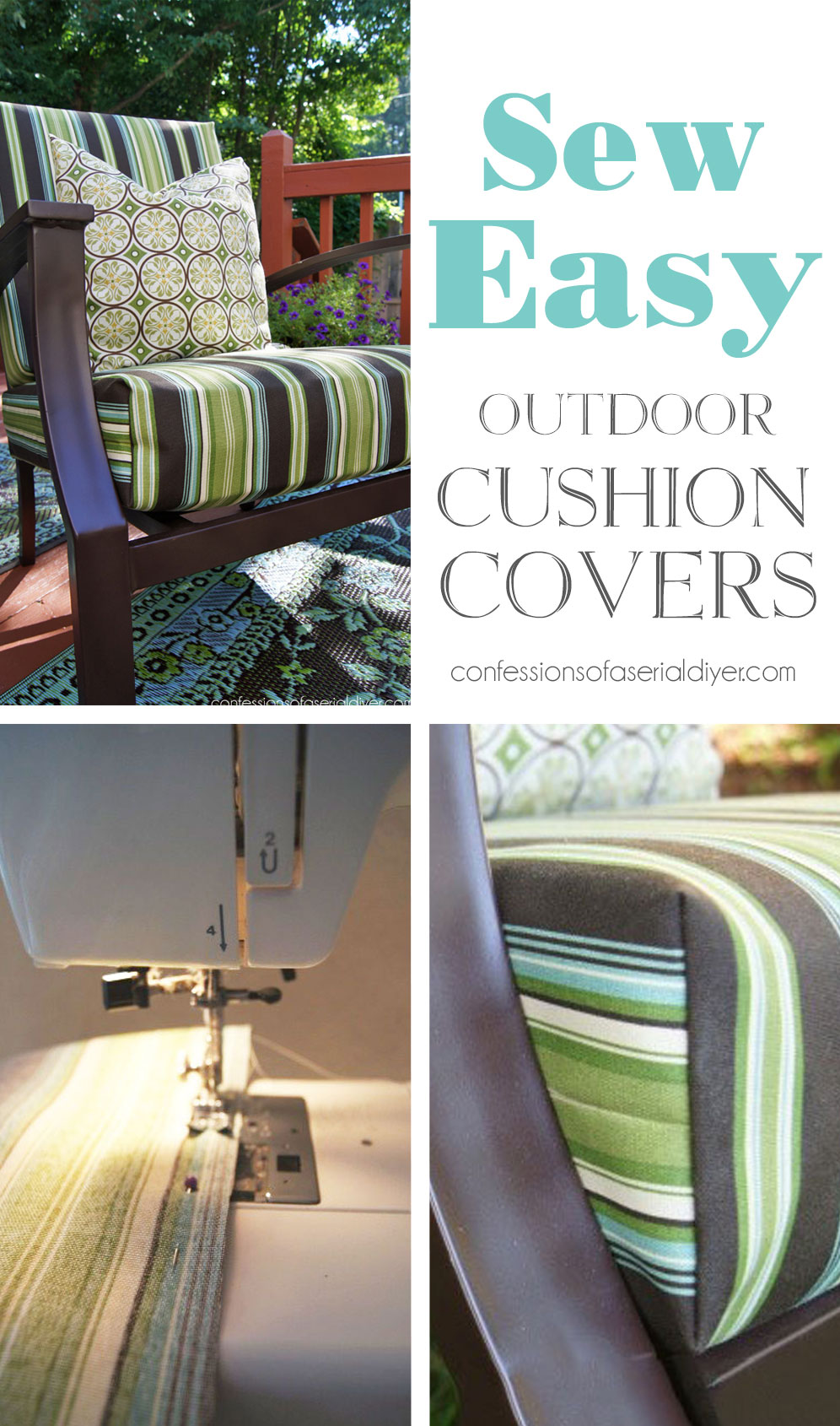
Credit: www.confessionsofaserialdiyer.com
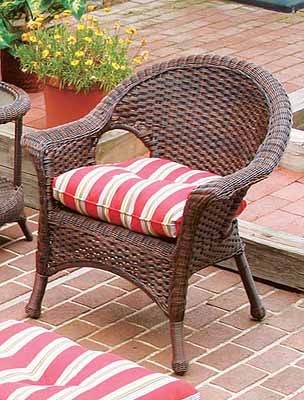
Credit: www.nogueiraadv.com.br
Frequently Asked Questions
How Do I Measure Cushions For Outdoor Wicker Furniture?
Measure the length, width, and thickness of the original cushion. Use a tape measure for accurate dimensions. Record all measurements before buying fabric or foam.
What Fabric Is Best For Outdoor Cushions?
Choose weather-resistant fabrics like Sunbrella or polyester blends. These fabrics resist fading, moisture, and mildew, ensuring durability outdoors.
How Do I Sew Waterproof Outdoor Cushions?
Use waterproof fabric and seam tape on stitches. Select water-resistant thread and sew with a tight stitch to prevent leaks.
What Type Of Foam Is Ideal For Outdoor Cushions?
High-density, quick-drying foam is best. It provides comfort and resists mold and mildew in outdoor conditions.
Conclusion
Sewing replacement cushions for outdoor wicker furniture saves money and adds comfort. You can choose fabric that lasts and looks great. Follow simple steps to cut, sew, and fit cushions perfectly. A little patience makes the process easier and fun.
Enjoy your refreshed furniture all season long. Try this project to make your outdoor space cozy and inviting.


