Are you tired of finding your outdoor furniture smelling like a litter box? Cats spraying around your patio can be frustrating and hard to stop.
But don’t worry—there are simple and effective ways you can protect your space. You’ll discover easy tips to keep cats away from your outdoor furniture, so you can enjoy your yard without worry. Keep reading to learn how to take back control and make your outdoor area a no-spray zone.
Credit: serwalloutdoor.com
Why Cats Spray Outdoors
Cats spray outdoors to mark their space and communicate. This behavior is natural but can cause frustration when it damages your outdoor furniture. Understanding why cats spray helps to manage and reduce this problem.
Territorial Behavior
Cats spray to mark their territory. The scent tells other cats to stay away. This helps them protect their home area. Outdoor furniture often becomes a target because it is in their space. Marking spots creates a boundary for the cat.
Stress And Anxiety
Stress can make cats spray more. Loud noises or new animals increase their anxiety. Spraying helps cats feel safer. The scent marks calm them and show control. Outdoor changes can trigger this behavior in cats.
Mating Instincts
Unneutered cats spray to attract mates. This is a strong natural drive. Male cats spray more to show their presence. Female cats may spray when in heat. Neutering reduces this behavior in most cases.
Identifying Cat Spray Signs
Knowing how to identify cat spray signs is key to protecting your outdoor furniture. Cats spray to mark their territory. This behavior can leave stains and smells on your belongings. Recognizing these signs early helps you act fast. It also keeps your outdoor space clean and fresh.
Visual Clues
Look for small wet spots on your furniture. Spray marks often appear on vertical surfaces. Check cushions, wooden parts, and metal frames. Sometimes, the spots look yellow or dark when dry. Scratches or disturbed areas may also be nearby.
Smell And Markings
Cat spray has a strong, sharp odor. The smell is usually sour and ammonia-like. It can linger for days if not cleaned. Use your nose to find hidden spray spots. Smell near corners, seams, and under cushions. Faint yellow stains often appear with the smell.
Timing And Patterns
Notice when spray marks appear. Cats often spray at night or early morning. Some cats spray after fights or stress. Watch for repeated marks in the same spots. This pattern helps you predict and prevent future spraying.
Preventive Measures For Outdoor Furniture
Keeping cats from spraying your outdoor furniture takes effort and care. Preventive steps protect your furniture and keep your yard pleasant. These measures stop cats from marking their territory near your seating areas. Use a combination of cleaning, barriers, and sprays for best results.
Cleaning And Deodorizing
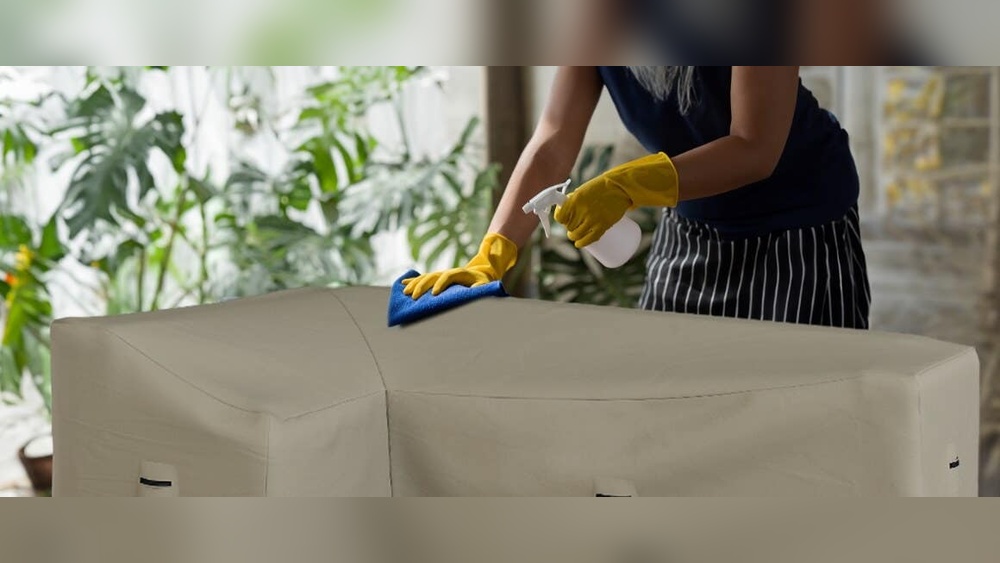
Remove any existing cat spray quickly. Use a cleaner designed for pet odors. Regular soap and water might not remove the smell fully. Enzyme-based cleaners break down urine molecules. This stops cats from returning to the same spot. Clean your furniture often to keep it fresh.
Physical Barriers
Block cats from reaching your furniture. Place mesh or netting around chairs and tables. Use garden fencing to create a cat-free zone. Cover cushions with plastic when not in use. Cats avoid surfaces that feel uncomfortable or slippery. Barriers reduce the chance of spraying nearby.
Deterrent Sprays
Spray safe cat repellents on and around furniture. These sprays have smells cats dislike but are harmless. Reapply after rain or heavy dew. Try natural options like citrus or vinegar scents. Deterrent sprays work best with other preventive actions. They keep cats away without harm.

Credit: jardina.com
Natural Repellents That Work
Natural repellents offer a safe and gentle way to keep cats from spraying your outdoor furniture. These options use smells and tastes that cats dislike but are harmless to them and the environment. Using natural repellents avoids harsh chemicals and protects your garden’s health.
Try these simple and effective natural solutions to protect your outdoor furniture from cat spray. They are easy to apply and often use ingredients you already have at home.
Citrus Scents
Cats dislike the smell of citrus fruits like oranges, lemons, and limes. Rubbing citrus peels on your furniture or placing them nearby can keep cats away. You can also use citrus essential oils diluted in water as a spray. The fresh, sharp scent drives cats off without harming plants or pets.
Vinegar Solutions
Vinegar is a strong-smelling liquid cats avoid. Mix equal parts of white vinegar and water in a spray bottle. Spray this on or around your outdoor furniture. The smell fades quickly for humans but stays unpleasant for cats. Avoid spraying directly on fabric to prevent damage.
Herbal Options
Certain herbs like rosemary, lavender, and rue can repel cats naturally. Plant these herbs near your furniture or use dried leaves in sachets. The natural oils in these herbs create a scent barrier cats avoid. They also add beauty and fragrance to your outdoor space.
Behavioral Solutions For Cats
Cats spray to mark their territory. This behavior helps them feel safe and secure. Changing this habit requires patience and understanding. Behavioral solutions focus on meeting your cat’s needs. These steps reduce spraying and protect your outdoor furniture.
Providing Alternative Marking Areas
Offer your cat a special place to mark. Use a small outdoor spot with soft soil or grass. Cats like to spray where they feel safe. Place some of their scent, like used bedding, there. This encourages them to use the new area instead of furniture.
Reducing Stress Factors
Stress often causes cats to spray more. Loud noises, other animals, or new surroundings can upset them. Create a calm outdoor space with hiding spots and quiet zones. Spend time playing and comforting your cat. A relaxed cat sprays less and feels happier.
Spaying And Neutering Benefits
Spaying or neutering lowers the urge to spray. This surgery reduces hormones that trigger marking. Cats that are fixed usually spray less outdoors. It also improves their health and behavior overall. Consult a vet to discuss the best time for this procedure.
When To Seek Professional Help
Sometimes, stopping cats from spraying your outdoor furniture needs more than home solutions. Persistent spraying can signal health or behavioral problems. Professional help can guide you to the right fix. Here are signs that you should seek expert advice.
Veterinary Advice
Spraying may mean a medical issue. Cats with urinary infections often spray more. A vet can check your cat’s health. They can diagnose and treat infections or other problems. Treatment can reduce spraying caused by pain or stress. Always get a vet’s opinion if spraying starts suddenly or increases.
Animal Control Options
Stray or neighborhood cats may cause spraying on your furniture. Animal control can help manage these cats safely. They may trap and relocate animals to reduce problems. Local authorities can also provide advice on cat laws. Contact animal control if you cannot stop outdoor spraying yourself.

Credit: www.polywood.com
Frequently Asked Questions
How Can I Stop Cats From Spraying Outdoor Furniture?
Use cat repellents, citrus peels, or motion-activated sprinklers. Clean furniture with enzyme cleaners to remove scent marks. Create barriers or cover furniture to deter cats from accessing it.
Why Do Cats Spray Outdoor Furniture?
Cats spray to mark territory, communicate, or signal stress. Outdoor furniture often becomes a target due to its scent and location. Understanding this helps in applying effective prevention methods.
Are Natural Cat Repellents Effective For Outdoor Furniture?
Yes, natural repellents like citrus, vinegar, or lavender can deter cats. They dislike strong smells and avoid treated areas. Regular application improves effectiveness and keeps cats away from furniture.
Can Motion-activated Devices Prevent Cat Spraying?
Motion-activated sprinklers or ultrasonic devices can scare cats away. These tools startle cats without harm, discouraging repeated spraying. Proper placement near furniture enhances protection and reduces unwanted behavior.
Conclusion
Stopping cats from spraying your outdoor furniture takes patience and care. Use natural repellents or cover the furniture to keep cats away. Regular cleaning helps remove scent marks that attract cats back. Try motion-activated sprinklers or ultrasonic devices to gently scare cats off.
Remember, kindness works better than harsh methods. Protect your outdoor space and enjoy it without worry. Small steps make a big difference over time. Keep trying until you find what works best for your home.