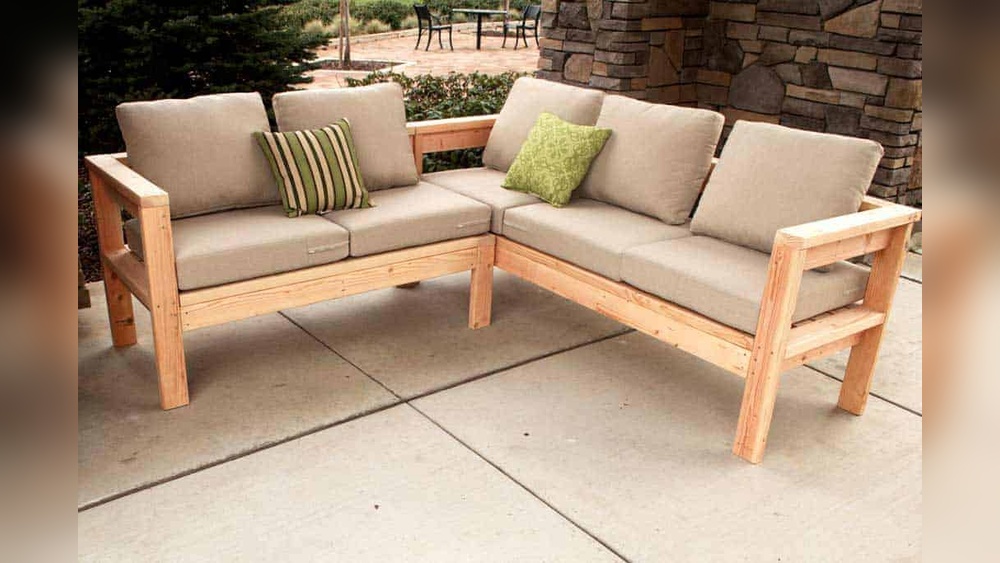
Are you thinking about choosing the right wood for your outdoor furniture? Birch might be on your list, but is it really a good choice for your patio or garden?
You want furniture that looks great, lasts long, and stands up to the weather. You’ll discover the truth about birch wood—its strengths, weaknesses, and whether it can handle the outdoor life. By the end, you’ll know if birch is the smart pick for your outdoor space or if another option would serve you better.
Keep reading to make the best decision for your home and your comfort.

Credit: www.worldmarket.com
Birch Wood Characteristics
Birch wood is a popular choice for furniture makers. It offers a mix of strength and beauty. Understanding its characteristics helps decide if it suits outdoor furniture. Birch wood has unique features that affect its use and care.
These features include its grain, color, and how well it stands up to weather. Each plays a key role in outdoor furniture’s look and lifespan.
Grain And Texture
Birch wood has a fine and even grain. Its texture is smooth and consistent. This makes it easy to work with. Craftsmen can shape and finish it neatly. The grain pattern also adds subtle beauty to furniture surfaces.
The smooth texture feels pleasant to touch. It accepts paint and stains well. This helps protect the wood and enhance its appearance.
Color And Appearance
Birch wood ranges from pale yellow to light brown. Its color is warm and inviting. Over time, sunlight can slightly darken the wood. This natural change adds character to the furniture.
The wood’s light tone fits many outdoor styles. It blends well with nature and garden settings. Birch’s clean look can match both modern and classic designs.
Natural Durability
Birch is a hard and dense wood. It resists dents and scratches better than softer woods. Still, it is not highly resistant to moisture. Without proper treatment, it can absorb water and swell.
Treating birch wood with sealants or finishes improves its durability. This protects against rain, sun, and insects. Proper care helps birch furniture last longer outside.
Durability In Outdoor Settings
Birch wood is popular for indoor furniture, but its use outside needs careful thought. Outdoor furniture faces many challenges. It must stand up to rain, sun, and insects. Durability in outdoor settings means the wood lasts long and stays strong. Birch has some good qualities but also some limits. Understanding these helps choose the right furniture for your space.
Resistance To Moisture
Birch wood absorbs water more than some other woods. This makes it swell and warp. Without proper sealing, moisture can damage the wood quickly. Outdoor use demands strong water resistance. Birch needs a good finish to keep water out. Regular maintenance helps prevent water damage and keeps the wood stable.
Impact Of Weather Conditions
Sunlight can fade birch’s color over time. Heat may cause cracking or splitting. Cold weather can make the wood brittle. Rain and snow worsen these effects by soaking into the wood. Birch does not handle extreme weather well on its own. Protection like covers or sheltered spots can extend its life outdoors.
Pest And Rot Vulnerability
Birch is not very resistant to insects or rot. Wood-boring bugs can damage it easily. Moist environments increase the risk of rot and decay. Treating birch with preservatives helps but does not eliminate risks. Frequent checks and care are needed to avoid pest and rot problems in outdoor furniture.
Comparing Birch To Other Woods
Choosing the right wood for outdoor furniture is important. Birch is popular but how does it compare to other woods? This section looks at birch against common woods used outside. It helps you understand the strengths and weaknesses of each type.
Hardwoods Vs Softwoods
Birch is a hardwood, known for its strength and smooth texture. Hardwoods are generally tougher and last longer outdoors. Softwoods, like pine, are lighter and less dense. They may not resist weather as well as hardwoods. Birch offers good durability but needs proper treatment to handle moisture and insects.
Birch Vs Teak And Cedar
Teak is famous for outdoor use due to natural oils that resist water and bugs. It stays strong and looks good without much care. Cedar is a softwood with natural oils too. It resists rot and insects and smells nice. Birch needs sealing and regular maintenance to keep its look and strength. It is less resistant to weather than teak and cedar.
Cost And Availability
Birch is often cheaper than teak and cedar. It is widely available in many regions. Teak is expensive because it grows slowly and is imported. Cedar can cost more than birch but less than teak. Birch is a budget-friendly choice but needs care to last outdoors. Teak and cedar offer more natural protection but come at a higher price.
Enhancing Birch For Outdoor Use
Birch wood is beautiful but not naturally strong against outdoor weather. Enhancing birch for outdoor furniture makes it last longer. Proper care and treatment help keep its look and strength outside.
This section explains how to protect birch wood and keep it durable in outdoor settings. Simple steps can greatly improve its performance.
Protective Finishes And Sealants
Applying a good finish blocks water and sun damage. Use outdoor varnish or polyurethane for strong protection. Sealants stop moisture from soaking into the wood. They keep birch from warping and cracking. Reapply finishes every year to maintain the shield.
Maintenance Tips
Clean birch furniture with mild soap and water. Avoid harsh chemicals that weaken the wood. Cover furniture during heavy rain or snow. Store it in a dry place if possible. Check for signs of damage often. Early repairs prevent bigger problems.
Longevity Improvements
Use wood preservatives to fight mold and insects. Sand surfaces lightly before applying finishes. This helps the sealant stick better. Elevate furniture slightly off the ground. This stops moisture from causing rot. Regular care can extend birch furniture life by years.
Design And Style Options
Birch wood offers many design and style options for outdoor furniture. It fits different tastes and settings. Its smooth texture and light color make it easy to work with. Birch can look fresh and modern or warm and classic. This wood adapts well to various styles.
Modern Vs Traditional Looks
Birch suits both modern and traditional designs. For modern styles, its clean lines and light tone create a bright, simple look. It pairs well with minimalist shapes and metal accents. Traditional designs benefit from birch’s fine grain and smooth finish. It can mimic more expensive woods while staying affordable and durable.
Customization Possibilities
Birch allows many customization options. It stains and paints easily, so colors can match any palette. Carving and shaping birch is simple, letting craftsmen add detailed touches. Furniture pieces can have unique patterns or smooth, sleek finishes. Birch’s flexibility makes it a great choice for creative outdoor projects.
Combining Birch With Other Materials
Birch blends well with different materials. Pairing it with metal creates a sturdy, modern look. Adding glass or stone highlights birch’s natural beauty. Mixing materials adds interest and texture to outdoor furniture. This combination can raise the style level and increase durability.

Credit: www.amazon.com
Sustainability And Environmental Impact
Birch wood is popular for outdoor furniture due to its strength and beauty. Sustainability and environmental impact matter a lot in choosing wood. Birch offers some eco-friendly benefits compared to other woods. Understanding how birch is sourced, treated, and disposed of helps you make better choices.
Sourcing Birch Responsibly
Responsibly sourced birch comes from well-managed forests. These forests follow rules to protect wildlife and plants. Trees are cut carefully to allow regrowth. Certified birch means the wood meets environmental standards. Using certified birch supports forest health and reduces harm.
Eco-friendly Treatments
Outdoor furniture must resist weather and insects. Eco-friendly treatments use natural oils or water-based products. These treatments avoid harmful chemicals that pollute soil and water. They keep the wood safe and last longer. Choosing treated birch reduces risk to the environment and health.
Recycling And Disposal
Birch wood can be recycled or composted after use. It breaks down faster than many synthetic materials. Old birch furniture can be repurposed into new items. Avoid burning treated wood to prevent toxic smoke. Proper disposal helps reduce waste and protect nature.

Credit: joybird.com
Frequently Asked Questions
Is Birch Wood Suitable For Outdoor Furniture?
Birch wood is moderately durable but not ideal for outdoor furniture. It lacks natural resistance to moisture and insects, requiring regular sealing and maintenance to prevent damage.
How Does Birch Compare To Other Outdoor Woods?
Compared to cedar or teak, birch is less weather-resistant. It’s more prone to warping and decay without proper treatment, making it less favorable for outdoor use.
What Maintenance Does Birch Outdoor Furniture Need?
Birch outdoor furniture needs frequent sealing and protective finishes. Regular cleaning and reapplication of sealants help prevent moisture damage and extend its lifespan outdoors.
Can Birch Furniture Withstand Harsh Weather Conditions?
Birch furniture struggles with harsh weather. Exposure to rain, sun, and humidity can cause warping and cracking unless it’s properly treated and maintained.
Conclusion
Birch wood offers a smooth and attractive look for outdoor furniture. It is strong but needs protection from water and sun. Treating birch with sealant helps it last longer outside. Regular care keeps the furniture looking fresh and sturdy. Choose birch if you want beauty with some maintenance.
It can fit well in many outdoor spaces. Think about weather and upkeep before deciding. Birch is a good option for those who enjoy natural wood charm.