Are you tired of uncomfortable sling back chairs ruining your outdoor relaxation? Imagine sinking into soft, custom cushions that fit your outdoor furniture perfectly.
Making your own sling back chair cushions is easier than you think—and it can transform your patio into a cozy retreat. In this guide, you’ll discover simple steps to create durable, stylish cushions that not only look great but also stand up to the elements.
Keep reading to learn how to upgrade your outdoor space with cushions designed just for your sling back chairs.
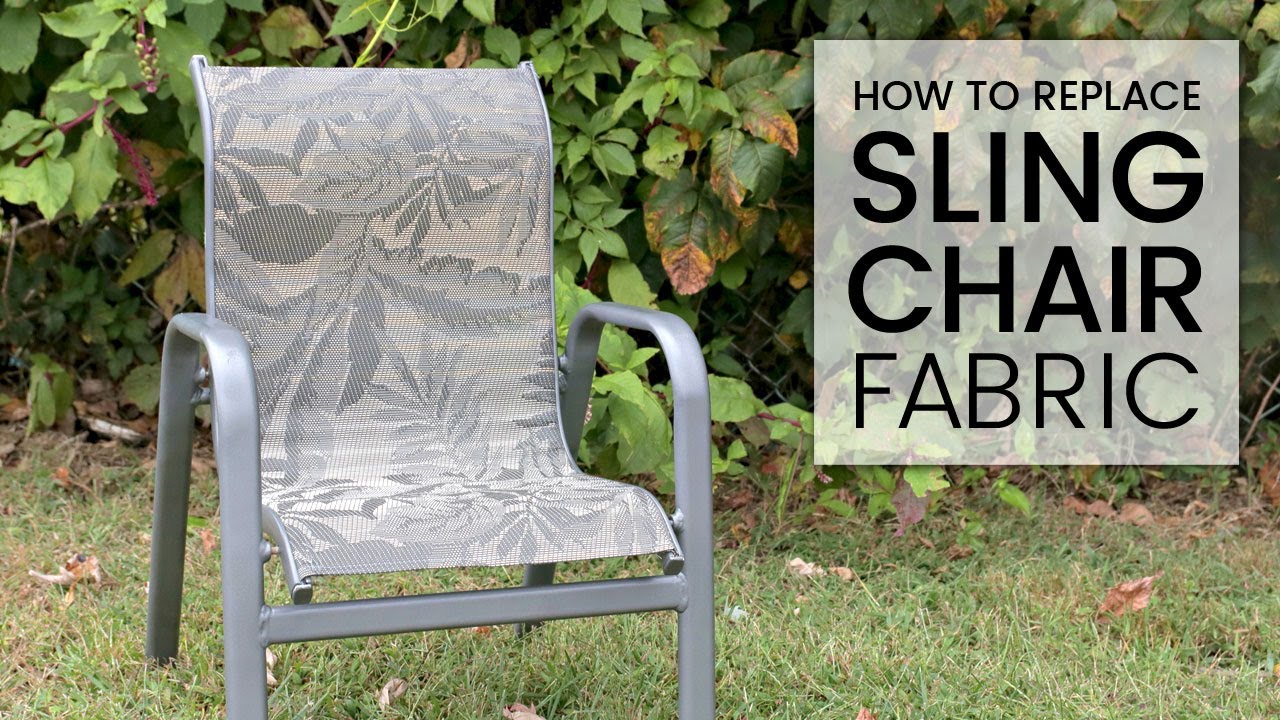
Credit: www.youtube.com
Choosing The Right Materials
Choosing the right materials is key to making durable and comfortable sling back chair cushions. The materials must handle outdoor weather and stay comfortable. Picking strong fabric, proper foam, and the right tools makes the project easier and the result better.
Selecting Outdoor Fabric
Choose fabric made for outdoor use. It should resist water, sun, and stains. Look for fabrics labeled as waterproof or water-resistant. Acrylic and polyester fabrics work well. They dry fast and do not fade easily. Dark colors hide dirt better. Pick fabric with a tight weave for strength.
Picking Suitable Foam
Use foam that can handle moisture and outdoor use. Quick-dry foam is best because it drains water fast. It also resists mold and mildew. Choose foam with medium firmness for comfort and support. Avoid regular indoor foam; it absorbs water and breaks down fast.
Essential Tools And Supplies
Gather these tools to make cushions efficiently. A sharp fabric scissors cuts clean edges. A staple gun attaches fabric to the frame. Use outdoor thread for sewing, as it resists weather. Measuring tape helps cut fabric and foam to the right size. A marker or chalk helps mark cutting lines clearly.
Measuring Your Sling Back Chair
Measuring your sling back chair is the first step to making perfect outdoor cushions. Accurate measurements ensure the cushions fit well and look great. Taking careful measurements helps avoid mistakes and saves time. Follow these simple steps to get the right dimensions for your cushions.
Taking Accurate Seat Dimensions
Start by measuring the seat width from one side to the other. Then measure the seat depth from the front edge to where the seat meets the backrest. Use a tape measure and keep it straight for accuracy. Write down these numbers clearly for reference.
Measuring Backrest Size
Measure the height of the backrest from the top edge to where it connects with the seat. Next, measure the width across the widest part of the backrest. These numbers help create a cushion that supports your back comfortably.
Accounting For Cushion Thickness
Decide how thick you want the cushions to be. Thicker cushions offer more comfort but need more fabric. Add this thickness to your seat and backrest measurements. This ensures the cushions will fit snugly without being too tight or loose.
Cutting Fabric And Foam
Cutting fabric and foam is a key step to create sling back chair cushions. Accurate cutting ensures the cushions fit perfectly and look neat. This step prepares the materials for sewing and assembling. Follow simple techniques for best results. Take your time to measure and cut carefully.
Marking Fabric Patterns
Start by laying your fabric flat on a clean surface. Use a fabric chalk or a pencil to mark the pattern. Place your paper pattern on the fabric and trace around it. Add extra space for seam allowance, usually one inch. Double-check the measurements before cutting. Mark any special details like zipper or flap locations clearly.
Cutting Foam To Size
Use a sharp knife or electric foam cutter for smooth edges. Place the foam on a flat surface and measure the exact size needed. Mark the foam lightly with a pen or chalk. Cut slowly and steadily to avoid jagged edges. Cut the foam slightly smaller than the fabric to allow for wrapping. Check the foam shape against the fabric pattern before proceeding.
Tips For Clean Cuts
Use sharp scissors or rotary cutters for fabric. Cut in one smooth motion without stopping. For foam, a serrated knife can help with thick pieces. Keep your cutting tools clean and sharp for better results. Support the material fully while cutting to prevent shifting. Practice on scrap pieces to improve your cutting skills.
Credit: www.homedepot.com
Sewing The Cushion Covers
Sewing the cushion covers is a key step to create durable outdoor cushions. This part shapes the fabric to fit the cushion perfectly. Good sewing keeps the cushion neat and ready for outdoor use. Simple stitches give strength and a clean look. Careful sewing helps cushions last longer and resist weather.
Choosing the right sewing techniques makes your cushion covers look professional. It also makes them easier to remove for washing. Each step adds to the cushion’s comfort and style. Let’s explore how to sew the covers well with simple methods.
Stitching Seams
Start by joining fabric pieces with straight seams. Use a strong thread made for outdoor fabric. Stitch close to the edge to avoid loose fabric. Backstitch at the start and end for extra hold. Keep stitches even and tight for a clean finish. A sewing machine helps make neat seams quickly. Check seams for gaps or holes before moving on.
Adding Zippers Or Velcro
Zippers or Velcro make covers easy to remove and wash. Choose a zipper that resists rust and fits the cushion size. Pin the zipper fabric to the cushion edge before sewing. Sew slowly to keep the zipper straight and secure. Velcro strips are simpler to attach with straight stitches. Attach Velcro firmly to avoid peeling off outdoors. Test the zipper or Velcro for smooth opening and closing.
Reinforcing Corners
Corners get the most stress and need extra care. Sew double stitches at each corner for strength. Add fabric patches inside corners for added support. Reinforced corners stop fabric from tearing or fraying. Use small, tight stitches to keep corners neat. Press corners flat with an iron for a sharp look. Strong corners help cushions keep their shape outdoors.
Assembling The Cushions
Assembling the cushions for your sling back chair is a simple task that completes your outdoor furniture project. This step ensures your cushions fit well and stay in place. Follow the instructions carefully for a neat, comfortable result.
Inserting Foam Into Covers
Start by preparing the foam pieces. Cut them to match the cushion covers if needed. Slide the foam slowly into each cover. Smooth the foam inside to avoid lumps. Make sure the foam fills all corners evenly.
Securing Cushions To Chairs
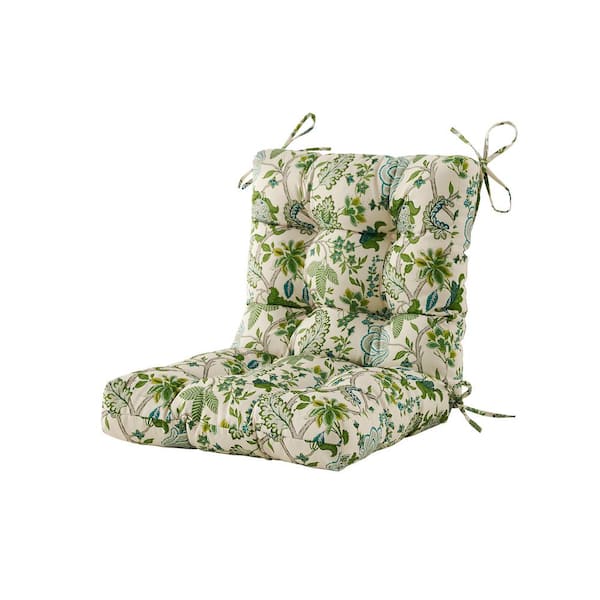
Attach the cushions to the sling back chair using ties or straps. Check if your cushion covers have built-in loops or ties. Fasten them tightly around the chair frame. This keeps cushions from slipping or blowing away in the wind.
Final Adjustments
Adjust the cushions to sit flat and even on the chair. Fluff the cushions gently to restore shape. Ensure the cushions feel comfortable and stable. Your sling back chair is now ready for use outdoors.

Credit: www.walmart.com
Maintenance And Care
Proper maintenance and care keep sling back chair cushions looking fresh and lasting longer. Clean cushions feel comfortable and add charm to outdoor spaces. Follow simple steps to protect cushions from dirt and sun damage. Store cushions correctly to avoid mold and wear. Small efforts extend cushion life and save money.
Cleaning Tips
Remove loose dirt with a soft brush or cloth. Use mild soap and warm water to clean stains. Avoid harsh chemicals that can damage fabric. Rinse thoroughly to remove soap residue. Let cushions dry completely in the sun before use. Clean cushions regularly to prevent dirt buildup.
Storage Suggestions
Store cushions in a dry, cool place when not in use. Use waterproof storage bags to protect from moisture. Avoid placing cushions directly on the ground. Keep cushions away from sharp objects to prevent tears. Store cushions inside during heavy rain or winter months.
Extending Cushion Life
Rotate cushions often to ensure even wear. Use fabric protectors to repel stains and water. Cover cushions with outdoor furniture covers when possible. Repair small tears or loose seams quickly. Air cushions regularly to prevent mold and odors.
Frequently Asked Questions
What Materials Are Best For Outdoor Sling Back Cushions?
Durable, weather-resistant fabrics like Sunbrella and polyester are ideal. They resist fading, moisture, and mildew, ensuring long-lasting cushions for sling back chairs outdoors.
How Do You Measure For Sling Back Chair Cushions?
Measure the width, depth, and thickness of the sling seat. Use these dimensions to cut fabric and foam accurately for a perfect fit.
Can I Make Cushions Water-resistant For Outdoor Use?
Yes, use water-resistant foam and fabrics. Adding a waterproof spray or lining enhances moisture protection for outdoor sling back chair cushions.
How Do You Secure Cushions On Sling Back Chairs?
Attach ties or Velcro strips to cushion edges. Secure them to the chair frame to prevent slipping or blowing away in the wind.
Conclusion
Making sling back chair cushions for outdoor use is simple and fun. Choose fabric that resists water and sun damage. Cut the foam and fabric carefully to fit your chair. Sew or glue pieces securely for long-lasting cushions. Add ties to keep cushions in place during wind.
These cushions will make your outdoor chairs more comfortable and inviting. Enjoy relaxing in your cozy, handmade furniture all season long. A little effort brings big comfort to your outdoor space.