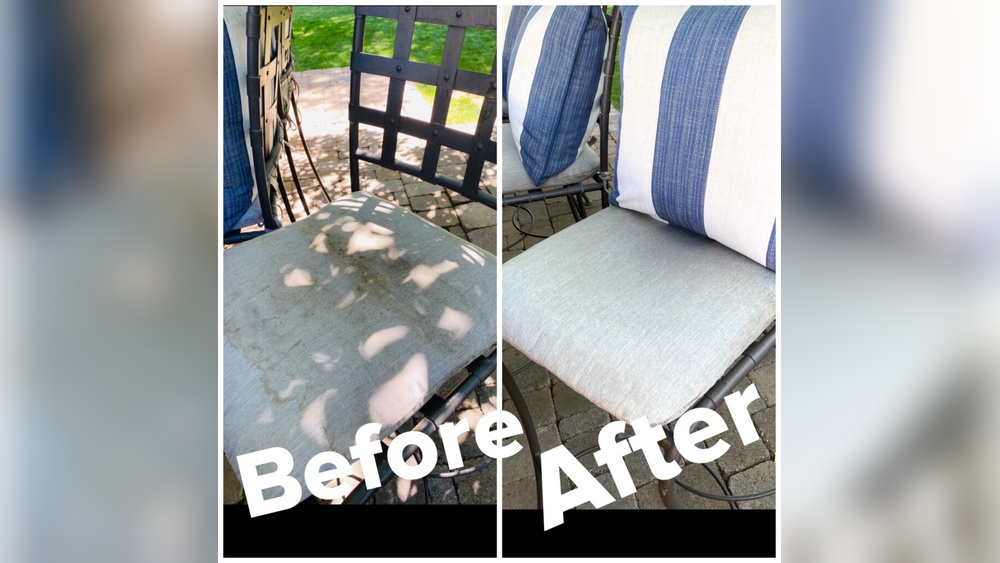
Your outdoor furniture cushions are where comfort meets style, making your patio or garden a favorite spot to relax. But over time, dirt, stains, and weather damage can make those cushions look tired and worn out.
You might be wondering, how do you clean outdoor furniture cushions without ruining them? The good news is, with the right tips and tricks, you can bring back their fresh, inviting look quickly and easily. Keep reading to discover simple steps that will help you restore your cushions and enjoy your outdoor space even more.
Types Of Outdoor Cushions
Outdoor cushions come in different types. Knowing these types helps in cleaning them properly. Cushions vary by fabric and filling. Each type needs a special care method. Understanding these differences keeps cushions fresh and long-lasting.
Fabric Varieties
Outdoor cushions use many fabrics. Common ones are polyester, acrylic, and olefin. Polyester is strong and dries fast. Acrylic resists fading and feels soft. Olefin is water-resistant and easy to clean. Some cushions have removable covers. These covers make washing easier. Always check fabric care tags for cleaning tips.
Foam And Filling Types
Foam is the main filling in cushions. Standard foam can hold water if not covered well. Quick-dry foam drains water fast and resists mold. Polyester fiberfill is soft and fluffy. It dries slowly and may need extra care. Some cushions use a mix of foam and fiberfill. Knowing the filling helps choose the right cleaning method.
Essential Cleaning Tools
Cleaning outdoor furniture cushions requires the right tools. Using proper tools makes the job easier. It helps to protect the fabric and keep cushions fresh. Choose tools that are gentle but effective. This section covers the essential cleaning tools for cushions.
Brushes And Cloths
Soft-bristled brushes remove dirt without damaging fabric. Use a brush with nylon or natural bristles. Avoid hard brushes that can tear cushions. Microfiber cloths are great for wiping dust and stains. They hold dirt and moisture well. Always use clean cloths to avoid spreading grime. A sponge can also help with gentle scrubbing. Choose tools that fit the cushion’s material and condition.
Cleaning Agents
Use mild soap or detergent to clean cushions. Harsh chemicals can weaken the fabric. Mix soap with warm water for better cleaning. Spot test any cleaner on a small area first. Avoid bleach unless the fabric allows it. Baking soda helps remove odors naturally. Vinegar works well for mildew but rinse thoroughly. Choose eco-friendly and safe cleaning agents whenever possible.
Pre-cleaning Preparation
Preparing your outdoor furniture cushions before cleaning saves time and effort. This step removes dirt and tests cleaning products for safety. Proper preparation ensures better cleaning results and protects cushion fabric.
Removing Loose Dirt
Start by shaking the cushions outside to remove dust and debris. Use a soft brush or vacuum with a brush attachment to clear away dirt. Removing loose dirt prevents it from embedding deeper during cleaning.
Spot Testing Cleaners
Apply a small amount of cleaner on a hidden area of the cushion. Wait a few minutes to see if the fabric color changes or gets damaged. Spot testing avoids ruining the entire cushion with harsh chemicals.

Credit: www.youtube.com
Cleaning Techniques For Fabric Cushions
Fabric cushions add comfort and style to outdoor furniture. Keeping them clean improves their look and lifespan. Different fabrics need different cleaning methods. Choose the right technique to avoid damage. Below are simple ways to clean fabric cushions safely.
Hand Washing Methods
Hand washing works well for delicate fabric cushions. Start by brushing off loose dirt. Use a mild soap mixed with warm water. Dip a soft brush or cloth into the solution. Gently scrub the cushion surface. Focus on stained or dirty spots. Rinse the cushion with clean water. Avoid soaking the cushion too much. Press out excess water carefully. Let the cushion air dry in shade. Direct sunlight can fade the fabric.
Machine Washing Tips
Some fabric cushions have removable covers suitable for machine wash. Check the care label before washing. Use a gentle cycle and cold water. Add a mild detergent without bleach. Avoid fabric softeners as they can harm fabrics. Wash cushions alone or with similar items. After washing, air dry covers to prevent shrinking. Do not use a dryer unless the label allows. Machine washing saves time and cleans deeply.
Dealing With Stains
Outdoor furniture cushions often face stains from food, drinks, dirt, and weather. Removing these stains quickly keeps cushions looking fresh and lasting longer. Understanding the right cleaning methods helps protect the fabric and maintain comfort.
Common Stain Treatments
Start by brushing off loose dirt or debris from the cushion surface. Mix mild soap with warm water in a bucket. Use a soft cloth or sponge to gently scrub the stained area. Avoid harsh scrubbing to prevent fabric damage.
For tough stains like grease or wine, apply a small amount of dish soap directly to the spot. Let it sit for 10 minutes. Then, scrub lightly and rinse with clean water. Always test cleaning products on a hidden area first.
Mold And Mildew Removal
Mold and mildew appear on cushions stored in damp places. Mix equal parts white vinegar and water in a spray bottle. Spray the affected areas thoroughly. Let it sit for 15 minutes to kill mold spores.
After soaking, scrub the cushion with a soft brush. Rinse with clean water and allow cushions to dry in the sun. Sunlight helps stop mold from growing back. Repeat treatment if mold stains persist.
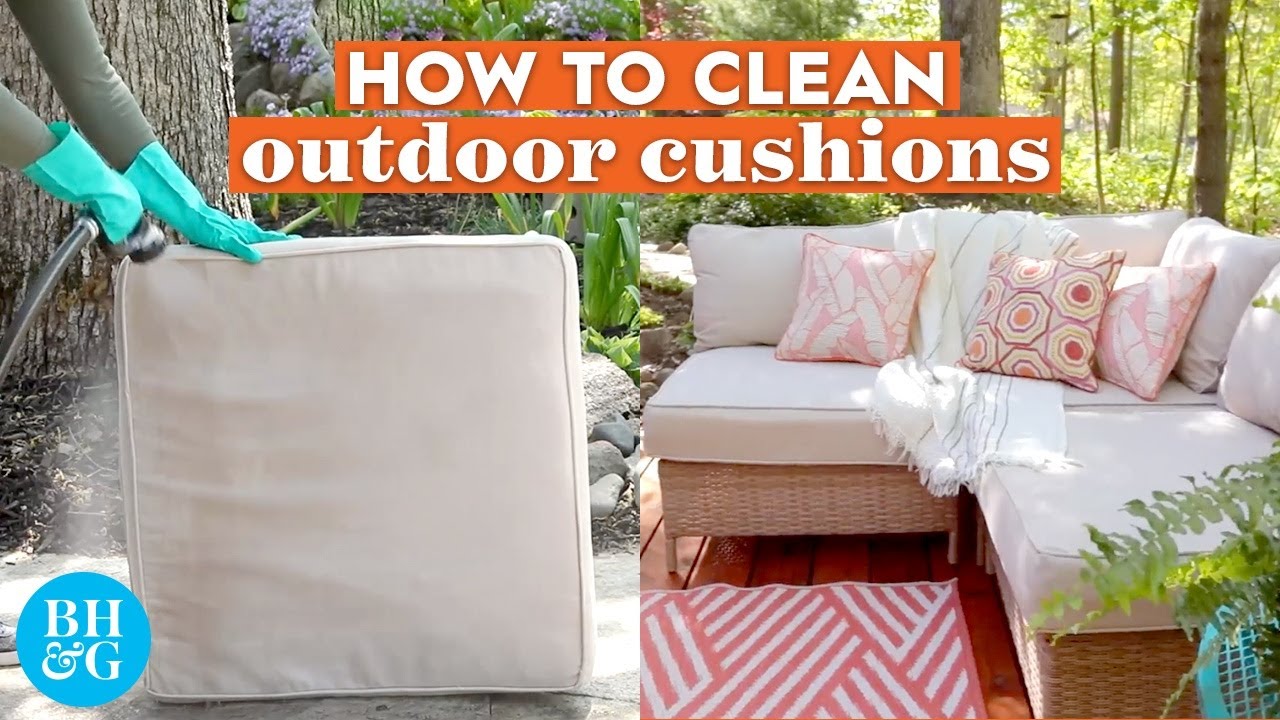
Credit: www.youtube.com
Drying And Maintenance
Drying and maintaining outdoor furniture cushions is key to keeping them fresh and lasting longer. Proper care stops mold, mildew, and damage from sun or rain. It also keeps cushions comfortable and clean for every use. Follow simple steps to dry and maintain cushions well.
Proper Drying Methods
After cleaning, dry cushions quickly to avoid mold growth. Lay cushions flat in a sunny, airy spot. Avoid direct sunlight for long periods to prevent fading. Flip cushions often to dry both sides evenly. Do not use a dryer or heat source. Let air do the drying naturally for best results.
Preventing Damage And Wear
Store cushions in a dry, shaded area when not in use. Use waterproof covers to protect from rain and dirt. Clean spills immediately to prevent stains. Avoid harsh chemicals that can weaken fabric. Regularly fluff cushions to keep their shape and comfort. Check for tears or damage and repair promptly.
Storage Tips For Longevity
Proper storage of outdoor furniture cushions extends their life and keeps them fresh. Cushions face dirt, sun, rain, and mildew. These elements can wear out the fabric and padding quickly. Storing them well protects against damage and keeps cushions comfy for years.
Seasonal Storage Ideas
Store cushions in a dry, cool place during off-seasons. Basements, garages, or closets work well. Avoid damp areas that cause mold or mildew. Use plastic bins or storage bags to keep dust and bugs away. Make sure cushions are clean and completely dry before storing. This prevents bad smells and stains. Rotate cushions occasionally to keep them in shape.
Protective Covers And Cases
Use covers made for outdoor cushions to shield them from dirt and moisture. Waterproof covers offer extra protection against rain and dew. Choose covers that fit snugly to avoid dirt buildup. When not in use, keep cushions inside these covers. This simple step stops fading and fabric damage. Store covers in a clean place when not needed to keep them effective.

Credit: smallishhome.com
Frequently Asked Questions
How Do I Remove Stains From Outdoor Cushions?
Use a mild detergent mixed with warm water to scrub stains gently. Rinse thoroughly and air dry to prevent mold.
Can I Machine Wash Outdoor Furniture Cushions?
Check the care label first. Most cushion covers are machine washable on a gentle cycle with mild detergent.
What Is The Best Way To Dry Outdoor Cushions?
Air drying in a shaded, well-ventilated area is best. Avoid direct sunlight to prevent fabric fading.
How Often Should Outdoor Cushions Be Cleaned?
Clean cushions every few weeks during heavy use and at least once a season for maintenance.
Conclusion
Cleaning outdoor furniture cushions keeps them fresh and lasts longer. Use gentle cleaners and soft brushes to avoid damage. Dry cushions completely before using or storing them. Regular cleaning helps prevent mold and stains. Keep cushions covered when not in use to protect from dirt and weather.
Simple care steps make your outdoor space look inviting. Enjoy your clean, comfortable cushions all season long.