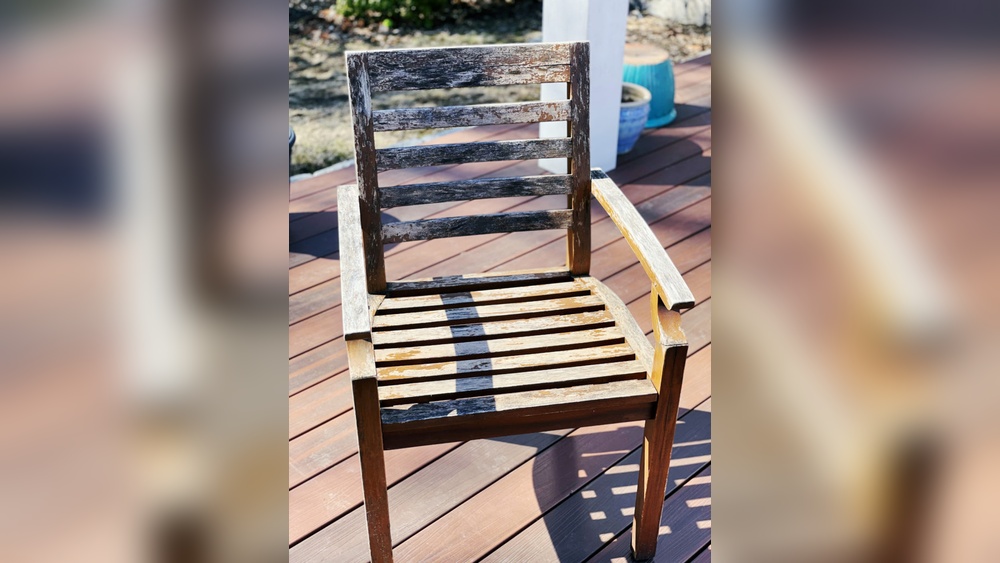
You’ve invested in beautiful outdoor teak furniture, and you want it to stay looking great for years. But here’s the question: should you varnish your teak pieces or let them age naturally?
Making the right choice can save you time, money, and frustration. You’ll discover the pros and cons of varnishing teak outdoors, so you can protect your furniture the smart way. Keep reading to find out what works best for your teak and how to keep it stunning season after season.
Benefits Of Varnishing Teak
Varnishing outdoor teak furniture adds a strong protective layer. It helps teak last longer outside. The finish stops damage from sun, rain, and dirt. Varnish also keeps the wood looking fresh and clean. Many choose varnish to keep their teak furniture beautiful year-round.
Varnishing is a smart choice for anyone with teak outdoors. It keeps the wood safe and looking good. The following points explain the main benefits of varnishing teak.
Enhancing Durability
Varnish forms a tough shield on teak surfaces. It makes the wood harder to scratch or chip. This protective coat helps teak resist daily wear and tear. Furniture lasts longer with less damage over time. Varnish also stops small cracks from forming and spreading.
Protecting Against Weather
Teak faces sun, rain, and wind outdoors. Varnish blocks water from soaking into the wood. It prevents swelling, warping, and rotting caused by moisture. The finish also reduces sun damage that fades and dries teak. This barrier keeps the wood strong through all seasons.
Maintaining Appearance
Varnish highlights teak’s natural golden color and grain. It prevents the wood from turning gray or dull. The shiny surface looks clean and polished for longer. Regular varnishing keeps teak furniture attractive without much effort. It helps your outdoor space look neat and inviting.
Natural Properties Of Teak
Teak is a popular choice for outdoor furniture. It has natural features that protect it from weather damage. These features make teak durable and low-maintenance. Understanding teak’s natural properties helps you decide about varnishing.
Oils And Water Resistance
Teak wood contains natural oils. These oils act as a shield against water. They stop water from soaking into the wood. This prevents warping and cracking. The oils also help fight mold and decay. This makes teak furniture last longer outdoors.
Aging And Color Changes
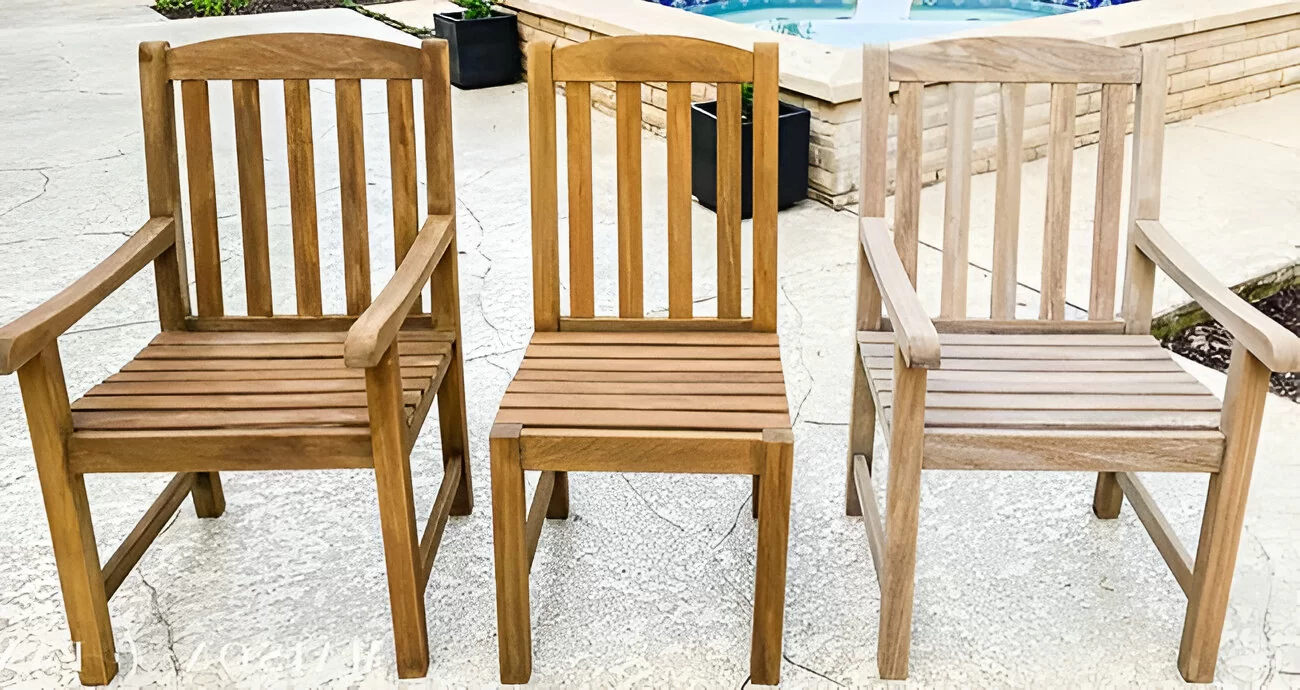
Teak changes color over time. It slowly turns a silver-gray shade. This natural aging does not damage the wood. Many people like the look of aged teak. The wood remains strong even with color changes. Varnish can stop this natural aging process.
Types Of Varnish For Teak
Choosing the right varnish for outdoor teak furniture affects its look and life. Different varnishes protect teak in unique ways. Understanding these types helps you pick the best one.
Oil-based Varnish
Oil-based varnish soaks into the wood deeply. It brings out the teak’s natural color and grain. This varnish lasts long and resists water well. It can yellow slightly over time, giving a warm tone. Applying oil-based varnish is simple but needs time to dry between coats.
Water-based Varnish
Water-based varnish dries quickly and smells less. It keeps the teak’s original color without yellowing. This varnish is clear and smooth after drying. It is less toxic and easier to clean with soap and water. It protects well but may need more frequent reapplication than oil-based varnish.
Spar Varnish
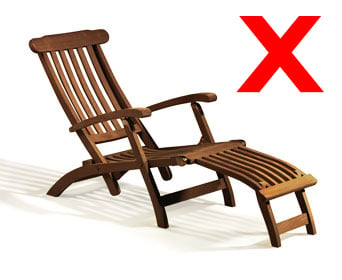
Spar varnish is made for outdoor use. It is flexible and moves with the wood as it expands and contracts. This varnish shields teak from sun, rain, and salt air. Spar varnish creates a hard, glossy finish that lasts long. It requires careful application with several thin coats.
Credit: www.cyan-teak-furniture.com
Application Tips
Applying varnish to outdoor teak furniture can protect it and keep it looking fresh. The right steps make a big difference. Follow these simple tips to get the best results.
Surface Preparation
Start by cleaning the teak surface thoroughly. Use a mild soap and water mix. Remove dirt, dust, and old finishes. Let the wood dry completely before varnishing. Sand lightly with fine-grit sandpaper to smooth rough spots. Wipe away dust with a clean cloth. A clean surface helps varnish stick better.
Choosing The Right Brush
Select a high-quality brush with natural bristles. It holds varnish well and spreads it evenly. Avoid cheap brushes that leave streaks or bristles behind. A good brush makes the job easier and the finish smoother. Use a size that fits the furniture’s details and curves.
Number Of Coats
Apply at least two coats of varnish for strong protection. Thin coats dry faster and prevent drips. Let each coat dry fully before adding the next. Lightly sand between coats to keep the surface smooth. More coats mean better durability and shine.
Maintenance After Varnishing
Varnishing outdoor teak furniture helps protect it from weather damage. Yet, the varnish needs care to keep the wood looking great. Proper maintenance after varnishing extends the life of your teak furniture. It also keeps the finish smooth and shiny for years. Regular cleaning and timely touch-ups are essential parts of this care.
Cleaning Methods
Clean the furniture gently with a soft cloth or sponge. Use mild soap mixed with water to remove dirt. Avoid harsh chemicals or abrasive tools that can damage the varnish. Rinse with clean water to wash away soap residue. Dry the surface completely with a soft towel to prevent water marks. Clean your furniture every few weeks to maintain its shine.
Touch-ups And Recoating
Check the varnish for any cracks or peeling areas. Light sanding smooths rough spots before reapplying varnish. Use a brush to apply a thin, even coat on worn sections. Let each layer dry fully before adding another. Recoat the entire piece every 1-2 years to keep full protection. Touch-ups stop damage early and keep teak looking fresh.
Credit: www.patioproductions.com
Alternatives To Varnishing
Varnishing is a common way to protect outdoor teak furniture. Still, many people want options that need less work or look more natural. There are good alternatives to varnishing that help keep teak furniture beautiful and strong outdoors. These methods suit different needs and styles.
Oiling Teak
Oiling teak keeps the wood rich and dark. It stops the wood from drying out and cracking. Apply teak oil with a clean cloth. Let it soak in for a few minutes. Wipe off extra oil to avoid sticky surfaces. Oiling needs to be done every few months. It gives furniture a warm, natural glow.
Leaving It Natural
Some people prefer teak to age naturally outside. Over time, teak turns a soft silver-gray color. This look is popular for outdoor furniture. It does not need any coating or treatment. Just clean the furniture with mild soap and water. Natural weathering protects teak from decay. It takes less effort but changes the original wood color.
Using Sealers
Sealers protect teak without a glossy finish. They block water and dirt from soaking into the wood. Sealers keep the wood’s original color longer than natural aging. Apply a sealer with a brush or spray. Let it dry fully before use. Sealers need reapplication once or twice a year. They offer good protection with a subtle look.
Common Mistakes To Avoid
Varnishing outdoor teak furniture can protect it and keep its beauty. Many make mistakes that harm the wood instead. Avoiding common errors helps your furniture last longer and look better.
Applying Varnish On Wet Wood
Never apply varnish on wet or damp teak wood. Moisture stops varnish from sticking well. It causes bubbles and peeling later. Always wait until the wood is fully dry before varnishing.
Skipping Surface Preparation
Cleaning and sanding the surface is a must. Dirt and old finish block varnish from bonding properly. Sanding smooths the wood and opens pores for better grip. Skipping this step makes the finish weak and uneven.
Ignoring Weather Conditions
Choose a dry day with mild temperatures to varnish. Rain or high humidity can ruin the finish. Strong sun can dry varnish too fast, causing cracks. Plan to varnish when the weather is calm and dry.

Credit: www.luxushomeandgarden.com
Frequently Asked Questions
Should You Varnish Outdoor Teak Furniture?
Varnishing outdoor teak furniture is optional. Teak has natural oils that protect it. Varnish adds extra protection and enhances shine. However, it can peel and require maintenance. Many prefer natural aging without varnish for a classic look.
How Often To Varnish Teak Outdoor Furniture?
If you choose to varnish, reapply every 6 to 12 months. Weather and sun exposure affect durability. Regular maintenance prevents peeling and keeps furniture looking fresh. Inspect your teak furniture twice yearly to decide if varnish is needed.
What Are The Benefits Of Varnishing Teak Furniture?
Varnish protects teak from moisture, UV rays, and dirt. It preserves color and prevents graying. It also makes cleaning easier. However, varnishing can hide teak’s natural texture and requires upkeep to avoid cracking or peeling.
Can Teak Furniture Survive Outdoors Without Varnish?
Yes, teak naturally withstands outdoor conditions. Its oils repel water and resist decay. Without varnish, teak will develop a silver-gray patina over time. This look is often preferred for a natural, weathered aesthetic.
Conclusion
Varnishing outdoor teak furniture helps protect it from weather damage. It keeps the wood looking fresh and smooth longer. But varnish needs regular care and reapplication. Without it, teak will slowly turn gray and rough. Some prefer the natural look of aged teak.
Choosing to varnish depends on your style and patience. Either way, teak remains strong and durable outdoors. Treat your furniture well to enjoy it for years. Simple steps make a big difference in its lifespan. Your teak can stay beautiful, with or without varnish.