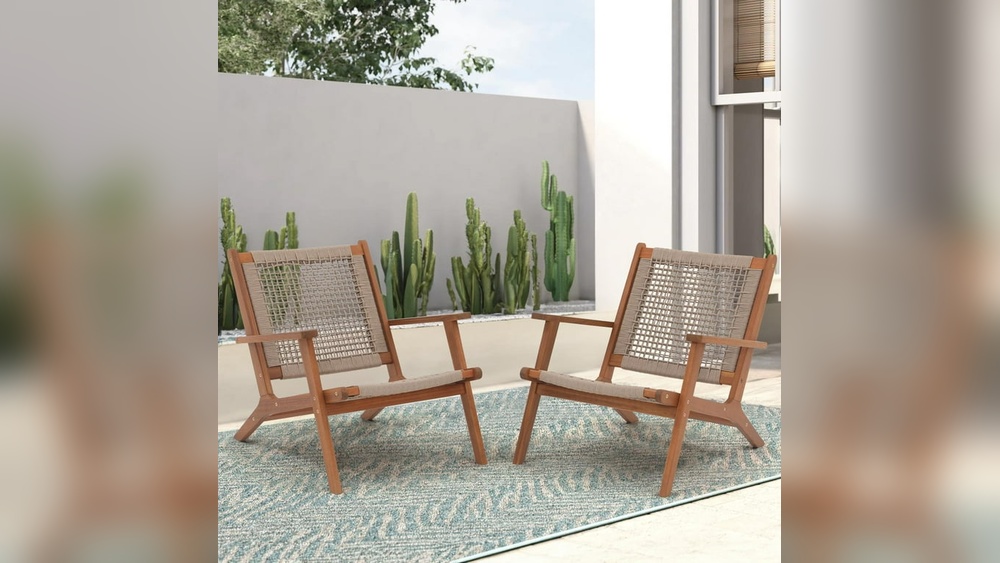
Your outdoor twine covered furniture adds a unique charm to your space, but over time, it can look dull and weathered. You might be wondering how to bring back that fresh, vibrant look without damaging the delicate twine.
Staining your furniture is the perfect solution to protect it and enhance its natural beauty. In this guide, you’ll discover simple, step-by-step tips to stain your outdoor twine furniture like a pro—making it look brand new and ready for many seasons to come.
Keep reading, and you’ll learn how to transform your furniture with ease and confidence.
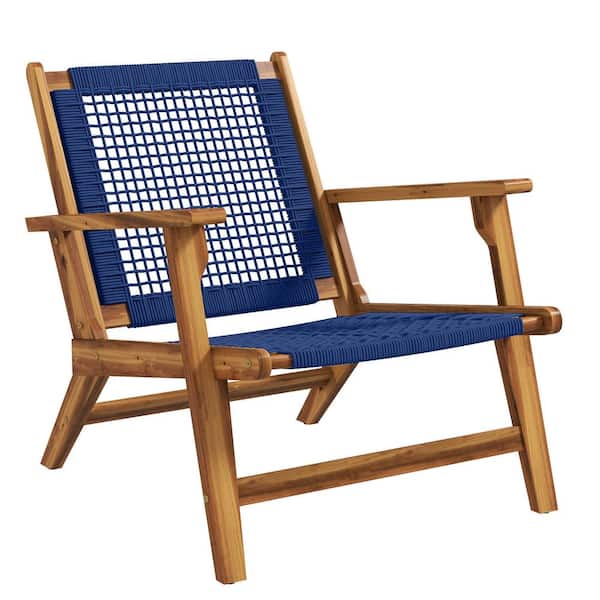
Credit: www.homedepot.com
Preparing The Furniture
Preparing outdoor twine covered furniture for staining is a key step. It helps the stain stick well and last longer. Clean and smooth twine makes the furniture look fresh and neat. Proper prep also protects other parts of the furniture and nearby items.
Take your time with each step. Careful preparation brings the best results. Here is how to get started.
Cleaning The Twine Surface
Start by removing dirt and dust from the twine. Use a soft brush or cloth. Gently sweep the surface to avoid damage. For stubborn dirt, mix mild soap with water. Lightly scrub the twine and rinse well. Let the furniture dry completely before moving on.
Sanding For Better Adhesion
Light sanding helps the stain stick to the twine. Use fine-grit sandpaper for this task. Sand gently in the twine’s direction. This roughens the surface just enough. Avoid heavy sanding to prevent fraying. After sanding, wipe off dust with a clean cloth.
Protecting Surrounding Areas
Cover nearby parts to avoid unwanted stain marks. Use painter’s tape around wooden or metal frames. Lay down drop cloths under the furniture. These protect the ground from spills. Take care to shield plants or other outdoor items close by.
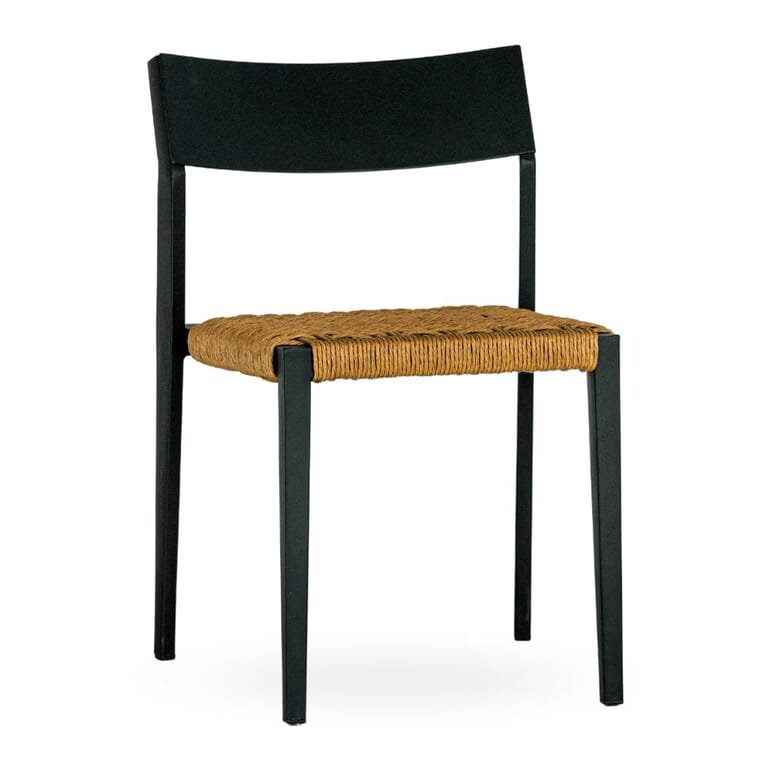
Credit: www.superiorseating.com
Choosing The Right Stain
Choosing the right stain for your outdoor twine-covered furniture is important. It helps protect the twine and keeps it looking good for a long time. The right stain also makes the furniture stronger against weather damage. Picking the best type of stain and color helps your furniture match your outdoor space. It also keeps the twine safe from water and sun damage.
Types Of Stains Suitable For Twine
Oil-based stains soak well into twine and last longer outdoors. They protect the twine from moisture and dirt. Water-based stains dry faster and clean up easily with water. They are less smelly and safer to use. Transparent stains keep the natural look of the twine. Semi-transparent stains add a little color while showing the twine’s texture. Solid stains cover the twine fully and hide imperfections.
Color Selection Tips
Choose colors that match your outdoor space and style. Light colors reflect sunlight and keep the twine cool. Dark colors absorb heat and may fade faster. Natural browns and tans highlight the twine’s natural fibers. Bright colors add a fun, fresh look to your furniture. Test stain color on a small twine piece first. This helps you see the final look before staining everything.
Waterproof And Uv Protection
Twine furniture faces rain, sun, and dust outdoors. Choose stains with waterproof properties to stop water damage. UV protection prevents the twine from fading or cracking. These stains keep the twine strong and looking new longer. Reapply stains with UV and water protection every year. This keeps the furniture ready for all weather conditions.
Applying The Stain
Applying the stain to your outdoor twine covered furniture needs care and patience. Proper staining improves the look and protects the material. This process involves the right tools, clear steps, and proper drying times. Follow these tips for a smooth and even finish.
Tools Needed For Staining
- Soft-bristle brush
- Lint-free cloths
- Small paint roller (optional)
- Gloves to protect hands
- Drop cloth or newspaper
- Stain suitable for outdoor twine or natural fibers
- Bucket of clean water for cleanup
Step-by-step Application Process
Start by placing your furniture on a drop cloth to protect the ground. Put on gloves before handling the stain. Stir the stain well to mix the color evenly.
Use a soft-bristle brush or small roller to apply the stain gently. Work in small sections, covering the twine completely. Avoid soaking the twine; use thin, even coats.
Wipe off extra stain with a lint-free cloth to prevent buildup. Let the stain soak into the twine fibers slowly. Check for missed spots and touch up carefully.
Drying Times Between Coats
Wait at least 4 hours before applying a second coat. This time allows the stain to dry and absorb fully. If the weather is humid, wait longer to avoid sticky layers.
Apply additional coats as needed for color depth and protection. Always let each coat dry completely before the next. Drying in sunlight speeds up the process but avoid direct heat.
Sealing And Finishing
Sealing and finishing outdoor twine covered furniture protects it from weather and wear. It keeps the twine strong and the color fresh. This step is key for long-lasting beauty and durability.
Choose the right sealant and apply it carefully. Proper maintenance helps the furniture last through all seasons.
Selecting A Suitable Sealant
Pick a sealant made for outdoor use. Water-based sealants work well on twine. They dry fast and do not smell strong.
Clear sealants keep the twine color natural. Tinted sealants add a slight color shade. Check that the sealant blocks UV rays to avoid fading.
Application Techniques
Use a small brush or spray for even coating. Apply sealant in thin layers to avoid clumps. Let each layer dry fully before adding another.
Cover all surfaces, including hard-to-reach spots. Avoid heavy application that can make twine sticky. Work in a well-ventilated area for safety.
Maintenance Tips For Longevity
Clean furniture with a soft brush and mild soap. Avoid harsh chemicals that can damage the sealant. Reapply sealant every year or after heavy rain.
Store furniture indoors or cover it during winter. Check for cracks or peeling sealant and fix them quickly. Proper care keeps twine furniture looking good longer.
Common Mistakes To Avoid
Staining outdoor twine covered furniture can refresh its look and protect it from weather. Avoiding common mistakes ensures a smooth process and lasting results. Mistakes can cause uneven color, damage, or poor finish. Here are key errors to avoid.
Over-saturating The Twine
Applying too much stain causes drips and uneven color. The twine soaks up liquid quickly. Excess stain can make it sticky or soft. Use a small amount and apply thin coats. Let each coat dry before adding more.
Ignoring Weather Conditions
Staining in bad weather affects the finish. Rain or high humidity slows drying and can wash away stain. Strong sunlight may dry the stain too fast, causing cracks. Choose a dry day with mild temperatures for best results.
Skipping Prep Work
Not cleaning or sanding the twine leads to poor stain absorption. Dirt and old finish block the stain. Remove dust and debris before starting. Light sanding helps the stain stick better. Proper prep makes the finish last longer.
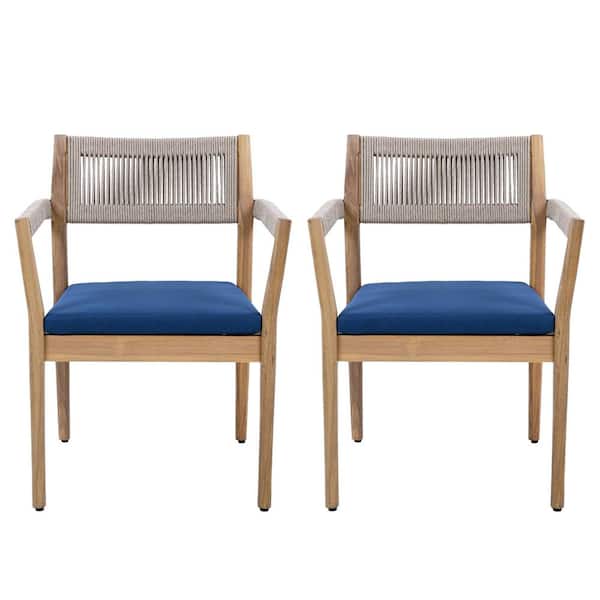
Credit: www.homedepot.com
Frequently Asked Questions
How Do I Prepare Outdoor Twine Furniture For Staining?
Clean the twine surface with mild soap and water. Let it dry completely. Remove dirt, dust, and debris to ensure even stain absorption.
What Type Of Stain Works Best On Twine Furniture?
Use a water-based or oil-based outdoor wood stain. These stains penetrate twine fibers well and provide protection against weather damage.
How Many Coats Of Stain Should I Apply?
Apply 2 to 3 thin coats for best results. Let each coat dry fully before applying the next one for even coverage.
Can I Stain Twine Furniture In Rainy Weather?
Avoid staining during rain or high humidity. Moisture prevents proper stain absorption and causes uneven drying or damage to the twine.
Conclusion
Staining outdoor twine furniture keeps it strong and looking fresh. Choose the right stain and apply it carefully. Let the furniture dry fully before use. Regular care helps protect against sun and rain damage. Simple steps bring new life to old pieces.
Enjoy your beautiful, well-maintained outdoor furniture all season long. Small efforts make a big difference. Try staining your twine furniture soon for lasting results.


