Is your painted outdoor furniture looking dull and spotted with mold? Mold not only ruins the look of your favorite pieces but can also cause damage over time.
You might be wondering how to clean it off without harming the paint. The good news is, with a few simple steps, you can restore your furniture’s fresh appearance and protect it for seasons to come. Keep reading, and you’ll learn easy, effective ways to tackle mold so your outdoor space stays inviting and beautiful all year long.
Causes Of Mold On Outdoor Furniture
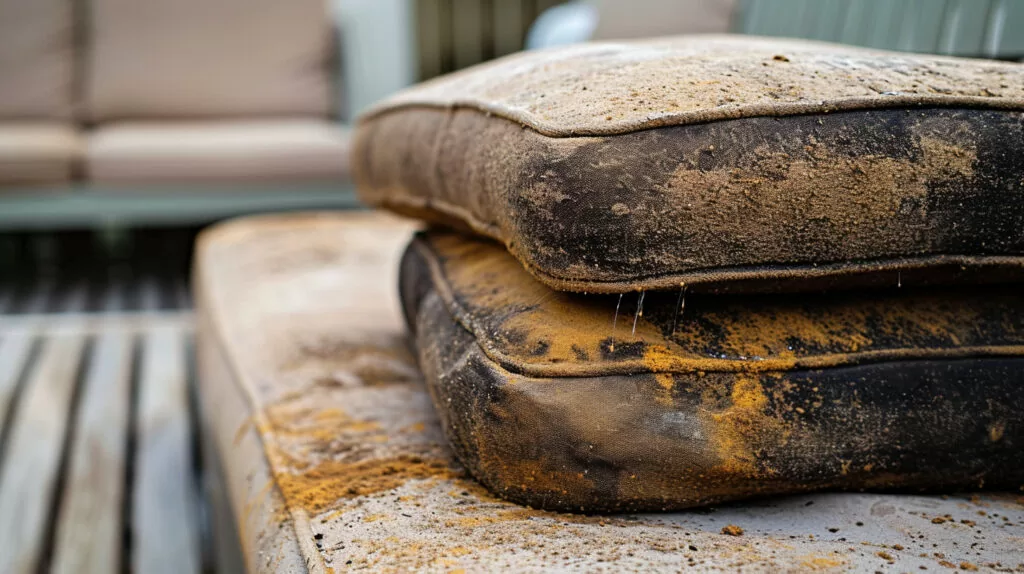
Mold grows on outdoor furniture mainly due to moisture and dirt. Painted surfaces can trap moisture, creating a perfect home for mold. Understanding what causes mold helps prevent damage and keeps furniture looking good. Let’s explore the main causes behind mold growth on painted outdoor furniture.
Common Mold Triggers
Mold needs moisture, warmth, and food to grow. Outdoor furniture often collects dirt, leaves, and dust. These materials provide nutrients mold needs. Rain, spills, and dew add moisture. Poor air circulation around furniture holds moisture longer. All these factors create a mold-friendly environment on painted surfaces.
Climate And Environment Effects
Humid and rainy climates increase mold risks. Wet weather keeps furniture damp for days. Shady areas block sunlight that dries furniture. Warm temperatures speed up mold growth. Coastal areas with salty air also affect paint and promote mold. Knowing your local climate helps you protect your furniture better.
Credit: www.patioproductions.com
Safety Precautions Before Cleaning
Cleaning mold off painted outdoor furniture can improve its look and lifespan. Mold can cause health problems and damage the paint. Taking safety steps before cleaning protects you and your furniture. Proper preparation helps the cleaning process go smoothly.
Protective Gear To Wear
Wear gloves to protect your hands from mold and cleaning chemicals. Use a mask to avoid breathing in mold spores. Safety goggles keep your eyes safe from splashes. Wear old clothes or a long-sleeve shirt to shield your skin. Proper gear reduces health risks during cleaning.
Preparing The Cleaning Area
Choose a well-ventilated outdoor spot to clean your furniture. Avoid enclosed spaces to reduce mold spore buildup. Move other items away to prevent damage or contamination. Cover nearby plants or surfaces to protect them from cleaning products. Clear space helps you clean effectively and safely.
Materials Needed For Cleaning
Cleaning mold from painted outdoor furniture needs the right materials. Using proper supplies makes the job easier and safer. Gather everything before you start to save time and avoid mistakes.
Household Cleaning Supplies
Simple items found at home can often clean mold well. You will need:
- Warm water
- Mild dish soap
- White vinegar
- Baking soda
- A soft brush or sponge
- Rubber gloves
- A bucket
- Clean cloths or towels
These materials help break down mold and protect your furniture paint. Gloves keep your hands safe during cleaning. Use soft brushes to avoid scratching the paint.
Specialized Mold Removal Products
Sometimes household supplies are not enough for tough mold. Specialized mold removers can target mold deeply. Look for products made for outdoor painted surfaces.
- Commercial mold cleaners
- Anti-fungal sprays
- Non-abrasive scrubbing pads
- Protective masks
Follow product instructions carefully to avoid damage. Protective masks help prevent breathing in mold spores. Choose products safe for your type of furniture paint.
Step-by-step Cleaning Process
Cleaning mold off painted outdoor furniture requires careful steps. Following a clear process helps protect the paint and removes mold effectively. The following guide breaks down each step for best results.
Initial Surface Preparation
Start by moving the furniture to a well-ventilated area. Use a soft brush to remove loose dirt and mold. Wear gloves and a mask to protect yourself from mold spores. Cover nearby plants to avoid contact with cleaning solutions.
Applying Cleaning Solutions
Choose a mild cleaning solution safe for painted surfaces. Mix water with white vinegar or a gentle detergent. Use a spray bottle to apply the solution evenly over the moldy areas. Let it sit for 10 to 15 minutes to break down the mold.
Scrubbing Techniques
Use a soft-bristle brush or sponge to scrub the surface gently. Work in small sections to avoid missing spots. Avoid harsh scrubbing that can damage the paint. Rinse the brush frequently to remove mold and dirt.
Rinsing And Drying
Rinse the furniture thoroughly with clean water. Remove all cleaning solution residues to prevent damage. Dry the furniture with a clean cloth or let it air dry in sunlight. Ensure the furniture is completely dry to stop mold from returning.
Natural Remedies For Mold Removal
Mold on painted outdoor furniture can spoil its look and cause damage. Natural remedies offer a safe way to clean mold without harsh chemicals. They are easy to make with simple ingredients found in most homes.
These natural options work well to remove mold and keep your furniture looking fresh. They also avoid harming the paint or the environment. Try these effective methods to clean mold gently and quickly.
Vinegar And Baking Soda Mix
White vinegar kills mold spores and stops growth. Mix one cup of vinegar with two tablespoons of baking soda. Add water to make a paste. Apply the paste to moldy spots with a soft brush. Let it sit for 10 minutes. Then scrub gently and rinse with water. This mix cleans mold without damaging paint.
Lemon Juice Applications
Lemon juice is a natural mold fighter with a fresh scent. Squeeze fresh lemon juice onto the moldy areas. Let it soak for 5 to 10 minutes. Wipe the surface with a clean cloth or soft brush. Rinse with water to remove residue. Lemon juice brightens paint and removes mold safely.
Preventing Mold Growth
Mold growth on painted outdoor furniture can cause damage and look unpleasant. Preventing mold is easier than cleaning it later. Keeping furniture dry and clean stops mold from growing.
Regular Maintenance Tips
Wipe down furniture every week with a damp cloth. Remove dirt and dust that hold moisture. Check for any signs of mold early. Clean small spots quickly to prevent spreading. Use mild soap and water for cleaning. Avoid harsh chemicals that can damage paint. Let furniture dry completely after cleaning. Keep cushions dry and clean too.
Proper Storage Methods
Store furniture in a dry, covered area during rainy seasons. Use waterproof covers that allow air flow. Avoid plastic covers that trap moisture. If possible, move furniture indoors during winter. Elevate furniture off the ground to prevent water pooling. Good air circulation helps stop mold growth. Store cushions separately in a dry place.
When To Seek Professional Help
Knowing when to seek professional help is important for cleaning mold on painted outdoor furniture. Some mold problems can be handled at home. Others need experts to avoid damage or health risks. Recognizing the signs of severe mold can save your furniture and protect your family.
Signs Of Severe Mold Infestation
Large patches of mold covering most of the furniture show a severe infestation. Mold that returns quickly after cleaning may indicate deep growth. A strong, musty smell often means mold is inside the material. If you see mold inside cracks or under paint layers, it is serious. Health issues like allergies or breathing problems after contact are warning signs.
Professional Cleaning Options
Professionals use special tools and solutions to remove mold safely. They can treat hidden mold inside wood or metal parts. Some services offer sealing and repainting after mold removal. Experts help prevent mold from coming back. Hiring a professional reduces the risk of damaging your furniture or spreading mold spores.
Credit: 30secondscleaners.com
Credit: www.atlantateak.com
Frequently Asked Questions
How Do I Safely Remove Mold From Painted Outdoor Furniture?
Use a mixture of mild detergent and water with a soft brush. Gently scrub the moldy areas, rinse with clean water, and dry thoroughly. Avoid harsh chemicals to protect the paint and prevent damage to the furniture surface.
What Household Products Kill Mold On Painted Surfaces?
White vinegar and baking soda effectively kill mold on painted outdoor furniture. Apply vinegar directly, let sit, then scrub with baking soda paste. Rinse well and dry. These natural cleaners are safe and eco-friendly options for mold removal.
Can Mold Damage Painted Outdoor Furniture?
Yes, mold can cause paint to peel, discolor, and deteriorate the surface. It also promotes wood rot and metal corrosion. Prompt cleaning prevents damage and extends the life of your painted outdoor furniture.
How Often Should I Clean Mold Off Outdoor Furniture?
Clean mold from painted outdoor furniture at least twice a year or after heavy rain. Regular maintenance prevents mold buildup and keeps furniture looking fresh and durable over time.
Conclusion
Cleaning mold off painted outdoor furniture keeps it looking fresh and new. Use gentle cleaners and soft brushes to avoid damage. Regular care stops mold from growing back fast. Dry the furniture well after washing. This simple routine saves money on repairs later.
Enjoy your clean, mold-free furniture all season long. Small steps make a big difference in outdoor care. Keep your space inviting and safe for everyone.