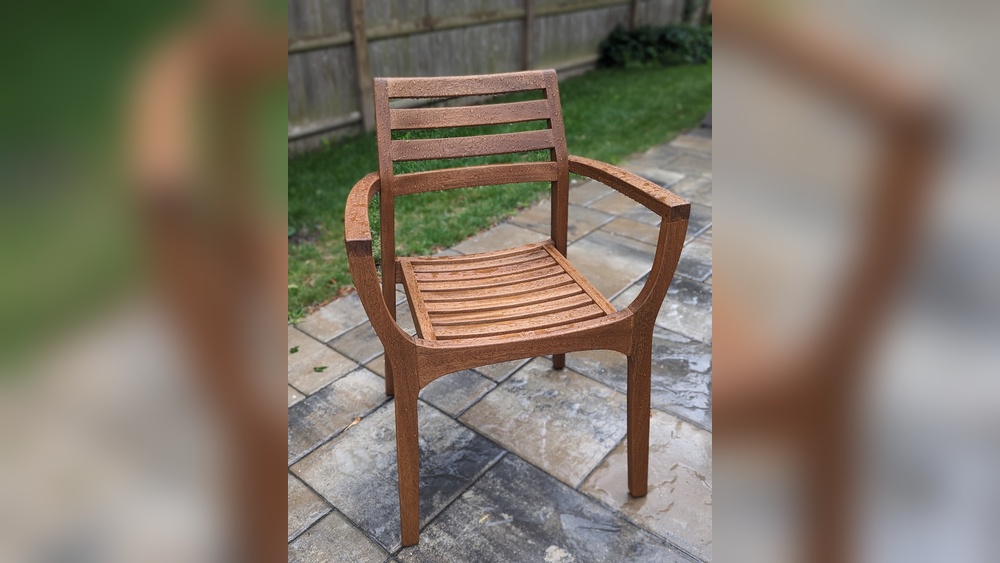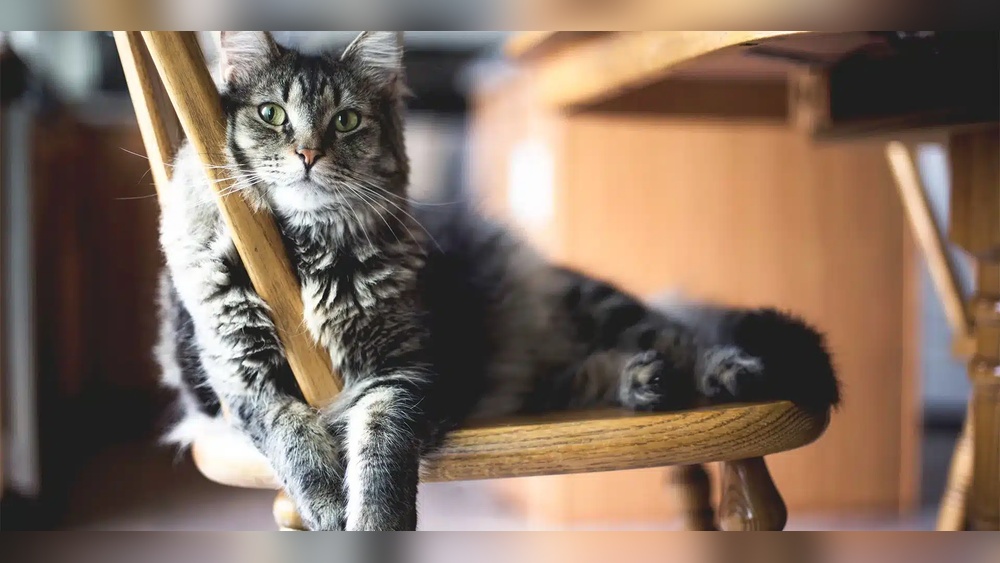
Are you tired of finding your outdoor furniture covered in cat hair or scratched up by curious paws? It’s frustrating when your relaxing space turns into a playground for neighborhood cats.
You want to enjoy your patio without worrying about your chairs becoming their favorite spot. Luckily, there are simple and effective ways to stop cats from sitting on your outdoor furniture—methods that work without harming the animals or damaging your yard.
Keep reading to discover easy tips you can use right now to protect your furniture and reclaim your outdoor space.

Credit: capitalcaptions.com
Reasons Cats Sit On Outdoor Furniture
Cats love to sit on outdoor furniture for many reasons. Understanding these reasons helps you find ways to keep them off. Cats choose spots that meet their needs for comfort, safety, and territory. Each reason shows why your cat picks that chair or table.
Comfort And Warmth
Outdoor furniture often stays warm from the sun. Cats enjoy warm places for resting and relaxing. Soft cushions add extra comfort for their paws and body. These spots help cats feel cozy while enjoying fresh air. Warmth and comfort make furniture very inviting for cats.
Territorial Behavior
Cats are territorial animals. They mark and claim spaces they like. Sitting on outdoor furniture shows ownership to other cats. This behavior helps them feel secure and in control. Your cat sees the furniture as part of its territory.
Safety And Observation
Elevated furniture offers a safe view of the surroundings. Cats watch for dangers and prey from high places. Sitting on chairs or tables helps them stay alert. Furniture gives them a good lookout point. This makes cats feel safer outside.
Physical Barriers To Keep Cats Away
Physical barriers are a simple way to stop cats from sitting on outdoor furniture. These barriers make the furniture less inviting or hard to access. They work without hurting the cats or using chemicals.
Using physical barriers can protect your furniture and keep cats away safely. Here are some common methods that work well.
Using Covers And Furniture Protectors
Covers and protectors shield your furniture from cats. Thick plastic or vinyl covers make surfaces slippery and uncomfortable. Cats dislike walking or sitting on smooth, cold materials.
Furniture protectors fit on armrests or cushions. They block cats from scratching or resting. Choose covers that are easy to clean and fit your furniture size.
Installing Cat Repellent Mats
Cat repellent mats have small plastic points or bumps. These create an uneven surface. Cats avoid stepping on these mats as they feel strange under their paws.
Place mats on seats, tables, or ledges where cats like to sit. The mats do not harm cats but keep them away. They are easy to remove when you want to use the furniture.
Creating Uncomfortable Surfaces
Changing the texture of your furniture can keep cats off. Use items like aluminum foil or double-sided tape. Cats do not like the feel of these materials on their paws.
Place these materials on common resting spots. This discourages cats from jumping or lying there. It is a cheap and effective way to protect your outdoor furniture.
Natural Deterrents Cats Avoid
Natural deterrents can help keep cats off your outdoor furniture. Cats dislike certain smells and tastes. These natural options create a barrier without harming the cats. Using these methods protects your furniture and respects the animals.
Citrus Scents And Essential Oils
Cats avoid strong citrus smells like orange, lemon, and lime. Placing peels on furniture can help keep them away. Essential oils like citronella, eucalyptus, and lavender also work well. Use a spray diluted with water to cover surfaces. Avoid applying oils directly to furniture to prevent damage.
Herbs And Plants That Repel Cats
Some herbs naturally repel cats. Planting rue, lavender, or rosemary near furniture can deter them. Coleus canina, called the “scaredy cat plant,” also works. These plants emit scents cats dislike. This method adds beauty and protection to your outdoor space.
Commercial Cat Repellents
Many safe commercial sprays repel cats using natural ingredients. These sprays often contain citrus or herbal extracts. Apply these repellents to furniture surfaces regularly. They provide an easy way to discourage cats without harm. Always follow the product instructions for best results.

Credit: www.nobles.edu
Behavioral Strategies To Deter Cats
Behavioral strategies help change how cats act around outdoor furniture. These methods guide cats to avoid sitting on your outdoor items. Using gentle and consistent approaches makes the process smooth. Focus on teaching cats new habits instead of punishment. Cats learn best when they feel safe and rewarded.
Positive Reinforcement For Alternative Areas
Reward cats when they use places other than your furniture. Give treats or petting when they sit in designated spots. Praise encourages cats to repeat good behavior. Set up a comfy cat bed or mat nearby. This method helps cats see new areas as safe and fun.
Using Motion-activated Sprays Or Noises
Install devices that spray water or make sounds when cats jump on furniture. These surprises discourage cats without harm. Cats dislike sudden noises or water sprays. Place devices where cats usually sit. Over time, cats learn to avoid these spots.
Providing Comfortable Alternatives
Offer cozy and inviting places for cats to relax outside. Use soft cushions, blankets, or cat trees. Place them in sunny or sheltered areas. Comfortable alternatives attract cats away from furniture. Changing the environment helps cats choose better spots.
Maintaining A Cat-free Outdoor Space
Maintaining a cat-free outdoor space helps protect your furniture and keeps your yard clean. Cats often choose outdoor furniture to rest or mark their spots. Creating an environment that is less attractive to cats takes effort and care. Consistent actions make a big difference in keeping cats away.
Regular Cleaning And Maintenance
Clean outdoor furniture regularly to remove scents that attract cats. Use mild soap and water to wash cushions and surfaces. Remove any leftover food or crumbs promptly. Keeping the area tidy discourages cats from returning.
Check for damage caused by cats and repair it quickly. Broken or loose parts can become inviting spots for cats. Regular cleaning also prevents dirt buildup, which cats may like to lie on.
Securing The Perimeter
Block entry points where cats can enter your yard. Use fences or barriers that cats cannot climb or squeeze through. Seal gaps under gates and walls to stop sneaky entrances. Creating a physical boundary limits cats’ access.
Consider planting cat-repellent plants near your furniture. Plants like lavender or rosemary can discourage cats naturally. These plants add beauty and help keep cats away.
Monitoring And Adjusting Deterrents
Observe how cats react to your deterrents and change them if needed. Some cats ignore certain smells or textures. Rotate deterrents like citrus peels or motion-activated sprays to stay effective.
Use safe and gentle methods only. Harsh treatments can harm animals or damage furniture. Regularly check and update your strategies to keep the outdoor space cat-free.
Credit: www.nytimes.com
Frequently Asked Questions
How Can I Keep Cats Off My Outdoor Furniture?
Use cat deterrents like citrus sprays or motion-activated devices. Cover furniture with plastic or aluminum foil. Provide alternative resting spots like cat trees nearby to redirect their attention.
Why Do Cats Sit On Outdoor Furniture?
Cats seek warmth, comfort, and elevated spots to observe their surroundings. Outdoor furniture offers a cozy, safe resting place and helps them feel secure while watching for potential threats.
What Natural Repellents Keep Cats Away From Furniture?
Citrus peels, vinegar, coffee grounds, and lavender repel cats naturally. These scents discourage cats from approaching and sitting on your outdoor furniture without harming them.
Is It Effective To Use Physical Barriers For Cats?
Yes, physical barriers like netting or furniture covers prevent cats from jumping onto outdoor furniture. Barriers create an uncomfortable surface, deterring cats while protecting your furniture.
Conclusion
Stopping cats from sitting on outdoor furniture takes patience and care. Use simple tricks like covers, scents, or gentle barriers. Keep trying different methods to see what works best. Cats will learn where they can and cannot go. Your furniture stays clean and safe.
Enjoy your outdoor space without unwanted guests. Small steps make a big difference.