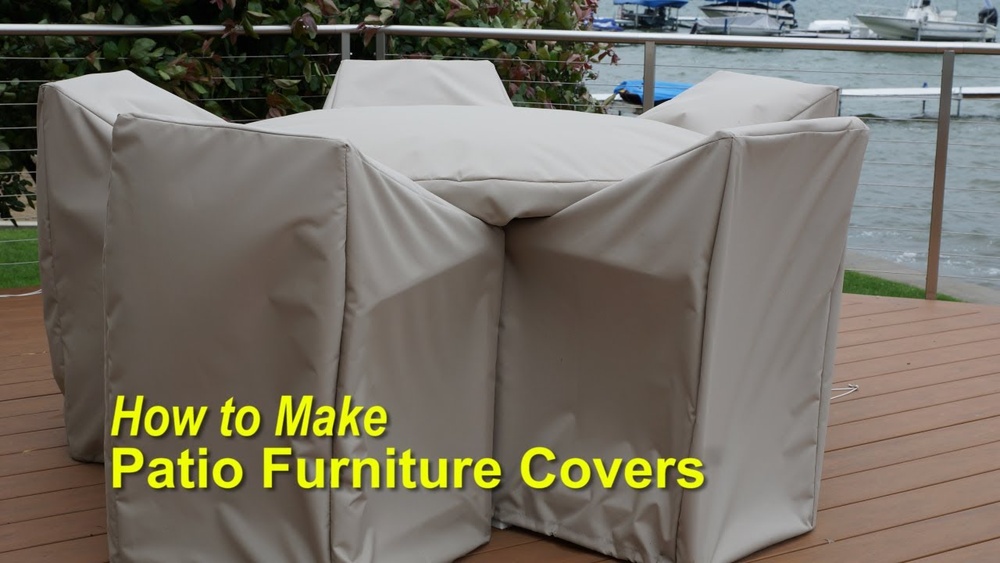
Your outdoor patio furniture is an investment you want to protect year-round. But harsh weather, dust, and dirt can quickly wear it down.
What if you could create your own custom covers that fit perfectly and keep your furniture safe? You’ll discover simple, step-by-step ways to make durable outdoor patio furniture covers. By the end, you’ll have the skills to shield your furniture from damage and extend its life—saving you money and hassle.
Ready to protect your outdoor space like a pro? Let’s get started.
Materials Needed
Gathering the right materials is the first step to making durable outdoor patio furniture covers. Choosing good fabric and supplies ensures your covers protect well. Prepare everything before starting the project for smooth work.
Types Of Fabric
Pick fabric that resists water and sunlight. Polyester and vinyl-coated fabrics work well outside. Canvas is strong but may need waterproof treatment. Look for fabrics labeled as weatherproof or outdoor use. Breathable fabric helps prevent mold and mildew. Choose a color that hides dirt and stains. Measure your furniture to buy enough fabric.
Additional Supplies
You will need strong thread that matches your fabric. Heavy-duty needles for sewing thick fabric make stitching easier. Scissors or rotary cutters help cut fabric cleanly. A measuring tape ensures precise fabric size. Use a sewing machine for faster, neater seams. Add Velcro strips or drawstrings to secure covers. Waterproof spray can add extra protection to the fabric. Consider using grommets for easy tie-down points.
Credit: www.sailrite.com
Measuring Your Furniture
Measuring your outdoor furniture correctly is the first step to making perfect covers. Accurate measurements ensure the cover fits well and protects your furniture from weather damage. Take your time to measure each piece carefully. Use a tape measure and note down the numbers. This process helps avoid covers that are too tight or too loose.
Measuring Dimensions
Start by measuring the length of your furniture. Measure from one end to the other at the longest point. Next, measure the width from side to side. Finally, check the height from the ground to the highest point. Write down all these dimensions clearly. Measure every piece you want to cover separately.
Allowing Extra Space
Add extra space to your measurements for a better fit. Add about 2 to 4 inches to length, width, and height. This extra room helps the cover fit comfortably over cushions and armrests. It also allows for air circulation, preventing moisture buildup. Don’t skip this step to keep your furniture safe and dry.
Cutting The Fabric
Cutting the fabric is a key step in making outdoor patio furniture covers. Precise cuts ensure the cover fits well and protects your furniture. Take your time to measure and cut carefully. This step sets the foundation for the entire project.
Marking The Fabric
Start by laying your fabric on a flat surface. Use a measuring tape to find the right dimensions. Mark the edges with tailor’s chalk or a fabric marker. Draw straight lines along the measurements for clean cuts. Double-check your marks before cutting.
Tips For Accurate Cutting
Use sharp fabric scissors for smooth edges. Cut slowly following the marked lines closely. Keep the fabric flat and taut while cutting. Avoid lifting the fabric to prevent uneven edges. Cutting accurately saves time and makes sewing easier.

Credit: www.reddit.com
Sewing The Pieces
Sewing the pieces is an important step in making outdoor patio furniture covers. It joins all fabric parts into one strong cover. This step needs care and the right techniques to make the cover last long. You will learn how to use basic stitches and how to create clean seams and hems. These skills help build a neat, durable cover that protects your furniture.
Basic Stitching Techniques
Start with straight stitching. It is the most common stitch and holds fabric pieces together well. Use a medium stitch length for strength and flexibility. Backstitch at the start and end to lock stitches in place. A zigzag stitch helps prevent fabric edges from fraying. Adjust your sewing machine tension for smooth stitches. Practice on a scrap fabric piece before sewing the cover.
Creating Seams And Hems
Seams join two fabric pieces along their edges. Press the fabric edges flat before stitching. Sew a straight seam about half an inch from the edge. Use a seam allowance to keep the seam strong. Trim excess fabric close to the seam to reduce bulk. Fold and press hems twice to hide raw edges. Sew close to the inner fold for a clean finish. Well-made seams and hems improve the cover’s look and durability.
Adding Fasteners
Adding fasteners to your outdoor patio furniture covers helps keep them in place. Fasteners stop covers from blowing away on windy days. They also make covers easier to put on and take off. Choose fasteners that suit your cover material and furniture style. Proper fasteners improve the cover’s fit and durability.
Choosing The Right Fasteners
Pick fasteners that hold well on fabric and outdoor use. Common options include Velcro, ties, snaps, and buttons. Velcro is simple and quick to use. Ties work well for adjustable fits. Snaps offer a secure hold but need more work to install. Match fasteners to your sewing skills and cover fabric type.
Attaching Velcro Or Ties
Sew Velcro strips along the cover edges for easy fastening. Use heavy-duty thread for strength. Attach one strip to the cover and the matching strip to the furniture or under the cover flap. For ties, sew fabric strips at corners or sides. Make ties long enough to wrap and knot tightly around furniture legs.

Credit: www.youtube.com
Waterproofing And Protection
Protecting your outdoor patio furniture covers is key to keeping them strong and useful. Waterproofing stops rain and moisture from damaging your covers. It also helps prevent mold and mildew growth. Adding protection extends the life of your covers, saving you money and effort.
Applying Waterproof Spray
Choose a waterproof spray made for fabric. Spray it evenly on clean, dry covers. Hold the can about 6 to 8 inches away from the fabric. Cover all sides for full protection. Let the covers dry fully before using them outside. Repeat spraying every few months to keep water resistance strong.
Ensuring Durability
Use thick, sturdy fabric for your covers. Double stitch the edges to stop fraying. Add reinforced corners to handle wear and tear. Store covers in a dry place when not in use. Clean the covers regularly to avoid dirt buildup. These steps help your covers last longer under sun and rain.
Maintenance Tips
Proper care keeps your outdoor patio furniture covers lasting longer. Maintenance helps protect against dirt, stains, and weather damage. Regular attention makes covers look fresh and work well.
Cleaning Your Covers
Start by brushing off loose dirt and debris. Use a mild soap mixed with water for cleaning. Gently scrub with a soft brush or cloth. Avoid harsh chemicals that can damage fabric. Rinse thoroughly to remove soap residues. Let covers dry completely in sunlight to prevent mold. Clean covers every few months or after heavy use.
Storage Suggestions
Store covers in a dry, cool place during off-seasons. Fold them neatly to avoid wrinkles and creases. Use a breathable bag or container to keep dust away. Avoid plastic bags that trap moisture and cause mildew. Check covers before storing to ensure they are clean and dry. Proper storage protects fabric and extends cover life.
Frequently Asked Questions
What Materials Are Best For Outdoor Patio Furniture Covers?
Waterproof fabrics like polyester and vinyl are ideal. They resist rain, sun, and mildew, protecting furniture effectively. Breathable materials prevent mold by allowing moisture to escape. Durable, UV-resistant fabrics ensure long-lasting coverage.
How Do I Measure Furniture For Custom Covers?
Measure length, width, and height of your furniture piece. Add extra inches for a loose fit and ease of use. Accurate measurements ensure your cover fits snugly without being too tight or loose.
Can I Make Covers With Waterproof And Breathable Fabric?
Yes, combining waterproof and breathable fabrics protects furniture well. Waterproof layers block rain, while breathable materials prevent moisture buildup. This combination extends furniture life by reducing mold and mildew risks.
How Do I Secure Patio Covers During Strong Winds?
Use elastic hems, adjustable drawstrings, or Velcro straps for secure fitting. Adding tie-downs or weighted edges prevents covers from blowing away. Proper fastening keeps furniture protected even in windy conditions.
Conclusion
Making your own outdoor patio furniture covers saves money and protects your furniture well. You can choose the right fabric for weather and style. Simple steps help you create covers that fit perfectly. These covers keep dirt, rain, and sun away from your furniture.
Taking time to make covers yourself brings pride and a personal touch. Enjoy your outdoor space longer with well-made, durable covers. Try this easy project and see the difference it makes. Your patio furniture will thank you.